

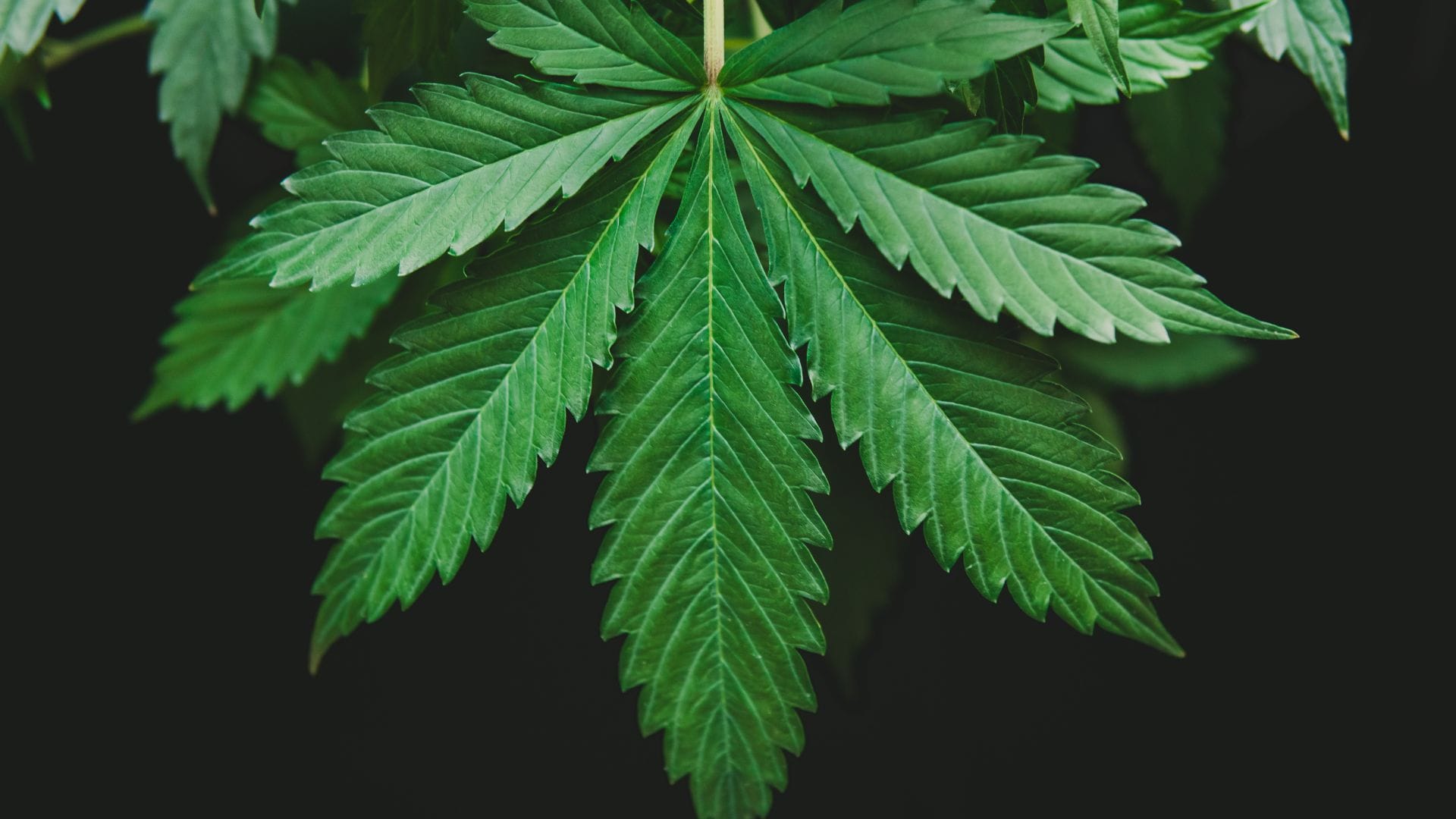
The origins of indica cannabis can be traced back to the Hindu Kush mountains of Afghanistan and Pakistan, where the plant has been cultivated for thousands of years. The subspecies is believed to have been introduced to the region by nomadic tribes from Central Asia, and it has since been grown for its medicinal and recreational properties.
While the precise history of indica cannabis is difficult to trace, there is evidence to suggest that the plant has been used for medicinal purposes in the region for millennia. The ancient Persian physician Avicenna, who lived in the 10th century CE, wrote about the therapeutic properties of cannabis in his famous medical text, the Canon of Medicine[1]. He described how the plant could be used to treat a range of ailments, from pain and inflammation to fever and insomnia.
In the centuries that followed, cannabis continued to be used as a medicine throughout the Islamic world. In the 16th century, the Turkish physician Serefeddin Sabuncuoglu wrote about the use of cannabis resin (known as hashish) to treat headaches, gout, and other conditions. The plant was also widely used as a painkiller during surgical procedures, and as a sedative to ease anxiety and promote sleep.
The Difference Between Indica and Sativa Cannabis
Indica and sativa are two subspecies of the cannabis plant that differ in their physical appearance, chemical composition, and effects on the body and mind. While both types of cannabis have their own unique characteristics, they can be distinguished from one another based on a few key factors.
Physiologically, indica and sativa plants are distinct in several ways. Indica plants are shorter and bushier, with wider leaves and a denser, more compact structure. Sativa plants, on the other hand, are taller and more slender, with narrower leaves and a looser, more airy structure. This difference in structure is thought to be an adaptation to the environmental conditions in which each subspecies evolved. Indica plants are believed to have originated in the mountainous regions of Central Asia, where their short, sturdy structure allowed them to withstand harsh winds and heavy snowfall. Sativa plants, on the other hand, are thought to have evolved in warmer, more tropical regions, where their taller structure allowed them to capture more sunlight and grow more rapidly.
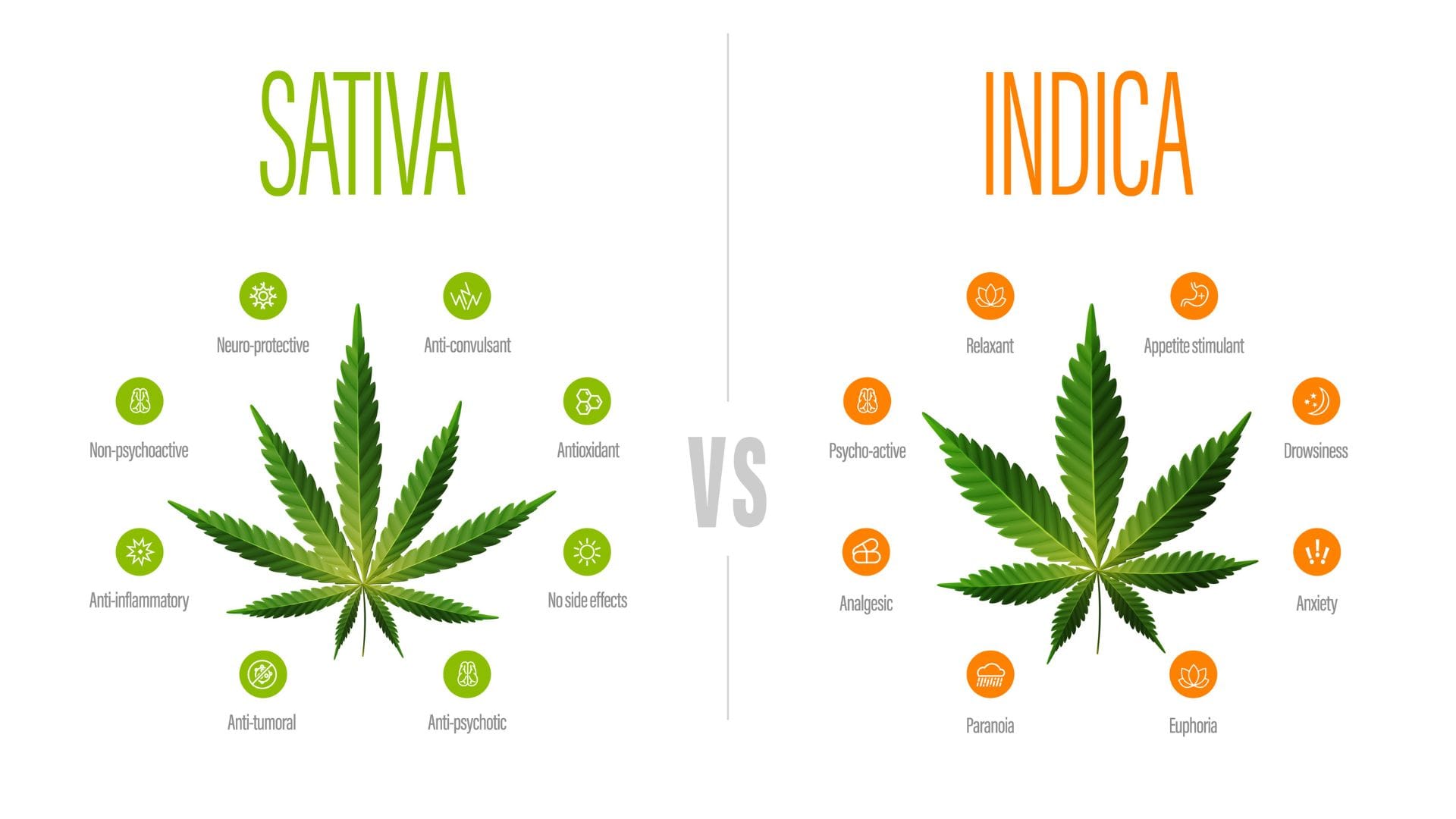
In terms of chemical composition, indica and sativa plants also differ in the concentrations of various cannabinoids and terpenes that they contain. Cannabinoids are the active compounds in cannabis that are responsible for its psychoactive and therapeutic effects. The most well-known cannabinoid is THC, which is responsible for the "high" associated with cannabis use. Indica strains typically have higher concentrations of THC than sativa strains, which can result in a more sedative and relaxing effect. Sativa strains, on the other hand, tend to have lower concentrations of THC and higher concentrations of other cannabinoids, such as CBD, which can produce a more uplifting and energizing effect.
Hybrid cannabis strains are a cross between two or more different types of cannabis plants, usually one indica and one sativa. These strains are bred to combine the best characteristics of each parent plant, resulting in a unique blend of effects and flavours.
Hybrid strains are typically categorized as either sativa-dominant or indica-dominant, depending on which parent plant is more dominant in the cross. Sativa-dominant hybrids are known for their energizing, uplifting effects, while indica-dominant hybrids are known for their relaxing, sedative effects.
One of the benefits of hybrid strains is their versatility. Depending on the specific combination of parent plants, hybrids can produce a wide range of effects that can be tailored to the individual user's preferences. For example, a sativa-dominant hybrid may provide a burst of creative energy and focus, while an indica-dominant hybrid may help to alleviate anxiety and promote relaxation.
10 Best Indica Cultivars in 2023
Bubba Cheesecake
Seedsman’s Bubba Cheesecake arrived in 2022, and, since its debut, has received rave reviews for its ease of cultivation, high yields, and incredible unique flavour.
It’s a mostly-indica hybrid, crossing the superb and stable genes of a pre-’98 Bubba Kush with the flavourful Cheesecake cultivar. What you get is a sensational, highly-resinous photoperiod strain that can churn out up to 550gm//m2 indoors, and up to an eye-popping 800gm/plant when grown outdoors.
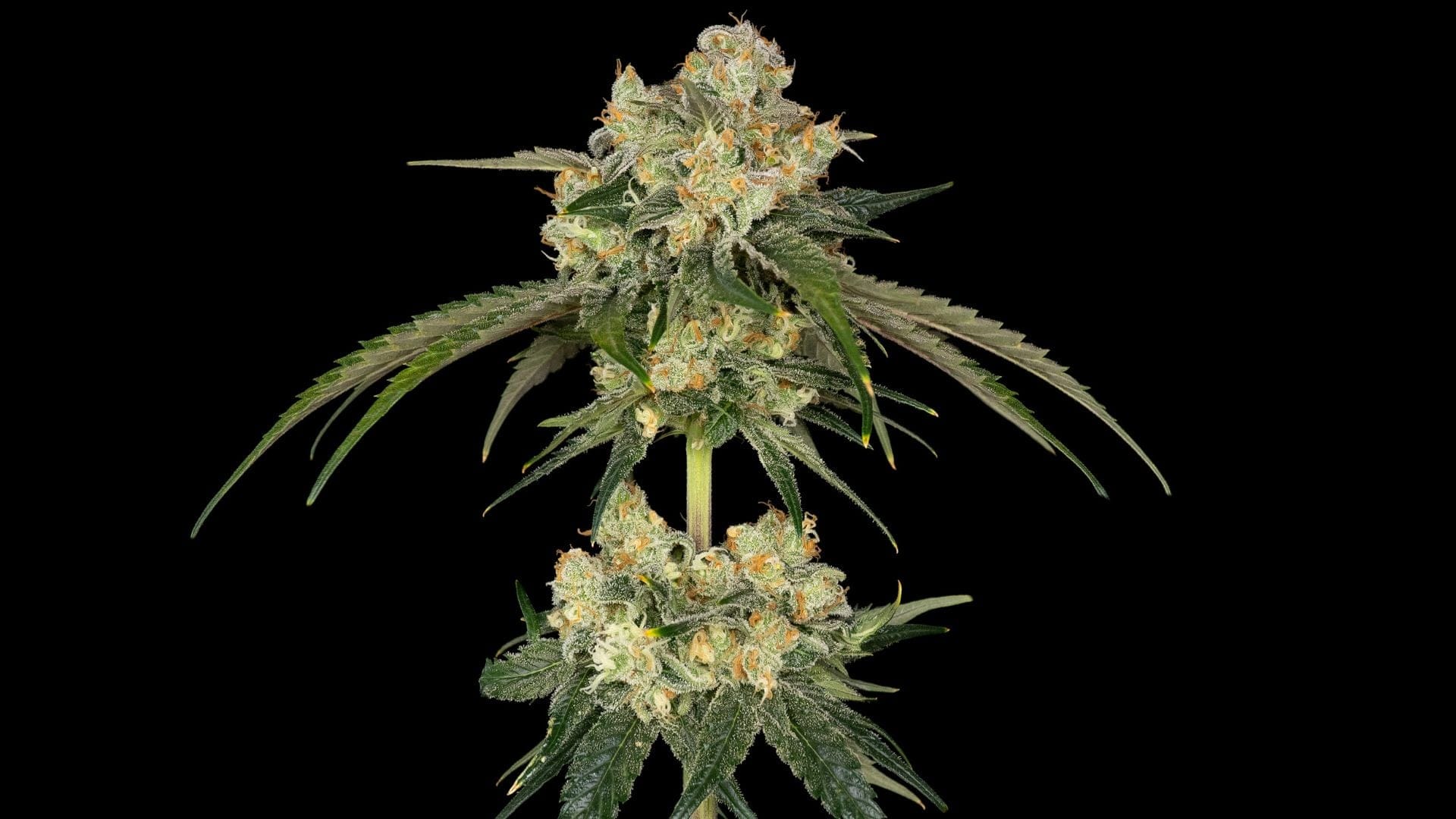
Bubba Cheesecake will wow you with its unique taste of wedding cake and licorice, making it one of the most notable indicas to take centre stage in recent times. The THC content, in excess of 20%, rounds off this superb indica-dominant hybrid with aplomb.
Black Sugar
If you’re after a hidden gem with potency to the max, Black Sugar has a surprise for you. Another mostly-indica hybrid, Black Sugar takes its qualities from a three-way cross between Black Domina, LA OG, and Critical. The foundations of Cali classic and Afghani genetics make Black Sugar a resilient grower with typical indica characteristics.
Black Sugar can yield as much as 600gm/m2 indoors, and up to 800gm/plant of supremely high THC buds if grown outdoors.
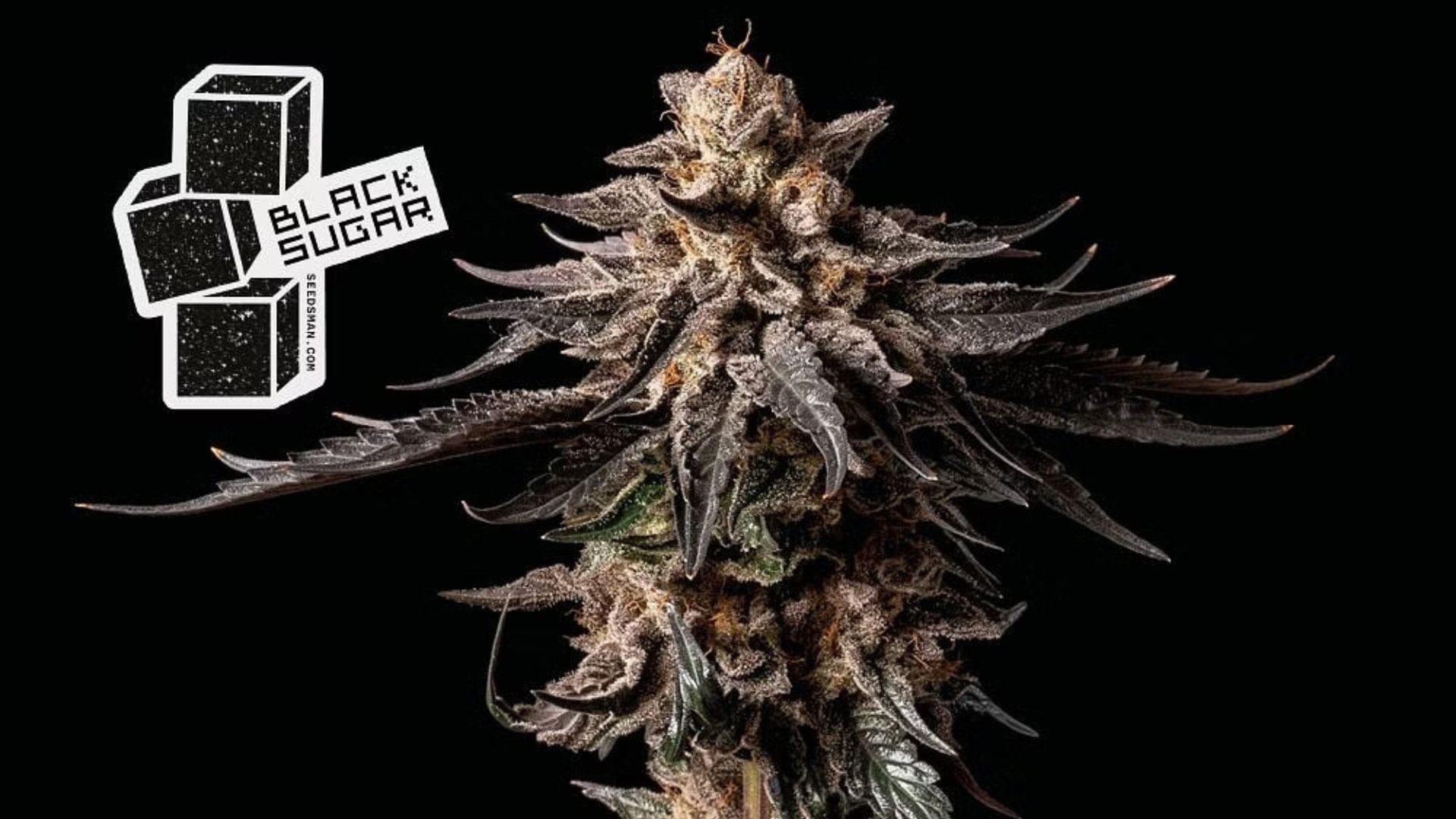
Black Sugar’s biggest weapon is without doubt its potency – the frosty-looking buds are a real giveaway to the power within, and this strain is popular for evening use among those suffering with insomnia. The flavours and aroma are intense and fruity, packed with orange, lemon, and irresistible Kush notes.
Original Afghani #1
A pure indica strain par excellence, Original Afghani was first brought to the world in the 1970s. This is a classic indica in appearance and effect, with a squat, bushy stature and dense buds. Those buds are covered with high amounts of resin, making Original Afghani #1 a perfect strain for making hash.
A strong and vigorous plant with tremendous vegetative growth, Original Afghani #1 has long been considered a reliable indica, and its reputation has led to its use in many crossbreeding projects.
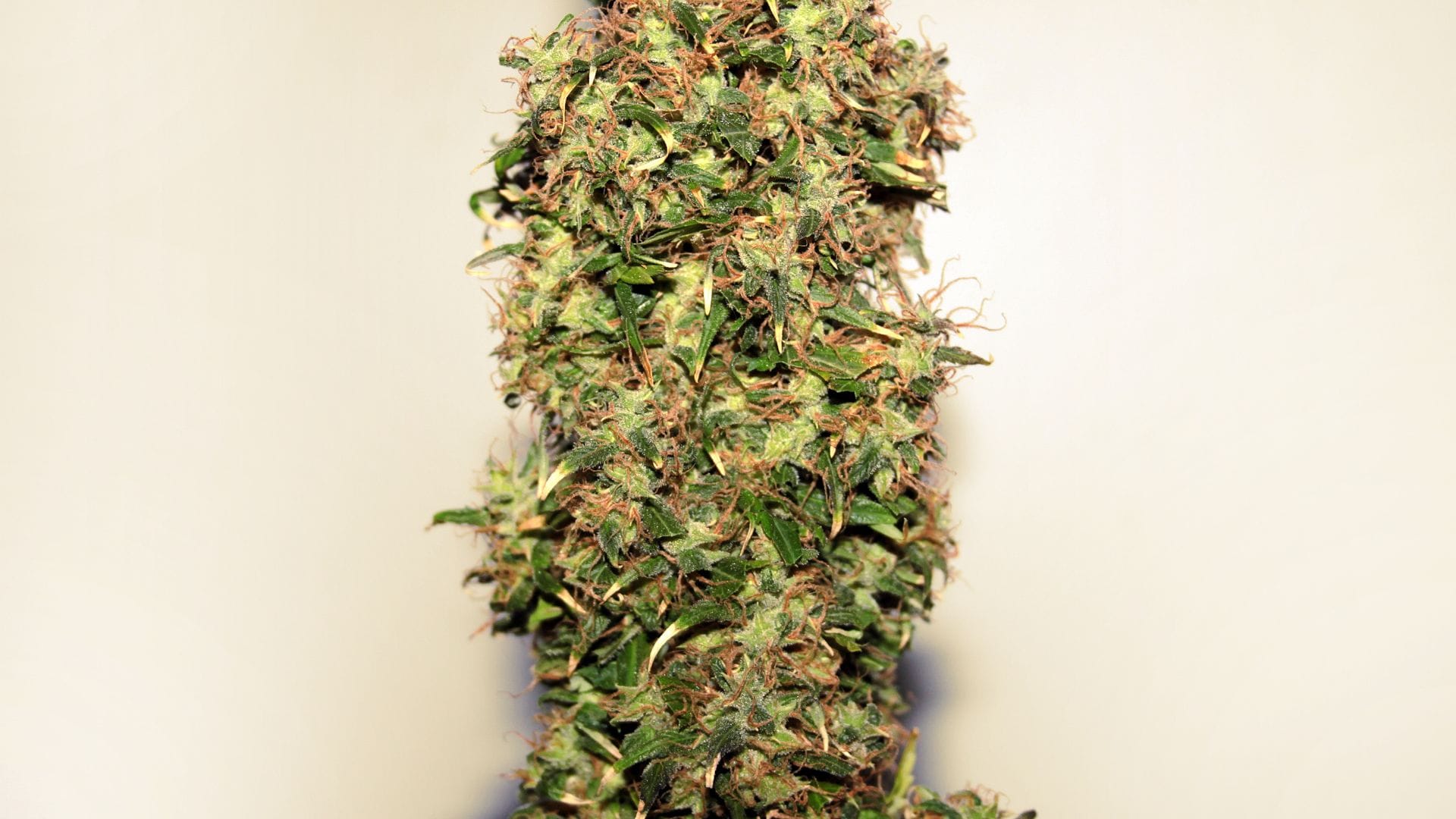
This photoperiod indica grows well indoors or out – even beginners will have no issues producing a good yield. Original Afghani #1 has a flowering time of around seven weeks. It's a pure indica with a strong smell and unmistakable sour, citrusy taste. Original Afghani #1 is narcotic in its effect, meaning one of supreme relaxation.
Cali Critical Mass
New for 2023 from Seedsman, Cali Critical Mass is an indica-dominant hybrid like no other. This stunning cultivar combines the legendary genetics of Critical Kush and Bubba’s Gift, two solid indica powerhouses. The result is a high-yielding and highly potent modern classic.
Cali Critical Mass is of average grow difficulty, with a two week vegetative phase before a flowering period of between 56-63 days. Advanced nutrients will see Cali Critical Mass yield 500-600gm/m2 from an indoor grow, and astonishing outdoor yields between 700-900gm/plant are possible!
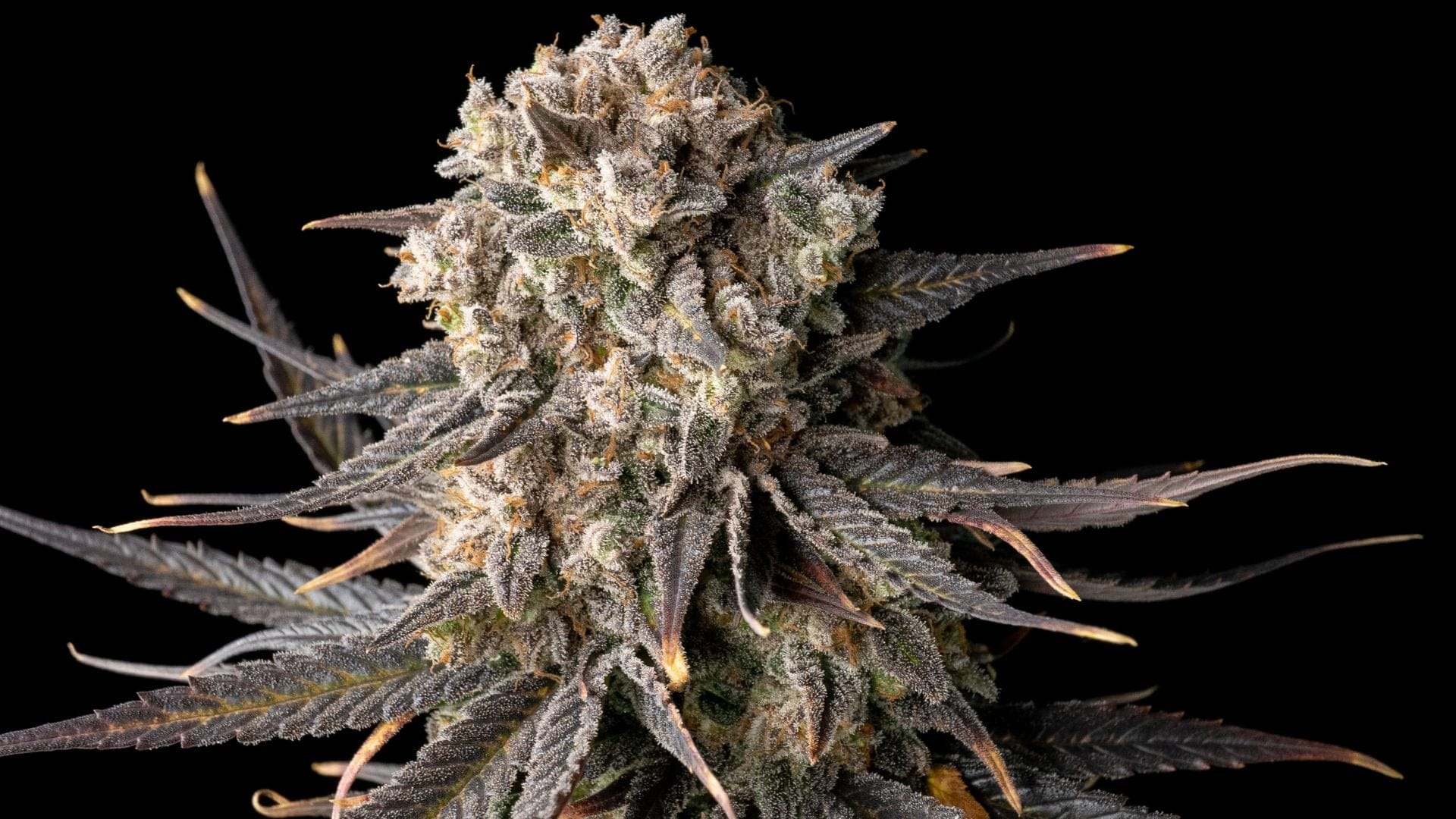
The sensational taste combines earthy notes with fruity lemon, coupled to an exquisite mossy aroma. This uplifting cerebral strain is not to be missed.
Alaskan Purple
Yield, taste, and potency are all top-notch in Seedsman’s famous Alaskan Purple. Courtesy of a three-way marriage between Alaskan Purple, Kush, and a Brazilian Sativa, we’ve created a monster of the best kind – an indica-dominant hybrid with quality in every department.
Alaskan Purple is a highly vigorous cultivar that responds well to numerous plant training techniques, and will surprise if not shock with its size and its productivity. Flowering in just 64 days, Alaskan Purple yields big harvests of stunning buds, laden with trichomes and popping with vibrant colours.
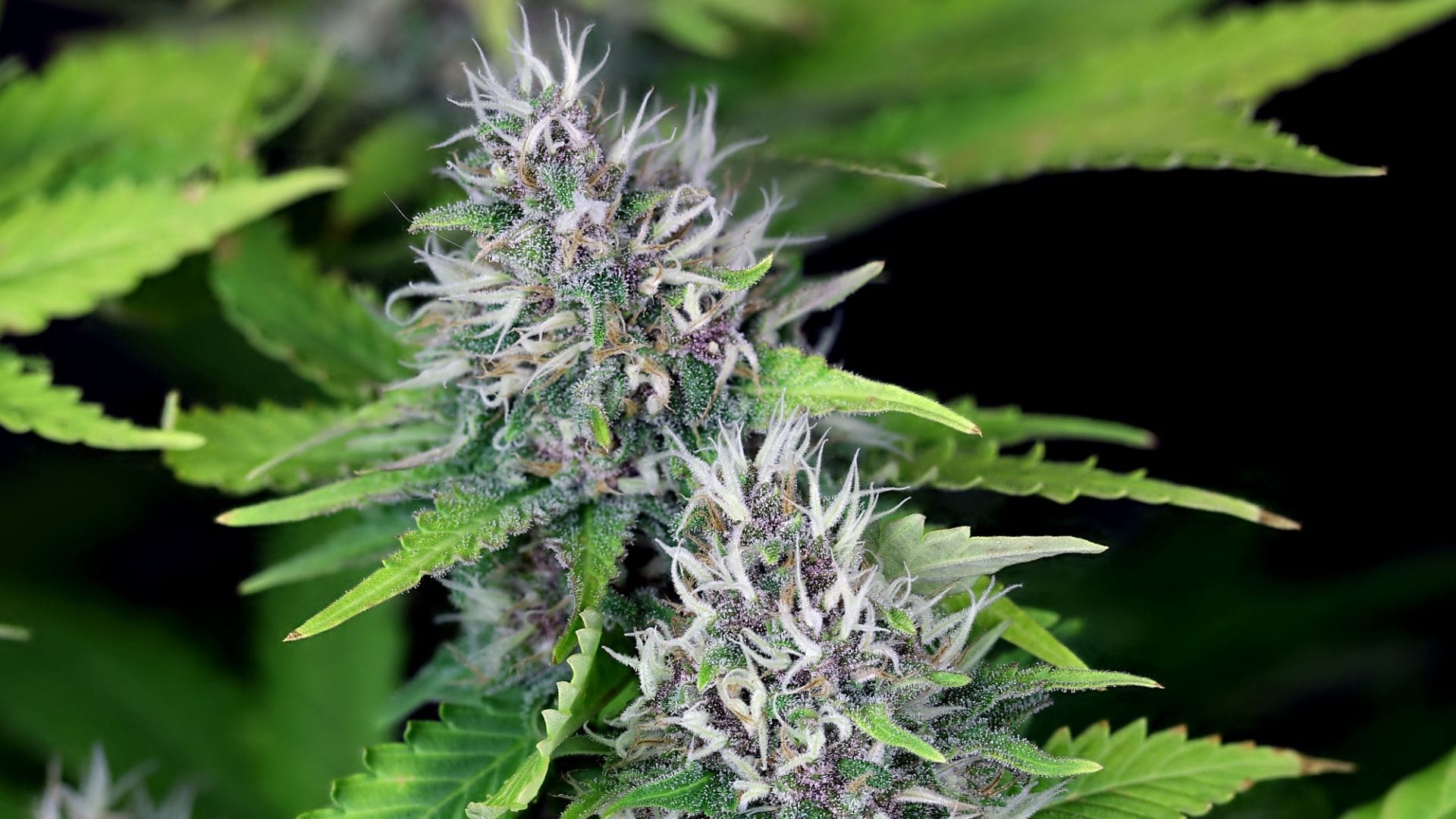
The taste and aroma of Alaskan Purple are laden with sweet berry and floral notes, making for a sumptuous sensory experience. THC content is between 15-20% in this decadent yet powerful cannabis.
Strawberry Cheesecake Auto
If you want to take a little of the hassle out of your project but still retain the utmost quality in terms of productivity and flavour, look no further than Seedsman’s Strawberry Cheesecake Auto.
This mostly-indica autoflowering cultivar combines the best of Strawberry Banana Auto and Cheese Auto, bringing a squat plant with outstanding yield potential of up to 500gm/m2 indoors, and up to 600gm/plant outdoors.
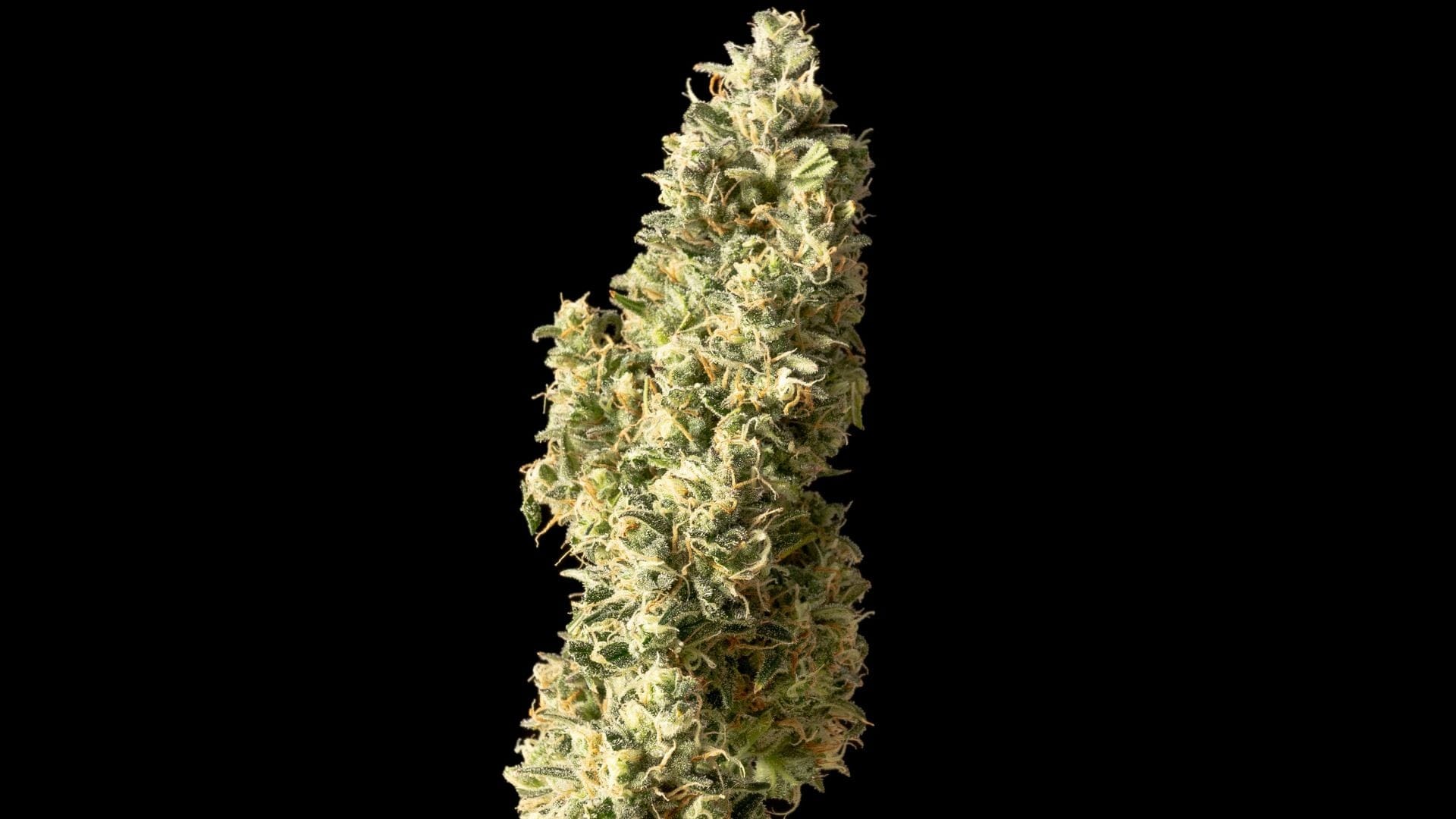
If flavour is high on your agenda, peruse the menu for Strawberry Cheesecake Auto – there’s a heavy Skunkiness to the taste, superbly balanced by the sweet fruitiness of lemon. THC content around the 15% mark ensures that, although the flavour may blow your mind, you won’t be overly compromised as a result.
Critical Kush
Barney’s Farm offers some of the best Indica’s around, and Critical Kush rightly sits near the top of the list. Combining two absolute legends in Critical Mass and OG Kush could only lead to greatness, and Critical Kush has indica royalty all over it.
Critical Kush will show some highly vigorous growth during the vegetative phase, then, after a flowering time of around 55-60 days, you’ll be rewarded with some sizeable yields. 650gm/m2 from an indoor grow is not to be sniffed at!
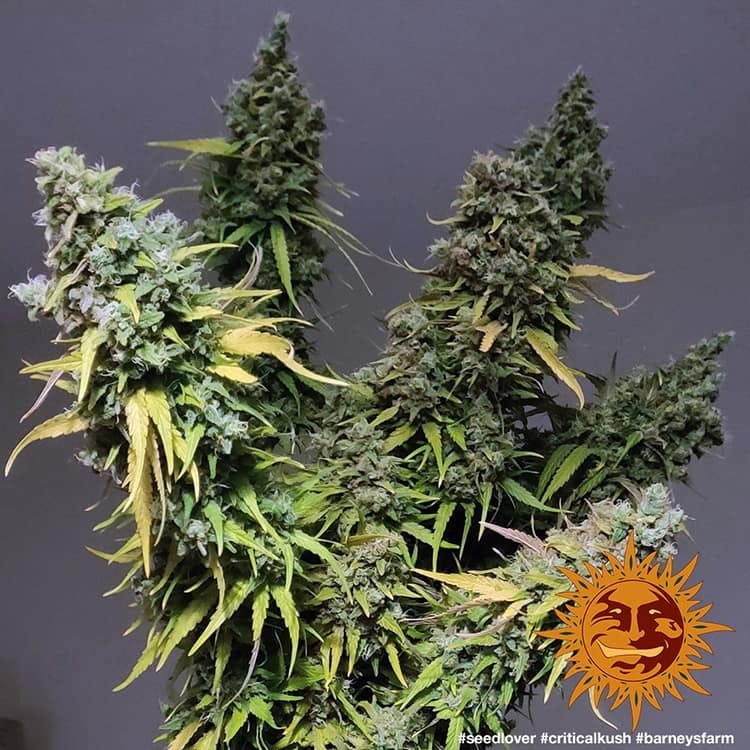
This wonderful earthy indica packs a whopping 25% THC, so potency is guaranteed. Therapeutic properties have been mentioned in relation to Critical Kush, so although it’s a small plant at around 110cm, it’s packed with quality.
Super Bud
Greenhouse Seed Co’s Super Bud is a cross between Big Bud and Super Skunk. The result of this marriage is an 80% indica hybrid with yields one can only describe as legendary – up to 900gm/m2 indoors, up to 1000gm/plant outdoors! If you like a busy harvest time, you’ll get one!
Better yet, Super Bud is known for its ease of cultivation, with even beginners likely to oversee this one to completion without much difficulty. SoG and SCRoG methods are recommended when growing Super Bud indoors, to provide good light exposure to the innermost bud sites.
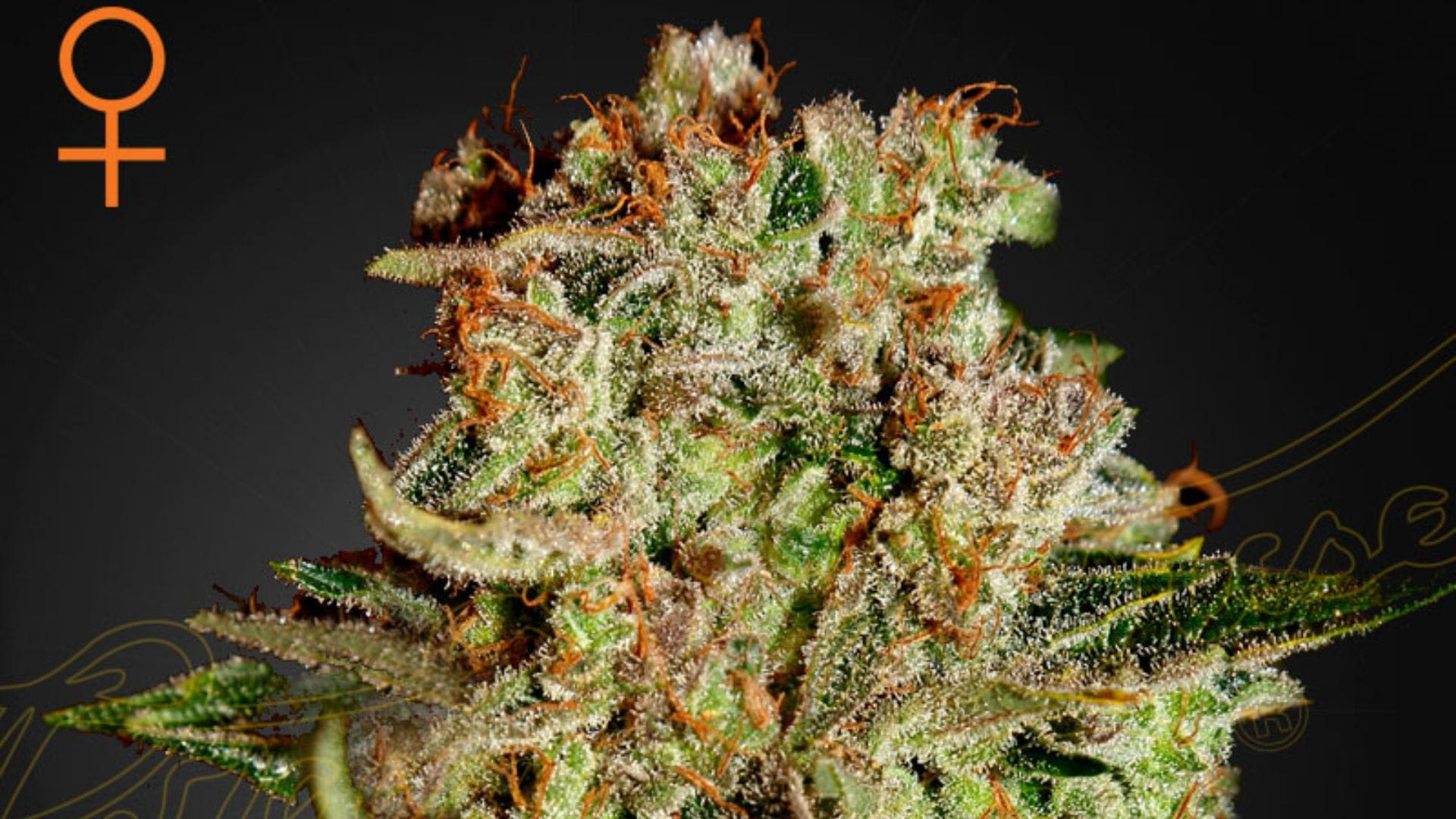
Super Bud has a reputation as a supremely potent indica, so newcomers beware!
Quetta City
Landrace Warden is a genetics specialist with a love for Pakistani heirloom strains. Quetta City is just one of the superb range of indicas available, and these unique cultivars are as fascinating as they are special.
Quetta City is the answer if you’re looking to grow indica cannabis without the worry of plant pathogens, pests, or arid conditions putting paid to your harvest. All Landrace Wardens are highly resilient to these common headaches, and Quetta City is no different. It thrives in cold, dry climates, making for one of the hardiest strains you’ll come across.
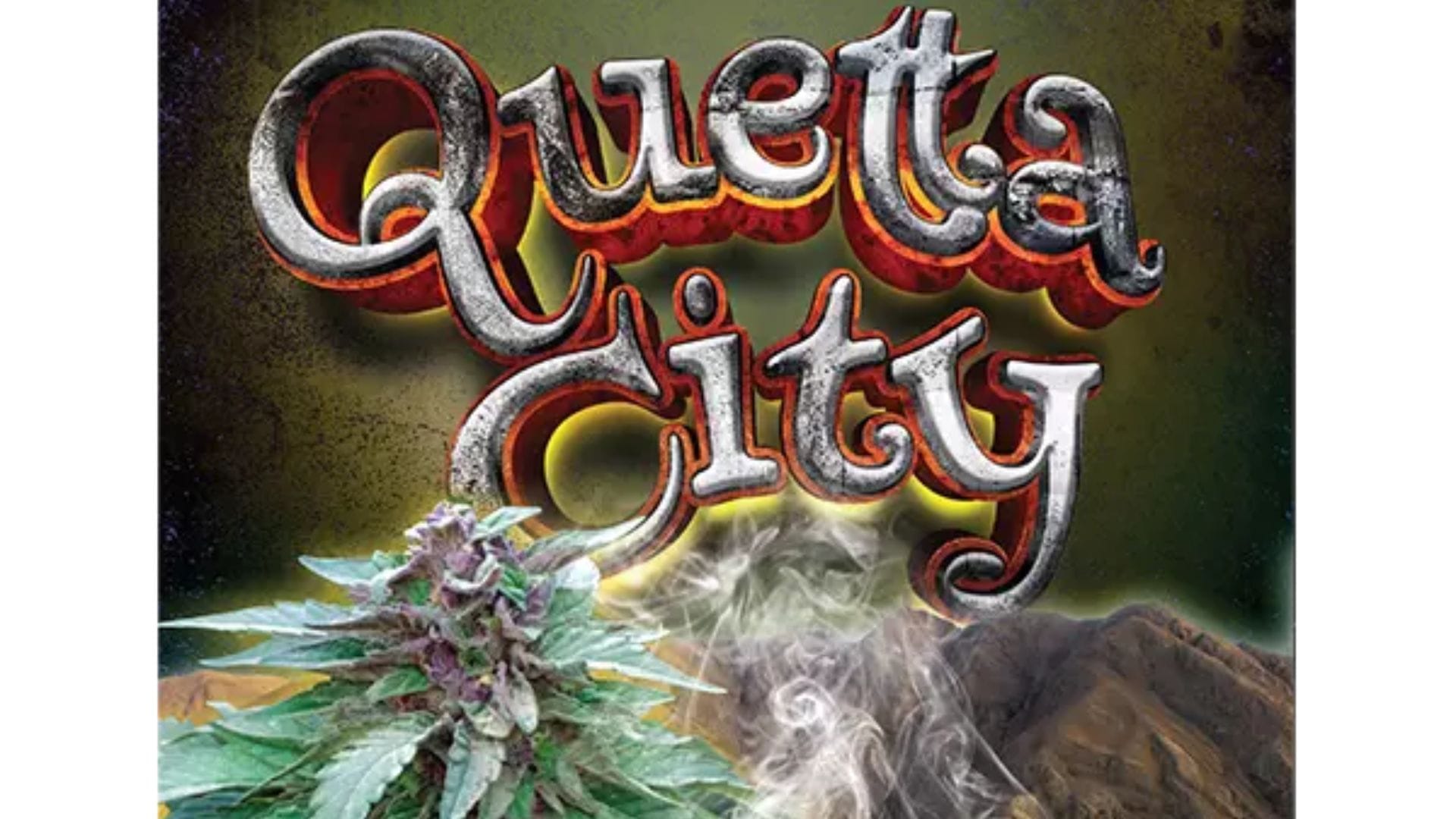
Quetta City is best suited to outdoor cultivation, where you can yield up to 500gm/plant. The highly resinous nature of the buds makes it ideal for making authentic hashish. The taste is truly unique, combine woody, nutty flavours for a wonderful smooth and luxurious experience.
Erdpurt
Erdpurt by Ace Seeds is a classic Afghani line, developed in Northern Europe. This spectacular-looking indica has some truly unique properties, making it stand out amongst even other unique indica cultivars.
This is a fast-flowering and adaptable plant with ornamental looks that turn heads. It’s easy to grow, and produces some truly remarkable flavours including coffee, strawberry, and blackberry pie. The scent of roast coffee is present in the hard, resinous buds, and Erdpurt has the qualities that make it suitable for hash production.
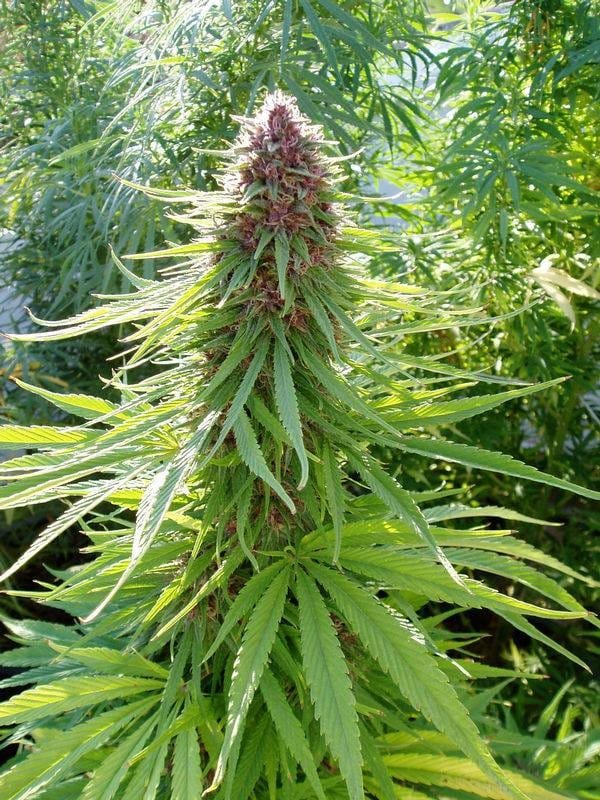
Erdpurt is a cultivar with high medicinal value, and a resilience to the elements that makes it perfectly suited to outdoor cultivation in trickier climates. The indoor flowering time of Erdpurt is around 7 weeks. Outdoor flowering is complete by late August/early September.
[1] https://www.ncbi.nlm.nih.gov/pmc/articles/PMC4469963/
