
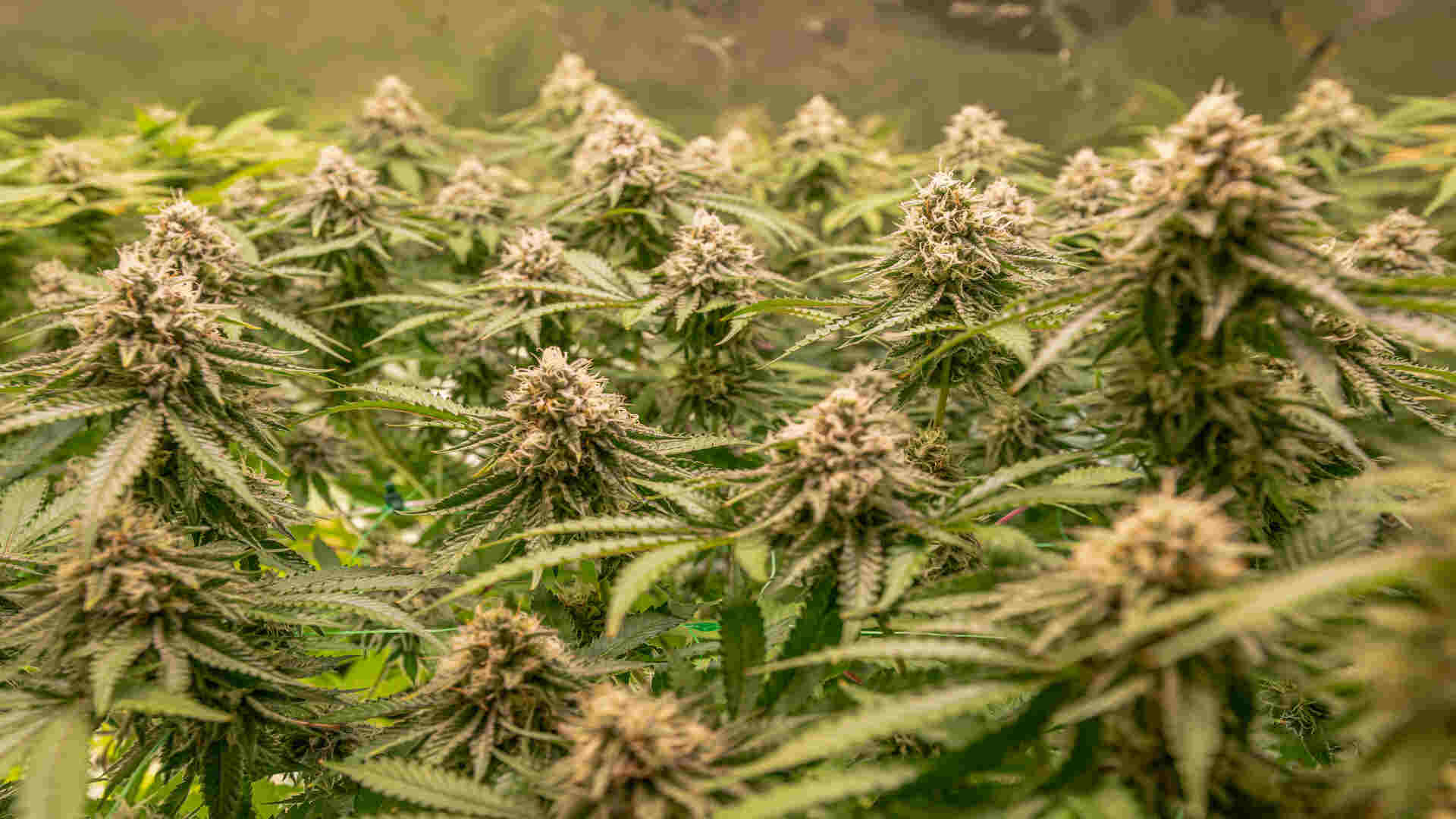
Heading into your next grow with a mix of excitement and trepidation? It’s understandable. We all want a trouble-free grow and big, juicy dagga buds at the end of the season. Problems invariably surface at some point during a grow, and we can help you troubleshoot them – but we want to try and help you avoid them first. In this article, we’ll cover five of the top mistakes growers make with female weed plants so you know what to do, what not to do, and what you need to do if it’s already too late for avoidance. Understanding these common pitfalls and best practices is essential when growing female cannabis plants.
Don't Panic - Breathe
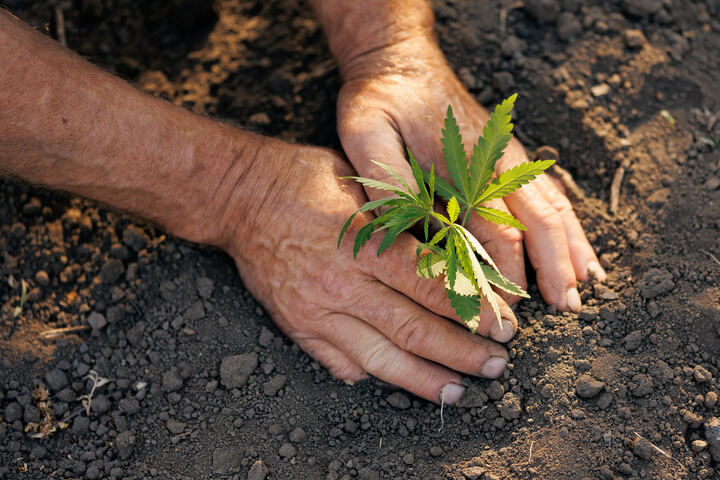
Growing cannabis offers more than just a big bad of buds - it offers a rewarding journey for those willing to learn the ropes. Cannabis plants are sensitive to their environment, and even small missteps can lead to poor plant health, stunted growth, or disappointing harvests. Whether you’re a first-time grower or looking to refine your skills, understanding the basics of plant health, nutrient management, and environmental control is essential for healthy growth of a female cannabis plant. By focusing on the right conditions and being aware of the most common mistakes to avoid, you’ll set yourself up for success and maximize your chances of cultivating high-yielding female cannabis plants. Remember, accidents happen when growing, and the majority of them have solutions. Knowledge is key to overcoming the problems you'll undoubtedly face when growing cannabis, and that's why we're here. The Seedsman blog aims to provide you with the information you need to grow great cannabis, and solve problems quickly - with minimal harm to your harvest.
Cannabis Seeds and Genetics: Choosing the Right Foundation for Female Weed Plants
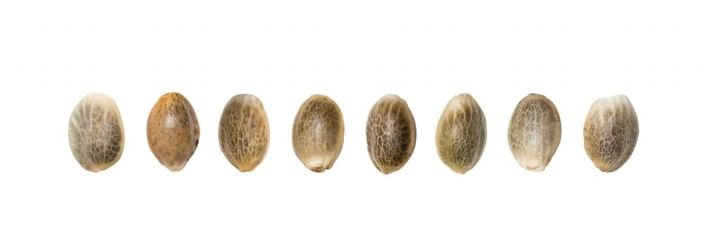
The road to a successful harvest begins with your choice of cannabis seeds. Genetics play a huge role in determining the quality, yield, and resilience of your plants - so knowing how to choose a cannabis strain goes a long way to mitigating risks. Feminized seeds are a top pick for most growers, as they greatly increase your chances of avoiding males and producing only female weed plants - the ones responsible for bud production. When selecting cannabis seeds, consider traits like flowering time, growth rate, and disease resistance. High-quality seeds set the stage for strong, healthy plants and fat buds, while poor genetics can lead to weak seedlings and disappointing results. It’s also vital to understand the difference between male cannabis plants and female cannabis plants; male plants can pollinate your crop, reducing bud quality and yield. By starting with the right genetics, you’re giving yourself the best chance at a bumper harvest of only female cannabis plants and top-shelf bud.
Female Weed Plant Problem #1: Not Spotting Males or Hermies Early Enough
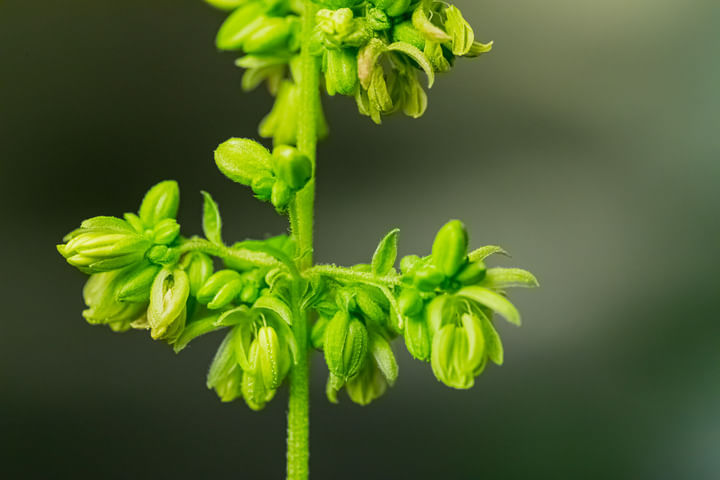
Nothing ruins your harvest dreams faster than finding seeds where buds should be. Many growers assume that buying feminized seeds guarantees only female cannabis plants – and while it usually does, and vastly reduces the chances of males, stress, poor genetics or light leaks can turn a promising female weed plant into a sneaky hermaphrodite, especially if the plant's susceptibility to these factors is high. The plant's environment, development stage, and overall health play a crucial role in determining how it responds to such stressors. And once that pollen drops, it’s game over for your sinsemilla.
Why it’s a problem:
Male or hermaphrodite plants pollinate your female weed plants, diverting her energy from bud and resin production to seed formation. Yield drops, potency nosedives, and your once-promising smoke becomes a crackling mess of seeds.
How To Avoid It
- Buy quality feminized seeds from respected brands and reputable breeders (Seedsman, Barney’s Farm, Humboldt Seed Co.,FastBuds and Dutch Passion – or choose from the vast selection of quality breeders here at Seedsman. We only work with trusted breeders).
- Learn to identify pre-flowers during late veg/early flowering to guarantee female weed plants. Female cannabis plants will display a teardrop-shaped calyx and white pistils. Males will reveal ball-like pollen sacs.
- Keep stress levels low – so avoid extreme pruning, nutrient burn, heat stress, and light leaks during flower.
- For help identifying sex early, see Seedsman’s guide: How To Tell If Your Cannabis Plant Is Pollinated.
Troubleshooting:
If you find a male among your female weed plants, cull it immediately – roots and all. Unless you’re planning a breeding project, you need to get that guy out of there toute suite. Keep an eye on female cannabis plants to make sure everything is shap shap and none of the girls have been pollinated.
- Hermaphrodite? If early, remove pollen sacs carefully with sterilized tweezers. If later-stage, remove the entire plant.
- Wipe down the area with water to neutralize airborne pollen.
- Isolate remaining females and increase airflow.
Female Weed Plant Problem #2: Overfeeding Nutrients During Flowering
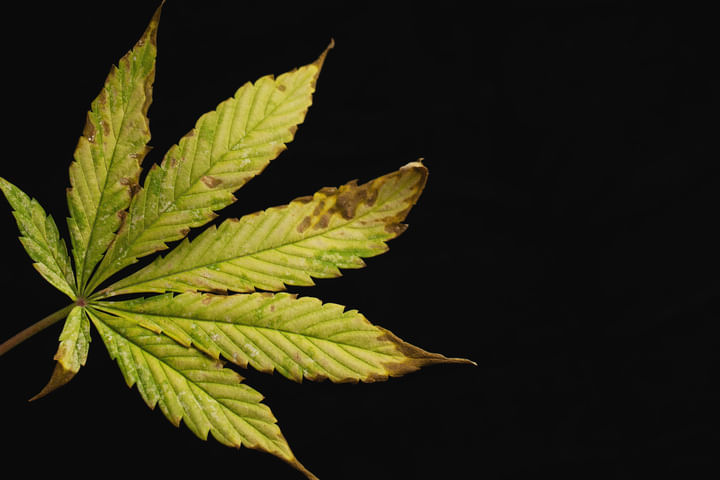
You love your plants – we get it. But drowning your female cannabis plant in nutrients doesn’t mean bigger buds. In fact, nutrient burn and salt buildup can cause clawing leaves, burnt tips, and stunted flowers – the complete opposite of what you’re after. Overfeeding can also cause nutrient lockout, which prevents your plants from being able to absorb nutrients efficiently, leading to poor growth and reduced yields.
Why It’s A Problem
During flowering, female cannabis plants need less nitrogen, but more phosphorus and potassium. Overfeeding nitrogen delays bud development and reduces cannabinoid expression, in addition to other issues.
How To Avoid It
- Knowing how and when to transition nutrients is an essential skill to learn. Switch up to feeding your female weed plants bloom nutrients when pre-flowers appear.
- Follow an EC/PPM chart rather than following your gut feeling.
- Flush lightly between transition (veg to flower) to prevent salt buildup.
- Type ‘nutrient’ in the search bar on the Seedsman blog – there's a raft of articles here to help you understand the nutrient needs of the female weed plant.
Troubleshooting Nutrient Burn
- Flush with pH-balanced water (6.2-6.8 in soil).
- Trim crispy leaf tips only if they’re decaying.
- Resume feeding at ¼ or ½ strength after 3 to 5 days.
- Use enxymes like Cannazym or Great White mycorrhizae to restore root health.
Female Weed Plant Problem #3: Light Leaks During Flowering
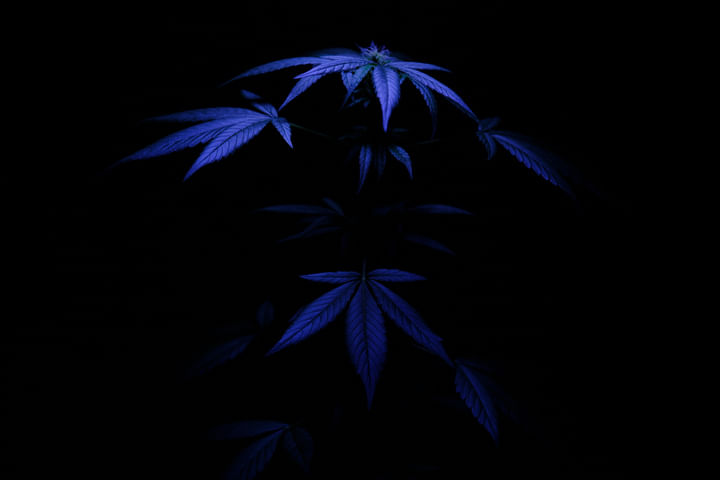
Light leaks are a horror show for indoor growers. Once you catch your female cannabis plant sprouting male pollen sacs in week 5 of flower, you’ll know what that’s like. Maintaining proper light cycles is crucial for healthy flowering stages, as disruptions can lead to stress and poor yields.
Why It’s A Problem
Female cannabis plants rely on uninterrupted darkness (12 hours for photoperiod strains) to trigger and maintain flowering. Even a tiny LED, bathroom light, or streetlight can confuse your plant’s hormones and trigger hermaphroditism or reveg.
How To Avoid It
- Check your grow tent in total darkness. If you see light coming in from anywhere, tape it, seal it, fix it.
- Turn off or hide power indicator LEDs on equipment.
- Avoid opening the tent during dark cycles.
- Growing outdoors? Plant somewhere shielded from streetlights or motion lamps.
Troubleshooting Light Stress
- If you catch a light leak early, take care of the leak and restore total darkness on a strict cycle immediately.
- Remove any early pollen sacs.
- Add light-proof curtains or blackout sheeting outdoors if needed.
- Keep stress low: stable temperatures and good airflow will help your female weed plants recover.
According to a 2019 study in Plant Signaling & Behavior, even short light interruptions can disrupt flowering hormones like phytochrome and trigger abnormal growth.
Female Weed Plant Problem #4: Poor Airflow and High Humidity in Flowering
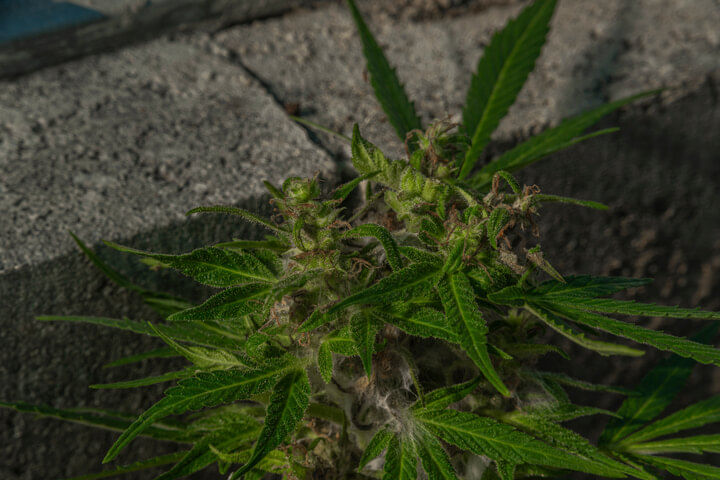
Halloween may have passed, but there’s still an opportunity for something truly frightening for anyone growing female cannabis plants. Bud rot (Botrytits) is every grower’s worst nightmare – especially during South Africa’s early summer. Dense buds + poor airflow + high humidity = moldy disaster. Stagnant air and poor air circulation can lead to mold, mildew, and other issues, making it crucial to maintain good ventilation and airflow to protect your plants.
Why It’s A Problem
High humidity around a flowering female weed plant is an open invitation to bud rot, powdery mildew, and other pathogens that will wreak havoc on your harvest. Once botryitis sets in, it spreads fast – really fast – and your buds are doomed.
How To Avoid It
- Maintain 40-50% humidity during mid to late flower.
- Indoors? Use oscillating fans positioned correctly and on a low setting. Leaves should gently dance in the breeze – not flap wildly.
- Outdoors? Prune inner branches, avoid overcrowding.
- Read Mr Grow It’s article on how to prevent bud rot for expert advice on avoiding this common blight on female cannabis plants..
Troubleshooting Bud Rot or Powdery Mildew
- Remove infected buds immediately, and bag them up before moving them.
- Sterilize scissors or shear between cuts
- Increase airflow to your plants and reduce humidity as quickly as possible.
- Mix a teaspoon of baking soda in a gallon of water and spray any leaves or buds affected by powdery mildew.
Cannabis plant scientist and Seedsman blog contributor, Dr Gary Yates, shared a tip you can use in an emergency: “If nothing else is available and you need to treat the plants fast, try using a solution of around 35-45% milk in water, this has been shown on some crops to be as effective as chemical-based fungicides. One spray a week keeps the mildew at bay”.
Finally - and we can’t stress this enough - never, ever smoke moldy cannabis, no matter how desperate you are. Not even “Just this one time, I’m sure it’ll be fine.” It won’t be fine. It’s extremely harmful to human lungs.
Female Weed Plant Problem #5: Failing To Support Heavy Buds
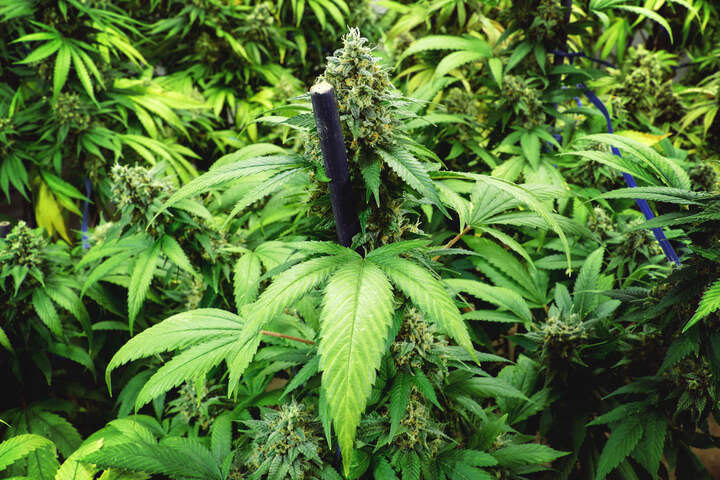
You spend weeks working hard, saying the occasionaly prayer, and nurturing your crop of grogeous female cannabis plants in hopes of growing big, dense buds. But if those buds grow big and dense, they'll cause branches to sag, bend, and snap.
Why It's a problem
A healthy female cannabis plant in full flower can produce thick, resinous colas – but those gorgeous buds can snap branches if they’re not suppported. Supporting a female cannabis plant during each growth stage, especially after vigorous vegetative growth, is essential to prevent branch breakage. Bent or broken branches will lead to reduced nutrient uptake and water transport. In turn, you increase the risk of mold and bud rot, lowering your overall yield.
How To Avoid It
- Use plant ties, bamboo stakes, trellis nets, or tomato cages early in flowering.
- Train during veg (LST, topping) to produce stronger branch structures.
- Indoors? Consider SCROG nets for even canopy and solid support.
Troubleshooting Collapsing Branches
- Act fast to tie broken branches back using garden tape or soft ties.
- Splint with a stick or skewer if the break is severe – cannabis can heal!
- Support neighboring branches to prevent chain-reaction collapses.
- If the stem is fully severed and wilted, harvest earlier and quick dry.
Final Thoughts
Growing a female cannabis plant takes a little know-how, a lot of patience, and a dash of good old South African grit. Make these five mistakes, and you’ll be moaning to your mates about what could have been. Avoid them, and you’ll be curing dense, terpene-rich nugs in no time. Prevention is always better than cure, and if you know how to keep issues at bay, it’ll save you (and your female weed plants) a lot of stress.


