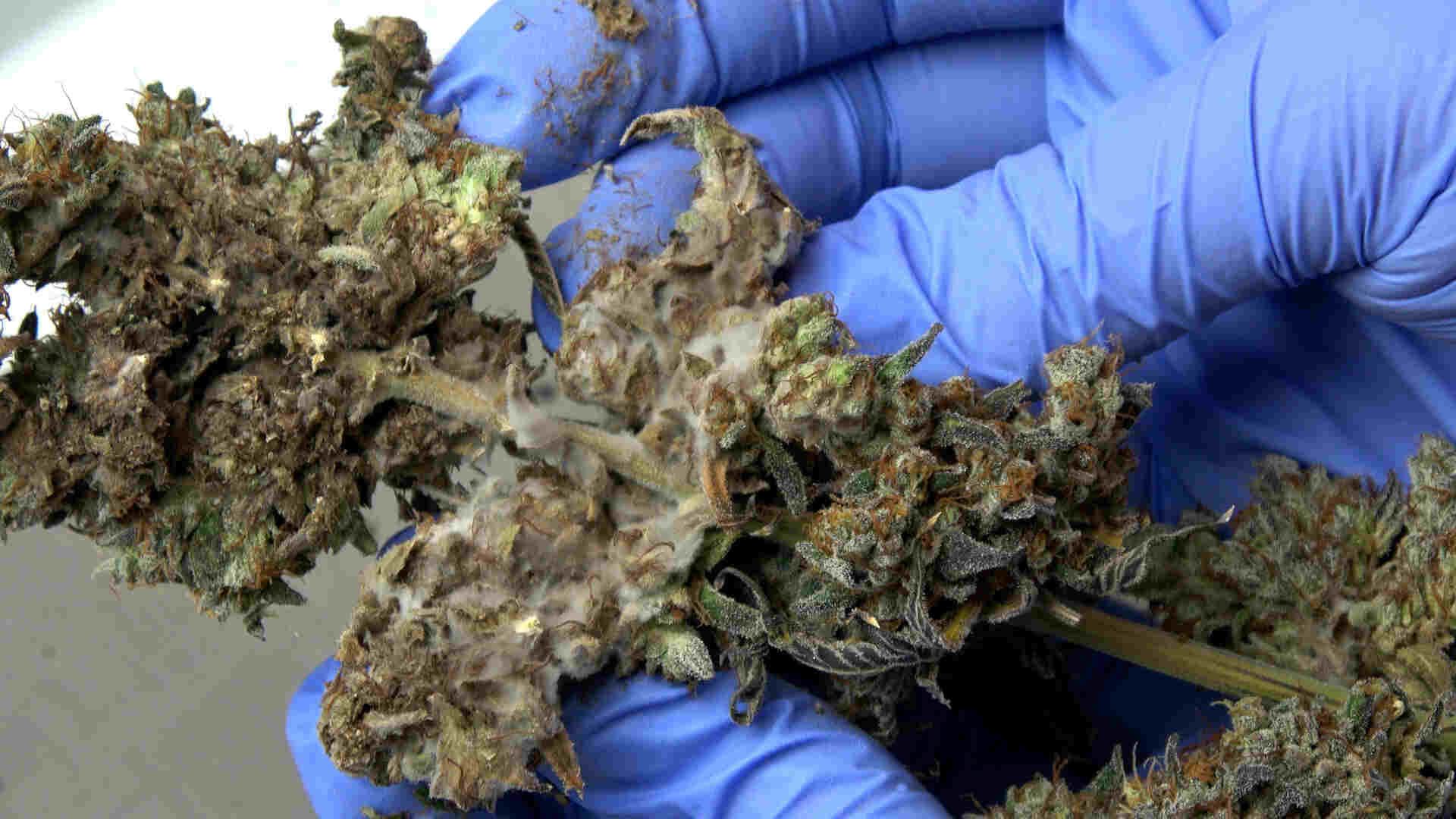
When it comes to threats that can ruin your entire cannabis yield seemingly overnight, bud rot ranks near the top of the list. It’s one of the most devastating issues growers can face—quickly turning healthy, resin-packed flowers into unusable, moldy waste.
Despite how destructive it is, bud rot is also fairly straightforward to prevent. In this article, we’ll break down exactly what bud rot is, how to spot it early, and the most effective ways to avoid it—so you can keep your harvest clean, potent, and safe.
What Is Bud Rot and Why It Develops
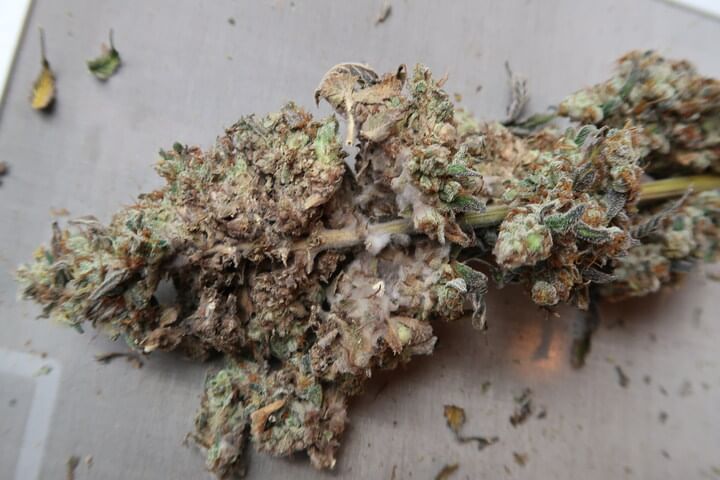
Bud rot, also known as grey moldd or Botrytis cinerea, is a fungal infection that targets the buds of cannabis plants. Interestingly, the cannabis plant is one of the few crops so aggressively impacted by this fungus.
Botrytis thrives in cool, damp, and humid environments, particularly where airflow is poor and moisture collects inside dense flowers. Once it takes hold, it rapidly spreads from the center of the bud outward, destroying the plant tissue and rendering your flowers unfit for consumption.
How to Spot Bud Rot Early
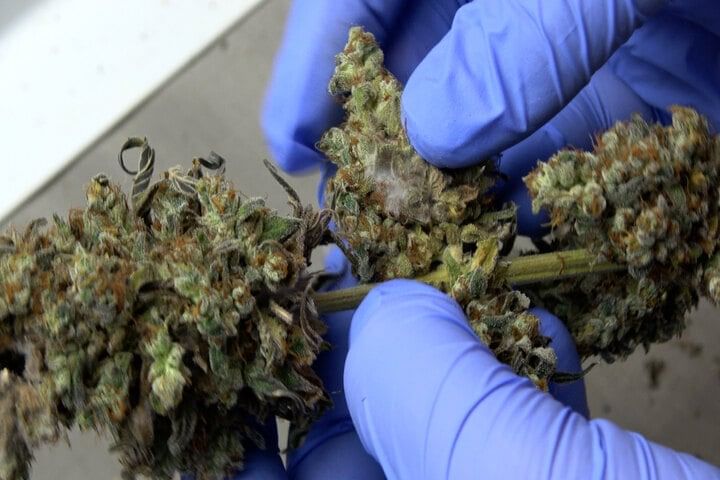
Thankfully, bud rot shows some clear signs—but detecting them in time can still be difficult. The infection usually begins in the dense core of the bud, which means it often remains hidden until it has already progressed. That’s why consistent inspection during flowering is essential.
One of the first indicators is a white, fluffy mold that resembles cobwebs or mildew. While it may seem minor or harmless at first glance, this mold spreads rapidly, and once it takes hold, it becomes difficult to stop. Another obvious sign is when the buds begin to turn soft, brown, and mushy. These buds often emit a foul odor that smells like rot or mildew, which worsens as the infection deepens. In more advanced cases, you may notice black or gray fungal spores forming on the surface—these spores can easily spread to nearby plants through air or contact. The key is catching it early, so close visual inspections and even the use of a pocket microscope can be game-changers.
Why Bud Rot Happens
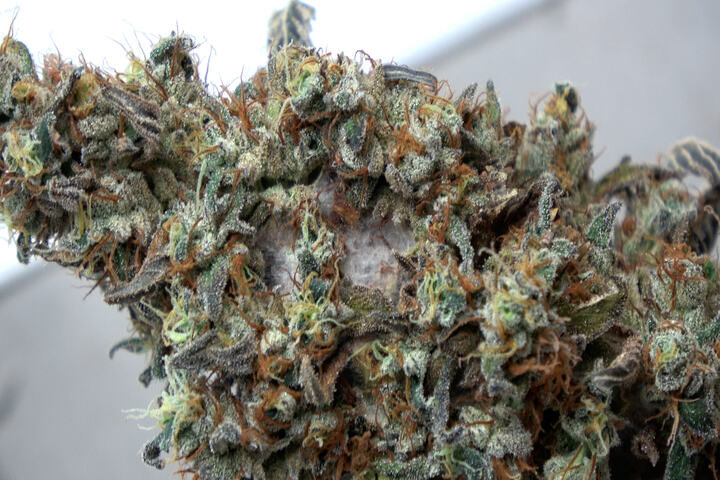
Bud rot is almost always the result of too much moisture combined with poor air circulation. When relative humidity (RH) levels consistently hover above 60%, and especially when they exceed 70%, the environment becomes highly conducive to fungal growth. These moist conditions provide Botrytis spores the opportunity to germinate and infect the plant tissues, especially inside thick flowers where air doesn’t circulate well.
Further Reading:The Ideal Temeprature And Humidity To Grow Cannabis
Compounding the issue, stagnant air allows spores to settle on plant surfaces without being disturbed, increasing the likelihood of infection. Temperature fluctuations—particularly when nighttime temperatures drop below 68°F/20°C—further contribute to the problem by encouraging condensation and moisture retention on plant surfaces. Plants with dense, chunky flowers are at higher risk because they trap moisture easily, creating microclimates within the buds that are perfect for mold development. So ultimately, bud rot is triggered by a combination of high humidity, poor airflow, temperature swings, and bud density.
Managing Humidity and Airflow
Controlling humidity and promoting proper airflow are the two most effective strategies to prevent bud rot from ever taking hold. For indoor growers, this starts with keeping the relative humidity below 60%—ideally closer to 45–55% during the flowering stage. Lowering moisture in the air reduces the risk of spores germinating on your buds. Tools like dehumidifiers are extremely helpful, as are air conditioners that pull humidity out of the grow space while cooling it.
Airflow is just as important as humidity control. The goal is to keep air constantly moving so that it doesn’t get trapped in pockets where moisture can accumulate. This means using oscillating fans strategically positioned to circulate air throughout the canopy, as well as exhaust systems to remove humid air and bring in fresh, dry air. Circular airflow patterns, where air is pulled across the plants and then vented out, are especially effective. Outdoors, you obviously can’t control the weather, but you can take action by shaking off morning dew, constructing temporary shelters to keep plants dry, and ensuring they have adequate space between them for wind to pass through. Whether you're growing indoors or out, managing airflow and humidity will be your best line of defense.
Strategic Pruning for Prevention
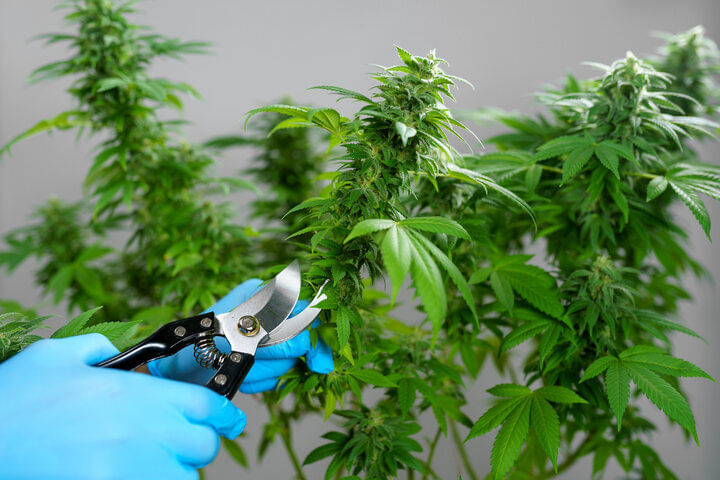
Pruning isn’t just about shaping your plant for yield—it’s a key defense against bud rot. Thoughtful pruning increases light exposure and airflow around dense flower clusters, helping moisture evaporate more easily and reducing the chance for mold to grow. One common and highly effective method is defoliation, which involves removing excess foliage—especially large fan leaves that block airflow to the interior of the plant. This opens up the canopy and allows for better light and air penetration, particularly in the lower parts of the plant.
Another technique is lollipopping, where you remove bud sites and leaves from the lower parts of the plant that don't receive much light. These shaded areas tend to trap humidity, so cleaning them up removes unnecessary risks. Trellising is also useful for spreading out branches horizontally, creating more even airflow and minimizing crowded zones. These pruning methods not only support better bud development but also act as proactive steps in creating an environment that bud rot doesn’t want to live in.
Prevention Tools and Techniques
Preventing bud rot is all about creating conditions that discourage fungal growth. Here are some simple and effective ways to do that:
1. Choose Mold-Resistant Strains: Some strains are naturally more resistant to mold. For example, Bruce Banner and other sativa-dominant cultivars with looser bud structures tend to fare better in humid conditions. You can browse Seedsman's fabulous selection of mold-resistant strains here.
2. Use Organic Fungicides: Apply neem oil, baking soda sprays, or biological fungicides (like Bacillus subtilis) during early vegetative stages. These create a barrier on the plant surface that inhibits fungal spores from germinating.
3. Optimize Soil and Nutrient Health: Grow in well-draining soil to avoid root zone moisture buildup. Healthy plants with strong immune systems (thanks to balanced nutrients and proper pH) are more resistant to all diseases, including bud rot.
4. Smart Plant Spacing: Avoid overcrowding your plants. Ensure there’s ample space between each one to promote air circulation and light penetration.
5. Sanitation is Key: Remove dead leaves, old mulch, and debris regularly, as they harbor spores and moisture. Always sanitize your tools before and after pruning to reduce cross-contamination.
Conclusion
Bud rot is a ruthless fungus that thrives in damp, stagnant environments—destroying healthy buds before you know it. But with the right setup and good habits, you can prevent it entirely.
By managing humidity, improving airflow, spacing plants properly, pruning strategically, and using a few basic tools like dehumidifiers and organic sprays, home growers can protect their yields and maintain flower quality. When in doubt: keep things dry, breezy, and clean—and bud rot won’t stand a chance.
For more details on how to grow cannabis indoors, check out my book 7 Steps To Grow Cannabis. It’s a complete beginner’s guide to growing cannabis indoors. You can get it on my website, or on Amazon. Happy growing!