


Neem oil is a powerful tool that every grower should consider a staple in their Integrated Pest Management (IPM) strategy. In this article, we'll explore what neem oil is, how it works, and why it's a crucial asset for managing pests and diseases in your garden. We'll also delve into its synergistic use with other biocontrols like entomopathogenic microorganisms and beneficial insects, ensuring a well-rounded approach to pest management. We'll cover the best practices for applying neem oil, including timing and environmental considerations, and highlight necessary precautions, such as the risks of spraying during the flowering stage and why it should be avoided. By the end, you'll understand how to effectively incorporate neem oil into your growing routine to maintain healthy, thriving plants.
What is Neem Oil?

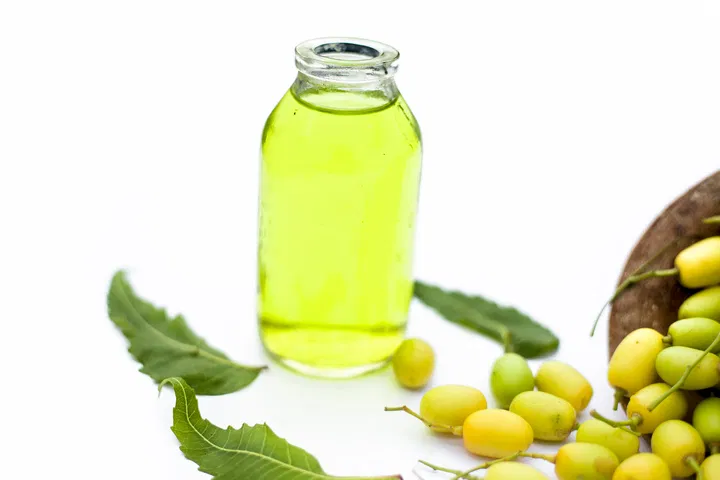
Neem oil is a natural, organic oil extracted from the seeds of the neem tree (Azadirachta indica), native to the Indian subcontinent. It has been used for centuries in traditional medicine and agriculture due to its wide range of beneficial properties. Neem oil contains at least 100 biologically active compounds, with azadirachtin being the most important. Azadirachtin acts as an insecticide, antifeedant, and growth disruptor, making it effective against various pests. (Interestingly, it has been suggested that "the content of azadirachtin in the seeds can be increased by artificial infection with arbuscular mycorrhiza." - Neem Oil & Crop Protection )
How Neem Oil Works
Neem oil works in several ways to protect plants from pests and diseases:
Insecticidal Action: Neem oil affects insects at various stages of their life cycle, including eggs, larvae, and adults. It disrupts the hormonal systems of insects, preventing them from maturing and reproducing. This is particularly effective against soft-bodied insects like aphids, whiteflies, spider mites, and mealybugs.
Antifeedant Properties: When neem oil is applied to plants, it makes the foliage unpalatable to pests. Insects are deterred from feeding on treated plants, reducing the damage they cause.
Fungal Control: Neem oil also has antifungal properties, making it effective against various plant diseases, including powdery mildew, rust, and black spot. It works by disrupting the cell membranes of fungi and preventing their spores from germinating.
Systemic Action: Some forms of neem oil, when absorbed by plants, can offer systemic protection. This means the active compounds circulate through the plant's vascular system, providing ongoing defence against pests.
Neem Oil in Integrated Pest Management (IPM)

Neem oil is an essential component of a well-rounded IPM strategy. It can be used alongside other biological controls to create a more effective and sustainable approach to pest management. For example:
Entomopathogenic Fungi: Combining neem oil with beneficial fungi like Beauveria bassiana or Metarhizium anisopliae enhances pest control. While neem oil weakens pests by disrupting their feeding and growth, the fungi infect and kill them, leading to a more thorough reduction in pest populations.
Beneficial Insects: Neem oil can be used with beneficial insects like ladybugs, predatory mites, and parasitic wasps. Since neem oil targets pests through its hormonal disruption rather than through direct toxicity, it is generally safe for beneficial insects when used correctly.
Insecticidal Soaps and Oils: Neem oil can be mixed with insecticidal soaps or horticultural oils for a broader spectrum of pest control. This combination can help target pests like scale insects and spider mites more effectively.
Application Timing and Best Practices

To get the most out of neem oil, it's crucial to apply it correctly by following best practices. First, apply neem oil during the early morning or late evening when temperatures are cooler and beneficial insects are less active, reducing the risk of harm to these helpful creatures and preventing the oil from burning the plants.
The frequency of application should be adjusted based on the severity of the pest problem, with applications every 7-14 days for infestations and a monthly treatment for prevention. Always dilute neem oil according to the manufacturer's instructions, typically using 1-2 tablespoons of neem oil per gallon of water, and consider adding 1/8 teaspoon of yucca root extract to help distribute the oil evenly.
Thorough coverage of the plant, including the undersides of leaves, is essential for effective pest control. Lastly, while neem oil is compatible with many other Integrated Pest Management (IPM) tools, it is wise to test any combinations on a small area first to ensure there is no phytotoxic reaction.
Considerations and Precautions
While neem oil is a versatile and effective tool, certain precautions should be observed to ensure optimal use and avoid potential issues.
First, avoid spraying neem oil during the flowering stage, especially with plants like cannabis. Neem oil can leave a residue on flowers, negatively impacting their taste and quality. While some claim that neem oil may cause cannabis hyperemesis, this has not been scientifically proven.
Neem oil should not be applied in extreme temperatures or direct sunlight, as this can lead to leaf burn. To avoid this, it’s best to apply neem oil during the cooler parts of the day, such as early morning or late evening. After application, it's advisable to wait a few hours before re-entering the treated area to allow the oil to dry, minimizing exposure risks. Though neem oil has low human toxicity, it can still cause skin or eye irritation upon contact.
Lastly, proper storage is crucial for maintaining neem oil's effectiveness. It should be stored in a cool, dark place, as exposure to light and heat can cause the oil to degrade quickly, reducing its potency.
Neem Products and Pest Examples
Neem oil products come in various formulations, each designed to address specific pest and disease management needs. Understanding the differences between these variations can help growers choose the most appropriate product for their specific situations.
Cold-Pressed Neem Oil: This is the purest form of neem oil, extracted directly from neem seeds using a cold-pressing method. It retains the highest concentration of active compounds, particularly azadirachtin and other beneficial limonoids. Cold-pressed neem oil is ideal for broad-spectrum pest control and can be used as a foliar spray or soil drench. Due to its natural and unrefined nature, it's often used in organic farming and gardening.
Hydrophobic Extract of Neem Oil: This formulation removes the azadirachtin component from neem oil, resulting in a product that primarily contains neem's fatty acids and other oil components. This version is often more refined and less potent than cold-pressed neem oil. Hydrophobic neem oil is typically used as a contact insecticide, providing a lower toxicity option for targeting soft-bodied insects. It's also less likely to cause phytotoxicity in sensitive plants, making it suitable for regular use.
Neem Oil Emulsions: These pre-mixed formulations combine neem oil with surfactants or emulsifiers to create a stable, water-soluble solution. This makes them easier to dilute and apply, especially for growers who need a ready-to-use product. Neem oil emulsions are convenient for foliar sprays, particularly when quick application is necessary. They are effective against a wide range of pests and can also be used to control fungal diseases.
Azadirachtin Extracts: These products focus on isolating azadirachtin, the primary insecticidal component of neem oil. Azadirachtin extracts are typically more potent and can be used in lower concentrations for targeted pest control. Azadirachtin extracts are adequate for severe pest infestations, offering a powerful, targeted approach. They are often used in greenhouse settings or by commercial growers who need a reliable and potent insecticidal solution.
Neem Oil Sprays with Added Botanicals: These are neem oil formulations enhanced with other plant-based extracts, such as pyrethrins or essential oils, to broaden the spectrum of pest control. These enhanced sprays help tackle multiple pests simultaneously, providing a more comprehensive treatment option.
Each of these neem oil formulations offers different strengths and applications, making choosing the right product based on your specific needs, pest pressures, and growing environment essential.
Some of the common pests neem oil effectively controls include:
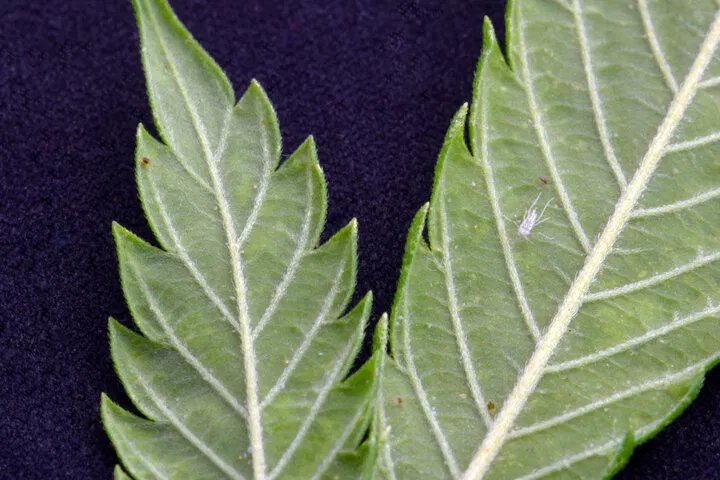
Aphids: Neem oil disrupts their reproduction and feeding, reducing infestations.
Spider Mites: Regular applications can help keep these tiny, destructive pests in check.
Whiteflies: Neem oil is particularly effective against whitefly nymphs, preventing them from maturing.
Mealybugs: The oil coats these pests, suffocating and disrupting their growth.
Thrips: Neem oil kills thrips by disrupting their life cycle, interfering with their feeding and reproduction, and suffocating them by coating their bodies.
Conclusion
Neem oil is a must-have in every grower's tool belt. Its broad-spectrum action against pests and diseases and its compatibility with other IPM tools make it an invaluable resource for maintaining healthy plants. By understanding how to use neem oil correctly—considering timing, application methods, and precautions—you can protect your crops while minimizing the impact on beneficial organisms and the environment. Whether dealing with aphids, spider mites, or fungal diseases, neem oil provides a natural and effective solution for growers cultivating thriving gardens.