


There's a particular kind of anticipation that arrives near the end of an autoflower grow. The feeling that comes when it's close to the moment all the hard work is about to pay off.
For weeks, the rhythm has been steady and familiar. Watering, checking, adjusting, and watching the strucure change from seedling to flowering plant. Then the big question comes to mind: is it ready yet?
For some cultivators, harvest timing can be the hardest part of the entire cycle. Autoflowering cannabis plants move quickly compared to many photoperiod cultivars, but they still mature in their own time. While one plant may finish exactly when expected, another may continue to develop for an extra week or two. This can happen despite growing under similar conditions.
That unpredictability is part of what makes cultivation so engaging. Experienced growers often find that the best harvests come from observing the plant closely rather than chasing an exact date on a calendar.
Learning when an autoflower is ready to harvest is really about learning how the plant communicates maturity. Usually, the signs become clearer with every cycle.
How Long Before An Autoflower Is Ready To Harvest?
Most autoflowers are ready to harvest somewhere between 8 and 14 weeks from seed, although there's plenty of variation within that range. Genetics play a major role in when an autoflower is ready. Compact indica-leaning autos often finish relatively quickly, while taller sativa-influenced cultivars can take longer to fully mature.
Environmental conditions matter, too. Light intensity, root space, temperature, nutrition, and any early stress can all influence development. This is why, when it comes to harvesting autoflowers, many experienced cultivators treat breeder timelines as guidance rather than guarantees.
Related Article: How To Grow Autoflowering Cannabis: Manage Rapid Growth Without Stress
A plant that appears almost finished may still be quietly changing day by day. Flowers continue to swell, and aromas deepen. In some cases, the final week can noticeably improve bud density, terpene expression, and the overall character of the buds.
Successful growers often speak about patience as one of the most valuable skills in cultivation, especially during late flowering. It's less about forcing the plant over the finish line and more about recognising when it's naturally reached the end of the cycle. The good thing is, the plant will usually tell the grower it's ready.
The Main Signs An Autoflower Is Ready To Harvest
There usually isn't one perfect signal that confirms an autoflower is ready to harvest, Instead, growers tend to look for several signs appearing together. As flowering naturally slows and the plant begins to shift its energy away from fresh growth, the overall picture becomes easy to read.
Trichomes Begin Turning Cloudy
Determing when is an autoflower ready to harvest often begins with the plant's trichomes. Using trichomes to determine potency and harvest time is a weapon every grower should have in their arsenal. This is often one of the clearest (or in this case, cloudiest) indications the plant is approaching peak ripeness.
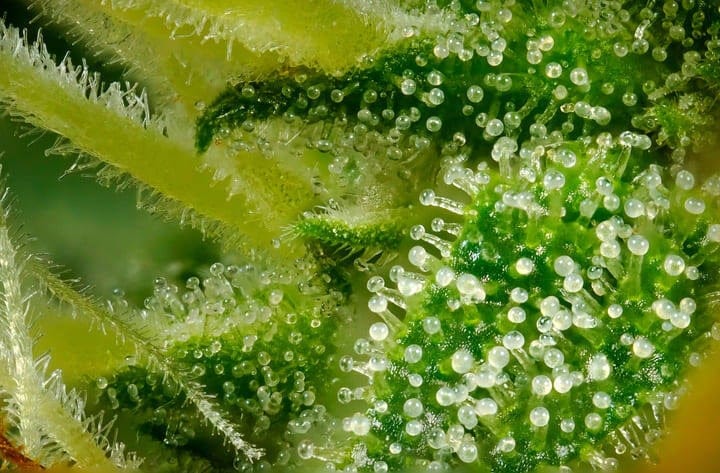
Trichomes - the tiny resin glands on the plant - begin clear in early flowering before gradually taking on a cloudy or milky appearance as the plant matures. Later still, some trichomes may begin to show an amber appearance as cannabinoids continue evolving over time.
In general:
- Clear trichomes often suggest the palnt is still immature
- Mostly cloudy trichomes are commonly associated with peak maturity
- Amber trichomes tend to indicate a later harvest window
Many growers prefer harvesting during the cloudy stage. At this point, there's often a smaller percentage of amber present, although personal preference and cultivar characteristics both infliuence timing. It's worth noting that whille the buds and surrounding sugar leaves both contain trichomes, those on the sugar leaves tend to mature faster. With this in mind, it's far more useful to examine the trichomes on the buds for a more accurate picture of when an autoflower is ready.
Growers can use a magnifying glass or a phone macro lens to check here. Under normal lighting, subtle changes in trichome colour can be surprisingly easy to misjudge. This is especially common during the final stretch when growers are checking the plant every few hours hoping for clear signs.
Pistils Begin Darkening And Receding
Pistils offer another maturity signal. During the earlier flowering stage, pistils are usually bright white and extended outward from the buds. But as the plant approaches harvest, pistils will usually begin to darken and curl back toward the flower.
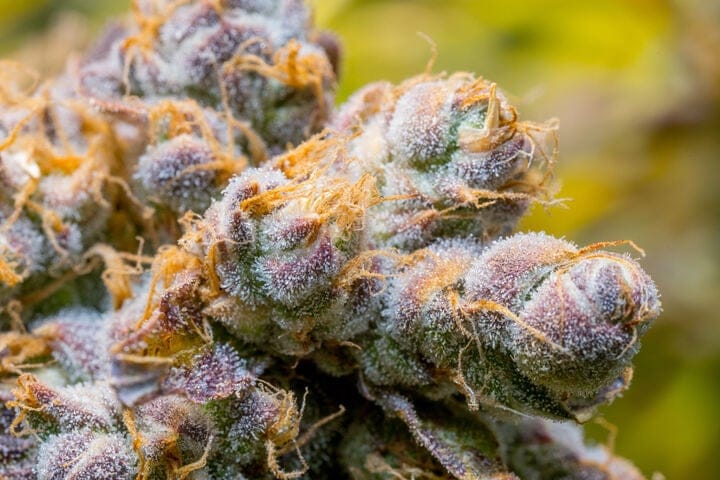
When most pistils have changed colour and receded, growers often take it as a sign that the plant is approaching maturity. However, experienced cultivators rarely rely on pistils alone. Some autoflowers continue producing fresh white hairs late into flowering, especially under intense lighting or warmer conditions. The plant usually tells its story more accurately when several indicators are showing at once.
Bud Development Slows And Flowers Begin Ripening
One of the more subtle parts of learning when an autoflower is ready to harvest is recognising the difference between active growth and ripening. Late in flower, many autoflowers stop producing significant fresh growth and begin focusing on finishing the existing flowers. At this stage of development, there are signs to look for:
- Buds may feel firmer
- Calyxes may swell outward
- Resin becomes more noticeable across plant surface
- The aroma may change or intensify
Growers frequently notice a point where the scent becomes deeper and more settled, losing some of the greener, fresher notes from earlier in flowering. Indoor growers in particular might find that entering the grow space suddenly carries a stonger sense of the cultivar's final character.
This stage can reward patience. Some plants may appear done, but in actuality can continue improving.
Fan Leaves Begin Fading Naturally
As an autoflower nears the end of its life cycle, the plant's large fan leaves often begin fading from green into lighter shades of yellow or purple, depending on genetics or environmental conditions.
A gradual late-flower fade is usually considered a natural part of the process. The plant then begins redirecting stored energy while flowering slows, and the older leaves commonly reflect those changes first.
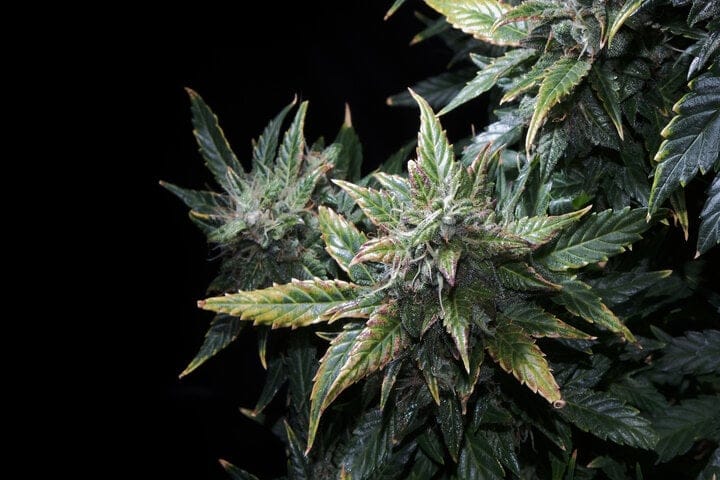
However, yellowing can also result from environmental stress or nutrient imbalance earlier in the cycle, which is why context is important. Experienced growers tend to look at the plant as a whole, rather than focusing too heavily on one isolated symptom.
When fading appears in unison with cloudy trichomes, mature pistils, and slowing flower development, it often points toward genuine maturity, indicating your autoflower is ready.
Does Harvest Timing Influence The Final Effect?
Many growers believe it can, at least to some degree. Harvesting slightly earlier, when trichomes are mostly cloudy, is often associated with a brighter or more uplifting effect. Allowing more amber trichomes to develop may create a heavier, more sedative effect in some cultivars. That said, genetics remain the strongest influence overall.
Experienced growers often look at harvest timing as a way of fine-tuning the expression of a cultivar rather than completely changing its character. And over time, growing the same genetics more than once can help growers develop a clearer sense of their own preferences. That process of observation is what makes cultivation so rewarding. No two cycles ever feel identical.
Signs An Autoflower May Not Be Ready To Harvest Yet
For new growers still uncertain when an autoflower is ready to harvest, there are usually a few signs that suggest the plant may benefit from some additional time.
Most Trichomes Still Appear Clear
Clear trichomes generally indicate ongoing development. If the resin across most buds still appears transparent instead of cloudy, the plant is likely still maturing.
Fresh White Pistils Continue Appearing
A small number of fresh pistil late in flowering is fairly common. But plants still producing larger amounts of bright white hairs across the buds are often still in active development rather than ripening fully.
Buds Still Feel Light Or Airy
Some cultivars naturaly produce looser flowers than others, particularly certain sativa-leaning autos or haze varieties, Many experienced growers notice that immature buds often feel slightly unfinished before the final swelling stage arrives. Wait for them to fatten up a little.
The Plant Is Still Drinking Heavily
Water intake sometimes slows slightly as autoflowers approach maturity. This isn't a perfect indicator on its own, but plants still consuming large amounts of water every day are often continuing active growth.
Aromas Still Feel Underdeveloped
In cannabis plants, terpene profiles frequently become richer and more defined as harvest draws close. If the aroma seems faint or incomplete, many growers prefer giving the plant a little more time before cutting.
Can Growers Harvest Autoflowers In Stages?
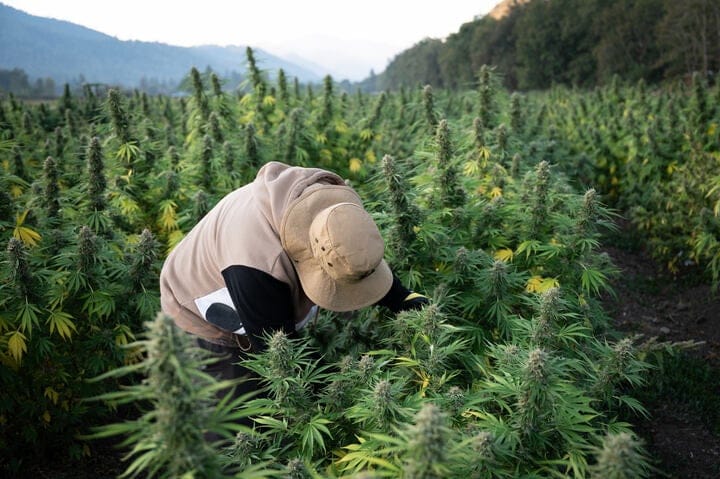
In photoperiod cannabis, some experienced growers opt to perform a two-step harvest, also known as a staggered harvest. This can also work well on larger autoflowers with uneven caopies.
Top buds often mature slightly faster because they receive stronger light exposure throughout flowering. Some growers choose to harvest those upper buds first, giving the lower buds a few exttra days to continue ripening.
It also slows the trimming process down into something a little more manageable, sreading out the labour. This can be especially helpful if working alone or after a long or more challenging growing cycle.
Related Article:Optimizing A Two-Step Harvest: Maximizing Yields From Top To Bottom
What Happens If An Autoflower Is Harvested Too Early?
Harvesting autoflowers early is fairly common, especially among inexperienced growers. Often, the plant appears close enough to finished that waiting longer feels unnecessary. But looking back after drying and curing, growers may realise the flowers probably had more potential left in them.
Immature harvests may produce lighter buds, less developed aromas, or a less rounded overall experience compared to fully ripened flowers. Fortunately, cultivation has a way of teaching patience over time. Many experienced growers can remember at least one plant they wish they had left standing for just another few days.
Harvesting Autoflowers: Putting It All Together
When is an autoflower ready to harvest? Usually when the plant begins showing several signs of maturity at once.
- Cloudy trichomes
- Dark and receding pistils
- Slower bud development
- Deeper aromas
The overall energy of the plant shifts away from producing fresh growth and toward finishing its life cycle naturally. That moment tends to become clearer with experience.
Many growers find that harvest timing becomes less stressful once cultivation shifts from chasing schedules toward simply spending time observing the plant itself. Schedules make for handy guidelines, but are seldom exact. What matters more is what the plant is telling you. Observation makes the process more patient, more intuitive, and more rewarding. And in many cases, the plant responds well to that patience.
