
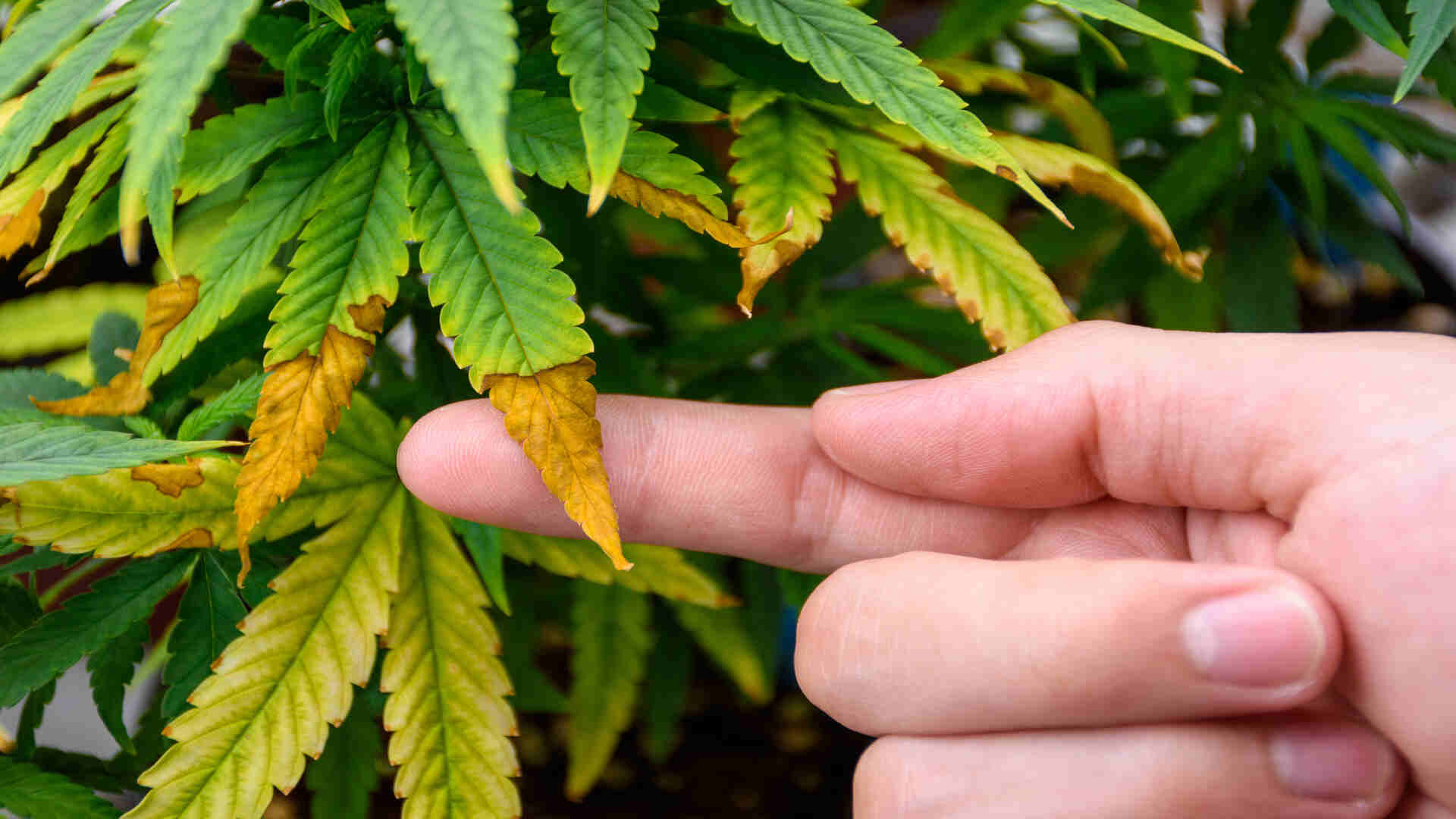

Can you tell the difference between a phosphorus deficiency in plants and a potassium deficiency in plants? As a cannabis grower, whether you’re cultivating for personal use or professional purposes, achieving the right balance of nutrients is crucial to your plants’ health and growth. Getting the nutrient levels right can be the difference between a flourishing garden and a struggling crop. Plants require several key nutrients in varying amounts, but among them, nitrogen (N), phosphorus (P), and potassium (K) - often referred to as “the big three” - play especially critical roles in the growth and devlopment of cannabis plants.

If your plants are showing signs of poor growth, discolored leaves, or reduced yields, it’s possible that one or more of these key nutrients is deficient. It’s essential to understand when these deficiencies might occur, how they affect cannabis plants, and the best ways to correct them. In this guide, we’ll take you on a guided tour of the symptoms of nitrogen, phosphorus, and potassium deficiencies. And because we’re committed to helping you grow the best cannabis, we’ll walk you through the most effective tratments to esnure your cannabis plants remain healthy, vigorous, and productive.
Nitrogen Deficiency in Plants
Why Cannabis Needs Nitrogen
Nitrogen is one of the most vital nutrients for cannabis plants. It’s a building block for amino acids, proteins, enzymes, and chlorophyll, all of which are necessary for healthy plant growth. Essentially, nitrogen is the engine that powers much of the plant’s metabolic processes and it plays a central role in photosynthesis, the process by which plants convert sunlight into energy.
When Is Nitrogen Most Necessary For Cannabis Plants?

Nitrogen is particularly important during the vegetative phase of cannabis cultivation. In this stage, the plant is focusing on growing stems, branches, and leaves. During this part of the growth cycle, a significant amount of new cell growth occurs, so cannabis plants need an ample supply of nitrogen to fuel that process. Nitrogen is especially useful for outdoor growers in the northern hemisphere, as it can help your plant resist early spring frosts. During the flowering phase, however, nitrogen needs decrease as the plant shifts its focus from vegetative growth to flower production.
Symptoms of Nitrogen Deficiency in Cannabis Plants
If your cannabis plant is deficient in nitrogen, you’ll typically notice several symptoms, and particularly in the older, lower leaves. The most common signs of of nitrogen deficiency include:
Yellowing of Lower Leaves: One of the earliest and most obvious symptoms is the yellowing of the lower leaves. This is because the plant starts tot move nitrogen from older growth to newer growth to maintain development.
Stunted Growth: Insufficient nitrogen can also result in a noticeable lack of new growth. Plants may appear shorter and develop fewer leaves and branches.
Chlorosis: The yellowing of the leaves is often accompanied by a general lack of chlorophyll – so instead of burgeoning with lush, green foliage, you end up with pale, weak foliage.
Leaf Curling: As the deficiency worsens, leaves may begin to curl or droop, signalling that the plant is struggling to maintain cellular function.

How To Correct Nitrogen Deficiency in Cannabis Plants
If you notice these symptoms, it’s vital to address the nitrogen deficiency quickly. Here’s how you correct it:
Adjust Fertilizer: Use a nitrogen-rich fertilizer, one with a higher ‘N’ value in the N-P-K ratio. Organic fertilizers such as blood meal or fish emulsion sound horrendous, but they’re excellent options as they provide a slow release of nitrogen/
Increase Nitrogen-Containing Organic Matter: Incorporating some compost or well-rotted manure into the soil can increase nitrogen availability over time.
Avoid Overfeeding Nitrogen During Flowering: While nitrogen is vital during vegetative growth, be cautious about overfeeding nitrogen during the flowering stage, as this can actually hinder flower development.
Be Mindful of How Your Water Your Weed:Overwatering can cause nitrogen to leach out of the soil. Make sure you provide a balanced watering schedule to maintain nutrient absorption.
Phosphorus Deficiency In Plants
Why Cannabis Needs Phosphorus
Phosphorus plays a key role in several important functions for cannabis plants. It’s crucial for energy transfer, cell division, and the developments of roots and flowers. Phosphorus is also involved in the formation of ATP – that's adenosine triphosphate, which is necessary for all major metabolic activities. Cannabis plants need to have ample phosphorus, especially during the flowering stage, when energy is directed toward bud production.
When Is Phosphorus Most Necessary For Cannabis Plants?
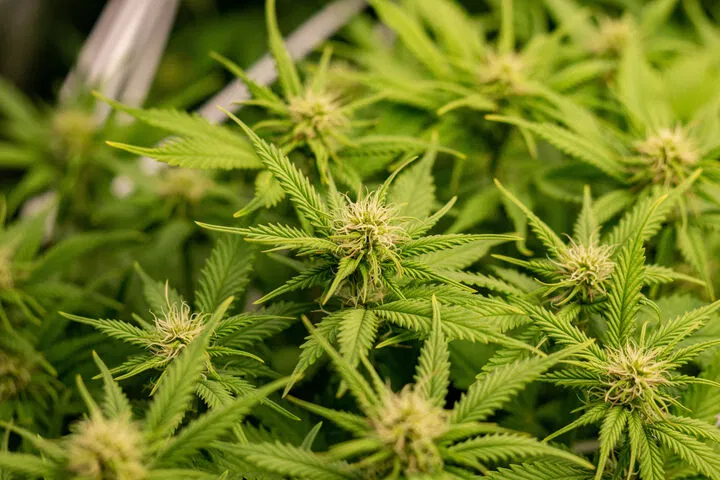
Phosphorus is most necessary once the plant shifts from vegetative growth into flowering, or reproductive growth. However, it’s also essential during the early stages of plant growth to develop a strong root system, which helps allow plants to take up nutes efficiently later in life.
Symptoms of Phosphorus Deficiency in Plants
A phosphorus deificency can present itself in several ways:
Dark Green Leaves With Red or Purple Stems: One of the hallmark signs of phosphorus deficiency in plants is a dark green coloration on the leaves. In severe cases of phosphorus deficiency, the stems and veins may take on a reddish or purple color, which is a clear indication of inadequate phosphorus uptake.
Stunted Growth and Delayed Flowering: Plants with a phosphorus deficency show slower growth, and flowering can be either delayed or less vigorous. Buds may appear smaller and less dense than usual, which is no bueno for any grower.
Curling and Necrosis of Lower Leaves: Phosphorus deficiency in plants can display through leaf curling in the older, lower leaves, and in extreme cases of phosphorus deficiency, they may even exhibit necrosis (dead tisse), especially around the tips and edges.

Solutions For Phosphorus Deficiency in Cannabis Plants
To address a phosphorus deficiency, take the following steps:
Introduce Phosphorus-Rich Fertilizer: Choose a fertilizer with a higher phosphorus content, such as a bloom booster with a higher middle number in the N-P-K ratio. Bone meal is also an excellent organic source of phosphorus.
Check Your pH: Phosphorus is most available to plants in slightly acidic soils, where the pH is maybe between 6.0 and 7.0. If your soil pH is too high or too low, this can create a phosphorus deficiency as phosphorus becomes unavailable to the plant. Time to grab your pH monitor, and adjust accordingly.
Avoid Overwatering: Much like nitrogen deficiency, overwatering your cannabis plants can cause havoc for phosphorus uptake. In fact, in can lead to root suffocation, reducing the plant’s ability to take up phosphorus. Make sure your growing medium drains well, and allow it to dry out between waterings.
Use Soil Amendments: For soil-based grows, adding rock phosphate or bat guano can provide a long-lasting source of phosphorus.
Potassium Deficiency in Plants
Why Cannabis Needs Potassium
Potassium is vital for regulating various phsyiological processes in cannabis plants. It plays a central role in in photosynthesis, enzyme activation, and the production of starches and sugars. Potassium is also essential for water regulation and helps plants resist diseases and stress. During the flowering phase, potassium is particularly crucial because it helps strengthen the stems, improves bud quality, and increases the plant’s overall resilience. You’ll want to correct a potassium deficiency quickly.
When Is Potassium Most Necessary For Cannabis Plants?

Potassium is crucial throughout the plant’s life, but it becomes especially important during the flowering stage. It supports both the production and development of your buds, and aids the plant’s ability to handle stressors such as temperature fluctations and some diseases.
Symptoms of Potassium Deficiency
Potassium deficiency can manifest in a number of ways, but like all deficiencies, there are visible clues to denote potassium deficiency in plants. Signs of potassium deficiency are as follows:
Yellowing At The Leaf Edges: The most common symptom of potassium defiency in plants is a yellowing that often begins at the leaf tips and edges, often progressing inward along the leaf veins.
Brown or Black Spots: Potassium deficiency in plants can show via additional symptoms as the deficiency worsens. You may notice brown or black spots on the leaves, which can lead to further tissue death, especially at the edges.
Weak, Brittle Stems: A potassium deficiency can weaken the plant’s structural integrity, resulting in brittle stems that may struggle to support the weight of the buds.
Reduced Bud Quality: Potassium deficiency in plants can lead to buds that are smaller, lighter, and less potent. You’ll want to act fast on a potassium deficency to ensure that bumper harvest you've been dreaming of.

Solutions For Potassium Deficiency In Plants
Troubling though these symptoms are, there's a series of controls you can implement to turn things around. To correct a potassium deficiency, follow these guidelines:
Use Potassium-Rich Fertilizers: Use fertilizers with a higher potassium number (remember, that’s denoted as the K in N-P-K). Potassium sulfate and wood ash are excellent sources of potassium.
Ensure Proper Drainage: Similar to phosphorus deficiency in plants, waterlogged soil can hinder a plant’s potassium uptake. Make sure everything is draining properly to allow the roots to access nutrients effectively.
Avoid Overuse of Nitrogen: This is where balancing nutrients becomes tricky, but also crucial. Excessive nitrogen can inhabit potassium uptake, so it could be that you have potassium deficient plants as a result of too much nitrogen in the mix! Monitor your nutrient mix and be certain you’re not overfeeding with nitrogen and the expense of potassium, especially in flowering.
Use Organic Amendments: Compost and kelp meal are fantastic organic sources of potassium, helping improve that all-important nutrient balance over time.
Understanding Nutrient Deficiencies: Key Takeaways
Succesfully growing great cannabis takes more than just the right lighting and watering schedules. Nutrients, especially the big three – NPK – are the lifeblood of a thriving crop, so addressing deficiencies in the these three critical elements can be the key to growing healthy plants with strong roots and juicy buds. Knowing what to look for and acting fast are imperative to see off nutrient deficiencies.
Understanding the signs of nutrient defiencies and knowing how to correct them ensures you’re providing everything your plants need at the right time. Learning to read your leaves is important, as that’s how plants like to communicate problems.
Nitrogen deficiency in plants will show different symptoms than phosphorus deficiency, and potassium deficient plants show symptoms unique to their condition. Learning which symptoms indicate which deficiency means a much shorter route to providing correct treatment, saving you time, energy, frustration, and most of all, saving your crop. Remember, nutrient deficiencies aren’t the end of world – they're simplty an opportunity to fine-tune your growing practices and ensure your cannabis plants thrive. Happy growing!