
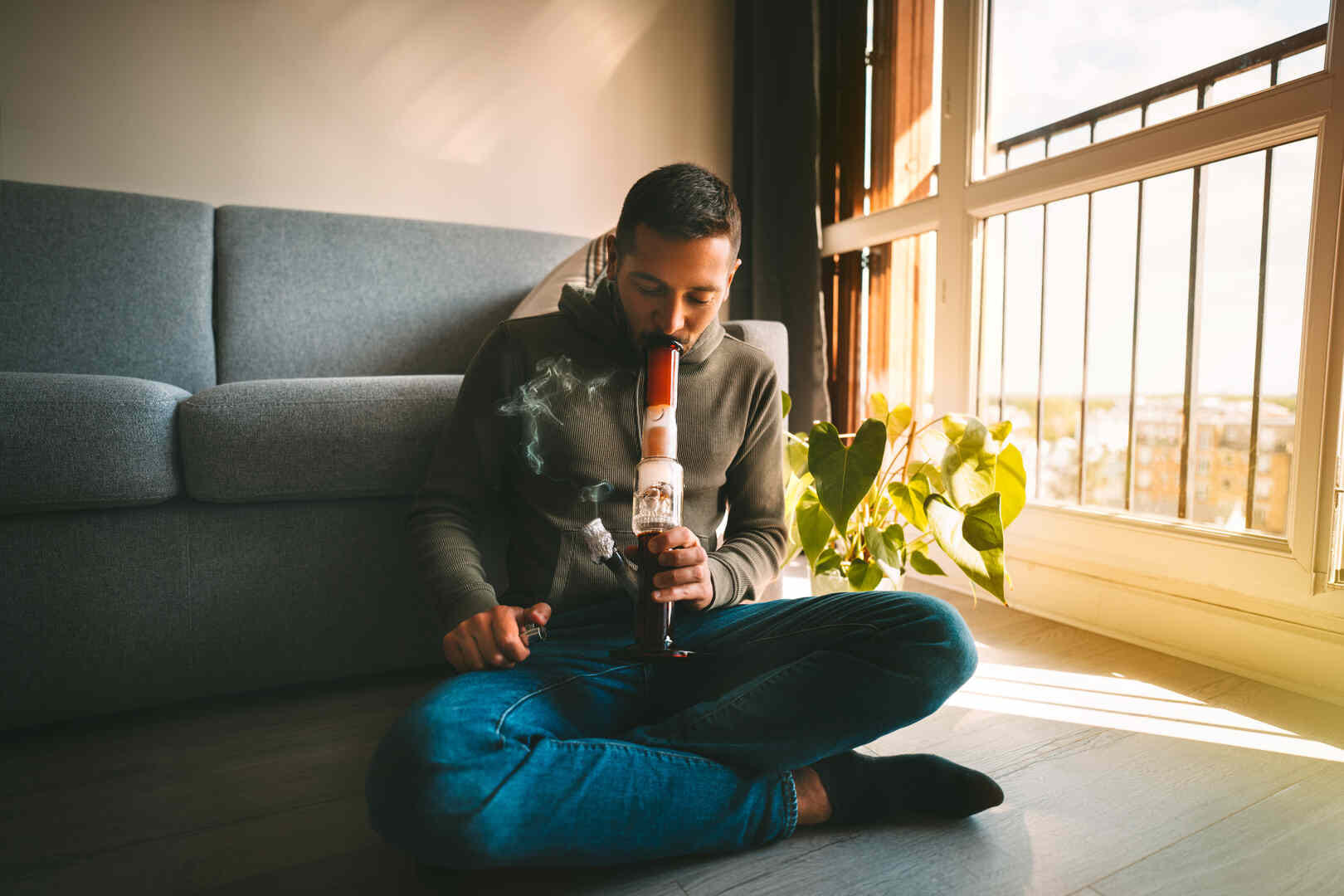

Ever found yourself stapled to the couch, and thought “I’m so stoned?” Or perhaps you’ve experienced a burst of energy, creativity flowing, ideas and wisecracks seem endless, and thought, “Wow, I’m really high!” While these terms are often used interchangeably, they describe distinctly different experiences when it comes to cannabis use.
Understanding the difference between being stoned and being high isn’t just semantics – it’s essential for tailoring your cannabis experience, ensuring safety, and maximizing enjoyment. It's also important to be aware of the potential dangers associated with cannabis use for reasons of health, wellbeing, and safety.
Decoding the Terminology: High vs. Stoned
What Does It Mean to be High?

Being “high” typically refers to the initial euphoric and cerebral effects of cannabis. If you think about the archetypal high character in film or TV, they're usually somewhat energized, talkative and full of fun. This state is characterized by specific markers, including:
- Uplifted mood and euphoria
- Enhanced sensory perception
- Increased creativity and sociability
- Heightened focus and energy
These effects are primarily attributed to tetrahydrocannabinol (THC), the main psychoactive compound in the cannabis plant. THC binds to cannabinoid receptors in the brain, particularly in areas responsible for pleasure, memory, thinking, and coordination, and is responsible for producing the marijuana high.
What Does It Mean to be Stoned?

On the flip side, being “stoned” describes the later, more sedative effects of cannabis, often marked by changes in feelings or behavior such as:
- Physical relaxation and a feeling of heaviness
- Drowsiness or lethargy
- Reduced motivation and co-ordination
- Increased appetite (hello, munchies!)
Again, picture the archetypal stoner; a bit slower in movement and thought - maybe even a page behind on the conversation, and kinda zoned out. These effects are also linked to THC, but can come depending on various factors such as the type of strain, THC content, individual tolerance levels and more.
Being stoned can also cause trouble with coordination, motivation, or performing daily tasks. In addition, being stoned may become unpleasant for some cannabis users - especially newcomers.
Terpenes: Do They Get You High?
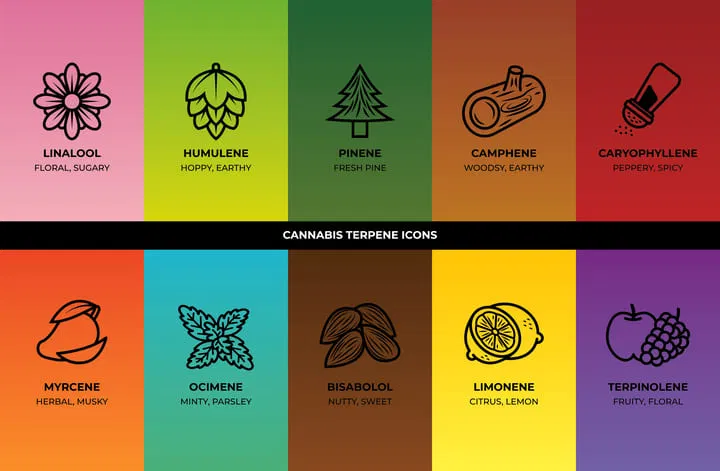
Terpenes are aromatic compounds found in cannabis and other plants that contribute to scent and flavor. In cannabis, they play a role in modulating the effects of cannabinoids – a phenomenon known as the entourage effect. For instance:
Limonene is uplifting and mood-enhancing
Myrcene is more sedative and muscle-relaxing
Pinene aids with alertness and memory retention
There are way more terpenes to be found in the cannabis realm than these three alone, but each has its unique influence on the effects you feel from the particular strain of cannabis you use. They don't get you high exclusively, but they work in synergy with other aspects of the plant to contribute.
Recognizing Additional Signs of Being High or Stoned
Spotting the signs of being high or stoned goes beyond just noticing someone is a little more relaxed or chatty than usual. Recognizing these additional signs is crucial, especially when it comes to identifying marijuana addiction or potential drug abuse. Behavioral changes such as increased talkativeness, sudden mood swings, or lowered inhibitions can be clear indicators of marijuana use. Physically, you might notice classic symptoms like red eyes, dry mouth, or an increased heart rate—these are telltale signs that someone may be under the influence.
Factors Influencing Your Experience
Method of Consumption
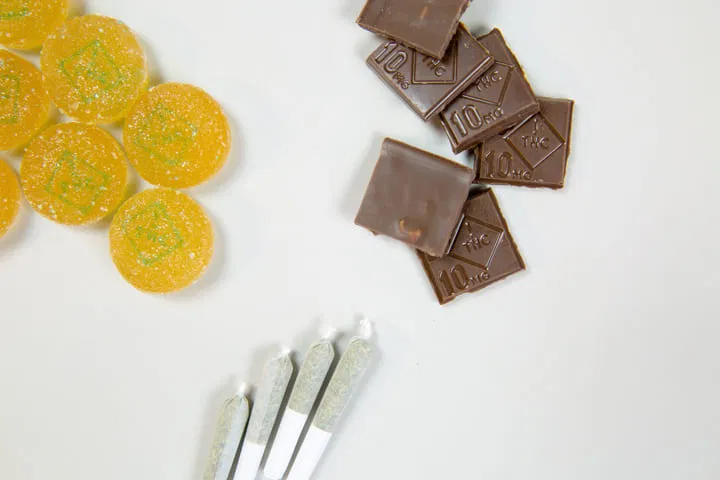
How you consume cannabis affects everything from the onset time to intensity and duration of effects you feel. For example:
Smoking or Vaping cannabis comes with a fairly rapid onset of effects, which can take mere minutes to kick in. Cannabis can be smoked using various methods, including joints, blunts, pipes, or a bong—a common device for inhaling marijuana smoke. When cannabis is smoked, THC enters the bloodstream quickly, producing immediate effects. This process is similar to smoking traditional tobacco cigarettes, though cannabis joints and blunts differ in content and sometimes in health impact. However, both cigarettes and smoked cannabis can affect the lungs and oral health. This method of consumption tends to mean shorter duration of effects – although at an estimated 2-3 hours, it’s hardly ‘short’.
Edibles, on the other hand, take much longer to display effects, from 30 minutes to as much as 2 hours depending on dose and tolerance. However, the effects of cannabis edibles can be extremely powerful once they do take hold, and last significantly longer – anywhere from 4-8 hours – or more!
Edibles are more likely to lead to a stoned feeling due to the way THC is metabolized in the liver, producing 11-hydroxy-THC, a compound that crosses the blood-brain barrier more efficiently.
Further Reading:How Long Does A High Last? Durations Explained
Dosage and Tolerance
Higher doses of THC can overwhelm the endocannabinoid system, leading to more pronounced sedative effects. Additionally, individual tolerance levels play a significant role; regular users may require higher doses to achieve the same effects, potentially increasing the likelihood of ending up ‘stoned’.
Individual Physiology and Setting
Personal factors such as body weight, metabolism, and mood, as well as environmental factors like setting and company, can influence the cannabis experience. A comfortable environment and positive mindset arre more conducive to a pleasant ‘high’, while stress or discomfort may lead to a more sedative experience.
Short-Term and Long-Term Implications
Understanding how marijuana use can affect you in both the short and long term is essential for making informed decisions about cannabis products. Research suggests that marijuana interacts with the brain’s endocannabinoid system, leading to a range of effects—some enjoyable, others potentially harmful.
The risks and consequences of cannabis use extend far beyond the immediate effects of feeling high or stoned. Marijuana use can impair cognitive function, making it harder to remember things or stay motivated.
Why Understanding the Difference Matters
Tailoring Your Experience
Knowing the distinction allows users to select strains and consumption methods that align with their desired outcomes – be it socializing, creative endeavors, or relaxation.
Safety and Functionality
Understanding your state can help you make informed decisions, such as avoiding driving (never drive under the influence of cannabis – or any intoxicating substance – please) or operating machinery when feeling stoned, as motor coordination and reaction times are impaired. If you feel overwhelmed, having a sober friend present can help ensure your safety and provide support.
Medical Marijuana Applications
For medical users, distinguishing between high and stoned effects is crucial. For instance, patients seeking relief from anxiety may prefer strains that promote relaxation without significant psychoactive effects. Medical marijuana is also sometimes used to help manage symptoms such as nausea.
Quick Tips: What to do if You’re Too Stoned
Recognizing the signs that you are too stoned is important for your safety and well-being. Signs may include physical changes like red eyes or impaired coordination, as well as behavioral changes such as confusion or mood shifts.
- Stay calm and hydrated. Drink water and remind yourself that the effects are temporary.
- Find a comfortable space. Lie down in a quiet, safe environment.
- Use CBD. Consuming CBD may counteract some of THC’s psychoactive effects.
If you notice symptoms such as anxiety, confusion, or paranoia after drug use, these may be indicators that you have consumed too much. If drug use leads to overwhelming symptoms, it may be helpful to seek support or take a break.
Further Reading:How To Get Unhigh
3 Great Low THC Strains on Seedsman
If all this sounds too much for you and you want a lighter cannabis experience, there are plenty of strains out there that will make for a pleasant time without any of the more intense experiences. If ending up stoned is not for you, consider cannabis strains lower in THC, higher in CBD, or containing a balanced profile.
Seedsman Peyote Wi-Fi CBD 2:1

For a much less intense, but still pleasant, cannabis experience, Seedsman Peyote Wi-Fi 2:1 contains twice as much CBD as THC. This means you get all the therapeutic benefits without heavy psychoactivity. Peyote Wi-Fi CBD 2:1 is a high-yielding balanced hybrid that grows comfortably in a variety of climates. With a flowering time of 8-10 weeks, this stunning plant has the capacity to bring blissful, uplifting effects without getting you stoned.
Buy Seedsman Peyote WI-Fi CBD 2:1 Feminized Seeds



Seedsman Purple Kush CBD 1:1 Auto

If an uplifting, fruity strain that finishes fast sounds like your ideal strain, Purple Kush CBD 1:1 Auto is the answer. With a seed to harvest time of just 8-10 weeks - the time many photoperiod strains spend in flowering alone - you can get your hands on some wonderful, uplifting yet relaxing cannabis, without the overwhelming effects.
Buy Seedsman Purple Kush CBD 1:1 Auto Feminized Seeds


Seedsman Cream & Cheese CBD 1:1
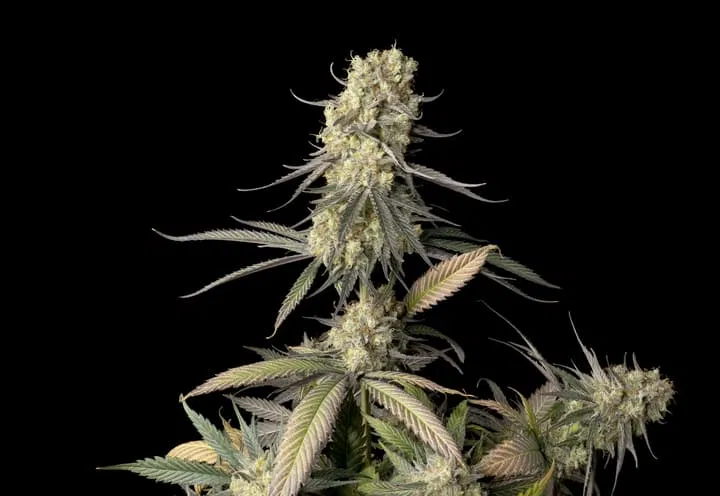
Cheese strains are typically known for two things: pungency and potency. If you're a lover of the sensational flavors of cheese cannabis but find the stoned feeling too much to handle, Cream and Cheese CBD 1:1 is manna from heaven. Not only does it retain the flavor while cutting the psychoactive part way down, this sensational strain is also a delight to grow. High yields, an 8-10 week flowering time, and downright blissful effects make this the ideal strain for weed connoisseurs looking to avoid the stoned feeling.
Buy Seedsman Cream and Cheese CBD 1:1 Feminized Seeds


Conclusion: Stoned vs High
Understanding the nuances between being high and being stoned empowers users to make informed decisions, enhancing their cannabis experience while minimizing potential downsides. Weed can produce both high and stoned effects by interacting with the brain's cannabinoid receptors, leading to a range of physical, psychological, and behavioral changes. Recognizing this distinction is important for choosing the right consumption methods, dosages, and strains to achieve your desired outcome, whether you’re seeking a burst of creativity or a relaxing evening, and is key to having a safe and pleasant experience.