
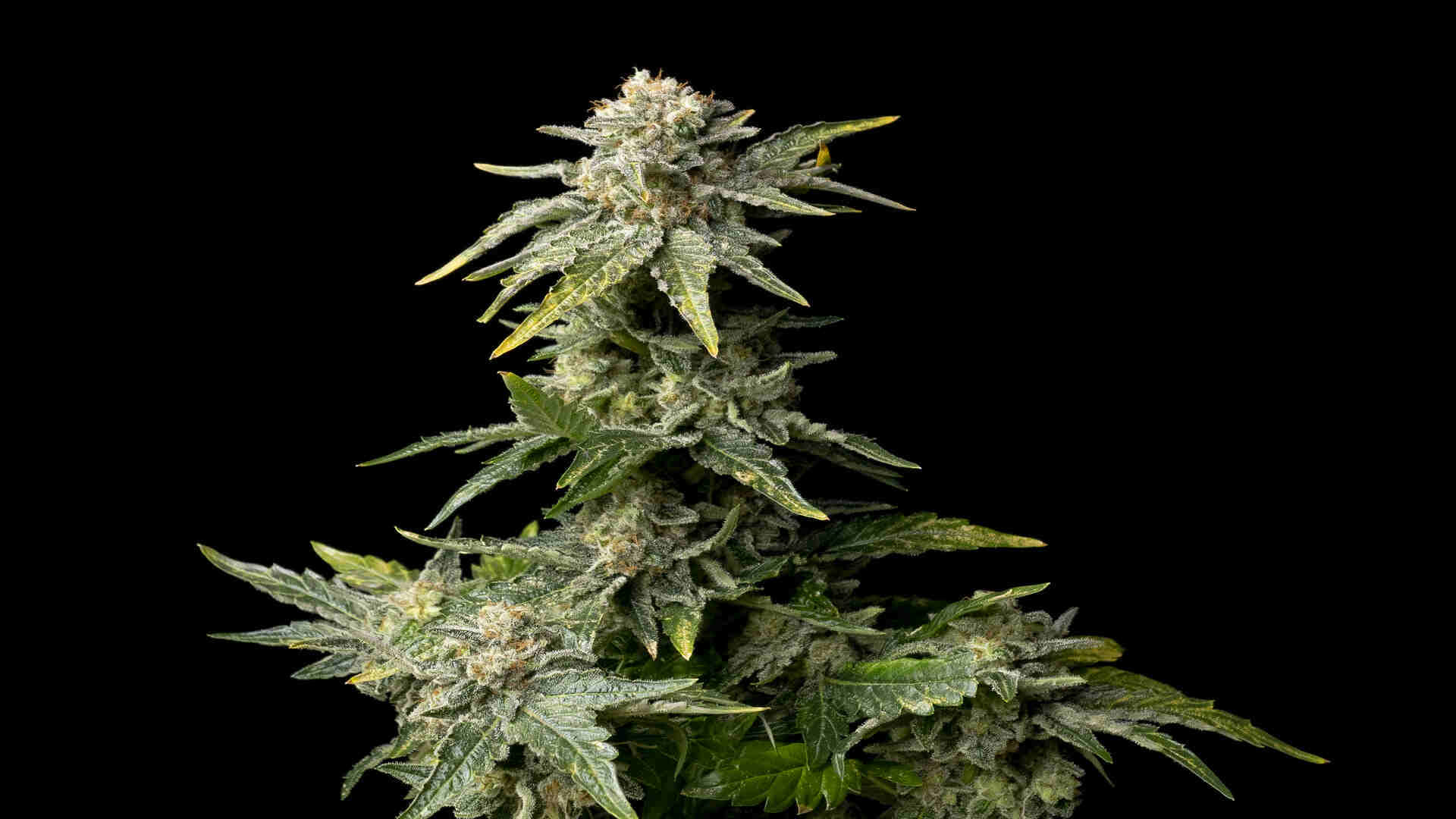

The flowering stage is an exciting time for any cannabis grower. By now, your marijuana plants have developed strong structures and are starting to produce the buds you’ve been waiting for. However, just because you’re in the home stretch doesn’t mean your work is done. The flowering stage can bring its own set of challenges, and failing to address them can lead to affected plants, reducing yield, potency, or even ruining your entire harvest. In this article, we’ll go over some of the most common problems that marijuana plants face during flowering and offer troubleshooting solutions to keep your crop thriving.
Common Problems in The Flowering Stage
Bud Rot (Botryitis Cinerea)

Among the things you don’t want to find on your marijuana plants is the dreaded Bud Rot. This nasty pathogen, also known as grey mold, is a common blight of many a crop, from soft fruits and vegetables to shrubs – and your cherished marijuana plants. It spreads fast, and if you don’t counter swiftly, it will cause chaos in your grow.
Signs and Symptoms of Infected Buds:
- Grayish-white mold appearing on buds
- Buds turning brown and becoming mushy
- Affected areas spreading quickly, especially in humid conditions
Why It’s a Problem
Bud rot is a fungal disease that can devastate a marijuana plant. It starts inside dense buds, making it hard to detect until significant damage has already been done. Once infected buds are present, the disease can spread spores to nearby buds, easily putting your entire harvest at risk.
Solutions:
Control Humidity and Airflow: Keep humidity levels between 40-50% and ensure proper air circulation via plant training (defoliation) or use fans if possible.
Defoliate Strategically: Remove excess leaves to improve airflow around buds

Inspect and Remove Affected Areas: If you spy bud rot, remove the affected buds immediately with sterilized scissors to prevent spread. Clean any equipment used before and after use.
Use Preventative Sprays: Organic fungcicides like neem oil or hydrogen peroxide solutions can help prevent outbreaks but should be applied early in flowering to avoid affecting bud taste.
Nutrient Burn or Deficiency in Cannabis Plants
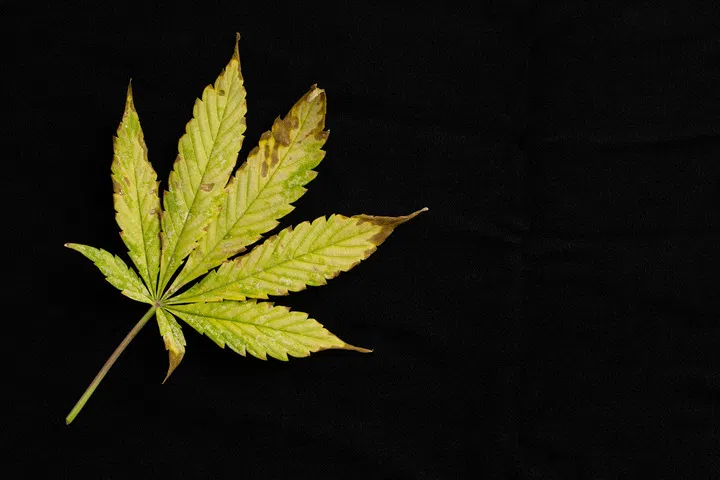
Nutrient issues are pretty common – if you follow Seedsman on social media, you’ll regularly see images of plants suffering from nutrient problems submitted by anxious growers. If you catch a nute defieciency early enough, remedy is usually fairly straightforward, but learning how to read your leaves is crucial.
Signs and Symptoms:
- Yellowing or browning leaf tips (nutrient burn)
- Yellowing lower leaves, purpling stems (nutrient deficiency)
- Slow or stunted bud development
Why It’s a Problem:
During flowering, marijuana plants require different nutrient ratios than when in veg. Too many nutrients (especially nitrogen) can burn plants, while too few essential nutrients like phosphorus and potassium can hinder bud formation. Maintaining the right nutrient balance is crucial for ensuring healthy plants and optimal bud formation.
Solutions:
Adjust Feeding Schedule: Reduce nitrogen and increase phosphorus and potassium in the bloom phase.
Flush if Necessary: If nutrient burn occurs, flush (leach) the soil with pH-balanced water to remove excess nutrients

Monitor pH Levels: Ensure pH stays in the optimal range (6.0-6.5 for soil, 5.5-6.0 for hydroponics) to prevent nutrient lockout.
Light Stress (Burn or Light Leaks)

Perhaps more common in indoor growing, light-related issues can cause damage to your plants. Some say outdoor plants can’t get light stress, but this is not true. Keep an eye on your leaves and know the symptoms, then take the appropriate steps.
Signs and Symptoms:
- Bleached, crispy buds (light burn)
- Small, underdevelop buds
- Hermaphroditism (pollen sacs forming on female plants)
Why it’s a problem for Flower Production:
Too much intense light can damage buds, while light leaks during the dark cycle can stress marijuana plants and cause them to revert to vegetative growth, turn hermaphroditic, or lead to sparse flowering.
Solutions:
Adjust Light Distance: If growing indoors, keep grow lights at least 12-18 inches away from the canopy.
Check For Light Leaks: If growing indoors, ensue your tent or room is completely dark during the dark cycle. If growing outdoors, ensure there are no artificial lights (street lights or security lighting) causing problems.

Use Proper Light Schedule: Maintain a strict 12/12 light/dark schedule to avoid stress.
Pest Infestations (Spider Mites, Aphids, and Thrips – oh my!)

There are few things that strike fear into the heart of a grower quite like finding an infestation of pests chomping on their marijuana plants. These horrid critters can put paid to a grow really quickly, so it’s best to always have an integrated pest management plant (IPM) in place when you begin.
Signs and Symptoms:
- Fine webbing on leaves (Spider Mites)
- Small, white or yellow specks on leaves (Thrips)
- Clusters of tiny insects under leaves (Aphids)
Why It’s a Problem:
Pests feed on plant sap, weakening the marijuana plant and reducing bud quality. They can also spread diseases, making them a major threat during flowering. Managing pests is crucial for disease control and maintaining plant health during this critical stage.
Solutions:
Introduce beneficial insects: Unleash an army of plant defenders like ladybugs or predatory mites to help control populations naturally. These predatory bugs are harmless to your plants, but lethal to the harmful pests.

Use Neem Oil & Insecticidal Soap: Apply during early flowering if infestations airse, but avoid heavy spraying on buds.
Increase Airflow & Sanitation: Keeping the grow area clean and ensuring good air circulation can deter pests.
Heat & Humidity Issues:

Controlling heat and humidity is vital to plant health. This is a challenge in South Africa, where things can get viciously hot during the summer months, but there are ways to keep on top of things to prevent damage to marijuana plants.
Signs and Symptoms:
- Curling, dry, or crispy leaves (heat stress)
- Excessive moisture on buds (high humidity, which leads to mold)
Why It’s a Problem for Plant Health:
High temperatures can stress the cannabis plant, slowing growth and reducing terpene production. Meanwhile, excessive humidity increases the risk of mold and mildew.
Solutions:
Proper watering: This is vital to helping marijuana plants avoid heat stress. Water early in the morning to prevent evaporation in the midday heat and prevent leaf burn when water droplets can act as magnifying lenses when the sun is at its hottest.

Mulching: Apply a layer of organic mulch around the base of the plants to conserve moisture and keep soil temperatures low.
Use Shade Cloth: Choose material with a 30-50% shade percentage to protect your marijuana plants without hindering photosynthesis. Make sure to leave space between the cloth and plants to allow adequate airflow. Proper environmental control is essential for successful cannabis use and cultivation.
Poor Flowering in Cannabis Plants
Poor flowering in marijuana plants can be a real headache for growers, especially when you’ve invested so much time and effort into nurturing your crop. Several factors can contribute to this issue, and understanding them is the first step toward finding a solution.
One common cause is a lack of water. Cannabis plants need consistent moisture, especially during the flowering stage. Ensure your watering schedule is regular and that the soil remains adequately moist but not waterlogged. Young plants might also struggle to flower properly if they haven’t reached maturity. Patience is key; give them time to develop fully before expecting robust flower production.
Rare species or strains of cannabis might have unique flowering requirements that differ from more common varieties. Researching the specific needs of your strain can provide insights into optimizing their flowering conditions. Incorrect feeding is another culprit. Overfeeding or underfeeding can lead to nutrient imbalances, which can stunt flower development. Adjust your nutrient regimen to match the flowering stage, focusing on phosphorus and potassium.
Too much shade can also hinder flowering. Cannabis plants thrive in ample light, so ensure they receive at least 12 hours of light daily. Dead flower buds, chlorotic leaves, and leaf tip burn are signs of underlying issues such as nutrient deficiencies or environmental stress. Regularly inspect your plants and address these symptoms promptly to encourage healthy flowering.
By identifying and addressing these factors, you can improve the flowering performance of your cannabis plants and enjoy a more successful harvest.
Prevention and Control
Preventing and controlling diseases and pests in cannabis plants is crucial for maintaining healthy growth and maximizing flower production. A proactive approach can save you a lot of trouble down the line.
Strategies for Prevention
Prevention is always better than cure. Here are some effective strategies to keep diseases and pests at bay:
Use Resistant Varieties: Opt for cannabis strains known for their resistance to common pests and diseases. This can significantly reduce the likelihood of infestations and infections.
Keep the Growing Area Clean and Well-Ventilated: A clean environment with good airflow discourages the growth of mold and the presence of pests. Regularly clean your grow space and ensure proper ventilation.
Avoid Overwatering: Overwatering can lead to root rot and other moisture-related issues. Water your plants only when the top inch of soil is dry.
Use a Balanced Fertilizer: Providing your plants with a balanced nutrient mix helps them stay healthy and resilient against diseases.
Monitor the Plants Regularly: Regular inspections allow you to catch any signs of disease or pests early, making it easier to address them before they become severe.
Effective Control Measures
If diseases or pests do occur, there are several effective control measures you can take:
Remove Infected Buds or Leaves: Promptly removing affected parts of the plant can prevent the spread of disease.
Use Fungicides or Pesticides Specifically Designed for Cannabis Plants: These products are formulated to be safe and effective for cannabis, helping to control outbreaks without harming your plants.
Improve Air Circulation and Ventilation: Enhancing airflow can help reduce humidity and prevent mold growth.
Increase the Temperature and Humidity: Adjusting these environmental factors can make conditions less favorable for pests and diseases.
Use Biological Control Methods: Introducing beneficial insects, such as ladybugs or predatory mites, can help control pest populations naturally.
By following these strategies and control measures, you can effectively prevent and manage diseases and pests in your cannabis plants, promoting healthy growth and robust flower production.
Conclusion
Successfully bringing a marijuana plant to harvest requires careful attention to detail and a little bit of cunning, even during flowering. By recognizing the signs of common issues like bud rot, nutrient imbalances, light and heat stress, or pest infestations, you can take proactive steps to correct them quickly before they put paid to your yield.
Growing marijuana plants is a learning experience, and troubleshooting problems as they arise is a part of every grower’s journey. Keep a close eye on your plants, fine-tuning your environment and adjusting care strategies as required. With the right approach, you’ll clear those pesky hurdles and make it to the finish line, where big beautiful harvests await.
Happy growing!