

REVIEWS.io
4.5 Based on 14,662 reviews
Seeds sold on the Seedsman.com website contain no more than 0.3% THC Delta-9. In the U.S., cultivating marijuana is a federal offense and also illegal in many U.S. states. In the U.S. states where marijuana is legal to grow, it may be illegal to import cannabis seeds. Read our full legal disclaimer here.
Offline mode

The Best Bugs or Insects for a Cannabis Grow

  • Mar 10th 2023
    7 mins read
Beginner Cultivation

No, it’s not a typo – there is such a thing as beneficial cannabis pests (the term pest is a little unfair here).

Pests are something we always try to warn against when growing cannabis. In fact, we regularly recommend choosing cannabis strains that offer good levels of pest resistance. But – and it’s a butt of Kardashian proportions – some pests are not only safe around your plants, but they should also be encouraged.

While it’s true that the mere sight of one insect on your crops can cause waves of panic, not all pests are created equal, and not all pests spell trouble for your grow. If you don’t know your spider mites from your predatory mites, this article is for you.

An Introduction to Beneficial Predators

An infestation of pests among your cannabis plants can spell disaster in a short space of time. It can be tricky (not to mention creepy) work going around your plants removing unwanted bugs before they can do damage to your crops, and this is where beneficial insects come in handy. Without them, they can run amok, and populations will snowball without natural predators to tame the numbers.

Introducing the right insects to your garden offers several benefits. The right ones can act as a mini-army, protecting against the unwanted invaders by targeting them with military precision and striking before the bad guys can damage, but the benefits don’t stop there. The right insects can actually create a more stable environment for your plants to thrive in. Better yet, they remove the need for pesticides, sprays, and the like, so your cannabis remains 100% organic and 100% safe.

Chemical pesticides are undesirable, but even organic pesticides can leave a residue on your weed, and that’s something we can all agree we’d rather avoid. Predatory insects deal with pests without the risk to plant health.

If you’re using companion plants in an outdoor setting, beneficial pests can help nurture those plants, which in turn can attract pests away from your cannabis and over to your companions, leaving your cannabis plants safer from attack.

Which Predators are Right for You?

Naturally, different climates will have different threats. A cultivator in northern Europe will have a diverse array of pests to deal with than someone in the United States or Mediterranean regions. To arm yourself with the best response, researching the specific insect threats native to your area is worth investigating.

Here’s a quick rundown of some of the beneficial predators you can use, as well as the types of garden pests they can help to control:

Ladybugs

Also known as ladybirds, these cute-looking red beauties with black spots are a powerful tool in the arsenal of a cannabis grower. An adult ladybug has a voracious appetite for other pests and will consume dozens of aphids per day, so it’s definitely worth introducing some ladybugs to your garden to help get the aphid population under control. They’ll also hunt down moths, mites, thrips, mealybugs and beetles, often laying their eggs amid colonies to later hatch near a huge food source.

The key to successfully using ladybugs in your garden is to introduce them to an environment that will tempt them to stay. By including the right companion plants around your garden, you’ll provide ladybugs with a reason to stick around.

Ladybugs like the following plants:

  • Chives
  • Marigold
  • Dill
  • Cilantro

Predatory Mites

While some mites can spell disaster for your plants, not all mites are created equal. Predatory mites will prey on spider mites (a universally-loathed invader among cannabis cultivators). These tiny beasts are a great line of defence should an outbreak of the latter occur. Introduce predatory mites at the infestation site and allow them a day or two to work their magic, but be aware that these creatures have a short lifespan, and a second application can often be required.

cannabis pests

Predatory mites are attracted to mint, so planting some mint companions in your garden can help encourage these highly beneficial insects to show up. One tip: Pot your mint plants rather than growing them in soil.

Green Lacewings

Aptly-named and easily identified, thanks to their appearance, green lacewings are a great line of defence for your cannabis plants. Even better, they’ll chomp their way through numerous common threats without damaging your plants themselves. Thrips, whitefly, aphids, spider mites, and leafhoppers are among the favourite snacks of the green lacewing. Like ladybugs, they’ll lay eggs amid colonies of pests to allow easy access to food for their emerging offspring. Green lacewings are a popular form of predatory pest control in other forms of agriculture.

cannabis pests

Green lacewing larvae are the most useful, but be sure to release them immediately as these hungry hunters will consume each other without prey. Introduce them well above the ground to keep them away from ants, who list green lacewing among their own prey.

Companion Plants to Naturally Attract Green Lacewings:

  • Dill
  • Fennel
  • Cilantro
  • Sunflower

Assassin Bugs

Another great pest control predator, and hands-down the one with the coolest name, assassin bugs, also happen to be perhaps the most brutal in their practices. These red and black troopers patrol your garden and finish off their prey by gripping them tightly and sucking out proteins before injecting them with a small amount of poison to accelerate their victims’ demise. Assassin bugs help manage a variety of pests, including caterpillars and various flies.

These companion plants work well for attracting assassin bugs:

  • Marigold
  • Fennel
  • Dill
  • Alfalfa

Rove Beetles

There seems to be to be something to this red and black uniform because there’s a definite pattern emerging here...

Rove beetles make great companions to other beneficial predators in your garden, working well to clear the soil area of a common bugbear of soil-growing cultivators – the fungus gnat.

cannabis pests

Rove beetles are useful if your soil mix includes wood, attracting more fungus gnats than wood-free soil mixes. If you’ve accidentally overwatered your soil, or you live in a rainy climate where the earth rarely gets the chance to dry, adding some rove beetles to the area will help quickly see off fungus gnats.

Praying Mantis

Quite possibly the cannabis grower’s equivalent of a Special Forces Operative. The praying mantis can be the top soldier in any outdoor cannabis grow. These highly-disciplined sentinels will root to a spot and wait patiently for hours without moving a muscle, waiting patiently until their prey comes to them.

cannabis pests

Praying mantis feast on caterpillars, aphids, and whitefly, and their lifespan is enough to provide year-round protection for your plants. Releasing a few of these throughout growing season will ensure your crop is well-patrolled and well-protected.

Companion plants to attract praying mantis include:

  • Basil
  • Rosemary
  • Lavender

How to Acquire Beneficial Predators for your Garden

As mentioned above, certain companion plants you can place alongside your cannabis will attract beneficial predators to your garden. However, it’s reassuring to know that you can purchase packs of these insects online or from pet shops and apply them directly at the source of any outbreaks on or around your cannabis plants. Make sure you read the instructions before following the instructions carefully. Some predators are best introduced to your garden before outbreak, and some are better introduced upon outbreak.

Beneficial Non-Predatory Insects

Not all beneficial insects engage in combat – some are useful in other ways, such as helping cleanse and fertilise the soil and strengthening biodiversity around the garden.

Earthworms

The humble earthworm is a good friend to cannabis growers, especially those who use soil as substrate. By aerating the soil, earthworms can improve water drainage and break down organic materials and helping produce nutrients which help fertilise the soil beneath your plants.

Pillbugs

Think of pillbugs as your clean-up crew and sanitisation team. These wee warriors with the segmented armour look like tiny armadillos and are known by various names colloquially, from roly-poly to woodlouse, but they can be of great benefit to cannabis growers.

cannabis pests

With a voracious, omnivorous appetite, pillbugs will munch their way through most things that cross their path. From dead plant matter and leaf litter to dead insects. They’ll also cheerfully chew their way through stink bug eggs on the leaves of plants, making them a great asset to your garden environment.

Pest Resistant Cannabis Strains

As helpful as the above critters are, the nature of pests is just that - they're pests. If you live in a region where 6, 8 and 12 leg creatures are common, perhaps it's best to grow a strain that's tough enough to handle them,

Northern Lights Auto

Northern Lights Auto was created by crossing Northern Lights with a ruderalis strain to add auto-flowering properties. It is a robust and resistant indica dominant hybrid producing high levels of THC (23%) and minimal CBD (.5%), with good yields. As with the vast majority of auto strains, it grows well in all growing environments. 

It starts to flower at week 8 or 9, meaning that two outdoor harvests per season is perfectly possible in all but higher latitudes. It has good resistance to mould, plant diseases and pests. Towards the end of its life a range of green, blue and purple shades will both surprise and delight growers.

The scent and taste are fruity and sweet with earthy pine and sweet ‘n’ sour plum jam coming to the fore. The effect is one of mental relaxation coupled with a strong body high.

Peyote Forum

Peyote Forum is an Indica-Sativa hybrid cross between the legendary taste sensation Forum Cookies, a phenotype of GSC (Girl Scout Cookies), and the highly potent Peyote Purple cannabis strains. This is a must-have strain for your collection which produces very high THC content. 

While yields aren't enormous they are certainly decent, and the sheer quality more than makes up for this fact. Flowering takes 65 days, give or take. This plant takes 8 - 9 weeks of flowering before it is ready to harvest, producing average yields of way-above-average weed. It's a hardy plant with strong thick stems, resistant to both mould and pests.

OG Kush Auto

A perfect strain for those looking to cultivate in a smaller space, OG Kush Auto is an indica dominant plant whose maximum height reaches a little over a metre tall.

This strain also offers an abundant harvest of thick buds, despite its short stature.

OG Kush has a veritable feast of aromas and flavours, ranging from the sour citrus of many Kush varieties to a distinct and unique peppery taste which will surprise and excite even the most knowledgeable cannabis connoisseur.

No, it’s not a typo – there is such a thing as beneficial cannabis pests (the term pest is a little unfair here).

Pests are something we always try to warn against when growing cannabis outdoors. In fact, we regularly recommend choosing cannabis strains that offer good levels of pest resistance. But – and it’s a butt of Kardashian proportions – some pests are not only safe around your plants. Some pests should even be encouraged.

While it’s true that the mere sight of one insect on your crops can cause waves of panic, not all pests are created equal, and not all pests spell trouble for your grow. If you don’t know your spider mites from your predatory mites, this article is for you. Be warned, though - if you get squeamish at the sight of creepy-crawlies, there are some close-up shots below that might give you nightmares!

An Introduction To Beneficial Predators

An infestation of pests among your cannabis plants can spell disaster in a short space of time. It can be tricky (not to mention creepy) work going around your plants removing unwanted bugs before they can do damage to your crops, and this is where beneficial insects come in handy. Without them, pests can run amok, and populations will snowball without natural predators to tame the numbers.
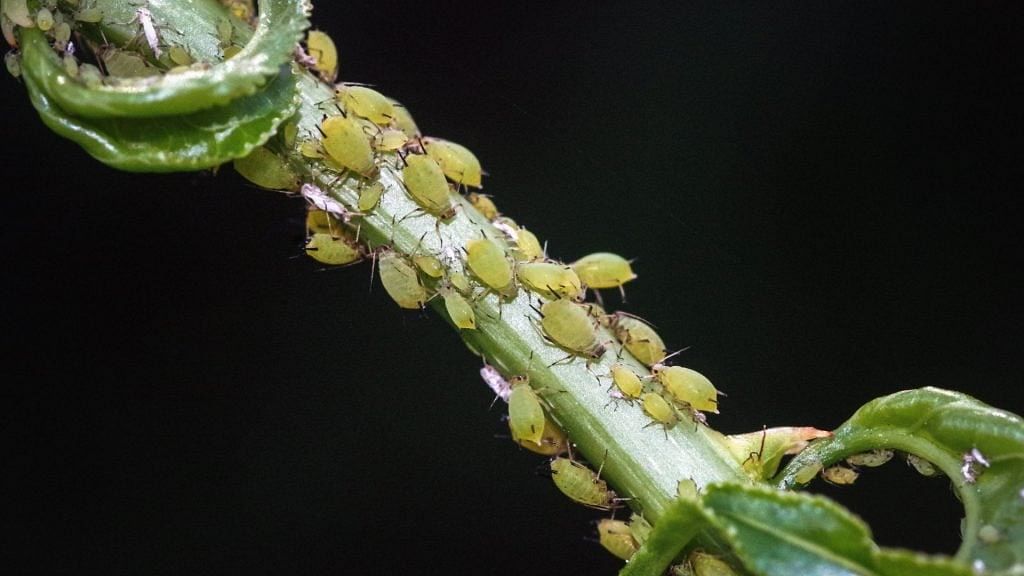
Garden BugsGarden Bugs

Introducing the right insects to your garden offers several benefits. The right ones can act as a mini-army, protecting against the unwanted invaders by targeting them with military precision and striking before the bad guys can do damage, but the benefits don’t stop there. The right insects can actually create a more stable environment for your plants to thrive in. Better yet, they remove the need for pesticides, sprays, and the like, so your cannabis remains 100% organic and 100% safe.

Chemical pesticides are undesirable, but even organic pesticides can leave a residue on your weed, and that’s something we can all agree we’d rather avoid. Predatory insects deal with pests without the risk to plant health.

If you’re using companion plants in an outdoor setting, beneficial pests can help nurture those plants. This can attract pests away from your cannabis and over to your companions, leaving your prized cannabis safer from attack.

Which Predators Are Right For You?

Naturally, different climates will have different threats. A cultivator in northern Europe will have a diverse array of pests to deal different to someone in the United States or Australia, for instance. To arm yourself with the best response, researching the specific insect threats native to your area is worthwhile.

Here’s a quick rundown of some of the beneficial predators you can use, as well as the types of garden pests they can help to control:

Ladybugs

Also known as ladybirds, these cute-looking red beauties with black spots are a powerful tool in the arsenal of a cannabis grower. An adult ladybug has a voracious appetite for other pests and will consume dozens of aphids per day, so it’s definitely worth introducing some ladybugs to your garden to help get the aphid population under control. They’ll also hunt down moths, mites, thrips, mealybugs and beetles, often laying their eggs amid colonies to later hatch near a huge food source. Cunning.
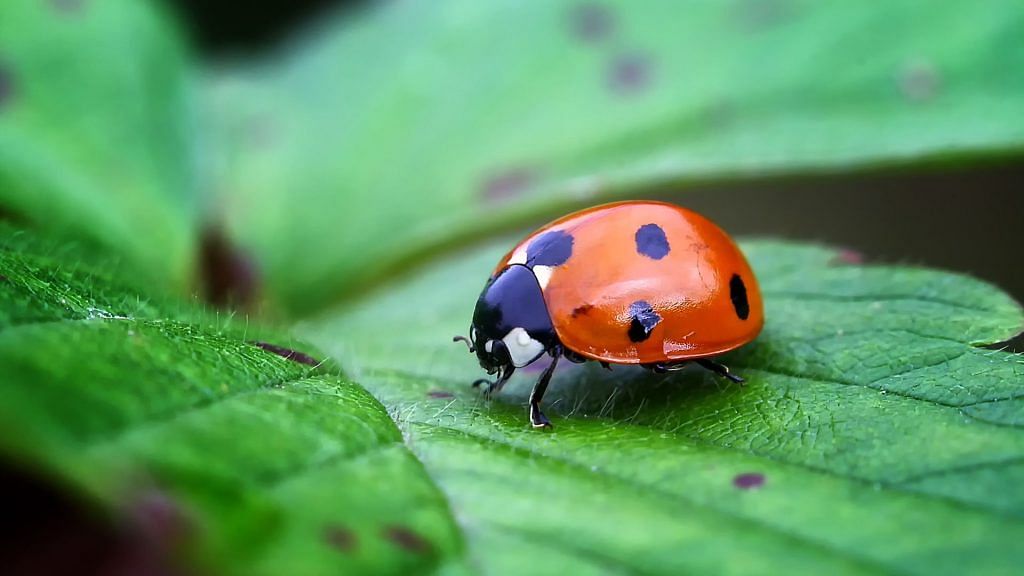
Ladybug on LeafLadybug on Leaf

The key to successfully using ladybugs in your garden is to introduce them to an environment that will tempt them to stay. By including the right companion plants around your garden, you’ll provide ladybugs with a reason to stick around.

Ladybugs like the following plants:

  • Chives
  • Marigold
  • Dill
  • Cilantro

Predatory Mites

While some mites can spell disaster for your plants, not all mites are created equal. Predatory mites will prey on spider mites (a universally-loathed invader among cannabis cultivators). These tiny beasts are a great line of defence should an outbreak of the latter occur. Introduce predatory mites at the infestation site and allow them a day or two to work their magic, but be aware that these creatures have a short lifespan, and a second application can often be required.
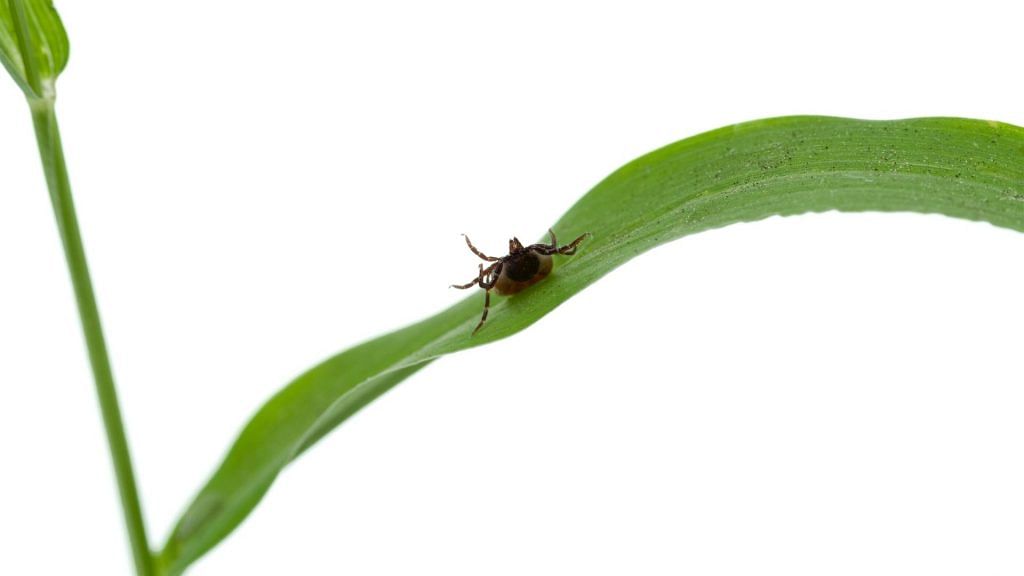
Predatory Mite ImagePredatory Mite Image

Predatory mites are attracted to mint, so planting some mint companions in your garden can help encourage these highly beneficial insects to show up. Tip: Pot your mint plants rather than growing them in soil.

Green Lacewings

Aptly-named and easily identified thanks to their appearance, green lacewings are a great line of defence for your cannabis plants. Even better, they’ll chomp their way through numerous common threats without damaging your plants themselves. Thrips, whitefly, aphids, spider mites, and leafhoppers are among the favourite snacks of green lacewing. Like ladybugs, they’ll lay eggs amid colonies of pests to allow easy access to food for their emerging offspring. Green lacewings are a popular form of predatory pest control in other forms of agriculture.
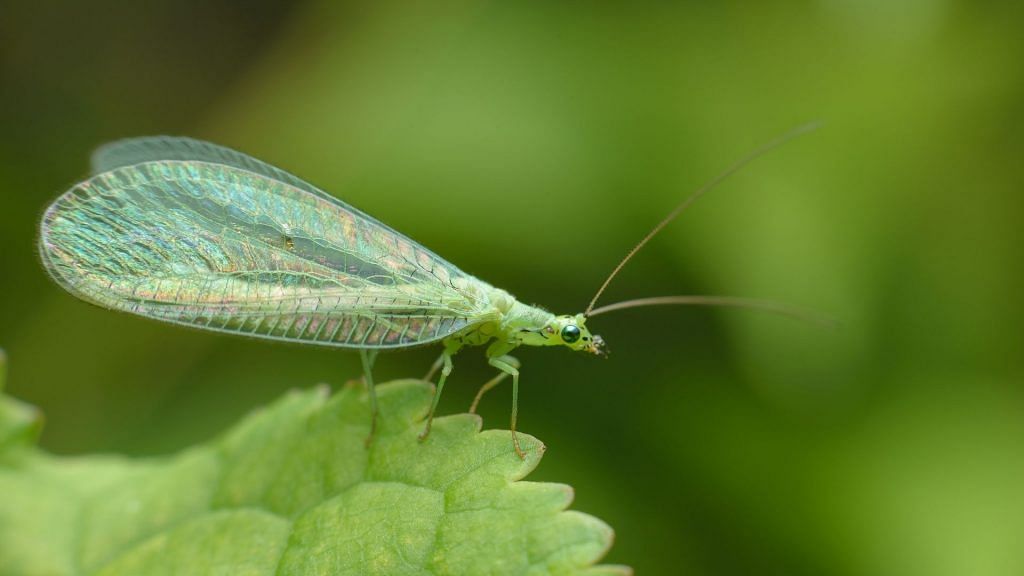
Green Lacewing imageGreen Lacewing image

Green lacewing larvae are the most useful, but be sure to release them immediately as these hungry hunters will consume each other in the absence of prey. Introduce them well above the ground to keep them away from ants, who list green lacewing among their own prey.

Companion Plants to Naturally Attract Green Lacewings:

  • Dill
  • Fennel
  • Cilantro
  • Sunflower

Assassin Bugs

Another great pest control predator, and hands-down the one with the coolest name, assassin bugs also happen to be perhaps the most brutal in their practices. These red and black troopers patrol your garden and finish off their prey by gripping them tightly and sucking out proteins before injecting them with a small amount of poison to accelerate their victims’ demise. Dark. 

Assassin bugs help manage a variety of pests, including caterpillars and various flies.
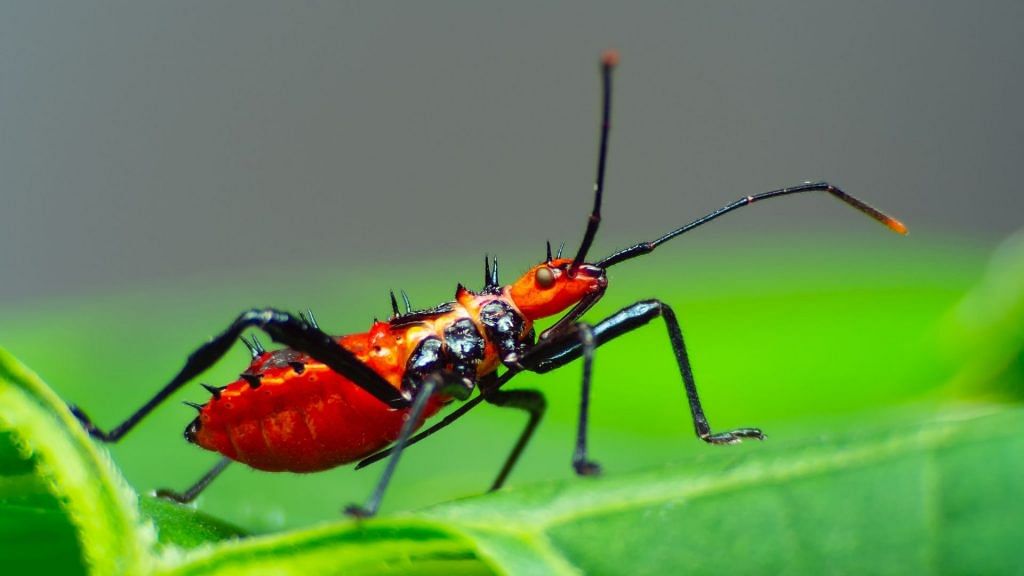
Assassin Bug on Leaf ImageAssassin Bug on Leaf Image

These companion plants work well for attracting assassin bugs:

  • Marigold
  • Fennel
  • Dill
  • Alfalfa

Rove Beetles

There seems to be to be something to this red and black uniform because there’s a definite pattern emerging here...

Rove beetles make great companions to other beneficial predators in your garden, working well to clear the soil area of a common bugbear of soil-growing cultivators – the fungus gnat.
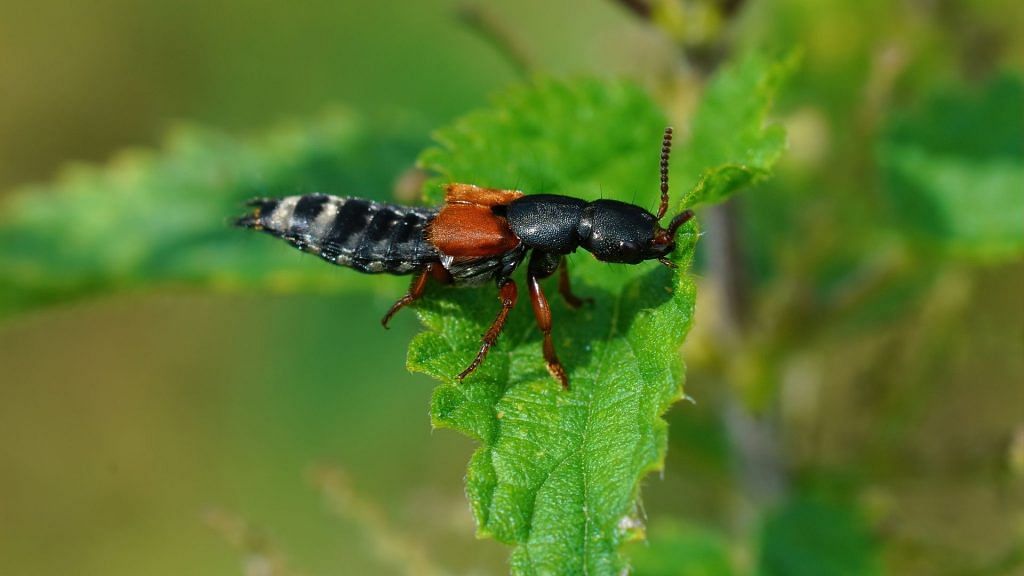
Rove Beetle on Leaf ImageRove Beetle on Leaf Image

Rove beetles are useful if your soil mix includes wood, attracting more fungus gnats than wood-free soil mixes. If you’ve accidentally overwatered your soil, or you live in a rainy climate where the earth rarely gets the chance to dry, adding some rove beetles to the area will help quickly see off fungus gnats.

Praying Mantis

Quite possibly the cannabis grower’s equivalent of a Special Forces Operative, the praying mantis can be the top soldier in any outdoor cannabis grow. These kooky-looking but highly-disciplined sentinels will root to a spot and sit tight for hours without moving a muscle, waiting patiently until their prey comes to them.
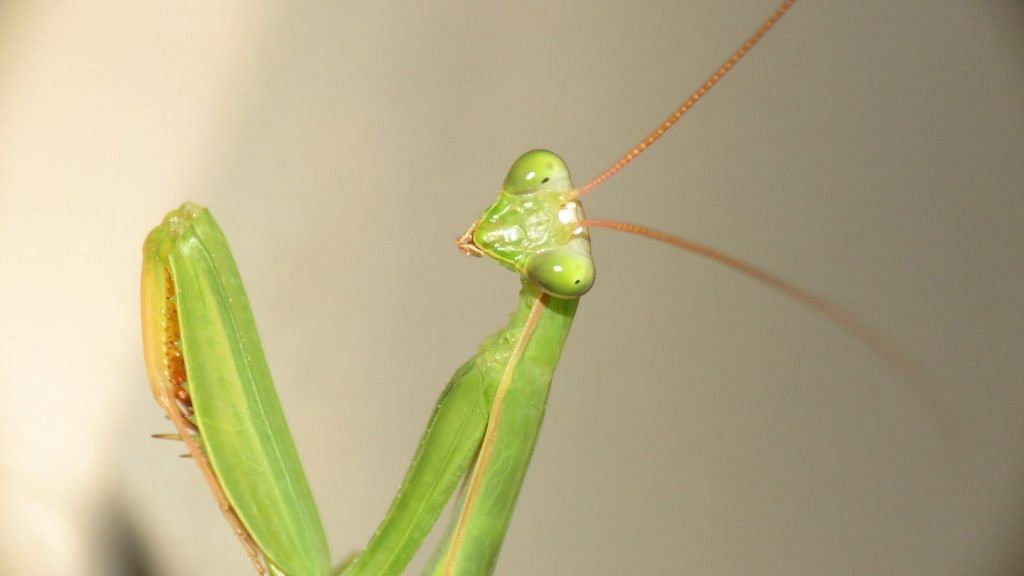
Praying Mantis ImagePraying Mantis Image

Praying mantis feast on caterpillars, aphids, and whitefly, and their lifespan is enough to provide year-round protection for your plants. Releasing a few of these throughout growing season will ensure your crop is well-patrolled and well-protected.

Companion plants to attract praying mantis include:

  • Basil
  • Rosemary
  • Lavender

How To Acquire Beneficial Predators For Your Garden

As mentioned above, certain companion plants you can place alongside your cannabis will attract beneficial predators to your garden. However, it’s reassuring to know that you can purchase packs of these insects online or from pet shops and apply them directly at the source of any outbreaks on or around your cannabis plants. Make sure you read the instructions before following the instructions carefully. Some predators are best introduced to your garden before outbreak, and some are better introduced upon outbreak.

Beneficial Non-Predatory Insects

Not all beneficial insects engage in combat – some are useful in other ways, such as helping cleanse and fertilise the soil and strengthening biodiversity around the garden.

Earthworms

The humble earthworm is a good friend to cannabis growers, especially those who use soil as substrate. By aerating the soil, earthworms can improve water drainage and break down organic materials and helping produce nutrients which help fertilise the soil beneath your plants.

Earthworms in Soil ImageEarthworms in Soil Image

Pillbugs

Think of pillbugs as your clean-up crew and sanitisation team. These wee warriors with the segmented armour look like tiny armadillos and are known by various names colloquially, from roly-poly to woodlouse, but they can be of great benefit to cannabis growers.
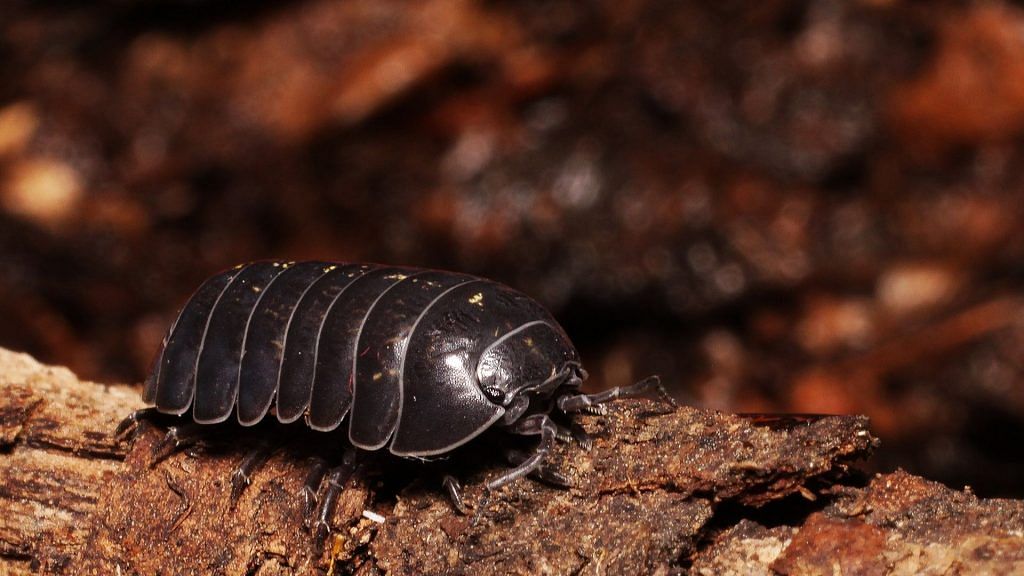
Pillbug on bark ImagePillbug on bark Image

With a voracious, omnivorous appetite, pillbugs will munch their way through most things that cross their path, from dead plant matter and leaf litter to dead insects. They’ll also cheerfully chew their way through stink bug eggs on the leaves of plants, making them a great asset to your garden environment.

Pest Resistant Cannabis Strains

As helpful as the above critters are, the nature of pests is just that - they're pests. If you live in a region where 6, 8, and 12-legged creatures are common, perhaps it's best to grow a strain that's tough enough to handle them. We've recommended some good pest resistant cannabis varieties below.

White Widow

A long, hot summer can bring problems for cannabis plants, including potential heat damage and excessive insects. White Widow is covered in the rich, sticky resin growers love, and it just so happens to be a natural defence against pests and insects, acting as a deterrent to many bugs. The classic White Widow strain is known for its resilience and its ability to withstand the summer heat, making it a great choice for outdoor cultivators seeking a low-maintenance grow.

pest resistant cannabispest resistant cannabis

This indica-dominant hybrid has an 8-week flowering time, and boasts high THC levels. It's known for its earthy, fruity taste, bumper harvests, and heavy but euphoric effect.

Northern Lights Auto

Northern Lights Auto was created by crossing Northern Lights with a ruderalis strain to add auto-flowering properties. It is a robust and resistant indica dominant hybrid producing high levels of THC (23%) and minimal CBD (.5%), with good yields. As with the vast majority of auto strains, it grows well in all growing environments and is known to have a high level of resistance to both pests, fungus and plant diseases.

NL Auto Pest Resistant imageNL Auto Pest Resistant image

Northern Lights Auto has a flowering time of around 60 days, and with 23% THC content, kicks like a mule. A nearthy, fruity taste with notes of plum jam are sure to delight.

Mazar Auto

Dutch Passion's Mazar Auto is a high-yielding hybrid of the classic Mazar strain and ruderalis genetics. Genetically superb, this strain can fend off pests and plant diseases alike. It's a high-THC to boot, so potency won't leave you wanting. Mazar Auto has a flowering time of around 10 weeks.

Mazar Auto CannabisMazar Auto Cannabis

Couple those high yields and high THC with an earthy Kush aroma of citrus, lime and Haze, and you've got a pest-resistant powerhouse with a sumptuous flavour. Plant any of these three outdoors to have a lower risk of pest infestation, and you'll grow some fantastic cannabis.

SAVE
SAVE
SAVE