


Growing cannabis outdoors in South Africa’s sunny climate offers both opportunities and challenges. While the country’s abundant sunlight can be a blessing for plant growth, the scorching heat — especially in some regions — can be unrelenting. As any seasoned grower knows, excessive heat can turn your lush green beauties into dried-up fodder faster than you can say “Biltong”. Heat waves can exacerbate these conditions, making it crucial to plan ahead and implement strategies to mitigate heat stress. Here, we’ll explore the challenges of growing cannabis in South Africa’s notorious heat, look at which cannabis strains can handle the heat best, and offer practical strategies to keep your plants cool, hydrated, and thriving.
Understanding Heat Stress
What is Heat Stress and How Does it Affect Your Cannabis Plants?
Heat stress is a common issue that can wreak havoc on your cannabis plants, especially during the sweltering summer months. Essentially, heat stress occurs when your plants are exposed to temperatures that exceed their comfort zone, causing cellular damage and disrupting their normal growth processes. This can be triggered by various factors, including direct sunlight, high temperatures, poor ventilation, and even inadequate watering.
When a cannabis plant is under heat stress, it can exhibit several telltale signs. You might notice wilting or droopy leaves, yellowing or browning foliage, stunted growth, and a reduction in flowering. In more severe cases, heat stress can make your plants more vulnerable to pests and diseases, and even cause them to become hermaphroditic, producing males and reducing overall yield.

To avoid cannabis heat stress, it’s crucial to create an environment that keeps your plants within their optimal temperature range. This can be achieved by using shading materials, improving ventilation, and ensuring they receive adequate water. By understanding the causes and symptoms of heat stress, you can take proactive steps to protect your cannabis plants and promote healthy growth.
The Challenge: Growing Cannabis in South Africa’s Heat
South Africa’s diverse climate ranges from the subtropical heat of KwaZulu-Natal to the arid plains of the Karoo, with temperatures that can soar well beyond what your typical cannabis plant would enjoy. Summers in cities like Pretoria and Bloemfontein, for instance, can see average high temperatures reaching 30°C (86°F) and often spike into the upper 30s. In the Northern Cape, temperatures can even climb above 40°C (104°F) during peak summer months. These high temperatures, coupled with low humidity, can cause several issues for outdoor cannabis plants, from leaf burn and wilting to stunted growth and dehydration. Using supplements like seaweed or kelp extracts can enhance the resilience of outdoor plants, providing them with additional protection.
High heat isn’t just uncomfortable for plants; it disrupts their entire growth cycle. Photosynthesis becomes less efficient, water evaporates more quickly, and essential nutrients are harder to absorb. If cannabis plants are exposed to prolonged periods of heat stress outdoors, their yields can suffer significantly. For growers in South Africa, keeping cannabis plants healthy and protected is not just about watering and fertilizing — it’s about outsmarting the environment.
Start with the Right Genetics: Heat Resistant Strains
Think of choosing cannabis genetics for hot climates like picking a dog breed for life in the desert. Some dogs (like a husky) are built for snow, while others (think Basenji) thrive in the heat. Cannabis is similar: certain heat resistant strains are specifically bred to withstand heat stress, making them ideal for outdoor growing in hot climates.
Sativa strains
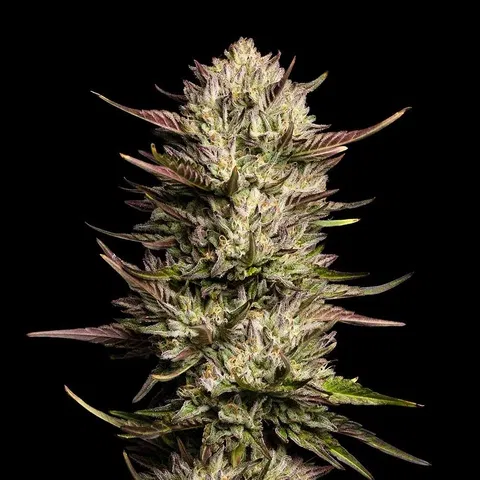
Sativa cannabis strains typically come from hotter regions like Southeast Asia, Africa, and Central America. Their tall, airy structure allows for better airflow around the leaves and branches, helping them cool down more easily. These strains are often more resilient to heat and sunlight, making them ideal for outdoor growth in places like South Africa. Popular heat-resistant sativa strains include Durban Poison, a South African landrace variety with a strong resistance to environmental stressors. Other heat-resistant strains, such as Super Silver Haze (Haze strains, in general, typically have good heat tolerance) and Sour Diesel, also exhibit sativa genetics that help them thrive under high temperatures. In addition, strains in Seedsman's F1 range have the kind of genetics that can thrive in hot climates.
Autoflowering strains
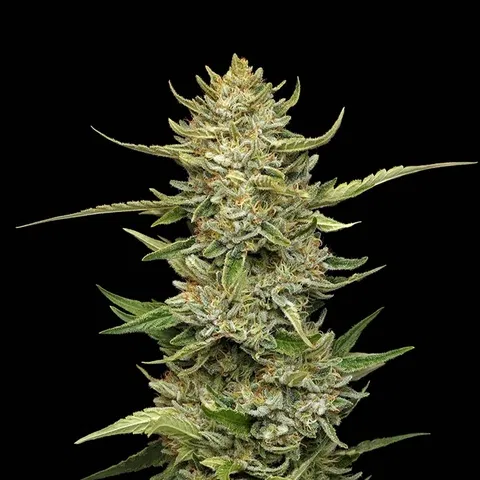
Autoflowering cannabis strains can also be a good choice for growers in extreme climates. These strains are usually hybrids but have a shorter growth cycle and can mature faster, making them easier to harvest before the hottest summer months set in. Autoflowering strains can be a particularly good option in areas like the Karoo, where temperatures can be unforgiving during peak summer. Sour Diesel is notorious for its heat-resistant properties, so something like Seedsman's Sour Diesel Auto is a fantastic choice.
The Importance of Placement: Setting Your Garden Up for Success
When it comes to planting cannabis outdoors, location is everything. While it may be tempting to put your plants in the sunniest spot in your garden, the intense midday and afternoon heat can be overwhelming for them. In South Africa, where the sun’s intensity is strong throughout the day, it’s best to aim for a position that receives full sun in the morning and partial shade in the afternoon. It's crucial to be aware of heat stress symptoms and know how to identify heat stress in your plants to ensure they thrive.
Consider planting your weed near natural windbreaks like hedges or small trees, which can offer some shade and help protect plants from dry, hot winds. However, be mindful not to place cannabis plants directly under a tree, as they’ll compete for nutrients and sunlight. A spot near a wall or fence can also work well, as these structures can provide some afternoon shade while reflecting early morning sunlight.
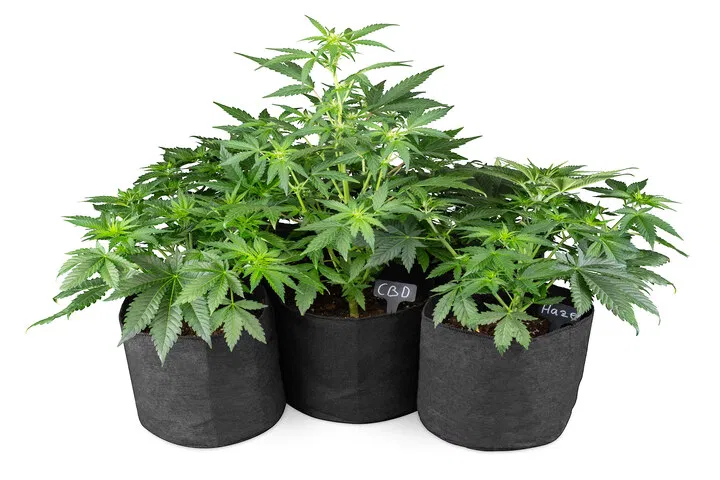
Another option for heat-sensitive growers is planting in pots rather than directly in the ground. Pots make it easier to relocate plants to shadier areas during the hottest parts of the day. Just be sure to choose light-colored pots, as dark colors absorb more heat, which can make soil temperatures soar. Using fabric, ceramic, or clay pots, which naturally stay cooler than plastic, is also a great idea.
Sun Sheltering Tools and Methods for Direct Sunlight
When South African summer days start to feel like you’re living on the surface of the sun itself, it’s time to bring out some extra protection for your plants. Here are some practical tools and methods:
Shade Cloth
Shade cloth is a lifesaver for outdoor growers in hot climates. Made from a loosely woven material, shade cloth blocks out a certain percentage of sunlight without completely depriving plants of what they need. For South African heat, a 30-50% shade cloth is usually ideal. You can set up a simple frame around your garden area and drape the cloth over the top, or attach it to stakes positioned around each plant.
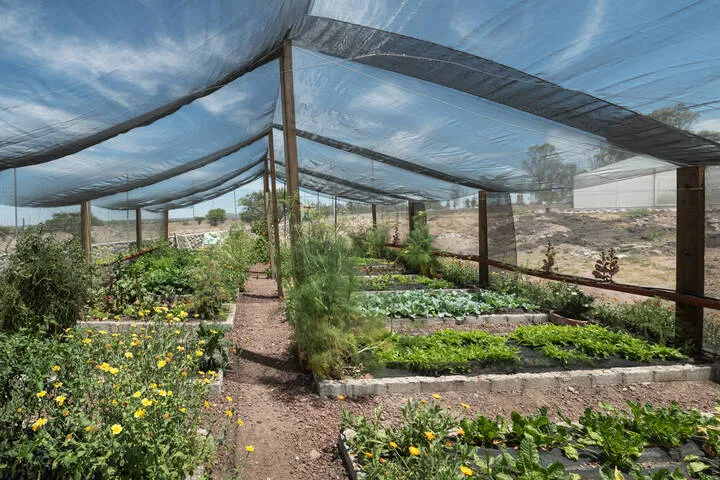
Shade cloth is particularly useful for midday and afternoon hours when the sun is most intense. Simply attach the cloth temporarily during these hours, and then remove it once temperatures cool in the evening. For a bit of DIY fun, think of it as setting up a little "beach cabana" for your plants — they get some shade, and they’ll thank you for it by growing stronger and healthier.
Mulching for Cooler Soil
Mulching is another way to help protect plants from heat. A thick layer of organic mulch (such as straw, wood chips, or even dry leaves) spread around the base of your cannabis plants insulates the soil, keeping it cooler and preventing moisture from evaporating too quickly. Mulch also helps reduce weed growth, which can steal valuable water from your plants during the hot, dry months.
Think of mulch like a blanket for your soil — it might seem counterintuitive in the heat, but it works wonders in regulating soil temperature and keeping roots comfortably cool. Aim to spread about 2-3 inches of mulch around the base of each plant, and replace it as needed throughout the season.
Mist and Hydration Techniques
South Africa’s heat can rapidly dehydrate cannabis plants, and during peak summer, they may need watering once or even twice a day. Watering deeply but less frequently can encourage roots to grow deeper into the soil, making plants more resilient to heat stress. A morning soak is typically best, but in extreme heat, a second watering in the late afternoon can keep soil moist during the hottest part of the day.
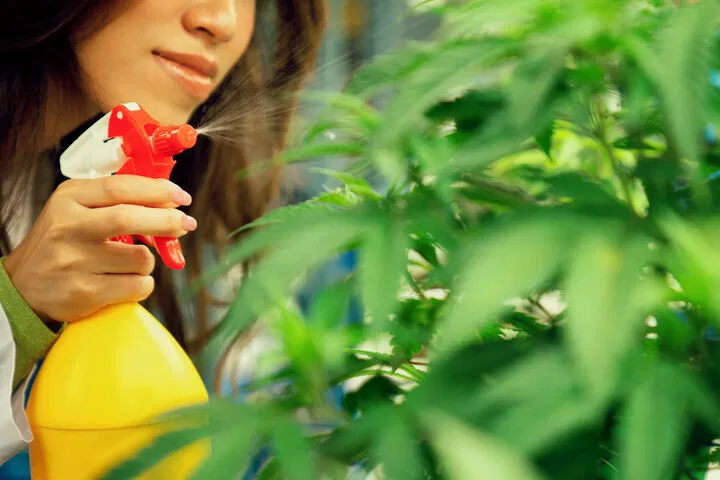
For growers looking to boost humidity, especially in drier regions like the Northern Cape, misting can also help prevent plants from drying out. A light misting early in the morning or late in the evening can help the leaves cool down without risk of sunburn, as droplets evaporate before the sun intensifies. Indoor growing presents additional challenges, particularly managing heat during the summer months, which requires specific equipment like air conditioning and effective ventilation systems to prevent heat stress in cannabis plants. Always check your soil for moisture before watering or misting, as overwatering can also damage your plants.
Using Light Netting or Horticultural Mesh
In particularly scorching regions, light netting or horticultural mesh can provide added protection against sunburn on the leaves. This material can be draped over plants to diffuse sunlight evenly, creating a gentler exposure that allows cannabis to grow without risking sunburn. Horticultural mesh is also lightweight, meaning you can set it up quickly and easily move it as needed.
Fertilizers and Soil Additives for Heat Stress Resilience
Cannabis grown under extreme heat has higher nutrient needs than plants in milder climates. When soil temperatures rise, nutrients in the soil can break down or become harder for roots to access. Using soil additives like kelp extract and humic acid can enhance a plant’s heat resistance by promoting root health and water retention. Kelp extract, for instance, helps boost plants' resilience by encouraging root growth, which is particularly valuable in hot, dry soils. Humic acid, meanwhile, helps improve soil structure, making it easier for roots to absorb nutrients even under stressful conditions.
Conclusion: Thriving in the South African Sun
Growing cannabis in South Africa’s intense heat may sound daunting, but with the right strategies, it’s more than doable — it’s highly rewarding. By selecting heat-tolerant strains, positioning plants wisely, providing shade, and using the right soil treatments, you can turn even the most sun-baked garden into a cannabis oasis. Just remember, cannabis cultivation is as much about adaptation as it is about following steps.
Each plant will respond differently to the environment — and learning to work with nature rather than against it is key. Whether you’re setting up a cabana of shade cloth, mulching to keep the soil cool, or crafting a misting schedule that would make any plant jealous, each step helps ensure your cannabis plants not only survive but thrive under the African sun. So go ahead, roll up your sleeves, grab some mulch, and give those plants the cool-down they deserve. You’ll be rewarded with a resilient crop that can handle whatever South Africa’s summer throws at it.
Happy Growing!