
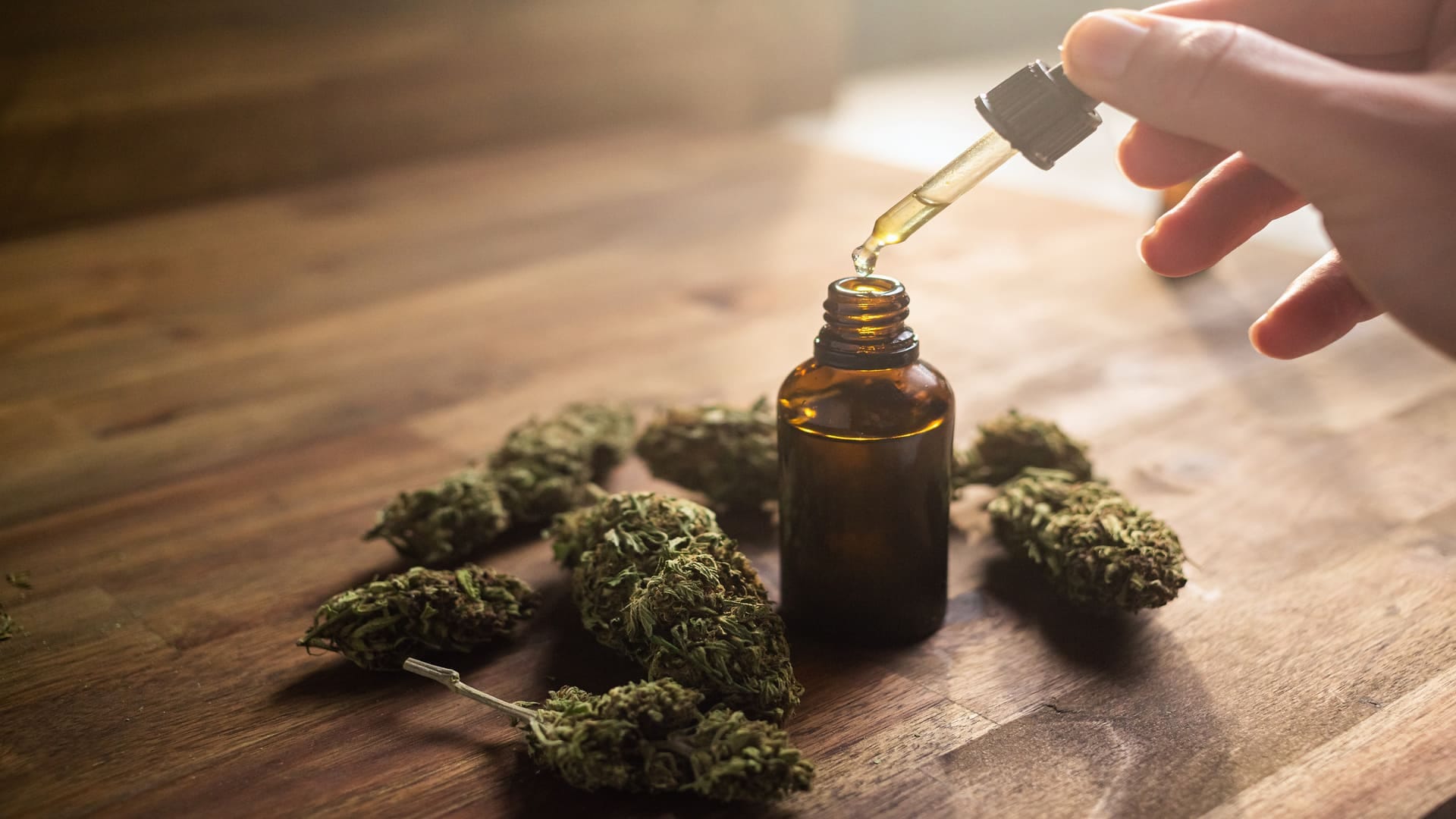

If you’ve ever wondered how to make Canna oil at home, you’ve come to the right place. This powerful infusion is the secret ingredient behind everything from pot brownies and dagga muffins to relaxing teas, and making it is way easier than you might think. South Africans are catching on to the benefits of this golden green oil, and with a little guidance, you can whip up your own batch in your kitchen.
What Is Canna Oil?

Canna oil, or cannabis oil to give it its proper name, is simply cannabis-infused oil. But you can’t just infuse any old oil and consume it – so put the Castrol away for now. Cannabis oil requires an oil that’s safe and fit for human consumption – so a cooking oil such as olive oil or coconut oil – will work perfectly. Cannabis oil is one of the best ways to enjoy cannabis without smoking, and knowing how to make Canna oil is a gamechanger because you can add it to meals, bake with it, or put a few drops in anything from a cup of coffee to a fruit smoothie or even a recovery shake after a hard shift at the gym. Making homemade cannabis oil gives you full control over potency and lets you use only natural ingredients, setting it apart from commercial products.
The benefits go beyond fun edibles, too. Cannabis oil is often praised for easing pain, helping with sleep, and reducing stress. It can also be used as a massage oil for topical relief and relaxation. Whether you’re after relaxation or a more natural remedy, learning how to make Canna oil opens up endless possibilities for relaxation and wellbeing.
Does Canna Oil Get You High?
Ah, the million-rand question: will cannabis oil actually get you high? The answer is – it depends. If you’ve decarboxylated your cannabis before infusing it, then yes, your oil will contain activated THC, which is the psychoactive compound responsible for getting you blazed.
On the other hand, if you skip the decarboxylation step, your Canna oil won’t have the same euphoric kick, but can still be deeply therapeutic.
Further Reading:What Is Decarboxylation And Why Is It Important?
So whether cannabis oil makes you high is really up to how you prepare it – and, of course, how much you use.
Choosing the Right Carrier Oil
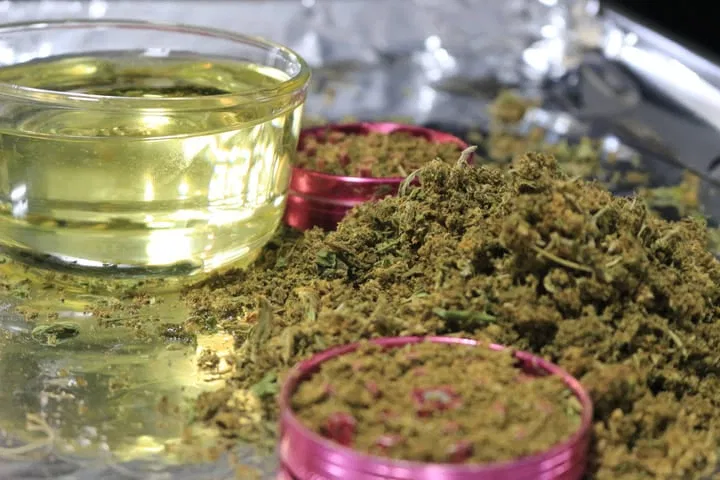
When it comes to making cannabis infused oil, the carrier oil you choose can make all the difference in both potency and flavor. That carrier oil acts as the base that extracts and holds all those valuable cannabinoids and terpenes from your cannabis flower, so picking the right one is key to a successful infusion.
Coconut oil is a top pick for many cannabis enthusiasts. Thanks to its high saturated fat content, coconut oil binds exceptionally well with THC and other cannabinoids, resulting in a potent and effective cannabis infused oil. It’s also budget-friendly, widely available, and boasts a long shelf life—perfect for making cannabis cooking oil that stays fresh for weeks. Whether you use unrefined coconut oil for a subtle coconut flavor or opt for liquid coconut oil for a smoother texture, you’ll get a rich, versatile base for all your homemade cannabis edibles.
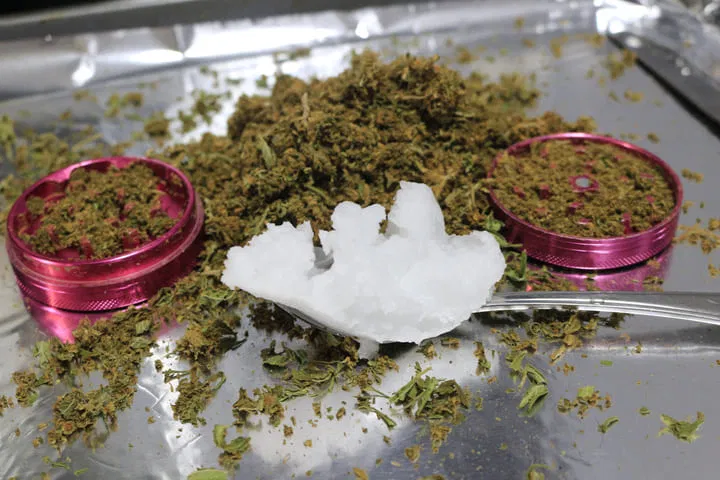
Olive oil is another favorite, especially for those who prefer a milder taste or want to take advantage of its well-known health benefits. While olive oil has a slightly lower fat content than coconut oil, it still does a great job at infusing oil with cannabinoids. Plus, its gentle flavor makes it ideal for salad dressings, dips, and other culinary cannabis creations where you don’t want the oil to overpower your dish.
Avocado oil is gaining popularity as a carrier oil for cannabis infusions. With its high fat content and buttery, neutral taste, avocado oil is a fantastic choice for anyone who wants to know how to make Canna oil that’s both nutritious and delicious. Rich in healthy fats and antioxidants, avocado oil not only enhances the health benefits of your cannabis infused oil but also works beautifully in a range of recipes, from baked goods to savory dishes.
Ultimately, the best carrier oil for your cannabis oil recipe depends on your personal taste, desired potency, and how you plan to use your infused oil. Whether you’re whipping up homemade edibles, experimenting with culinary cannabis, or just want a healthy, effective oil for everyday use, choosing the right carrier oil is the first step in how to make Canna oil you’ll love. So don’t be afraid to try different oils and find the perfect match for your own Canna oil at home!
Recipe: How To Make Canna Oil At Home
Now that you know why it’s worth trying, here’s how to make Canna oil from the comfort of your own kitchen. The infusion process involves combining cannabis with a carrier oil, such as coconut oil, and carefully controlling time and temperature to extract cannabinoids effectively. Be sure to follow the recipe closely to achieve consistent potency in your final product.
Equipment Needed
A saucepan or slow cooker
Baking pan – used for spreading cannabis during decarboxylation
Lined baking tray – prevents sticking and allows for easy cleanup
Aluminum foil – used to cover the tray during decarboxylation to retain heat and terpenes
Cannabis grinder – used to break down the cannabis flower for even decarboxylation
Wooden spoon
Fine mesh strainer or cheesecloth
Glass jar or bottle for storage
Ingredients
1 cup of your preferred carrier oil
7-10 grams of ground cannabis (grind your dried cannabis flower for even decarboxylation)
Decarbed cannabis (use after the decarboxylation step to activate cannabinoids)
Optional: 1 teaspoon soy lecithin (acts as a natural emulsifier to improve absorption and potency)
Method: How To Make Canna Oil
Decarb your cannabis – Preheat your oven to 110°C, spread the cannabis on a baking tray, and heat for 30-40 minutes. This activates the THC.
Heat your oil – In a saucepan or slow cooker, warm the oil on low heat. Cannabinoids like THC and CBD are fat soluble, meaning they need to bind to fat molecules in the oil for effective absorption.
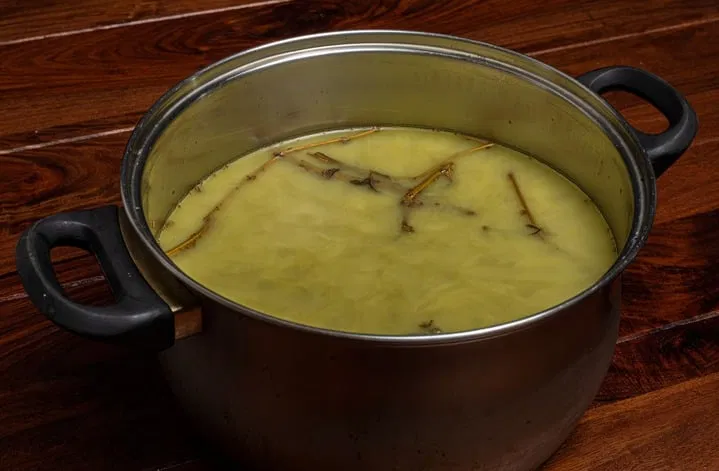
Infuse – Add the decarboxylated cannabis to the oil and simmer gently for 2-3 hours, using low and slow cooking to preserve cannabinoids and ensure thorough infusion. Stir gently from time to time to ensure an even infusion without disturbing the mixture.
Strain – Pour the mixture through a cheesecloth or fine strainer to remove the solid plant material.
Cool and store – Transfer your fresh cannabis oil into a clean glass jar or bottle.
Bottling and Storage
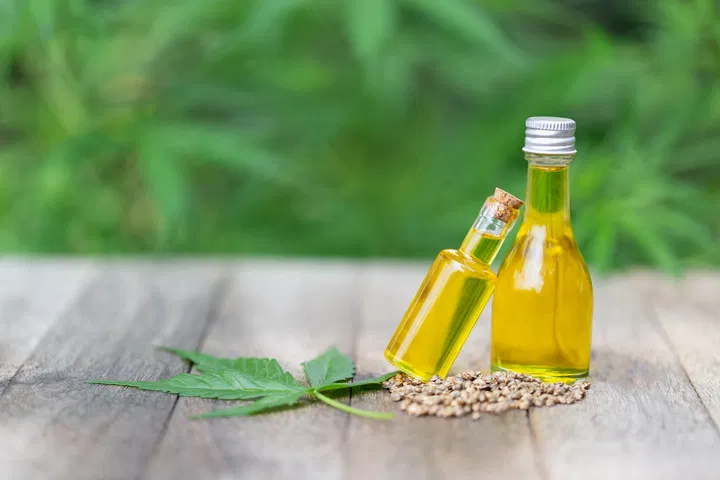
Once you’ve mastered how to make Canna oil, proper storage is key. Store your oil in an airtight container to preserve its freshness and potency. The best place to keep it is in a cool, dark place, such as a cupboard or the fridge, to protect it from light and heat. Always label your bottle clearly so there are absolutely no mix-ups in the kitchen - you don’t want to accidentally drizzle this over Ouma’s salad! Properly stored, your cannabis oil can last up to two months.
How To Make Canna Oil – Final Thoughts
So there you have it - now you know how to make Canna oil – a simple, rewarding process that turns cannabis into a versatile kitchen ingredient. South Africans are increasingly enjoying the benefits of homemade infusions, and with this recipe, you can confidently join them. Whether its for baking, cooking, or natural wellness, learning how to make Canna oil is an easy skill anyone can master – and it’s a skill worth having,