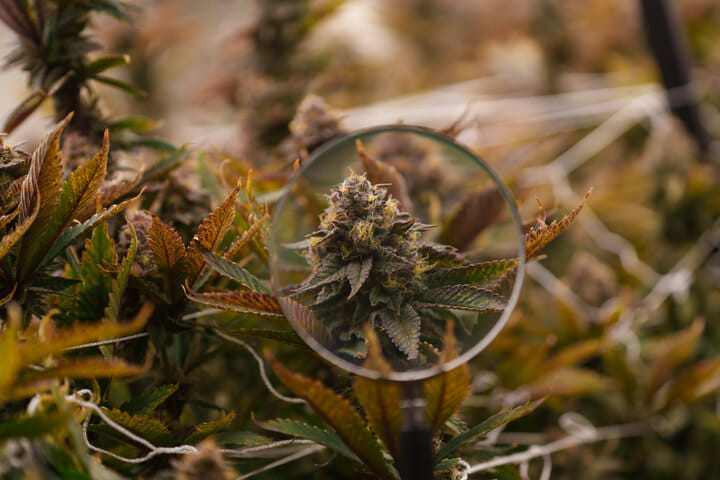
If you’re gearing up for the new grow season and aiming to get the most out of your dagga in terms of THC, you’ve come to the right place. THC – short for tetrahydrocannabinol – is the compound responsible for cannabis’ famous high, and it’s one of the first things many people look at when assessing cannabis quality. It might not be the be-all, end-all determining factor, but for many growers and consumers of cannabis, that magic number is at or near the top of the list. Why? Because the stronger the THC content, the more potent and satisfying the end product.
But here’s the thing: hitting those high THC figures doesn’t happen by accident. Genetics, lighting, nutrients, environment, and even your timing at harvest all play a huge role. Get these right, and you’ll unlock your plant’s true potential. Get them wrong, and you’ll leave a lot of THC content on the table. Over the past few decades, the development of new cannabis strains and advancements in breeding have significantly improved THC production, giving growers access to a wider variety of high potency options.
That’s where we come in. At Seedsman, we know many growers see those THC numbers as a hallmark of success, so we’ve put together this guide to walk you step by step through the full journey – from seed to harvest – showing you how to grow your own cannabis for maximum THC production and enjoy the satisfaction of cultivating high-quality buds at home.
Start With The Right Seeds
If you want to know how to grow cannabis that really packs a wallop, know this: you can’t grow a high-THC plant from low-THC genetics. The very first step on the road to high potency is choosing seeds known for their high THC content. Selecting the right cannabis seed is crucial, as different cannabis seeds determine the plant’s THC potential and overall success of your grow. At Seedsman, we’ve got an outstanding selection of high THC strains, many of which are backed up by lab testing to verify those lofty numbers. Modern varieties like those listed below are the smart choice when you want to grow cannabis with high THC. The diversity of cannabis strains available today means you can choose from a wide range of growth traits, cannabinoid profiles, and effects to suit your needs. Cast your eye over these recommendations, pick the ones that appeal to your individual taste and growing style, and let’s grow!
Pineapple OG
A triple pineapple cross with sky-high THC levels, Pineapple OG from Seedsman is a balanced hybrid with an unforgettable tropical taste. Flowering in just 8-10 weeks, Pineapple OG gives up big harvests of highly potent buds.
As its name implies, Seedsman Ice Dream Cake is a delicious dessert strain, a three-way hybrid of Gelato, Vanilla Kush, and Ice Cream Cake. This indica-dominant hybrid flowers in 8-10 weeks, and promises big harvests of ultra-dense buds. THC levels have been measure as high as 28%, making it a perfect launchpad for a high-THC grow.
A sativa-dominant hybrid of connoisseur quality, Purple Ghost Candy ticks every box from flavor and ease of cultivation to bag appeal and very yield potential. THC has been measured at 27.54%, making for an incredibly potent strain that spends 9-11 weeks in flowering.
A cross of Peyote Purple and Gorilla Glue sounds like it would be a resinous, high-THC beauty - and Peyote Gorilla is exactly that! A stunning inndica-dominat hybrid with very high yield potential, Peyote Purple can pump out as much as 26% THC under the right conditions, making this purple plant a potent powerhouse. Flowering in 8-10 weeks, yields are very high and the effects are spectacular.
Ideal for those cultivating in climates with shorter summers (or those in a hurry to pad out their stash), Purple Punch F1 Fast is a fast-finishing indica-dominant hybrid with outstanding genetics. You'll get big yields of high-THC buds in around 7-9 weeks, and for those in the hotter regions of South Africa, Purple Punch F1 Fast has great mold resistance and thrives in warmer climates.
Gelato 41 in a cup-winning strain - so we backcrossed it with itself to lock in its most desirable traits, and the results are spectacular. Gelato 41 BX is an indica-dominant strain that yields high and has a THC content of around 28% or higher, making it one of the most potent strains in our collection. Flowering takes 8-10 weeks, and the bag appeal is outstanding.
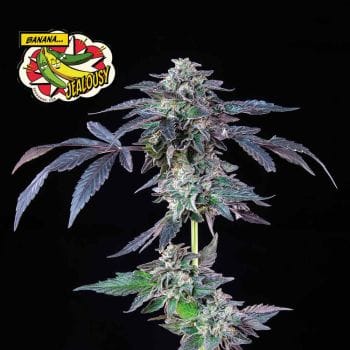
A balanced hybrid capable of up to 28% THC content, Banana Jealousy has the kind of potency that novices should avoid! Flavors are sweet banana and Skunk, yields are impressive, and Banana Jealousy is at home in a variety of climates. Cultivating these spectacular plants is surprisingly easy, too - a sign of superb genetics.
There are some potent strains to choose from in that list, but that's just the tip of a massive iceberg. Seedsman's commitment to bringing you the very best cannabis genetics means we have a vast selection of very high THC strains with something to suit everyone.
How To Grow Cannabis For Maximum THC: A few key points
Feminized seeds are your safest best because they grow into female cannabis plants, and will produce buds.
Breeders use techniques such as colloidal silver treatment or environmental stress to produce feminized seeds, which are important for growers seeking high-THC female plants and reliable harvests.
Autoflowering seeds are great for speed and simplicity, but photoperiod seeds give you more control and can reach higher potency and give higher yields if you manage them properly.
In South Africa, with its long summers and strong sunlight, outdoor growers can get outstanding results if they pick strains suited to warmer climates.
How To Grow Cannabis: Germination and Seedling Stages
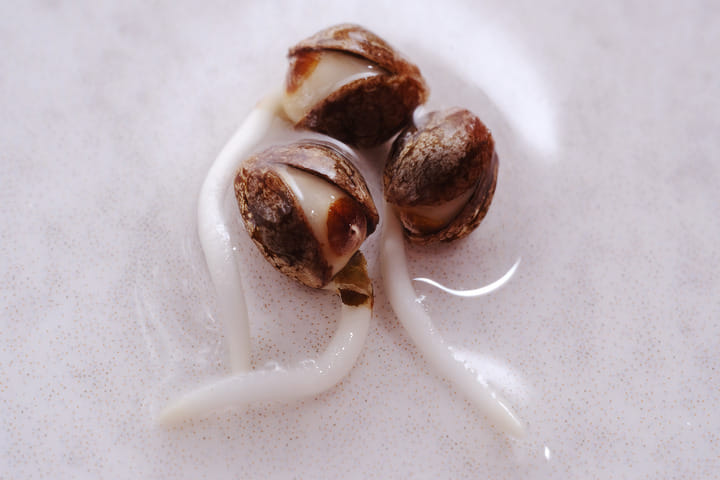
Part of how to grow cannabis for maximum THC production involves making sure you give your plants the very best attention – and conditions – at every stage. With that in mind, getting off to a good start is an ideal launchpad for how to grow cannabis successfully. The germination process is the first step, where you crack the shell of the seeds to expose the taproot, ensuring adequate moisture and warmth for optimal sprouting. Germinate your seeds in a clean, moist (but not soaked) medium. Temperatures around 22-25C work best.
During the seedling stage, maintaining optimal environmental conditions—such as temperature, humidity, and moisture—is crucial for vigorous growth and healthy development of young plants.
Once your seedlings sprout, they’ll need gentle but steady light. Outdoors, give them some protection from harsh midday sun until they’re hardened off. Indoors, keep them under good quality grow lights at a safe distance so they don’t burn. Healthy plant roots are essential during the seedling stage, as they enable efficient nutrient uptake and support overall plant health. Understanding the cannabis root zone is key to producing healthy plants.
Think of this stage as laying the foundation for everything to come. Healthy seedlings = healthy THC production further down the line. Regularly monitoring environmental conditions helps ensure young plants develop strong roots and vigorous growth.
The Vegetative Stage
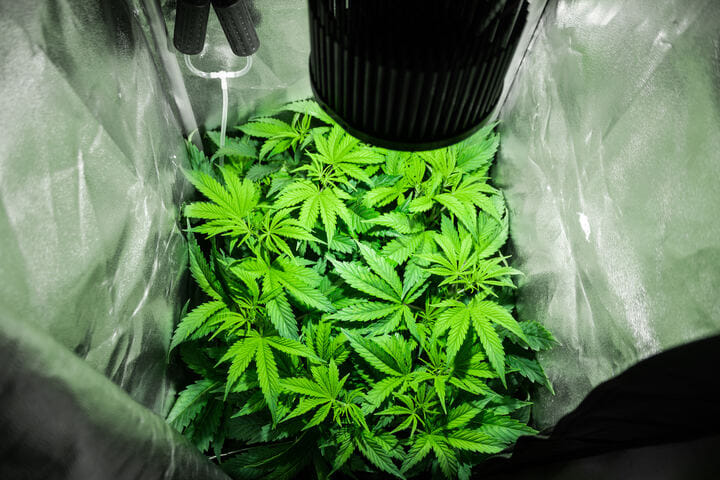
As your plants start to pack on green mass, correct lighting becomes vital. If you’re growing outdoors, ensure your plants are situated in an area where they’ll receive as many hours of strong, bright sunlight as is safe. If you’re doing this indoor, aim for 18-24 hours of light per day at this stage, and use LED or HPS lights that deliver broad-spectrum light. Light intensity is crucial for optimal cannabis plant growth, as it directly affects photosynthesis and overall development during the vegetative stage.
Feeding your plants is a key aspect of how to grow cannabis for maximum THC production, and at this stage of life, cannabis plants need more nitrogen to support stem, leaf, and root development - but don’t overdo it. A recent study showed that extremely high nitrogen levels increased biomass, but actually decreased cannabinoid concentrations (including THC) in certain cultivars. Proper nutrient uptake is essential for healthy plant growth and maximizing THC potential. Remember that optimal nitrogen for the flowering phase tends to be lower than is required in veg.
Training, pruning, and canopy managaement all matter here, too – encourage an even canopy by using plant training techniques such as topping and FIMing, and low stress training. Remove lower branches that receive little light. These methods help the plant grow more efficiently, ensuring that plants grow vigorously and produce higher yields. Better light penetration? Better THC concentration in lower buds.
How To Grow Cannabis For Maximum THC Production – Flowering
Seedsman Peyote Gorilla in flowering
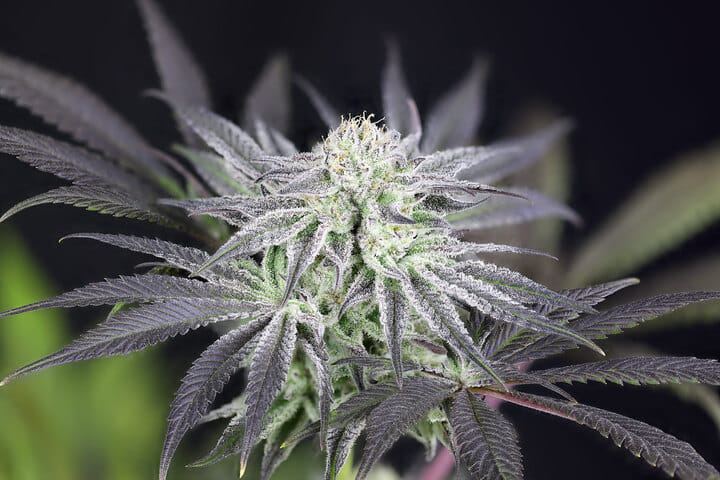
Mastering the flowering stage is crucial for cannabis plants when it comes to THC production. This is when your cannabis plants shift their energy into producing dense, resinous buds packed with cannabinoids. To get the most out of this stage, it’s essential to create the perfect environment for healthy plant growth and maximum THC output.
For most indoor growers, maintaining a consistent light cycle is key. Switching to a 12/12 light cycle—12 hours of light followed by 12 hours of complete darkness—signals your cannabis plants to begin flowering and start producing buds. This light cycle mimics the natural shortening of days outdoors and is critical for inducing flowering in photoperiod strains.
Temperature and humidity also play a big role in the flowering stage. Aim to keep your grow room between 65-80°F (18-27°C) and relative humidity between 40-60%. These conditions help prevent mold and support healthy bud development. Good air circulation is equally important, as it helps strengthen stems and keeps the environment fresh, reducing the risk of bud rot and other plant diseases.
Nutrient needs change during the flowering stage. While your cannabis plants still need a balanced diet, they now require more phosphorus and potassium to fuel bud and resin production, while nitrogen should be reduced compared to the vegetative phase. This shift supports robust flower growth and helps your plants produce the highest possible THC levels.
Don’t forget about pruning and training. Removing lower leaves and small branches that don’t receive much light allows your cannabis plants to focus their energy on the main bud sites. Training techniques like topping, low-stress training, and trellising can help create an even plant canopy, ensuring all buds get plenty of light and grow to their full potential. And as for pruning? A study carried out in 2021 showed that pruning cannabis plants twice - once during vegetative growth and once more in flowering - created a more uniform cannabinoid profile and actually increased cannabinoid availability. However, a follow-up study revealed that those results were not necessarily replicable when applied to multiple strains.
By dialing in these factors during the flowering stage, you’ll set your cannabis plants up to produce potent, high-THC buds that deliver the results you’re after.
Environment
Indoor growers should keep temperatures around 25-27°C early in flowering, then slightly cooler toward harvest, while humidity should stay moderate (around 50-60%) to prevent mold.
Some growers also experiment with UV-B light or slight water stress to push THC higher. It can work, but it’s a fine balance - too much stress hurts far more than it helps. Unless you’re an experienced grower with a good grip on watering and how plants respond, this is a risky endeavour.
How To Grow Cannabis For Maximum THC Production – Harvesting
Hopefully your plants have had a successful flowering stage and you’re ready to lock in those THC levels right where you want them. Timing is everything. Harvest too early and THC hasn’t peaked. Harvest too late, and the THC starts to degrade. Most growers rely on trichome color to determine harvest readiness, as this method is widely accepted for both indoor and outdoor flowering plants. There are a few different ways to determine harvest readiness, including leaf and pistil color checks, but to many growers, the best indicator of readiness is the trichomes (the tiny resin glands on the buds). When planning your harvest, consider how many plants you have, especially if you are growing multiple female plants, as the number and size of your grow will affect how many plants can be harvested at once.
The easy way to assess readiness is as follows:
Clear Trichomes: Plants not ready
Cloudy/milky Trichomes: peak THC – time to chop
Amber Trichomes: THC is breaking down into other cannabinoids like CBN – and a more sedative effect.
Harvesting flowering plants at the right time ensures maximum THC content. Depending on how trichomes look all over the plant, you may want to think about a two-step harvest to ensure all buds are harvested at peak ripeness. Then, it’s time to dry and cure them – the right way.
How To Dry Cannabis Properly To Preserve Cannabinoids
Proper drying is a critical step in cannabis cultivation if you want to preserve the precious cannabinoids and terpenes that give your buds their potency and flavor. Rushing this process or getting the conditions wrong can lead to loss of THC, harsh smoke, or even moldy buds after harvest.
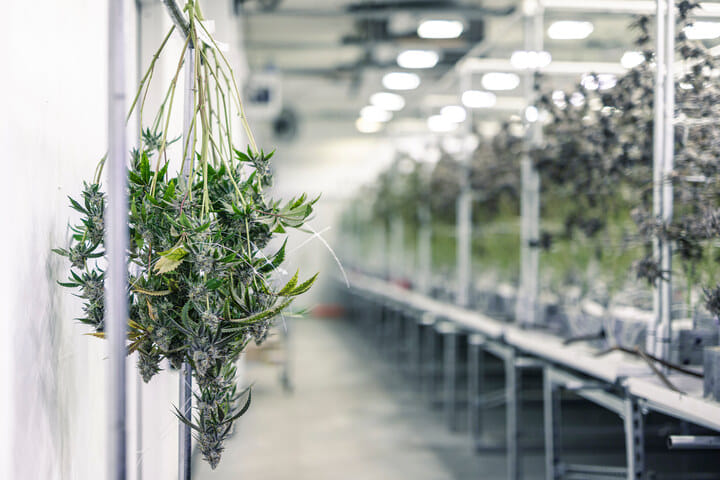
The most popular method for drying cannabis is air drying. Simply hang your trimmed branches or whole plants upside down in a cool, dark space with plenty of air circulation. The ideal temperature for drying is between 60-70°F (15-21°C), with relative humidity kept at 40-50%. This slow, steady approach allows moisture to leave the buds gradually, preserving cannabinoids and preventing mold. Make sure your drying area has good airflow—using a small fan can help, but avoid blowing air directly onto the buds.
For those looking for speed or working with larger harvests, machine drying is an option. While it can save time, it’s important to monitor temperature and humidity closely to avoid overdrying or damaging the delicate trichomes that contain THC.
Freeze drying is another method gaining popularity among cannabis growers who want to preserve the full spectrum of cannabinoids and terpenes. This technique involves freezing the buds and then using a vacuum to remove moisture. It’s gentle and effective, but requires specialized equipment and is usually reserved for high-end or commercial cannabis cultivation.
No matter which method you choose, always monitor temperature and humidity throughout the drying process. If the environment is too warm or humid, you risk mold and cannabinoid degradation. If it’s too dry, your buds can become brittle and lose potency. With the right conditions and a little patience, you’ll end up with high quality buds that retain their THC content and deliver a smooth, flavorful experience - and a potent one, to boot.
Common Mistakes to Avoid
Even experienced cannabis growers can run into trouble if they overlook the basics. Here are some of the most common mistakes to watch out for when growing cannabis, especially if you’re aiming for high quality buds and maximum THC production.
Insufficient Light: Cannabis plants need plenty of light, especially during the flowering stage. Not providing enough light can lead to stunted growth, weak buds, and lower THC levels. If you’re growing cannabis indoors, invest in quality grow lights and make sure your plants get the right number of hours of light for each stage.
Poor Temperature and Humidity Control: Maintaining the right temperature and humidity is crucial for healthy cannabis growth. Temperatures outside the 65-80°F (18-27°C) range or relative humidity above 60% can encourage mold, bud rot, and other plant diseases. Use a thermometer and hygrometer to keep your grow space in check.
Overwatering: While cannabis plants need water to thrive, too much can suffocate the roots and lead to root rot. Always let the top layer of your growing medium dry out before watering again, and ensure your pots have good drainage.
Nutrient Deficiencies: Cannabis plants require a balanced mix of nutrients throughout their life cycle. Not providing enough nitrogen during vegetative growth or enough phosphorus and potassium during the flowering stage can result in nutrient deficiencies, poor plant health, and reduced yields. Use quality nutrients and follow feeding schedules, but avoid overfeeding, which can also cause problems.
Lack of Regular Monitoring: Problems like mold, pests, and nutrient deficiencies can develop quickly. Regularly inspect your cannabis plants for any signs of trouble, especially during the flowering stage. Early detection and intervention are key to protecting your cannabis crop and ensuring a successful harvest.
By steering clear of these common pitfalls and paying close attention to your plants’ needs, you’ll be well on your way to growing cannabis indoors or outdoors that delivers high quality buds and impressive THC levels. Consistency, observation, and a little bit of patience go a long way in cannabis cultivation.
How To Grow Cannabis For Maximum THC Production: Frequently Asked Questions
Q. What strains of cannabis have the highest THC?
A. The list of high-THC strains grows every month. Breeders know that THC content is a key factor in the decisions many growers and consumers make when it comes to choosing a cannabis strain, so there's plenty of choice. Check Seedsman's High THC Cannabis Strain collection and you'll find an enviable range of seeds to pick from.
Q. Does more light always mean more THC?
A. Not always, but light intensity is one of the strongest drivers of both yield and potency. Studies show that higher PPFD (light intensity) during flowering increases THC concentration - up to a point. Beyond certain thresholds, too much heat or light stress can cause problems including bleaching, damage, or reduced cannabinoid production - the opposite of our aim. Outdoors in South Africa, the natural sunlight provides excellent intensity; indoors, high-quality LED or HPS lamps help maximize results.
Q. Can I increase THC by stressing the plant?
Yes - mild, controlled stress (like slightly reduced watering or limited UV exposure) can sometime stimulate more resin and THC, as cannabinoids protect the lant. However, uncontrolled stress - excess heat, nutrient burn, pests, or severe drought - will decrease potency and yield. Beginners are better off focusing on optimal conditions (light, nutrition, and proper harvest timing) rather than stress technqiues until they gain more growing experience.
I've never had an issue with seedsman. Ordering is simple and straightforward. I was notified of the shipping date and was able to track my order.
Was this review helpful?
Yes
No
8 hours ago
Eric Troutman
Verified Customer
I love seedsman. Every order is processed and shipped securely and in a timely manner.
Was this review helpful?
Yes
No
12 hours ago
Steve Bland
Verified Customer
Quick and on time highly recommend
Was this review helpful?
Yes
No
17 hours ago
Jesse Froseth
Verified Customer
Everything showed up as expected. Just disappointed there were no freebe seeds,with my order.
Was this review helpful?
Yes
No
1 day ago
Anonymous
Verified Customer
Great selection from quality breeders with fair prices and freebies.
Was this review helpful?
Yes
No
1 day ago
Loki Noir
Verified Customer
Great customer service also resolved my situation quickly 💪🏾
Was this review helpful?
Yes
No
2 days ago
Anonymous
Verified Customer
Quick and reliable,and great freebies. I will definetly use Seedsman for great seeds and service.
Was this review helpful?
Yes
No
2 days ago
TAMATHA WOOD
Verified Customer
Great place to shop..always have had good luck with quality. Delivery super quick!
Was this review helpful?
Yes
No
3 days ago
Anonymous
Verified Customer
Great selection, intuitive shopping and checkout and fast shipping. Every seed I’ve received has germinated successfully! I will continue to use Seedsman as my on source for great seeds!
Was this review helpful?
Yes
No
3 days ago
Anonymous
Verified Customer
Huge collection of strains. I've made several purchases and everything gets delivered fast.
Was this review helpful?
Yes
No
4 days ago
Joshua Van Derveer
Verified Customer
Really was ki da of surprised at the size of the seeds they was tiny . Haven't got to dirt yet
Was this review helpful?
Yes
No
4 days ago
Andrea Gilbert
Verified Customer
One of the seeds taking too long to sprout
Was this review helpful?
Yes
No
5 days ago
James Perretta
Verified Customer
Ordered some great seeds alwaya arive fast and top quality.
Was this review helpful?
Yes
No
5 days ago
Tavaris Yelder
Verified Customer
Great service
Was this review helpful?
Yes
No
5 days ago
Kurt Irizarry
Verified Customer
Extensive catalog, great prices, quick shipping. 2 out of 3 seeds popped I’d definitely buy again
Was this review helpful?
Yes
No
5 days ago
Eric Watkins
Verified Customer
Eazy to pick out and fast shipping. All ways great .
Was this review helpful?
Yes
No
United States, 5 days ago
Joseph Moreno
Verified Customer
Great seeds easy to grow
Was this review helpful?
Yes
No
5 days ago
Richard Marquez
Verified Customer
I like seeds men because it's not like other seed banks online. Everything's nice and categorize. Like cannabis seeds medical new breeders seeds for beginners. Then you can buy clones sometimes a limited amount and the promotions are cool I like them. If you have the money to spend, and you're not looking for a specific strain, my suggestion I would look at the promotions first before searching for a strain. Great seed bank