

If you’re preparing to grow cannabis and wondering “How long does it take for cannabis to grow?” - you’re not alone. For many growers, especially those starting out in South Africa’s diverse climates, understanding the cannabis life cycle is key to successful yields. While there are no absolutes, this guide offers a detailed overview of cannabis growth timelines, broken down by strain type – Indica, Sativa, Hybrid, Autoflowering, and Early/Fast strains – and by each growth stage.
These timelines assume ideal conditions, whether indoors or outdoors. Actual growth duration can vary depending on environmental conditions, genetics, and cultivation methods. Still, with the right care, the general timelines below will help you plan your grow from seed to harvest.
Introduction to Cannabis Plants
Cannabis plants are complex organisms that require specific conditions to grow and thrive. The life cycle of a cannabis plant consists of several stages, including seed germination, seedling stage, vegetative stage, and flowering stage. Each stage plays a crucial role in the plant’s development and overall health. For cultivators, understanding these stages is essential to optimize cannabis growth and maximize yields.
It's equally important to understand how different types of cannabis grow, and how long they take to traverse the stages of life, as this will help inform your seed-buying decisions. For example, if you're in a hot climate near or south of the equator, your environment is primed to grow Sativa strains outdoors. But if you're somewhere with a less hospitable climate, in other words, a lot of cold weather and shorter summers, you may benefit more from Fast/Early strains or even autoflowering cannabis varieties. Knowing how to choose cannabis strains goes a long way to getting the results you're after.
The Four Stages of Cannabis Growth
Before we get into how long it takes for cannabis to grow, it’s important to understand the four key stages of the plan’ts life:
Germination (Typically 1 to 7 days)
This is when life begins. Seeds develop taproots and the first embryonic leaves – cotyledons – emerge. Healthy seeds typically germinate within 24 to 72 hours, but some may take up to a week.
Seedling Stage (Typically 1 to 3 weeks)
Once sprouted, the plant enters the seedling stage. It develops its first “true leaves” and starts photosyntheisizing in earnest. Plants are extremely delicate here and require high humidity and gentle light. Master the seedling stage, and your plant is on track for good growth.

Vegetative Stage (2 to 8+ weeks)
This is the growth phase. Plants stretch vertically, grow wider, and develop a robust root system. They’ll need more nitrogen and more light intensity at this point. If you want to grow huge plants, you'll typically let them spend a little longer in veg. Understanding common vegetative stage problems and how to fix them can go a long way to helping your grow move forward without a significant hitch.
Flowering Stage (6 to 12+ weeks)
During flowering, the plant redirects energy to producing buds. The flowering process is crucial for achieving optimal yields, and different growing methods, such as light deprivation setups, can significantly influence the timing and success of this phase. The duration of this phase varies widely between strains. Light cycles (indoor) or seasonal changes (outdoors) trigger flowering.
How Long Does It Take For Cannabis To Grow by Plant Type?
Let’s explore the average timelines for each cannabis variety, assuming optimal indoor or controlled outdoor growing conditions. These are approximate durations, useful for planning your grow but by no means definitive.
Indica Cannabis Strains
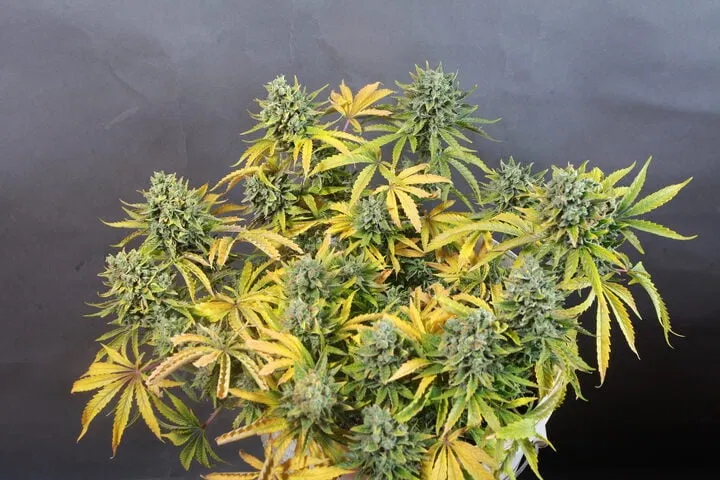
Overview:Indicas, originating from the Hindu Kush mountains, are typically short, bushy plants - expect dense foliage with broad fan leaves. Bred for colder, mountainous climates, they flower faster than sativa varieties and remain somewhat compact – ideal for indoor growing.
Approximate Growth Timeline:
Germination: (48 hours to 7 days)
Seedling Stage: 1 to 2 weeks
Vegetative Stage: 3 to 4 weeks
Flowering Stage: 8 to 10 weeks
Total Time: 12 to 16 weeks ( 3 to 4 weeks)
Why so fast?
Indicas evolved in environments with shorter growing seasons, so they’ve adapted to mature quickly. They’re favored for growers looking for a faster turnaround without sacrificing potency. Additionally, Indicas can be ready to harvest sooner, allowing growers to achieve optimal yields and effects based on their preferences.
Sativa Cannabis Strains
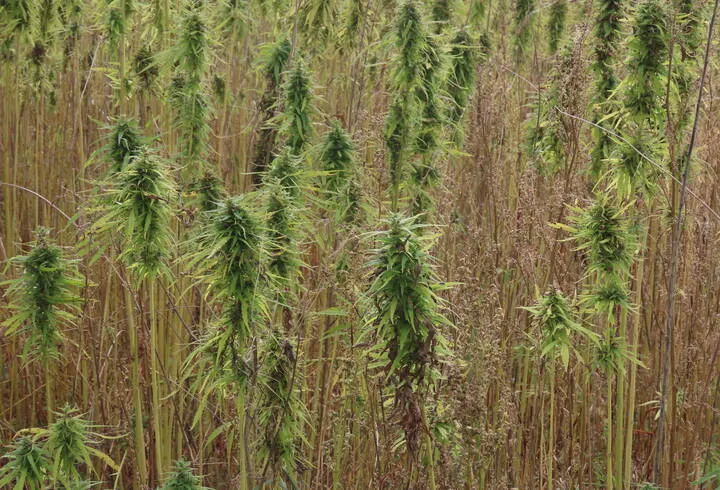
Overview:Sativas hail from equatorial regions like Southeast Asia, Colombia, and Africa. They’re typically tall and thin with narrow leaves and have a longer growth cycle. Many South African landraces (like Durban Poison) are sativa-dominant.
Approximate Growth Timeline:
Germination: 48 hours to 7 days
Seedling Stage: 1 to 2 weeks
Vegetative Stage: 4 to 6 weeks (can be longer)
Flowering Stage: 10 to 14 weeks
Total Time: 16-24 weeks (4 to 6 months)
Why the delay?
Sativas evolved in tropical regions with consistent daylight hours and long growing seasons. Their slower maturing buds are often airier but larger overall. The longer growth cycle of this cannabis strain influences its growth rate and yield.
Tip: Sativas are best grown outdoors in South Africa’s warmer provinces, where long summers allow them to reach full maturity.
Hybrid Cannabis Strains
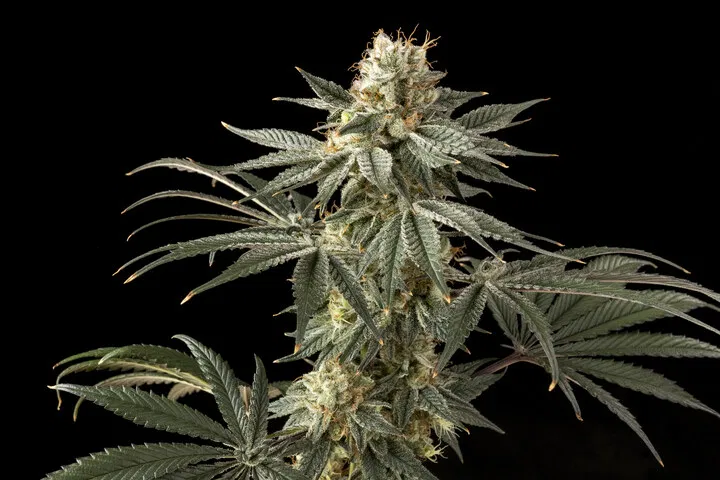
Overview:Hybrids are a mix of Indica and Sativa genetics, bred to capture desirable traits from both parents – faster growth, balanced effects, and adaptability.
Approximate Growth Timeline (Varies by dominance):
Germination: 48 hours to 7 days
Seedling Stage: 1 to 2 weeks
Vegetative Stage: 3 to 5 weeks
Flowering Stage: 8 to 12 weeks
Total Time: 14 to 20 weeks (3.5 to 5 months)
Why the variation?
The timeline depends heavily on the hybrid’s dominant genetics. An indica-leaning hybrid will likely flower quicker than a Sativa-leaning one.
Example:
A Sativa-dominant hybrid might need 12 weeks to flower, while an indica-dominant hybrid may finish in 8 to 9.
Autoflowering Cannabis Strains
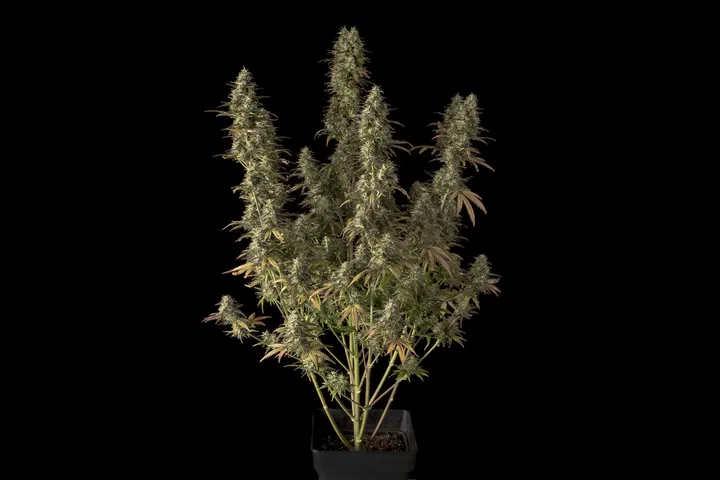
Overview:
Autoflowering strains contain genetics from Cannabis Ruderalis, a hardy variety from Central Asia. These strains begin flowering based on age rather than light cycles – typically within 3 to 4 weeks of germination.
Approximate Growth Timeline:
Germination: 1 to 5 days
Seedling Stage: 1 to 2 weeks
Vegetative Stage: 2 to 3 weeks
Flowering Stage: 5 to 7 weeks
Total Time: 8 to 12 weeks (2 to 3 months)
Why so quick?
Autoflowers are designed for speed and resilience. They’re ideal for multiple harvests in a single South African growing season or for discreet, small-scale indoor setups.
Caution:
Autoflowers are less forgiving of mistakes – stunted growth in the early stages usually means a reduced yield.
Fast (Early) Cannabis Strains
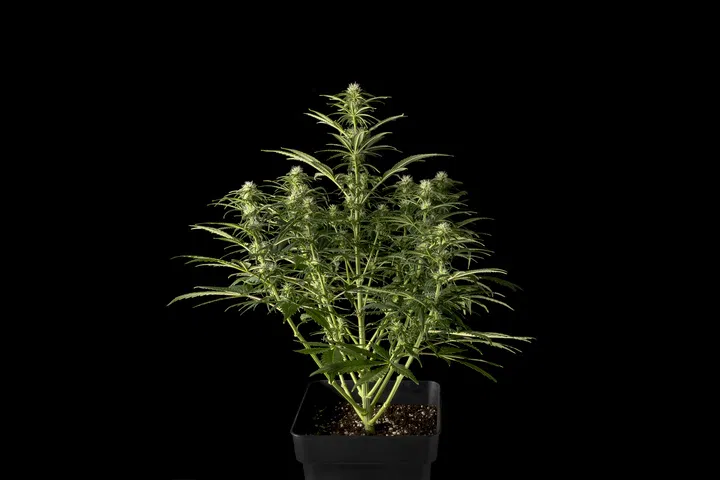
Overview:
Fast or “Early” strains are photoperiod plants bred with a touch of autoflower genetics. They’re designed to shave 1-2 weeks off flowering time without sacrificing yield or potency,
Approximate Growth Timeline:
Germination: 1 to 5 days
Seedling Stage: 1 to 2 weeks
Vegetative Stage: 3 to 4 weeks
Flowering Stage: 6 to 8 weeks
Total Time: 10 to 14 weeks (2.5 to 3.5 months)
Why the speed?
These strains combine the control of photoperiod plants with the speed of autos. They’re ideal for growers in regions with shorter growing seasons or early strains – common in parts of the Eastern and Western Cape.
Is Indoor Cannabis Cultivation Best For Speed?
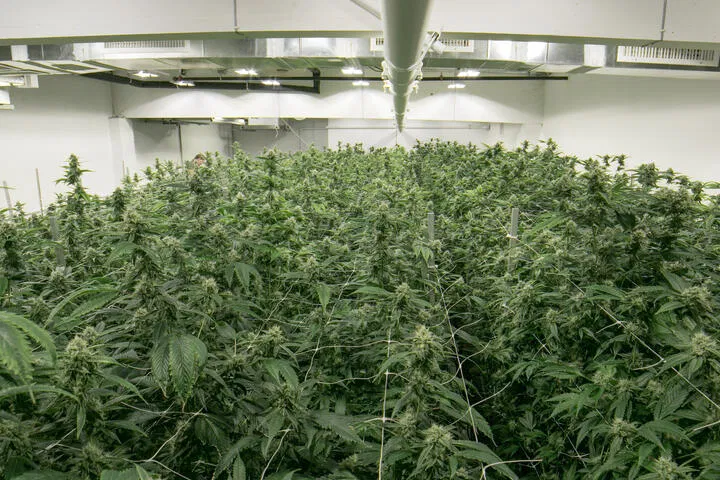
Indoor cannabis cultivation involves growing cannabis plants in a controlled environment, such as a grow room or tent. This method allows for precise control over temperature, humidity, and light cycles, which can lead to faster vegetative growth and higher yields. Indoor growers can use artificial light sources, such as LED or HPS lights, to provide the necessary hours of light for their plants. The cannabis plant life cycle can be manipulated by adjusting the light cycle, with most photoperiod cannabis plants requiring 12 hours of darkness to induce flowering.
One of the main advantages of indoor cannabis cultivation is the ability to create an optimal growing environment. By controlling factors such as temperature and humidity, growers can prevent common issues like mold and pests, which can hinder plant growth. Additionally, indoor cultivation allows for year-round growing, regardless of external weather conditions. Best of all, if you're looking to grow weed in a hurry, indoor growing allows you the kind of control over things like lighting that will help get your plants over the finish line a little bit quicker.
Factors That Affect Cannabis Growth Speed
Even if you plan you’re grow by the book, several variables can shift your schedule.
Indoor vs Outdoor: Indoors gives you total control, but outdoors is subject to local climate and seasons.
Light Cycles: Photoperiod plants require 18/6 (light/dark) in veg and 12/12 to flower. Autoflowers do not rely on this.
Genetics: Quality seeds from reputable breeders offer more consistent timelines. Most growers experience inconsistent timeframes for growing cannabis due to various factors such as genetics, environmental conditions, and cultivation methods.
Nutrients and Watering: Too much or too little can stress plants and delay growth.
Temperature and Humidity: High heat or humidity can incite pests or mold, slowing development.
Genetics and Origins: Why They Matter
Cannabis strains evolved in vastly different parts of the world, and this hiistory still influences how they grow today. Indicas adapted to harsh, short seasons, while Sativas evolved slowly in tropical areas with long seasons. Ruderalis, on the other hand – the genetics used in autoflowering cannabis strains – developed in extreme, fast-changing environments, leading to their autoflowering trait. . When choosing a strain, think about your local climate, grow space, and how long you’re willing to wait.
How Long Does It Take For Cannabis To Grow? Final Thoughts
So, how long does it take for cannabis to grow? Anywhere from 8 weeks to 6 months, depending on your strain and setup. Each plant follows its own timeline, influenced by its genetics and environment. The good news? With the right knowledge, you can choose a strain and schedule that works for you.
Kepp in mind, thse estimates assume an ideal grow without hiccups. Real-world factors – pests, nutrient imbalances, weather shifts – can cause delays. But with careful planning and a bit of patience, you’ll be harvesting top-quality cannabis in no time.