
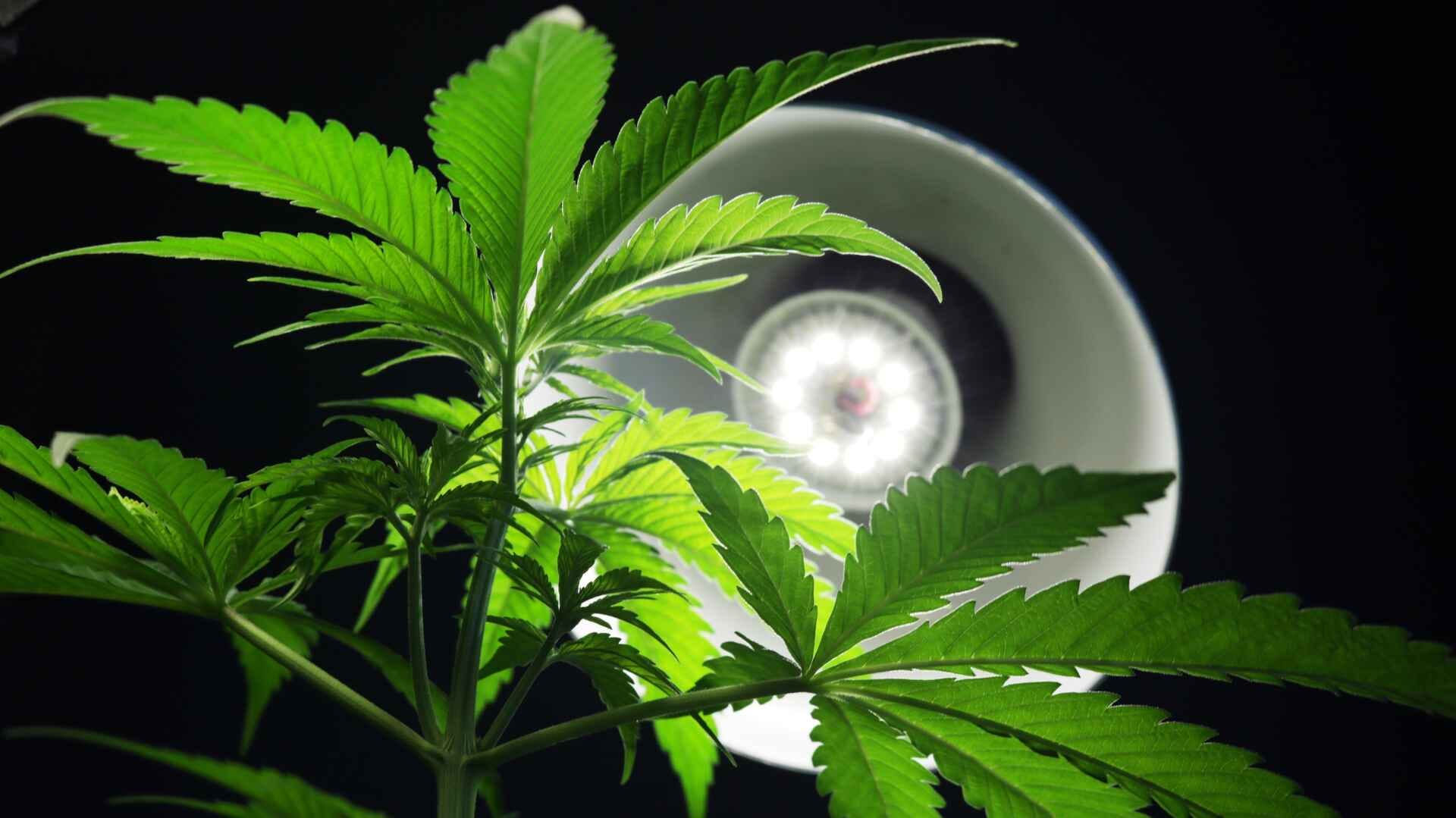

South Africa's cannabis growing community heaved a collective sigh of relief after it was recently announced that plans to introduce load shedding mesaures would be suspended. This comes after State-owned utility Eskom cut up to 3 GW of capacity under “Stage 3” load shedding from 17:00 on Jan. 31 to 06:00 on Feb. 2, the first instance of the practice in over 10 months The move has staved off concerns in the cultivation community about how crops would thrive successfully without the necessary power to run essential growing equipment such as lights, fans, and more while the power grid undergoes a necessary rest. Growing cannabis indoors during load shedding sees the potential for problems.
But what exactly is load shedding, how does it affect cannabis growers, and what can you do to ensure it doesn't put paid to your precious plants? Seedsman has the answers you seek. There's a fair bit to digest here, so bookmark this article and refer back to it the next time the grim spectre of load shedding rears its ugly head.
Understanding Load Shedding and Its Impact on Cannabis Cultivation

Load shedding refers to the intentional, temporary suspension of electricity supply to specific areas to prevent the entire power grid from collapsing when demand exceeds supply. In South Africa, this practice has been a recurring challenge due to various factors affecting the national power utility, Eskom. While load shedding is an inconvenience for the general populace, it poses significant challenges for indoor cannabis cultivators who depend heavily on a consistent power supply for lighting, ventilation, irrigation, and control systems.
The Frequency and Recent History of Load Shedding in South Africa
Historically, load shedding in South Africa has varied in frequency and intensity. In 2015, load shedding occurred approximately 9.7% of the time, averaging about three days per month. This frequency increased over the years, reaching 33.4% of the time by 2022, equating to about ten days per month. The third quarter of 2022 marked an all-time high, with load shedding implemented for 1,054 hours, or 47.7% of the time, averaging nearly 15 days per month.
In a positive turn, Eskom's Generation Recovery Plan led to over ten months of uninterrupted electricity supply. However, a temporary setback occurred recently, necessitating the implementation of Stage 3 load shedding from 17:00 on January 31 to 06:00 on February 2, 2025. This interruption was due to multiple breakdowns that required extended repairs and depleted emergency reserves. Following these repairs, Eskom suspended load shedding as of 06:00 on February 2, 2025, after recovering sufficient emergency reserves. That's good news, sure - but how did your plants cope?
Challenges Posed by Load Shedding to Cannabis Growers

Indoor cannabis cultivation relies on a stable electricity supply to maintain optimal growing conditions. Load shedding disrupts this stability, and unfortunately for growers, this causes numerous potential issues, such as:
Interrupted Light Cycles: As any grower will tell you, cannabis plants require strict light schedules, especially during the flowering stage. Any kind of power outages can disrupt these cycles, causing plant stress, stunted growth, or even hermaphroditism, where plants develop both male and female characteristics, leading to seed production instead of high-quality buds.
Compromised Ventilation and CO₂ Levels: Ventilation systems are crucial for maintaining air quality, controlling humidity, and supplying adequate CO₂ levels to a weed grow. Power outages halt these systems, resulting in stagnant air, increased humidity, and reduced CO₂, which can hinder photosynthesis and promote mold growth in cannabis crops.
Temperature and Humidity Fluctuations: Climate control systems regulate the grow environment's temperature and humidity. During load shedding, these systems shut down, leading to environmental fluctuations that can stress plants and increase susceptibility to diseases.
Watering and Irrigation Challenges: Automated irrigation systems depend on electricity. Power interruptions can delay watering schedules, causing drought stress or nutrient imbalances, particularly in hydroponic setups where water circulation is vital.
As you can see, the potential for headaches while growing cannabis indoors during load shedding is high.
Strategies to Mitigate Load Shedding Impact on Cannabis Cultivation
That's the bad news out of the way. The good news is, there are steps you can take if growing cannabis indoors during load shedding to ensure it doesn't mean the death knell for your treasures. To maintain healthy cannabis crops during load shedding, you can implement several strategies:
Plan Around Load Shedding Schedules
First and foremost, stay informed about Eskom's load shedding schedules through official channels or mobile applications like EskomSePush. By anticipating outages, you can adjust light and watering schedules accordingly. For instance, if a power cut is expected in the evening, consider watering your plants earlier in the day to ensure they receive the moisture they need. When you're growing cannabis indoors during load shedding, forewarned is forearmed, and that tactical advantage can save your crops.
Invest in Backup Power Solutions
You've shelled out for your growing equipment already and the last thing you want is to have to rack up more costs. Yes, it can get expensive, but it's a price worth paying if you want to ensure your crops survive these periods unscathed. The size of your grow and quality of the equipment you choose will have the biggest bearing on the overall expense.
Generators: Investing in a fuel-powered generator can provide electricity to essential growing systems during outages. While the initial cost can be significant, it ensures that critical components like lighting and ventilation remain operational if the grid goes down.

Inverter and Battery Backup Systems: These systems store electricity when the grid is active and supply power during outages. They are quieter and more environmentally friendly than generators, but they may have limitations in capacity and duration.
Solar Power Systems: Installing solar panels with battery storage offers a sustainable and long-term solution. Although the upfront investment is substantial, it reduces reliance on the grid and provides a renewable energy source for your cultivation needs.
Utilize Energy-Efficient Equipment
It pays in the long term to do your bit to reduce the stress placed on the grid, so if you're not using the following equipment, it's worth considering a few changes to the tools you use to raise your cannabis plants.
LED Grow Lights: Switching to LED grow lights can reduce energy consumption by up to 50% compared to traditional HID or HPS lights. LEDs also produce less heat, decreasing the burden on cooling systems.
Efficient Ventilation Systems: Opt for DC-powered or battery-operated fans that consume less power. Additionally, consider using passive ventilation techniques, such as strategically placed vents, to promote air circulation without electricity.
Maximize Natural Light and Hybrid Growing Methods:
Natural Sunlight: If your grow space has access to natural light, arrange your plants to receive maximum exposure during daylight hours. This approach can supplement artificial lighting and reduce overall energy consumption.
Hybrid Growing Setups: Combining indoor and greenhouse cultivation allows plants to benefit from natural sunlight while providing the option to move them indoors during unfavorable weather conditions or to maintain controlled environments.

Have a back-up plan for watering plants:
Manual Watering: Keep a reserve of water and necessary nutrients to manually irrigate your plants during power outages. This practice ensures that plants remain hydrated and receive essential nutrients even when automated systems are down.
Gravity-Fed Irrigation Systems: Implementing a gravity-fed system can provide a reliable, electricity-independent method of watering. By placing a water reservoir at a higher elevation than your plants, you can utilize gravity to deliver water through drip lines or soaker hoses.
Maintaining Climate Stability Without Electricity

Temperature and humidity fluctuations can be disastrous for cannabis plants, particularly during flowering. Without power, climate control systems like air conditioners, heaters, and dehumidifiers immediately become useless. However, cultivators can use several alternative methods to maintain stable environmental conditions:
Passive Cooling and Heating
During hot weather, growers can place containers of ice or frozen water inside the grow room to absorb heat and lower temperatures. Reflective insulation or Mylar sheets can also help deflect excess heat away from the growing area. Conversely, during cold periods, thermal mass materials such as bricks, water barrels, or dark-colored stones can retain heat and release it slowly to keep temperatures stable.
Managing Humidity Without Power
High humidity can encourage mold, mildew, and pests, particularly in a sealed grow environment with no ventilation. To mitigate this, growers can use desiccant materials like silica gel, activated charcoal, or even rock salt to absorb excess moisture from the air. Additionally, spreading a thin layer of dry rice in trays around the grow space can help reduce humidity levels.
Strategic Ventilation Without Electricity
Without electric exhaust fans, air circulation can become stagnant, increasing the risk of mold and pest infestations. Growers can create natural airflow by slightly opening vents or doors to promote at least some short-term passive ventilation. Hand-operated or battery-powered fans can also be useful in maintaining air movement within the grow space.
Preventing and Managing Pest Infestations During Load Shedding
Load shedding can indirectly contribute to pest infestations due to increased humidity and decreased airflow. Without proper ventilation, spider mites, aphids, whiteflies, and fungus gnats can thrive in the still, humid air. Growers should take proactive steps to prevent infestations by:
Introducing Natural Predators
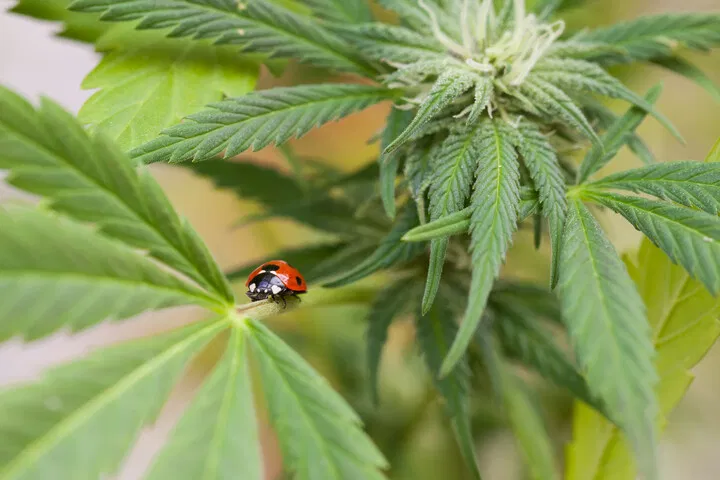
Beneficial insects such as ladybugs, lacewings, and predatory mites can help control pest populations naturally without relying on electronic pest deterrents.
Applying Organic Pest Control Methods
Neem oil, diatomaceous earth, and insecticidal soap sprays can be used as organic solutions to keep pests at bay. Since many of these treatments require direct application, growers should inspect their plants frequently, especially during power outages.
Keeping Grow Spaces Clean and Organized
Regularly removing dead plant matter, debris, and excess moisture can prevent pests from settling in the grow area. Maintaining hygiene is essential to avoid attracting insects and mold.
Conclusion: Thriving Despite Load Shedding
Growing cannabis indoors during load shedding presents a significant challenge for cannabis growers in South Africa, disrupting light cycles, ventilation, irrigation, and climate control. However, with careful planning and smart investments, you can mitigate these risks and ensure healthy, high-yielding crops despite frequent power outages. By staying informed about Eskom's load shedding schedules, cultivators can anticipate power cuts and adjust their growing practices accordingly. Backup power solutions such as generators, inverters, and solar panels can keep essential systems running, while energy-efficient equipment like LED lights and low-wattage ventilation reduces overall dependency on electricity.
Additionally, natural light supplementation, passive climate control strategies, and manual irrigation techniques can help cannabis plants survive and thrive even during extended outages. By implementing preventative measures against pests and mold, growers can further protect their plants from unforeseen threats.
While load shedding is an ongoing issue in South Africa, adapting to these challenges and integrating resilient cultivation techniques will ensure that cannabis growers can continue to produce high-quality yields, regardless of the power situation. With the right strategies and a dip into the rainy day fund to add a few new bits of necessary kit, load shedding does not have to mean crop failure—it can be an opportunity to innovate and refine cultivation methods. Where there's weed, there's a way.