

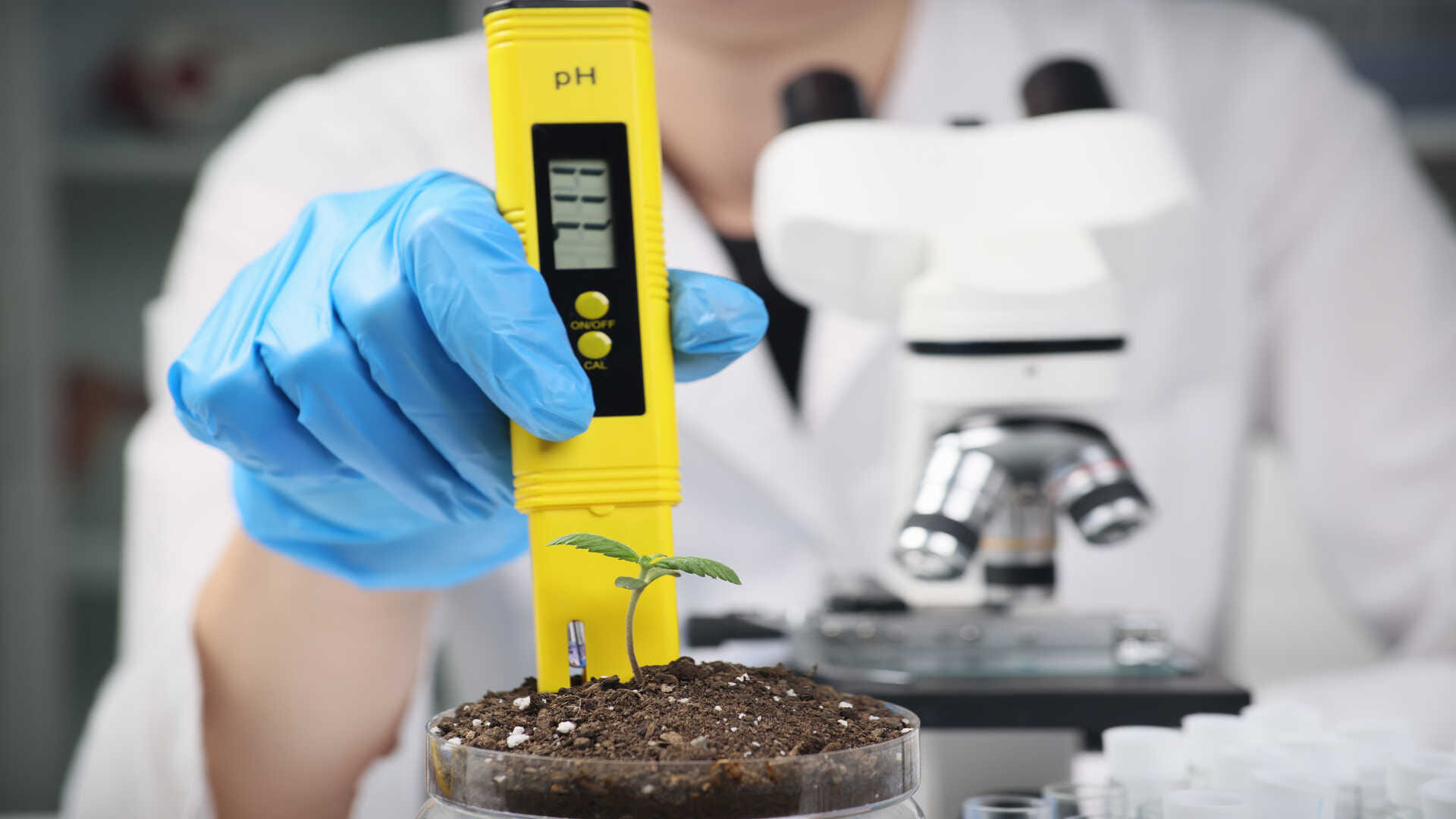
Ask any grower what's needed to grow healthy cannabis plants and they'll tell you to provide plenty of light, water, and nutrients. While these elements are essential, there's another factor that determines whether your plants can actually access the food you provide: pH.
Understanding cannabis pH is a valuable skill growers can develop. When pH is balanced, roots can absorb the nutrients they need for vigorous growth, strong flowering, and healthy yields. When pH drifts too far in either direction, plants can struggle even when adequate nutrients are present.
This is why many nutrient problems are caused not by a lack of fertiliser, but by the plant being unable to use what's already available. This article is designed to help give growers a better understanding of why cannabis pH matters, and how to test and correct pH levels in the grow room.
Cannabis pH: What It Means and Why It Matters
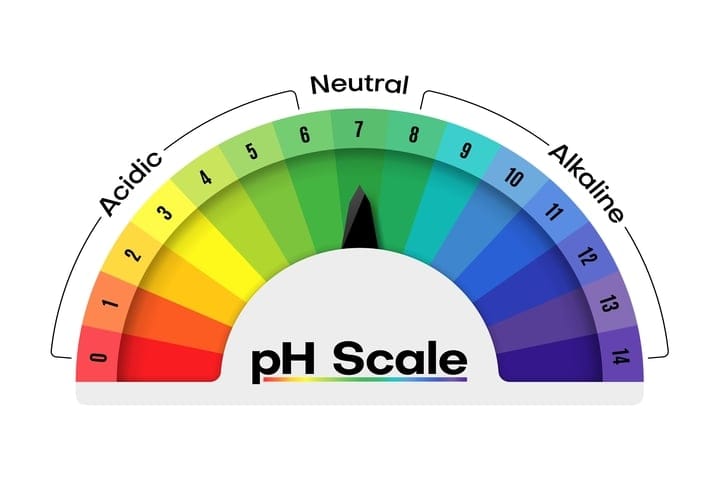
pH stands for "potential of hydrogen" and measures how acidic or alkaline a solution is. The pH scale runs from 0 to 14, with 7 considered neutral. Anything above 7 is alkaline, and anything below 7 is acidic.
For cannabis plants, pH affects the chemical availability of nutrients around the roots. Each essential element has a range where it is easiest for plants to absorb. If the growing medium becomes too acidic or too alkaline, some nutrients become harder for the plant's roots to access. This can create a frustrating situation for growers: the nutrients are there, but the plant can't use them.
Maintaining the correct cannabis pH helps create the right conditions for nutrient uptake, healthy root development, and efficient growth throughout the plant's lifecycle.
Related Article:The Science Of Cannabis Root Health: Tips For Vigorous Plants
Why Does pH Affect Cannabis Nutrient Uptake?
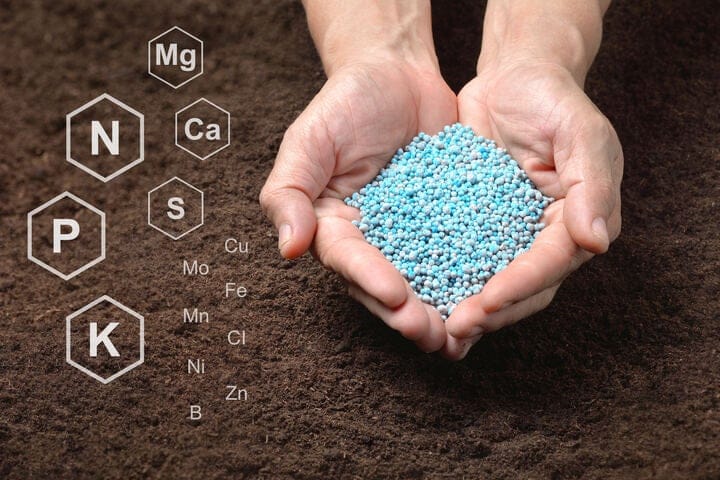
Cannabis needs a range of nutrients to complete its lifecycle. The main macronutrients - nitrogen, phosphorus, and potassium - are all needed in larger quantities, while calcium, magnesium, iron, and other micronutrients are required in smaller amounts. However, availability depends on the environment around the roots.
When pH moves outside the ideal range, certain nutrients can become chemically unavailable. This phenomenon is what growers refer to as nutrient lockout.
For example:
- A ph that is too high can reduce the availability of iron, managenese, and phosphorus.
- A pH that is too low can affect calcium and magnesium uptake.
- Extreme pH levels can limit several nutrients at the same time.
The result is often a plant displaying signs of deficiency despite receiving a complete feeding programme. This is why experienced growers check pH readings before simply increasing nutrients.
Related Article:Each Cannabis Nutrient Explained
The Ideal Cannabis pH Range
The ideal cannabis pH range depends on the growing medium. Different environments hold and release nutrients in different ways, meaning the target range changes slightly.
Cannabis pH in Soil
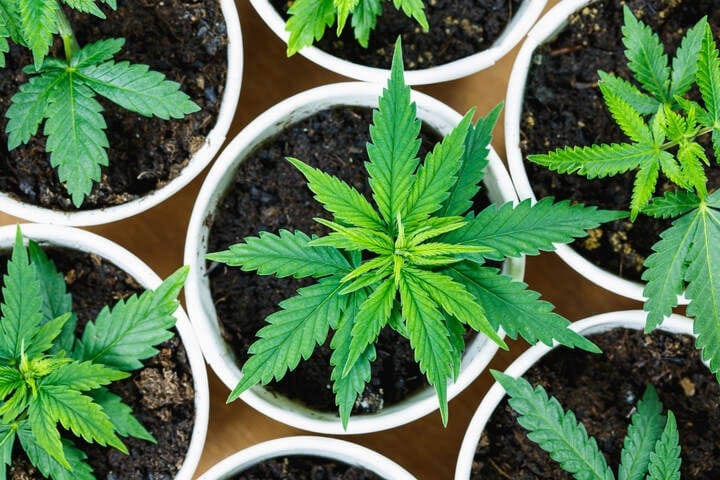
For cannabis plants grown in soil, the recommended pH range is generally:
pH 6.0-7.0
Many growers aim for around 6.3-6.8, where the majority of essential nutrients are readily available.
Healthy soil also contains beneficial microorganisms that help break down organic matter and release nutrients. A living soil environment can naturally buffer small changes in pH, reducing the need for constant adjustment.
Cannabis pH in Coco Coir
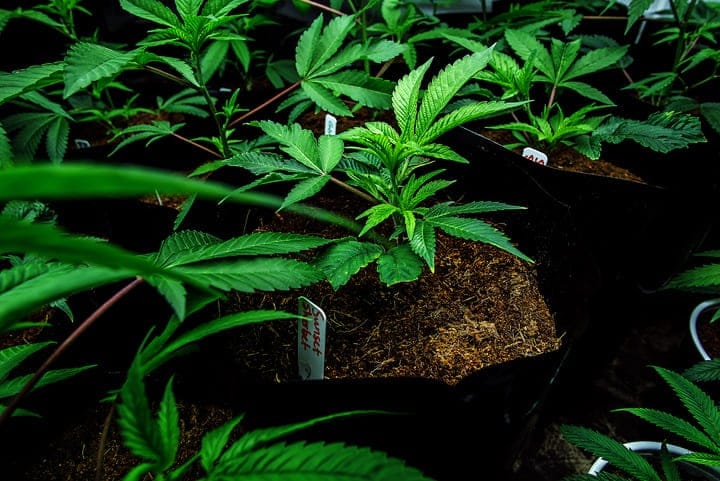
Coco coir behaves differently from soil and does not contain the same nutrient reserves. The ideal range is usually:
pH 5.8-6.2
Because coco is an inert medium, meaning it is sterile, non-reactive, and contains no nutrients of its own, growers need to pay closer attention to nutrient solution pH and feeding consistency.
Related Article:How To Grow Cannabis In Coco Coir
Cannabis pH in Hydroponic Systems

Hydroponic cannabis grows without traditional soil, meaning roots are directly exposed to the nutrient solution. A suitable range is generally:
pH 5.5-6.5
Many hydroponic growers allow pH to move naturally within this range rather than constantly correcting it. Small fluctuations can encourage access to a broader range of nutrients.
How Incorrect pH Causes Nutrient Lockout
Nutrient lockout is one of the most common reasons cannabis plants develop problems, and this condition can cause a long list of issues. A plant suffering from nutrient lockout can show symptoms including:
- Yellowing leaves
- Brown spots
- Slow growth
- Weak stems
- Poor bud development
- Leaf discolouration
While it may seem this makes it fairly easy to identify nutrient lockout, the reality is that it's anything but. The big challenge here is that these symptoms often look identical to symptoms of a genuine nutrient deficiency. For example, a grower may see yellow leaves and immediately add more nitrogen. However, if the root zone pH is off, adding more nutrients won't solve the underlying issue.
In some cases, adding nutes can make the problem even worse by increasing nutrient concentration around already stressed roots. Before adding more feed, check whether the plant can actually access what is already there.
Signs Your Cannabis pH May be Incorrect
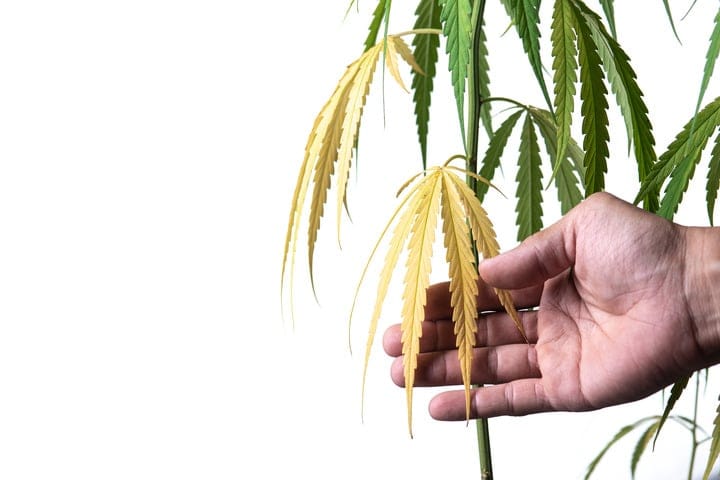
Plants can't tell us their pH level directly, but they often show warning signs. Part of becoming a great grower means learning to read these signs and learn when your plants are trying to communicate. It's vital to understand the plant, not just the process. Common indicators of incorrect pH include:
Multiple Nutrient Deficiency Symptoms
If several different deficiencies apper at the same time, pH should be one of the first things checked.
Slow or Stunted Growth
Incorrect pH can interfere with root function, reducing the plant's ability to take in water and nutrients.
Leaf Discolouration
Yellowing, spotting, or unusual colour changes can occur when essential nutrients are unavailable.
Weak Flower Development
During flowering, nutrient availability becomes especially important. Poor pH management can affect the plant's ability to access the elements it needs for healthy bud production.
Remember that these symptoms can have other causes too. pH is one piece of the puzzle, not the only explanation.
How to Test Cannabis pH
Keeping on top of pH is essential, and regular testing is the easiest way to prevent problems before they appear. The most common methods are:
Digital pH Meters

Digital meters are popular because they provide accurate readings quickly, and they're relatively inexpensive to buy. However, they do require regular calibration to remain reliable. A quality pH pen should be:
- Calibrated regularly
- Cleaned after each use (rinse the electrode with de-ionised or distilled water)
- Stored correctly (it's common to put a little potasssium hydrochloride storage solution in the electrode cap)
Liquid Test Kits
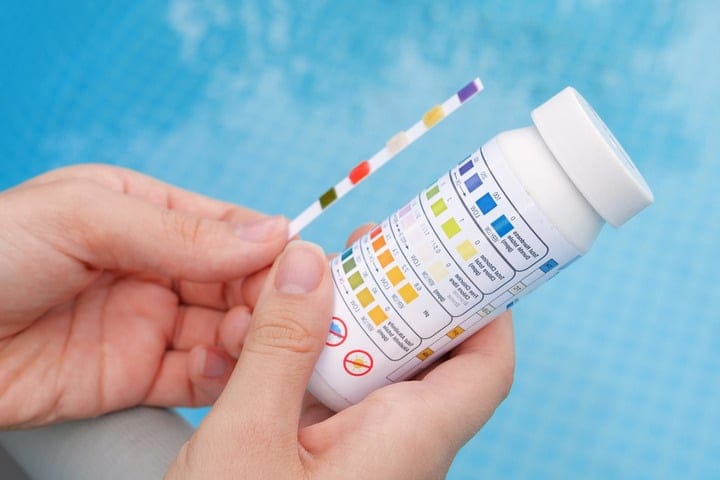
Liquid pH testing kits are affordable and simple to use. They're less precise than digital meters but can still provide useful information. Simply fill the test vial with water or nutrient solution and gently mix. Match the colour of the sample to the chart supplied with the kit to identify the pH.
Testing Nutrient Solution
Always check the pH after mixing nutrients into water. Adding nutrients can significantly change the pH compared with plain water.
For the most accurate results:
- Add nutrients to water
- Mix thoroughly
- Let the solution settle
- Test and adust the pH
How to Adjust Cannabis pH
If your pH is outside the ideal range, small adustments are usually all that's needed to bring it back in line. Commercial pH adustment products are commonly sold as:
- pH Up, for raising pH.
- pH Down, for lowering pH.
Nice and simple, and avoids any confusion.
Always make changes gradually when adusting pH. Large swings can stress plants and make accurate readings more difficult.
It's also important to remember that pH should be adjusted after nutrients have been added. Nutrient solutions can change significantly once fertilisers are mixed.
How to Raise or Lower Cannabis pH
Once you know the pH of your water or nutrient solution, the next step is understanding how to bring it back into the ideal range. Small adjustments are usually all that is needed, and gradual changes are far better for plants than sudden swings.
Lowering Cannabis pH
Many tap water supplies naturally sit on the alkaline side of the pH scale, meaning growers often need to reduce pH rather than increase it.
To lower pH:
- Mix nutrients in water first.
- Add a small amount of pH Down.
- Stir thoroughly and allow the solution to settle.
- Test the pH again and make further adjustments if needed.
The key is patience. Adding too much pH Down at once can cause the pH to overshoot the target range, making it harder to achieve a stable solution.
Raising Cannabis pH
If the water or nutrient solution is too acidic, pH Up can be used to bring it back towards the ideal range.
The process is the same:
- Add a small amount of pH Up.
- Mix thoroughly.
- Test the solution.
- Repeat until the desired reading is reached.
Making gradual changes gives you better control and reduces unnecessary stress on your plants.
Natural Ways to Influence Soil pH
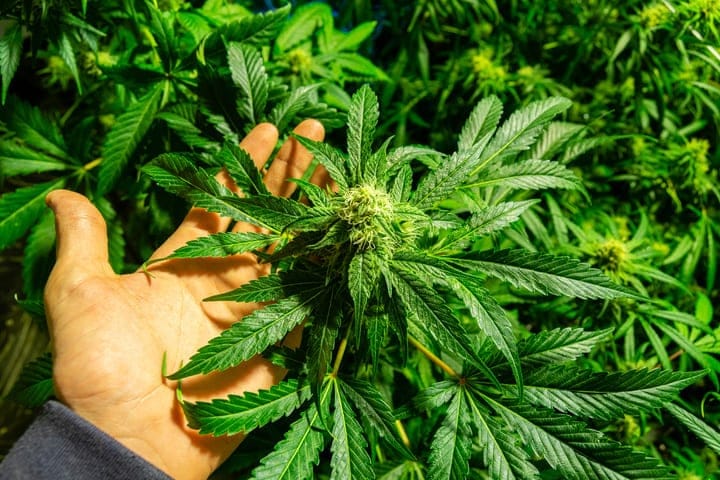
While bottled pH adjusters are useful for managing nutrient solutions, soil growers have other options for influencing pH over time. Organic materials such as compost, worm castings and well-prepared manures can help create a more balanced soil environment while also supporting beneficial microbial activity around the roots.
Some natural amendments can also gradually lower soil pH, including certain composted plant materials and organic matter. However, these methods work slowly and are better viewed as part of long-term soil management rather than a quick fix.
For raising soil pH, lime products are among the most commonly used amendments. They work by reducing soil acidity and can provide additional calcium, depending on the type used.
Wood ash is another traditional amendment that can increase soil pH while adding minerals such as potassium and calcium. However, it should be used carefully, as excessive amounts can raise pH too quickly and disturb nutrient balance.
A Note About Household pH Adjustments
Some growers use household products such as vinegar or lemon juice to lower pH. While these can temporarily change acidity and are certainly easy on the wallet, they're not designed as stable horticultural solutions. Their effects can be short-lived, and repeated use may create inconsistent growing conditions. For growers looking for predictable results, purpose-made pH adjustment products are usually the better choice.
The goal of pH management is not to constantly chase a perfect number. It's to create a stable environment where roots can access the nutrients they need to support healthy growth.
Do Organic Growers Need to Worry About Cannabis pH?
Organic growers often approach pH a little differently because healthy soil contains a living ecosystem of microorganisms that can naturally help regulate nutrient availability. A well-built living soil can buffer moderate changes and reduce the need for constant adjustment. However, pH still matters. Extremely acidic or alkaline conditions can affect microbial activity and nutrient availability even in organic systems.
Common Cannabis pH Mistakes
Even experienced growers can make mistakes when managing cannabis pH. Some common errors include:
Adjusting Before Adding Nutrients
pH can change once nutrients are introduced. Always test the final solution.
Ignoring Calibration
A poorly calibrated pH meter can provide inaccurate readings and lead to unnecessary adjustments.
Adding More Nutrients Intsead of Checking pH
If nutrients are unavailable, adding more will not fix the problem..
Overreacting to Runoff Measurements
Runoff pH can provide useful information, but it should be considered alongside plant health, feeding practices and growing medium.
Cannabis pH Explained: Final Thoughts
Understanding cannabis pH gives growers a much clearer picture of what's happening beneath the surface. A plant can only use the nutrients available to its roots, and pH plays a major role in making those nutrients accessible.
By learning how to test, monitor, and adjust pH, growers can prevent many common problems and create a more consistent environment for their plants. Growing cannabis is a process of observation, learning, and refinement. Mastering fundamentals such as pH management helps every grow become a more successful, more rewarding experience.
Cannabis pH FAQs
What is the best pH for cannabis plants?
The ideal range depends on the growing medium. Soil growers should usually aim for around pH 6.0-7.0, while coco and hydroponic growers typically use slightly lower ranges, around 5.5-6.5.
Can cannabis plants recover from pH problems?
Yes. Once the correct pH range is restored, healthy plants can often recover and resume normal growth.
Should I check pH every time I water my cannabis plants?
For hydroponic and coco grows, regular testing is strongly recommended. Soil growers may need less frequent monitoring depending on the condition of the growing medium.
Does tap water need adjusting before feeding cannabis?
It depends on the local water supply. Some tap water naturally falls within a suitable range, while others may require adjustment.
Can pH problems look like nutrient deficiencies?
Yes. Nutrient lockout caused by incorrect pH often produces symptoms that look very similar to a deficiency.
------------------------------------------------------------
References
Barrow NJ, Hartemink AE. The effects of pH on nutrient availability depend on both soils and plants. Plant and Soil. 2023;487(1–2):21–37. https://doi.org/10.1007/s11104-023-05960-5
University of Maryland Extension. Soil pH Affects Nutrient Availability. https://extension.umd.edu/resource/soil-ph-affects-nutrient-availability
University of Maine Cooperative Extension. Bulletin #1087: Soil pH. https://extension.umaine.edu/publications/1087e
Colorado State University Extension. Changing Soil pH. https://extension.colostate.edu/resource/changing-soil-ph
University of California Agriculture and Natural Resources. Nutrient Availability. https://ucanr.edu/blog/real-dirt/article/nutrient-availability
Gent MPN, Ferrandino FJ. Substrate pH Influences Growth and Nutrient Accumulation in Industrial Hemp (Cannabis sativa L.). HortScience. 2020;55(4):462–468.
