

When growing cannabis indoors, choosing the right grow light is one of the most important decisions you’ll make. Lighting has a direct impact on growth speed, plant structure, and overall yield. If you choose the right LED grow lights for your setup, your plants can thrive and reach their full potential. However, if you get it wrong, even the best genetics may struggle to produce quality results.
The reality is that there is no single “best” grow light. The right choice depends entirely on your space, your setup, and your goals as a grower. What works perfectly in a small grow tent may not be effective in a large grow room, and what’s ideal for seedlings won’t necessarily work for plants in the flowering stage. Instead of focusing on specific products, it’s far more valuable to understand the core principles behind cannabis lighting.
Start with Your Grow Space and Canopy
The first step in choosing the right grow light is understanding your grow space. Everything starts with canopy size, which refers to the top layer of your plants where most light absorption occurs. Your goal is to deliver consistent and even light across this entire surface.
One of the most common mistakes growers make is choosing a light that is either too powerful for a small space or too weak for a larger one. Plants that receive strong, even light tend to grow vigorously, while those in dim or uneven areas often stretch, weaken, and produce smaller yields.

Instead of focusing only on the number of plants, think about total coverage. A general guideline for LED grow lights is around 20 to 40 watts per square foot, with the higher end of that range being more suitable for flowering.
In smaller setups, such as a 3×3 grow tent, a single high-quality LED fixture is usually sufficient. However, in larger grow spaces, multiple lights are often needed to achieve even coverage. Slightly overlapping light footprints can help eliminate dark spots and create a more uniform canopy. Some advanced growers even use supplemental side lighting to improve coverage further and ensure all bud sites receive adequate light.
Efficiency Matters More Than Ever

Once you understand your space, the next factor to consider is efficiency. Modern LED grow lights are designed to convert electricity into usable light as efficiently as possible, which not only improves plant growth but also reduces energy costs.
Efficiency is measured in µmol/J (micromoles per joule). This metric tells you how much usable light your plants receive for every unit of electricity consumed. A solid baseline for modern LED grow lights is around 2.5 µmol/J or higher, which offers a strong balance between performance and energy efficiency.
Choosing a more efficient light means you can achieve better growth while generating less heat and using less electricity over time.
Types of Grow Lights
When selecting a grow light, it’s important to understand the main types available and how they compare.
Related Article:LED VS HPS Light Which Are Best For Growing Cannabis?
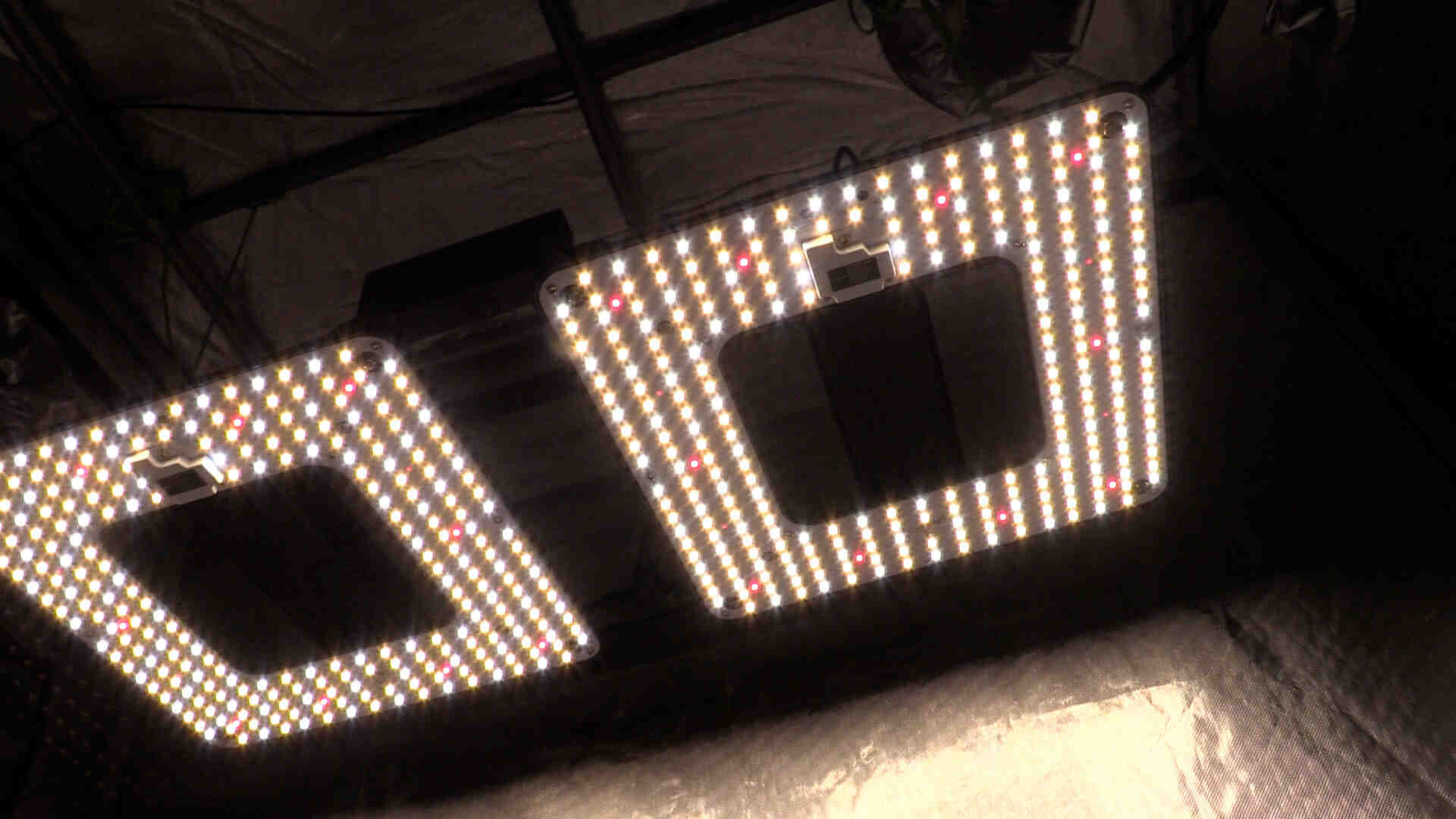
LED grow lights are now the most popular option for indoor cannabis cultivation. They provide a full spectrum of light that supports the entire lifecycle of the plant, from vegetative growth through flowering. They also run cooler than older technologies, last significantly longer, and allow for better control over light intensity and distribution. For most growers today, LED grow lights are the best overall choice.

HID lighting, which includes high-pressure sodium (HPS) and metal halide (MH), was once the industry standard. These lights are powerful and capable of producing high yields, but they generate a significant amount of heat and require additional cooling systems. They also tend to have shorter lifespans and higher operating costs compared to LEDs.

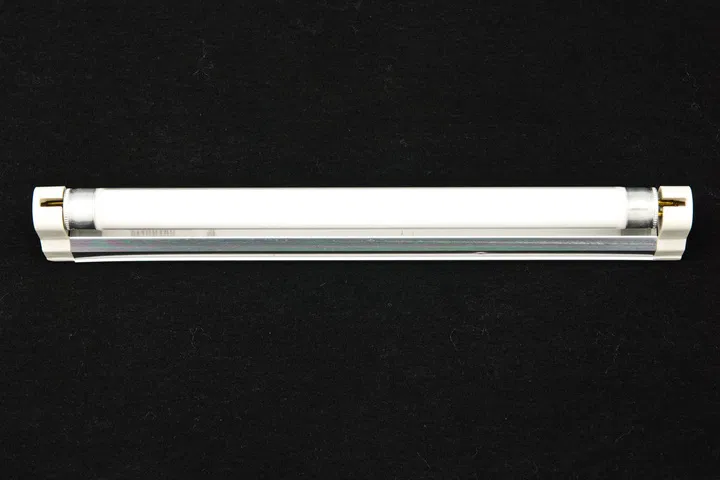
Fluorescent lighting, such as T5 fixtures, is typically used for seedlings and clones. While these lights are affordable and easy to use, they lack the intensity needed for full-cycle growth and are not suitable for maximizing yields.
Light Spectrum and Plant Growth
Light intensity is important, but so is the spectrum—the range of wavelengths your grow light emits. Different wavelengths influence different stages of plant development.
Blue light (400–500 nm) is most important during the vegetative stage, as it promotes compact, leafy growth. Red light (600–700 nm) plays a larger role during flowering, encouraging bud development and increased yields.
Modern LED grow lights often provide a full-spectrum output, combining both blue and red wavelengths into a balanced light source that mimics natural sunlight. This allows growers to use a single fixture throughout the entire grow cycle without needing to switch lights between stages.
Related Article:Understanding Light Spectrum In Cannabis Cultivation
Understanding PPFD and Light Distribution
Another critical concept in choosing a grow light is PPFD (Photosynthetic Photon Flux Density). This measures how much usable light actually reaches your plant canopy. Unlike lumens, which measure brightness for human eyes, PPFD focuses specifically on the wavelengths plants use for photosynthesis.
Different growth stages require different PPFD levels. Seedlings generally need around 200–400 PPFD, vegetative plants thrive at 400–600 PPFD, and flowering plants perform best between 600–900 PPFD. The key is not just hitting these numbers, but ensuring the light is evenly distributed across the canopy. Uneven light leads to uneven growth, which ultimately affects yield and quality.
Setup and Placement Considerations
Choosing the right grow light is only part of the equation—proper setup is just as important. The distance between your light and canopy should be adjusted depending on the growth stage. Seedlings typically require lights to be placed about 24 to 36 inches (60–90 cm) away, while vegetative plants perform well with lights positioned 18 to 24 inches (45–60 cm) above the canopy. During flowering, lights are often lowered to around 12 to 18 inches (30–45 cm), depending on the intensity of the fixture. Keep in mind that not all grow lights are created equal; the distance ranges mentioned above are general guidelines and may vary depending on the specific grow light you choose. Always check with the manufacturer for their recommended light distance.

Heat management is another important factor. Even though LED grow lights run cooler than other types, heat can still build up in smaller spaces. Proper ventilation and airflow are essential to maintain stable conditions. While this article focuses on lighting, it’s worth noting that most grow rooms aim to maintain temperatures around 70–85°F (21–29°C) during vegetative growth and 68–80°F (20–27°C) during flowering for optimal plant performance.
Light schedules also play a key role in plant development. Most growers use an 18/6 light cycle during the vegetative stage and switch to a 12/12 cycle to trigger flowering. Consistency is critical, as interruptions in the light cycle can stress plants and affect yields.
Related Article:Five Need To Know Formulas For Lighting A Grow Room
Final Thoughts on Choosing the Right Grow Lights
Choosing the right grow light ultimately comes down to understanding your environment and your plants’ needs. By considering canopy coverage, light intensity, efficiency, spectrum, and proper placement, you can create a lighting setup that supports healthy growth and maximizes yield.
Modern LED grow lights offer the best balance of efficiency, performance, and ease of use, making them the top choice for most indoor cannabis growers today. If you take the time to match your lighting to your space and maintain proper setup conditions, you’ll set yourself up for a successful and productive grow.
For more details on how to grow cannabis indoors, check out my book 7 Steps To Grow Cannabis. It’s a complete beginner’s guide to growing cannabis indoors. You can get it on my website, or on Amazon. Happy growing!