
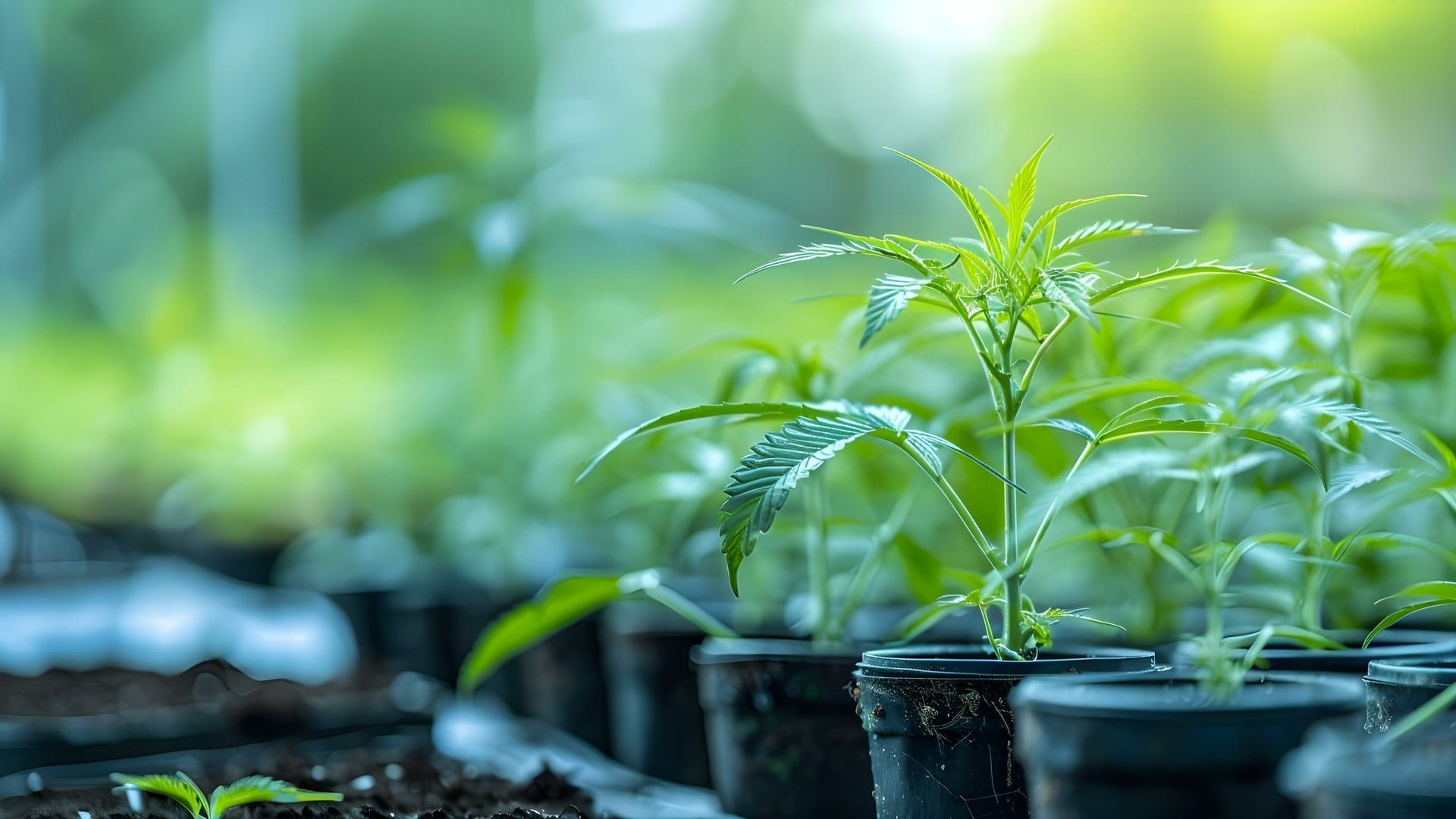

Autoflowering cannabis genetics can offer a wealth of advantages over their light-dependent cousins. Although this is a two-way system, meaning that light-dependent genetics also have advantages over autoflowering, how a grower exploits these genetic traits is key to where the advantages lie.
One of the great things about autoflowering genetics, especially for outdoor growing, is the relatively long planting window. With this in mind, we explore the possibility of creating a continuous harvest from July through to September. Some growers find the harvest to be the most stressful part of the growing cycle, a stress level that often increases with the number of plants they intend to cultivate. Adopting a staggered planting approach could alleviate some of this stress by spreading out the harvest over a longer period, ultimately allowing the grower to achieve the same overall yield they aimed for. However, it's worth noting that while this method can distribute the workload, it may also extend the duration of stress for some rather than reducing it. Here, we attempt to convince those people that small and often can be a better method than all at once.
Auto Varieties
It’s important to plan the timing around the genetics at hand to harvest strategically throughout the summer. For this example, we will use eight autoflowering cannabis varieties from the Seedsman collection. Seedsman has recently added some fantastic new autoflowering varieties to its library, and you can check them out here.

As this plan is intended to produce the harvests over July, August, and September, it is essential to account for the seed-to-finish timeframe. For this example, we will use varieties with similar growing timeframes, as the grower will need to stagger the planting schedule accordingly. As autoflowering plants do not require changes in light cycles to initiate flowering, growers have the opportunity to plant pretty much any time from late April to the end of June. By simplifying the scheduling process with a basic plan around the duration from seed to harvest, we can develop a plan to get this marathon harvest going.
Seeding The Future
Since this example uses eight autoflowering varieties, with the plan to harvest approximately one each week, calculating backwards from desired harvest times is the key to the plan. Since each strain takes about 8-10 weeks to mature, calculating each planting time by counting backwards from the week you intend to harvest each one will give the grower the planting date. Depending on the local climate, etc., this can be extended or shortened to suit the weather/season. Also worth considering is germination uniformity and time to mature uniformity. Under the same conditions, everything here should be equal, with the time to germinate and the time to mature staying relatively tight for a given location/environment. This is often why an autoflowering variety has a range rather than a precise time for finishing; the plants will go slightly faster or slower depending on their environment. Some more seasoned growers like to give the full timeframe regardless, and this approach usually pays off, i.e. if it says 8-10 weeks, let it go for 10 weeks.
Create a Staggered Planting Schedule:
Starting from the first week, the grower desires to harvest and count backwards to find the window for planting. For instance, if you plant a strain at the start of the first week of May, it would be ready for harvest around the beginning of July, depending on whether it goes 8 or 10 weeks. If it takes approximately 10 weeks to finish, the end of the first week of July should be harvest time – obviously adjusting accordingly if the variety matures faster.
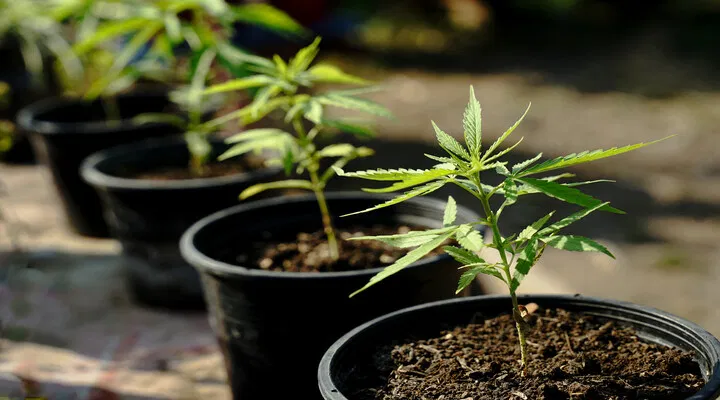
To ensure a continuous harvest, plant the next strain approximately one week after the first one and so on until you have planted all eight varieties. This method will work well with the same variety, too; it might just be a little easier to control and predict the finish that way. However, we opt for the slightly more challenging method of eight varieties here. Each strain is timed to mature week by week throughout July, August, and even September. By using several plants of each variety, a grower can have a small but worthwhile harvest each week and the ability to adjust things if needed.
Example Planting Timeline:
Strain 1:Cookie Apple OG F1 Auto
Planting Date: Start of the first week of May (May 1, 2023)
Expected Finish: Between July 3, 2023 (8 weeks) and July 17, 2023 (10 weeks)
Buy Cookie Apple OG F1 Auto Seeds



Strain 2: Sour Diesel Auto
Planting Date: Start of the second week of May (May 8, 2023)
Expected Finish: Between July 10, 2023 (8 weeks) and July 24, 2023 (10 weeks)
Buy Sour Diesel Auto Seeds


Strain 3:Pineapple OG Auto
Planting Date: Start of the third week of May (May 15, 2023)
Expected Finish: Between July 17, 2023 (8 weeks) and July 31, 2023 (10 weeks)
Buy Pineapple OG Auto Seeds


Strain 4: Garlic Muffin F1 Auto
Planting Date: Start of the fourth week of May (May 22, 2023)
Expected Finish: Between July 24, 2023 (8 weeks) and August 7, 2023 (10 weeks)
Buy Garlic Muffin F1 Auto Seeds


Strain 5:Strawberry Cheesecake Auto
Planting Date: Start of the fifth week of May (May 29, 2023)
Expected Finish: Between July 31, 2023 (8 weeks) and August 14, 2023 (10 weeks)
Buy Strawberry Cheesecake Auto Seeds


Strain 6: Fatso GMO F1 Auto
Planting Date: Start of the first week of June (June 5, 2023)
Expected Finish: Between August 7, 2023 (8 weeks) and August 21, 2023 (10 weeks)

Buy Fatso GMO F1 Auto Seeds


Strain 7: Alaskan Bananaberry Auto
Planting Date: Start of the second week of June (June 12, 2023)
Expected Finish: Between August 14, 2023 (8 weeks) and August 28, 2023 (10 weeks)
Buy Alaskan Bananaberry Auto Seeds


Strain 8: Juicy Zkittlez Auto
Planting Date: Start of the third week of June (June 19, 2023)
Expected Finish: Between August 21, 2023 (8 weeks) and September 4, 2023 (10 weeks)
Buy Juicy Zkittlez Auto Seeds


Creating an Auto Production Line
By monitoring each variety's development as it grows, it is easier to adjust the plant to the actual growth rates observed. As mentioned above, the growth rate can vary based on local growing conditions, environments, and cultivation practices. Be prepared to adjust the harvesting schedule based on plant readiness. However, a general good rule is to harvest a little later rather than too early. Keeping detailed records of planting dates, when to expect harvest, and observed growth will help growers dial in this method. This data will become invaluable for refining future growing cycles and allow the grower know when to expect each variety to finish in their environment.
Conclusion
With this staggered planting strategy, growers can efficiently plan to be continuously harvesting autos throughout the summer months. By ensuring that each plant reaches its optimal maturity for the best yield and quality,it is almost a fool-proof way of hitting that sweet spot, as a do-over is only ever a week away. This means making corrections is a relatively safe and low-risk affair. Starting the full schedule earlier or later should pose no real issues, as the climate in any given location should steer that decision. You can also go well beyond the 8-week window used in the above example, as harvesting well into September is relatively easy in most places. It might be easier to start with one variety and stagger its planting, but at the same time, having a few different varieties will help determine how the plants respond to the conditions and which ones perform best in that location.