

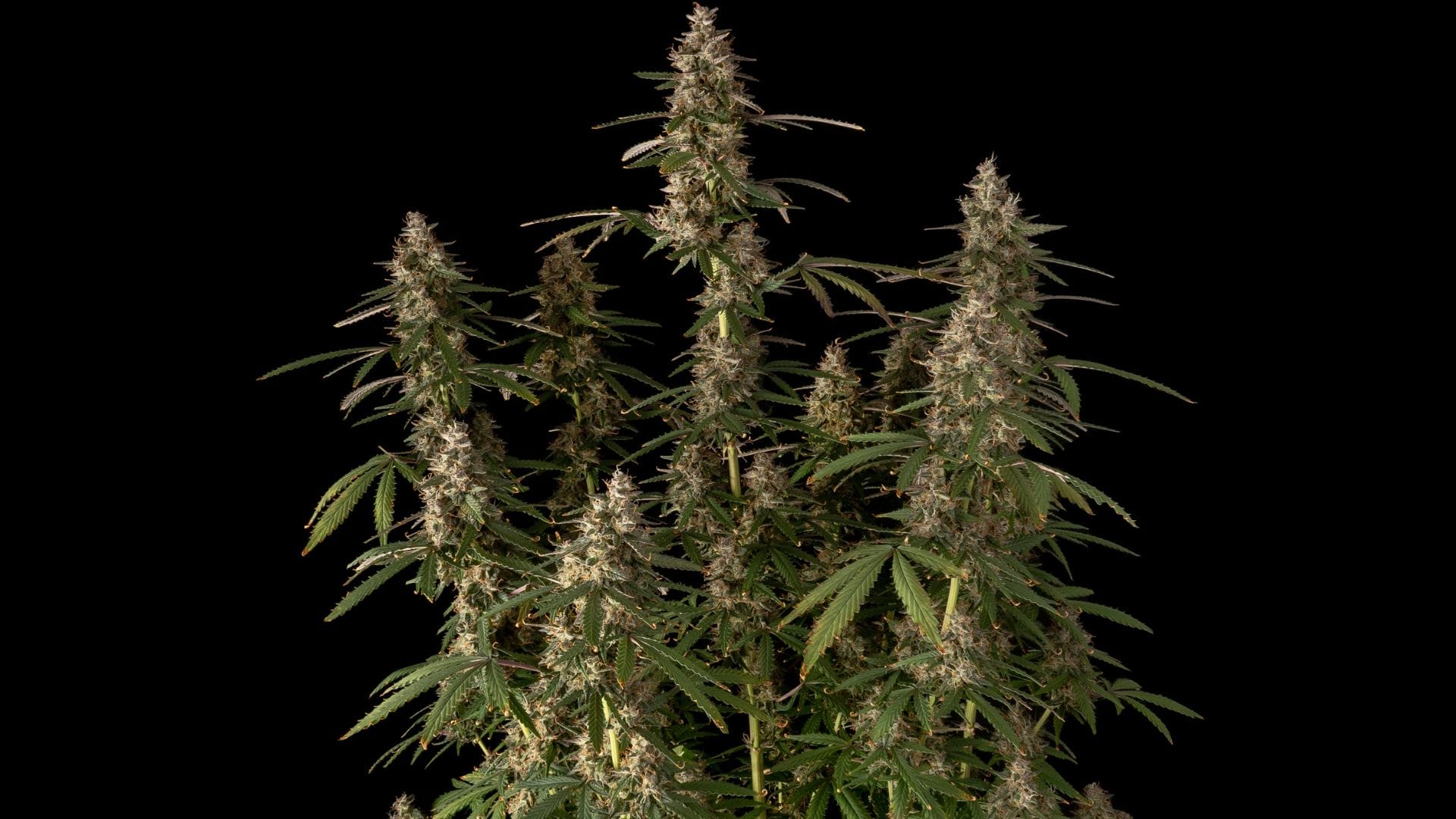
Right now on Seedsman we're offering incredible deals and discounts on a selection of the world's greatest autoflower genetics. Head over to our promo page for more details.
An essential and sometimes-overlooked facet of cannabis growing is knowing the key differences between different types of cannabis plants - specifically, photoperiod and autoflowering cannabis plants. It helps growers immensely when choosing genetics if they understand each of them and what makes them tick. They may look the same to beginners, but those with skin in the game know all too well that they are entirely different. They differ not only in how they grow but in how they act as well. We’ll get into the pros and cons comparisons of each so people - especially those who are new to the cannabis hobby - can make a better, more informed decision on what they are going to grow in their garden or grow room.
What Is A Photoperiod Cannabis Plant?
Photoperiod, via Webster’s Dictionary, is “the period of time each day during which an organism receives illumination; day length.” It is essential to know this definition to explain more in-depth what a photoperiod cannabis plant truly is. Here, we will shorten the word photoperiod to ‘photo’ to ease understanding. Now that we have the definition of a photo, we can discuss further what a photo cannabis plant is.
When we talk about a photo plant, we mean that the plant’s life cycle is determined by the amount of light that the plant receives throughout the day. This is known as the light cycle. In most photos, you will need a longer light ‘on’ cycle for the plant to stay in the vegetative stage than the ‘off’ cycle. To further explain this, for example, a plant won’t enter the flowering phase (also known as the ‘regenerative stage’) until the ratio of light and dark is met for that specific plant.
Light Cycles For Photoperiod Plants
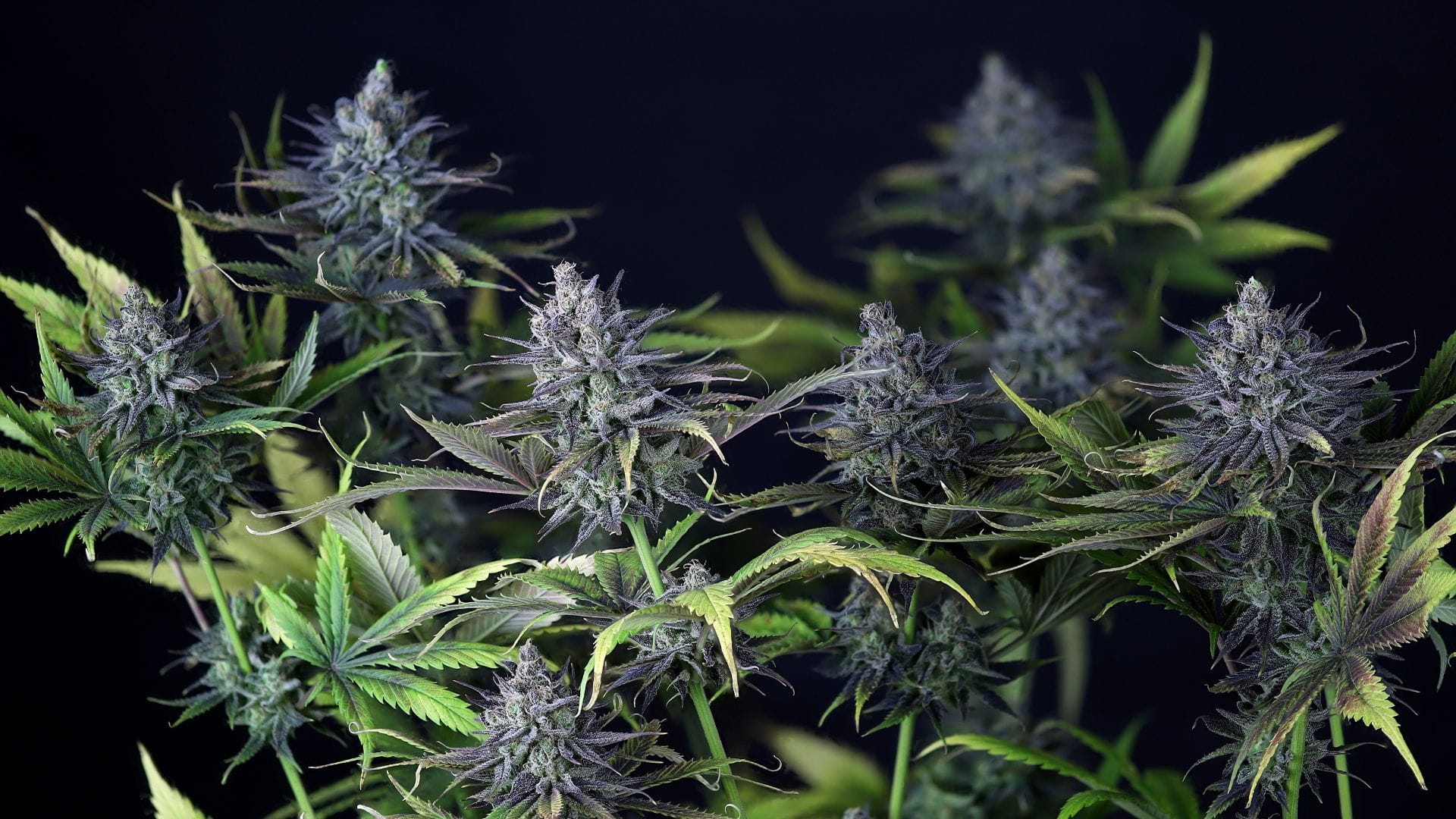
For cannabis, most have found that a light cycle of 18 hours of light and 6 hours of darkness is sufficient to keep the plants in the vegetative period of life almost indefinitely. However, some cultivators will do 24 hours of light or even a 16:8 or even a 14:10 and have found success with maintaining the vegetative stage of the plant. Many debates exist on which ratio is better, but that's another discussion. With this, when doing an indoor or light-supplemented grow, you are entirely in charge of when the plant transitions to the regenerative stage.
When the plant has grown to the specifics of what you are looking for (size, height, nodes, etc.) and you’re ready to start the regenerative stage, this is where photos will differentiate from their ‘auto’ counterparts. You will have to shorten the length of the light cycle to make the plant think it’s nearing the end of its life, so it starts to produce flowers (male plants will produce a calyx without a pistil in it).
In most cases, people have found that a 12-on and 12-off light cycle will accomplish this without any issues. However, like the vegetative stage, there are some debates on how short you truly need the light cycle to be. Some will shorten the ‘on’ cycle to 8-10 hours, whereas others have found success with 13 hours of light. This is how a photoperiod plant tends to work, though this is also somewhat simplified (for brevity’s sake).
What Is An Autoflowering Cannabis Plant?
There’s no dictionary definition, but there is a scientific one. Autoflowering plants (‘auto’ for short) will start to flower independently when they reach a certain maturity. These plants technically do not rely on the light cycle to transition into the regenerative stage of life. Some consider this easier to deal with since they won’t have to worry about the light being a factor in the plant’s success in producing flowers.
It’s noteworthy that, on average (but not all the time), autoflowering strains tend to yield less than their photo counterparts and are more prone to stunted growth if high-stress training is applied. So, a fair amount of understanding is still necessary to grow successful autos.
How Autoflowering Cannabis Plants Are Bred
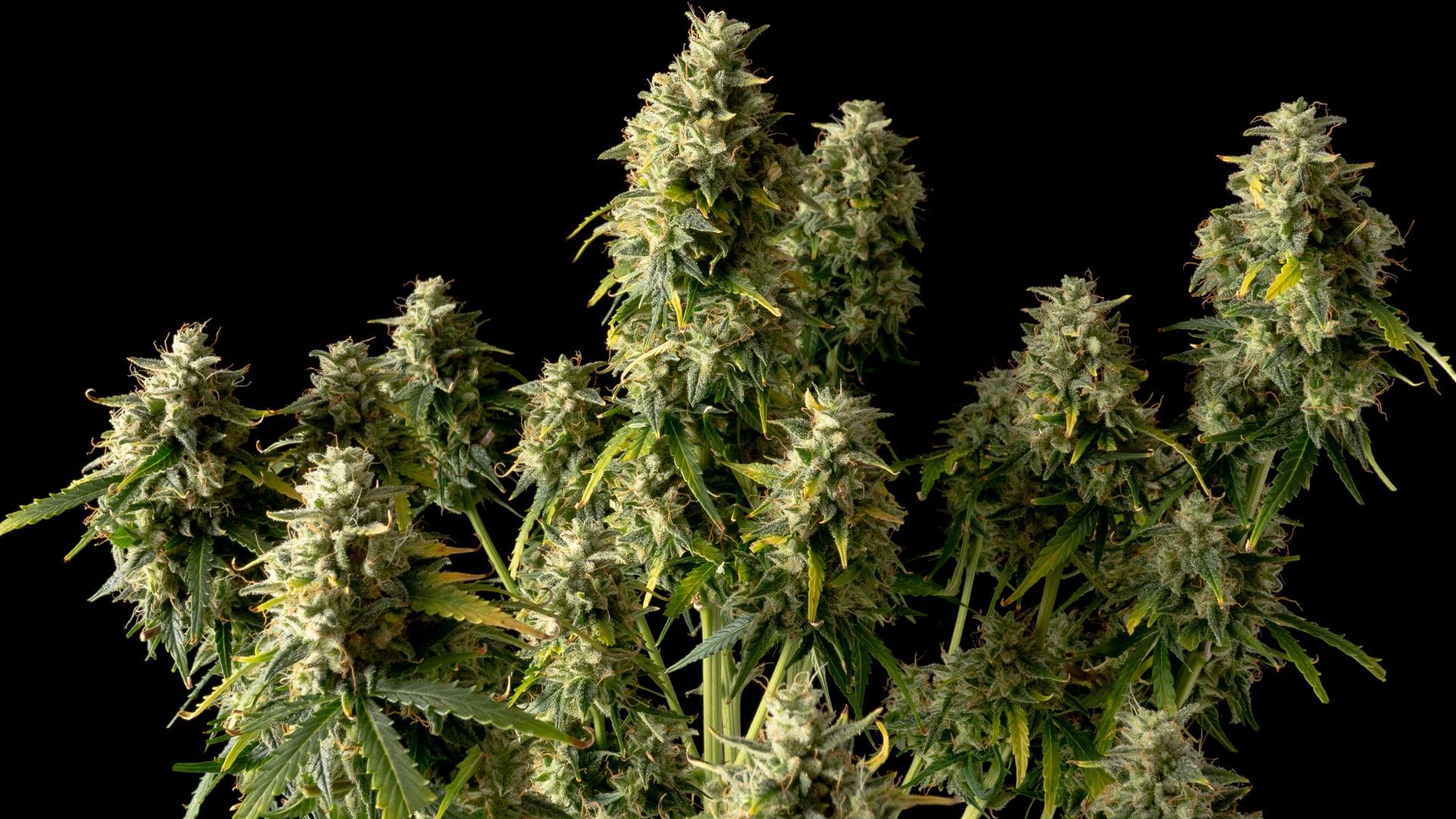
Autos are made primarily by crossing the pollen of a ruderalis cannabis plant with a photo. By actively selecting the offspring of the two plants, you can get a plant that will flower on its own with impressive results. Some theorize (or have claimed) that you can actively select photo plants that will flower with certain conditions (other than light), such as weather, drought, and other outliers, to create an auto strain. The most common way is using a cannabis ruderalis variety crossed with a photo.
The first known auto was produced by The Joint Doctor and his team and was called The Lowryder. They combined the Mexican Rudy with Northern Lights, a high-THC strain. There is one thing to remember with autos. If the breeder(s) did not do their due diligence on actively selecting offspring that has the auto trait, you could end up with a cross that is either photoperiod or what is known as a “fast” photo. So, what are the Pros and Cons of each plant?
Pros And Cons Of Photos And Autos
Before we begin, there needs to be an understanding that, depending on your style and situation, you may have other factors that are not considered here. There is also an ongoing debate on which is easier to grow and which has the better potential. This is not to say one is better than the other. This is only to compare each, so you can make an informed decision on what kind of plant you want to grow with.
Photoperiods Tend To Yield Higher
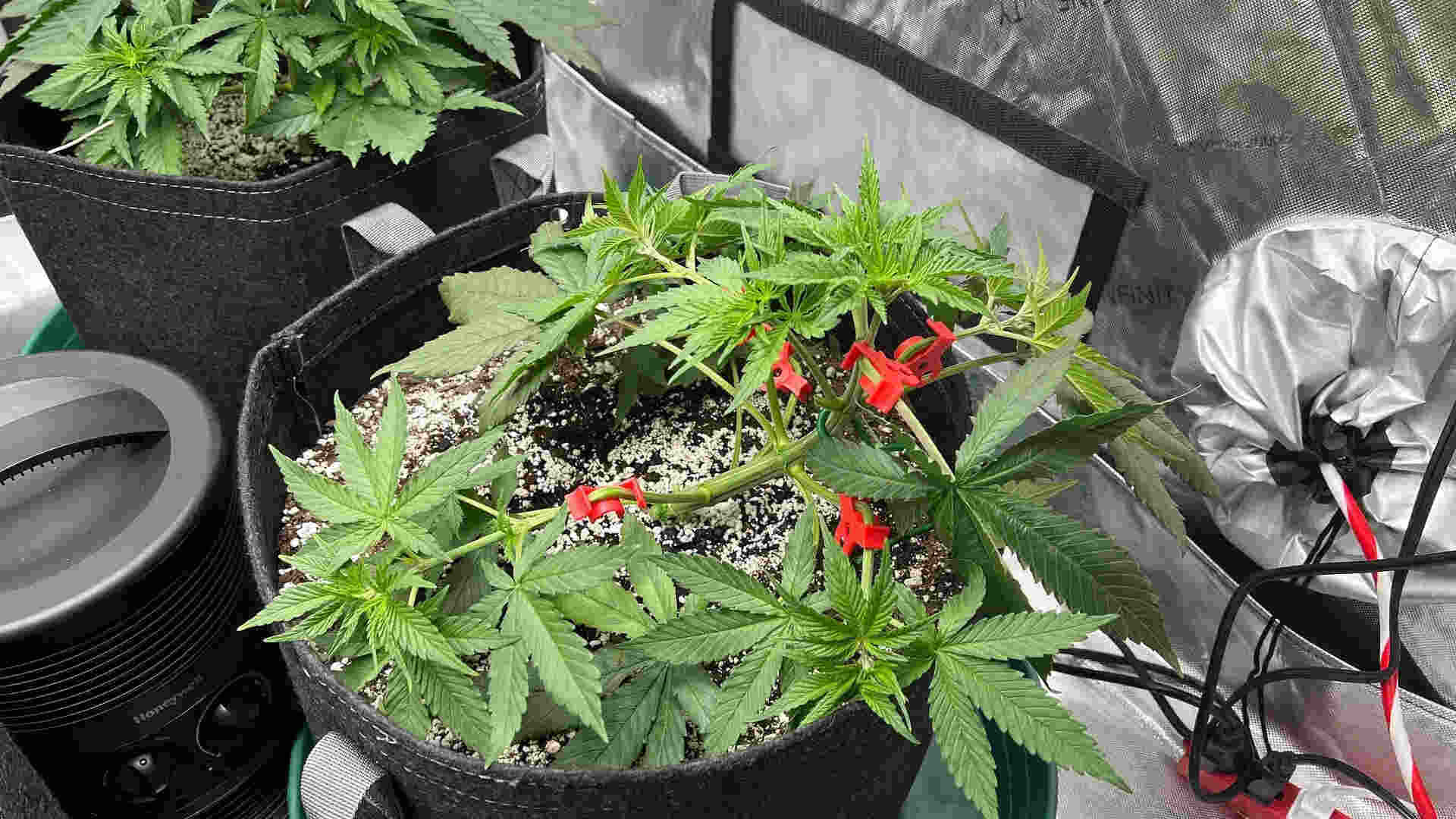
Photoperiod cannabis strains have some desirable traits to them. Photos tend to have “greater yields” regarding the flower produced - although it depends on when you transition into the regenerative stage. There may be occasions when, due to time constraints, for example, the photo can produce less than their auto counterparts come harvest time. This makes the auto a more desirable alternative. If you do not have time constraints, this is where photos really shine. You have control over the vegetative growth stage of the plant, allowing you to ‘train’ the plant in multiple ways (such as using lst, high-stress training , using nets or wire to create more atypical colas) to create a bigger yield. This also allows for possible greater cannabinoid development. Doing the same training to an autoflower can cause the plant to stunt and hurt yield and development.
Photoperiods Have A Greater Variety
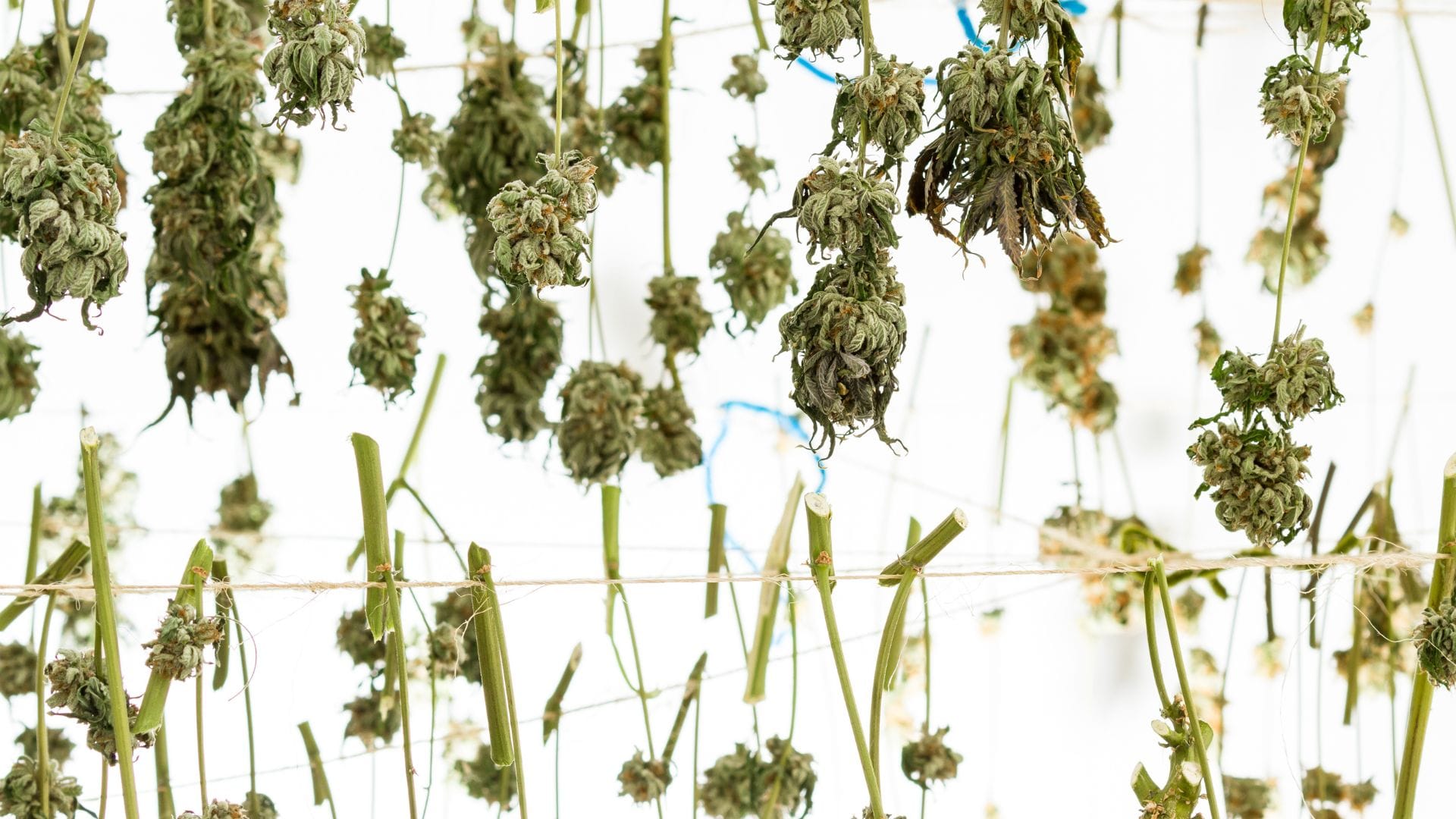
Another benefit to the photoperiod strains is the variety of strains to choose from. Your options when choosing photoperiod seeds are far greater. That’s not to say autos aren’t catching up; they certainly are. But the photos still have the leg up when it comes to variety. Not only is there a greater variety of strains, but if you find one that you like and want to keep around longer, photoperiod varieties are also the best ones to stick with since they are much easier to clone than their auto counterparts. This allows you to potentially keep a strain in a perpetual vegetative phase. However, some will argue that the plant will eventually degrade as you take more clones.
The Nutrient Needs Of Photo vs Auto
Photos aren’t necessarily all easy to grow. On the contrary, they can be harder to grow than their Auto counterparts. When a photo is growing, they tend to be more nutrient-demanding than the autos, meaning you will either feed more often or more heavily per feeding. This is only more exaggerated when they enter the regenerative stage of life. Autoflowering varieties, on the other hand, don’t require nearly as many nutrients to grow, which is a positive for those who grow them. Even in the regenerative stage, autos don’t need the volume of nutrients photos need (though, like photos, the regenerative stage will be more demanding when it comes to nutrients) to flower.
Seed To Harvest – Which Is Faster?
Another drawback to photos is the length of time from seed to harvest. That’s not saying you can’t necessarily get a photo to flower around the same timeframe as an auto, but as stated before, you can end up with a low yield or outcome. This is where autoflowering genetics really excel. With just a small amount of low-stress training and the fact that autos tend to go through the vegetative cycle faster without the constraints of changing light schedules, the auto can produce a decent, well-rounded product in a shorter timeframe. For those hoping to obtain a quicker turn-around time but don’t have the room for perpetual growth, this can be a significant factor to think about.
Cannabinoids And Terpenes
The final thing to mention is cannabinoid and terpene levels. This is touched on last since this is becoming increasingly irrelevant as breeding practices improve. Many auto strains today can still lack cannabinoid and terpene levels compared to their photo counterparts. However, this is becoming less true, with breeders becoming more detailed in their breeding practices. Some are using more high-terpene and cannabinoid-producing strains to combine with ruderalis genetics. They’re making sure they select only the best-looking and best-producing plants that grow. This essentially eliminates the discussion of which will produce a better flower. Be sure to do your homework when selecting these strains. It’s no longer as easy as it was, even just a decade ago.
Conclusion
With the legalization of cannabis, there is a more diverse range of strains, cultivars, and genetics to choose from. With what was originally a photoperiod dominant species to choose from, you’re starting to see many more autos coming out that can compete. Some of these autoflowering cannabis strains are beginning to outcompete their photo counterparts, not just by yield but by the overall development of the flower. Practicality is starting to shift as well. The only thing you need to think about is what works for you.
If you're looking for something special in an autoflowering cannabis strain, look no further. Seedsman has an extensive range including some of the finest autoflowering genetics you'll find anywhere.
