
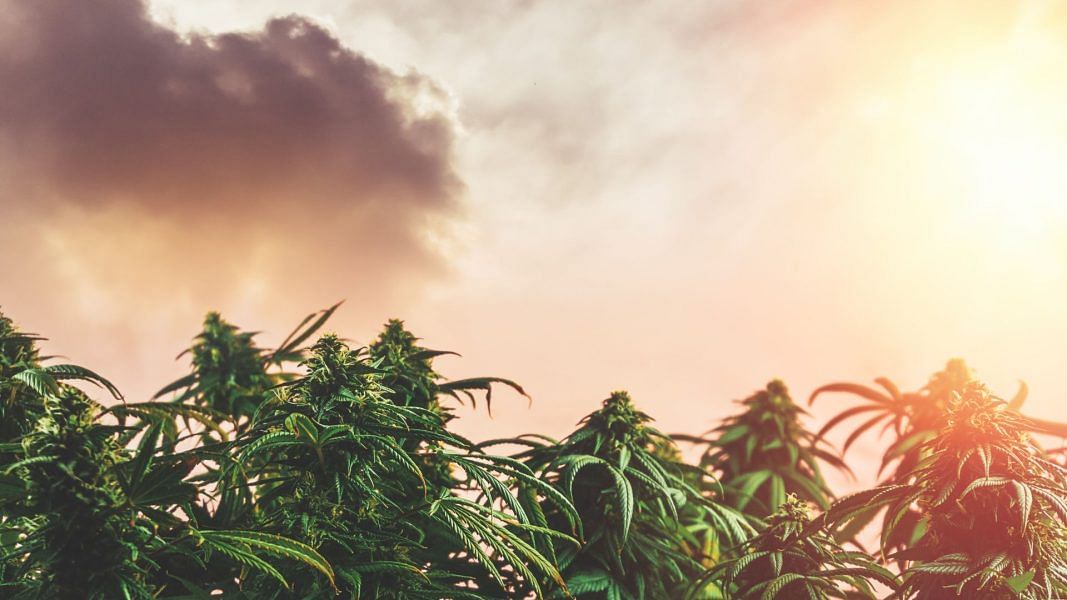

Cannabis was intended to be grown outside. It’s the natural environment for the cannabis plant, and while indoor growing can produce fabulous marijuana, you still have to buy, figure out and operate all that equipment. Outdoor growing takes a great deal of the sting out of that and simplifies the process in terms of equipment. Naturally, your main adversary is the weather, closely followed by pests, but these factors can be mitigated without too much hard work.
Light and water are free when you grow outdoors, and you have plenty of space to set up your project. Ventilation is less of a challenge, too, helping to keep the dreaded mold at bay. Not only that, but natural sunlight offers the full spectrum of light needed to help your plants veg and flower to the best of their potential. There is no need to stress over changing the light cycle for your plants, either, since Mother Nature fully automates the light/dark cycle. When you add these factors together, it’s no surprise that outdoor cultivation remains hugely popular and outdoor growers are still producing some of the best cannabis around.
Table of contents
Using the Sun
Sunlight is essential for plant photosynthesis – the conversion of light energy to chemical energy that stimulates plant growth – so the more sunlight you have access to, the better. Cannabis plants will soak up that energy and convert it to sugars that feed and nourish roots, branches, and other foliage. This results in vibrant, healthy plants burgeoning with fat buds and healthy trichomes – the kind of cannabis dreams are made of.
To get good results from an outdoor grow, your cannabis plants will need around 10-12 hours of exposure to sunlight. This is the optimal time to feed your plants the energy they’ll need to thrive. You can grow cannabis plants with as little as 6 hours of sunlight, but yields will likely be smaller, and growth will likely be slower. For some cultivators, this is a deal breaker – maximum yields and speedier growth are essential goals for their project. However, a smaller yield may be perfectly suitable for other cultivators with different needs.

Tip: When growing cannabis outdoors, one key factor to consider is where you position your plants on your property. Before commencement, observe where the sunlight falls on your garden, and ensure you place your plants to grow in an area that receives the most hours of direct sunlight. You may well have a suitable space in your garden, but if it’s in an area that spends long hours in the shade, your plants’ growth will suffer. Rather than developing plenty of bud sites, and airy, resinous buds, your plant will focus its growth on trying to reach sunlight, resulting in long branches and fewer flowers.
Your location in the world can impact things here, too – particularly in delegating the best time to grow outdoor cannabis. If you’re in the Northern hemisphere, you’re closer to the sun throughout the middle of the year – May through to September. Southern hemisphere cultivators will find that their best time to grow plants outdoors is from the end of the calendar year through the early stages of the new calendar year, with December providing the most prolonged daylight hours. Growers in the equatorial belt can look forward to a consistent 12 hours of sunlight all year round.
Natural Ingredients
Outdoor cannabis cultivation provides the best results when natural ingredients are used. Water, sunlight, and fresh air will give your plants the fundamentals they need to thrive and grow to become healthy, high-yielding, high-quality cannabis plants.

Other natural ingredients that can help include organic soils and fertilizers, which are recommended where possible. These are much less complicated to manufacture than you may imagine, so if you cannot obtain them, you can easily make them.
Boosted Cannabinoid and Terpene Levels
One fascinating benefit to growing cannabis outdoors is how the environment can positively affect the plant’s chemical makeup. Although studies on this subject have been sparse to date, some results indicate outdoor growing may positively affect terpene levels and cannabinoids.
One study took five different strains and grew one of each indoors and one of each outdoors before testing each and noting differences between the indoor and outdoor-grown plants. In each case, the strain grown outdoors showed a higher concentration of terpenes than its indoor-grown counterpart. All secondary metabolites were higher in the five strains grown outdoors. The outdoor plants were also found to have higher THCa levels, suggesting that outdoor cultivation produces cannabis with boosted cannabinoid and terpene levels. This means that cannabis grown outdoors potentially has marginally higher potency, more potent aromas, and stronger flavours.

When to Grow Cannabis Outdoors
We’ve touched on how your location may dictate the best time of year for you to grow cannabis, but a more detailed breakdown is below. Geographically speaking, there are different optimum times to begin, and we’ve outlined these by region. Cannabis will fare best in areas where daytime temperatures are between 20-25°C, and nighttime temperatures around 15°C, but some strains can cope with numbers above or below the recommended ranges. Always consider your climate when choosing seeds to limit the risk of disappointment. The following should be regarded as a guideline only.
Northern Hemisphere:
Well suited to growing autoflowering varieties, especially more northerly regions, as photoperiod strains may struggle to finish due to shorter seasons.
Difficult growing conditions at the start and end of the season must be handled with care – low temperatures, excess rainfall, and ground frost must be navigated to ensure crop safety and yield success. Greenhouses and polytunnels can be used to shelter plants from adverse conditions.
Germinate: March/April/May
Harvest Time: September to November

Southern Hemisphere:
Well suited to autoflowering varieties, and while photoperiod strains can cope, more southerly regions may struggle to finish due to shorter seasons.
Midsummer temperatures can become exceedingly hot, so plant protection and watering must be on point. Greenhouses or polytunnels can be used to offer plants shelter from adverse conditions.
Germinate: September/October/November
Harvest Times: March/April May
Intertropical Regions:
Well suited to both autoflowering and photoperiod strains, but cultivators should beware that elevated temperatures during summer may be too much for some strains to manage.
Germination: All year round
Harvest: All year round

Equipment Needed to Grow Cannabis Outside
Seeds
Growing outdoors is no different from any other project – great cannabis starts with great genetics. At Seedsman, we have 20 years of experience providing some of the finest genetics and proudly offer a wide variety of the most exciting strains on the market today. Whether it’s Photoperiod, Autoflowering, Feminized or FAST, there’s a wide range of each to suit your needs. Visit Seedsman.com and use our seed finder tool to find the seeds that match your appetite.

Soil
Choosing the right soil for your outdoor grow is critical in ensuring a high-quality end product – but it’s also a little bit of a minefield, especially for the beginner. With so many types of soil available and many recommendations, it can be tricky to know which is the best option. For the best results in terms of plant health and purity of the final product, choosing an organic soil mix is highly recommended. You can start with a potting mix from your local garden center and add the following ingredients to make an organic soil that forms a perfect environment for cannabis roots:
- Neutral potting mix (add worm castings)
- Bat Guano
- Mycorrhizal Powder
- Kelp Meal

Find a potting mix containing coco coir, perlite, and vermiculite as a base, and you will start on an ideal footing. When choosing a soil to grow your cannabis in, aim for something rich in micronutrients and biologically active. You need your soil to strike a perfect balance between adequate water retention and suitable drainage properties.
Nutrients
Feeding your cannabis plants the proper amendments at the right time and in the correct dose will hugely influence your success. Indeed, a plant left to its own devices with nothing more than sunlight, water, and soil will do fine, but adding supplements can improve crop performance.
How often you should feed your plants these nutrients is tricky to answer and can depend on certain variables such as the nutrient brand, the type of soil, and whether you’re using dry amendments or liquid nutrients. Every growth cycle is different, and nutrient use should always be monitored, along with the effects on the plants, and adjusted accordingly if necessary.
Water
Among the many bonuses of growing cannabis outdoors is free water – but not every area is assured adequate rainfall during the growing season. While you can rely on rain to provide supplementary plant watering, it’s still best to water manually when needed. You’ll know when it’s time to water when the top inch or so of the soil has become dry. Avoid overwatering, as you’ll encourage root rot, which can be a huge problem. At best, you’ll have to transfer your plants to new soil quickly; at worst, your plants will be ruined.

If you’re planning a vacation of any kind during the growing season, set up an automated watering system to take care of your plants in your absence.
Elemental Protection
Growing cannabis outdoors is not without its drawbacks. The main concerns are likely to be climate-related, of course. Your plants are exposed to the elements, and that can mean varying degrees of wind, rain, and frost. If you live in an area that sees seasonal storms, your plants are at risk of succumbing to these conditions. With the proper preparation and equipment, you can offer your plants plenty of protection and shield them from harm.
It’s a good idea to invest in the following items to keep your plants safe:
Tarpaulins
To protect your plants from heavy rainfall and frost. Canvas or plastic tarps can be used and allow at least 30cm of space between the cover and the plant to allow some leeway.

Sticks, stakes and netting
To support your plants in high winds, minimize damage and prop up tarpaulins, keeping them above your plants and out of direct contact with fragile limbs and foliage.
Check weather forecasts daily and be ready to take appropriate action if inclement weather is due. Be sure to cover your plants on nights when frost is expected and uncover them in the morning to allow the sun to dry the plants naturally.
If any prolonged periods of inclement weather are predicted, it may be best to employ a greenhouse to protect your outdoor plants. This will still allow sunlight to nourish your plants while protecting them from harsher conditions.
10 Cannabis Seeds to Grow Outdoors
These 10 strains have been chosen for their excellent pest and mould resistance, ability to handle the changes in light, and relatively good with both changes in the weather and humidity levels.
Of course, all the above tips and tricks can and should be implemented for a successful outdoor harvest.
Cannabis was intended to be grown outside. It’s the natural environment for the cannabis plant, and while indoor growing can produce fabulous marijuana, you still have to buy, figure out and operate all that equipment. Outdoor growing takes a great deal of the sting out of that and simplifies the process in terms of equipment. Naturally, your main adversary is the weather, closely followed by pests, but these factors can be mitigated without too much hard work.
Light and water are free when you grow outdoors, and you have plenty of space to set up your project. Ventilation is less of a challenge, too, helping to keep the dreaded mold at bay. Not only that, but natural sunlight offers the full spectrum of light needed to help your plants veg and flower to the best of their potential. There is no need to stress over changing the light cycle for your plants, either, since Mother Nature fully automates the light/dark cycle. When you add these factors together, it’s no surprise that outdoor cultivation remains hugely popular and outdoor growers are still producing some of the best cannabis around.
Using The Sun
Sunlight is essential for plant photosynthesis – the conversion of light energy to chemical energy that stimulates plant growth – so the more sunlight you have access to, the better. Cannabis plants will soak up that energy and convert it to sugars that feed and nourish roots, branches, and other foliage. This results in vibrant, healthy plants burgeoning with fat buds and healthy trichomes – the kind of cannabis dreams are made of.
To get good results from an outdoor grow, your cannabis plants will need around 10-12 hours of exposure to sunlight. This is the optimal time to feed your plants the energy they’ll need to thrive. You can grow cannabis plants with as little as 6 hours of sunlight, but yields will likely be smaller, and growth will likely be slower. For some cultivators, this is a deal breaker – maximum yields and speedier growth are essential goals for their project. However, a smaller yield may be perfectly suitable for other cultivators with different needs.

Tip: When growing cannabis outdoors, one key factor to consider is where you position your plants on your property. Before commencement, observe where the sunlight falls on your garden, and ensure you place your plants to grow in an area that receives the most hours of direct sunlight. You may well have a suitable space in your garden, but if it’s in an area that spends long hours in the shade, your plants’ growth will suffer. Rather than developing plenty of bud sites, and airy, resinous buds, your plant will focus its growth on trying to reach sunlight, resulting in long branches and fewer flowers.
Your location in the world can impact things here, too – particularly in delegating the best time to grow outdoor cannabis. If you’re in the Northern hemisphere, you’re closer to the sun throughout the middle of the year – May through to September. Southern hemisphere cultivators will find that their best time to grow plants outdoors is from the end of the calendar year through the early stages of the new calendar year, with December providing the most prolonged daylight hours. Growers in the equatorial belt can look forward to a consistent 12 hours of sunlight all year round.
Natural Ingredients
Outdoor cannabis cultivation provides the best results when natural ingredients are used. Water, sunlight, and fresh air will give your plants the fundamentals they need to thrive and grow to become healthy, high-yielding, high-quality cannabis plants.

Other natural ingredients that can help include organic soils and fertilizers, which are recommended where possible. These are much less complicated to manufacture than you may imagine, so if you cannot obtain them, you can easily make them.
Boosted Cannabinoid And Terpene Levels
One fascinating benefit to growing cannabis outdoors is how the environment can positively affect the plant’s chemical makeup. Although studies on this subject have been sparse to date, some results indicate outdoor growing may positively affect terpene levels and cannabinoids.
One study took five different strains and grew one of each indoors and one of each outdoors before testing each and noting differences between the indoor and outdoor-grown plants. In each case, the strain grown outdoors showed a higher concentration of terpenes than its indoor-grown counterpart. All secondary metabolites were higher in the five strains grown outdoors. The outdoor plants were also found to have higher THCa levels, suggesting that outdoor cultivation produces cannabis with boosted cannabinoid and terpene levels. This means that cannabis grown outdoors potentially has marginally higher potency, more potent aromas, and stronger flavours.

When To Grow Cannabis Outdoors
We’ve touched on how your location may dictate the best time of year for you to grow cannabis, but a more detailed breakdown is below. Geographically speaking, there are different optimum times to begin, and we’ve outlined these by region. Cannabis will fare best in areas where daytime temperatures are between 20-25°C, and nighttime temperatures around 15°C, but some strains can cope with numbers above or below the recommended ranges. Always consider your climate when choosing seeds to limit the risk of disappointment. The following should be regarded as a guideline only.
Northern Hemisphere:
Well suited to growing autoflowering varieties, especially more northerly regions, as photoperiod strains may struggle to finish due to shorter seasons.
Difficult growing conditions at the start and end of the season must be handled with care – low temperatures, excess rainfall, and ground frost must be navigated to ensure crop safety and yield success. Greenhouses and polytunnels can be used to shelter plants from adverse conditions.
Germinate: March/April May
Harvest Time: September to November

Southern Hemisphere:
Well suited to autoflowering varieties, and while photoperiod strains can cope, more southerly regions may struggle to finish due to shorter seasons.
Midsummer temperatures can become exceedingly hot, so plant protection and watering must be on point. Greenhouses or polytunnels can be used to offer plants shelter from adverse conditions.
Germinate: September/October/November
Harvest Times: March/April May
Intertropical Regions:
Well suited to both autoflowering and photoperiod strains, but cultivators should beware that elevated temperatures during summer may be too much for some strains to manage.
Germination: All year round
Harvest: All year round

Equipment Needed To Grow Cannabis Outside
Seeds
Growing outdoors is no different from any other project – great cannabis starts with great genetics. At Seedsman, we have 20 years of experience providing some of the finest genetics and proudly offer a wide variety of the most exciting strains on the market today. Whether it’s Photoperiod, Autoflowering, Feminized or FAST, there’s a wide range of each to suit your needs. Visit Seedsman.com and use our seed finder tool to find the seeds that match your appetite.

Soil
Choosing the right soil for your outdoor grow is critical in ensuring a high-quality end product – but it’s also a little bit of a minefield, especially for the beginner. With so many types of soil available and many recommendations, it can be tricky to know which is the best option. For the best results in terms of plant health and purity of the final product, choosing an organic soil mix is highly recommended. You can start with a potting mix from your local garden center and add the following ingredients to make an organic soil that forms a perfect environment for cannabis roots:
- Neutral potting mix (add worm castings)
Bat Guano
Mycorrhizal Powder
Kelp Meal

Find a potting mix containing coco coir, perlite, and vermiculite as a base, and you will start on an ideal footing. When choosing a soil to grow your cannabis in, aim for something rich in micronutrients and biologically active. You need your soil to strike a perfect balance between adequate water retention and suitable drainage properties.
Nutrients
Feeding your cannabis plants the proper amendments at the right time and in the correct dose will hugely influence your success. Indeed, a plant left to its own devices with nothing more than sunlight, water, and soil will do fine, but adding supplements can improve crop performance.
How often you should feed your plants these nutrients is tricky to answer and can depend on certain variables such as the nutrient brand, the type of soil, and whether you’re using dry amendments or liquid nutrients. Every growth cycle is different, and nutrient use should always be monitored, along with the effects on the plants, and adjusted accordingly if necessary.
Water
Among the many bonuses of growing cannabis outdoors is free water – but not every area is assured adequate rainfall during the growing season. While you can rely on rain to provide supplementary plant watering, it’s still best to water manually when needed. You’ll know when it’s time to water when the top inch or so of the soil has become dry. Avoid overwatering, as you’ll encourage root rot, which can be a huge problem. At best, you’ll have to transfer your plants to new soil quickly; at worst, your plants will be ruined.

If you’re planning a vacation of any kind during the growing season, set up an automated watering system to take care of your plants in your absence.
Elemental Protection
Growing cannabis outdoors is not without its drawbacks. The main concerns are likely to be climate-related, of course. Your plants are exposed to the elements, and that can mean varying degrees of wind, rain, and frost. If you live in an area that sees seasonal storms, your plants are at risk of succumbing to these conditions. With the proper preparation and equipment, you can offer your plants plenty of protection and shield them from harm.
It’s a good idea to invest in the following items to keep your plants safe:
Tarpaulins
To protect your plants from heavy rainfall and frost. Canvas or plastic tarps can be used and allow at least 30cm of space between the cover and the plant to allow some leeway.

Sticks, stakes and netting
To support your plants in high winds, minimize damage and prop up tarpaulins, keeping them above your plants and out of direct contact with fragile limbs and foliage.
Check weather forecasts daily and be ready to take appropriate action if inclement weather is due. Be sure to cover your plants on nights when frost is expected and uncover them in the morning to allow the sun to dry the plants naturally.
If any prolonged periods of inclement weather are predicted, it may be best to employ a greenhouse to protect your outdoor plants. This will still allow sunlight to nourish your plants while protecting them from harsher conditions.
10 Cannabis Seeds To Grow Outdoors
These 10 strains have been chosen for their excellent pest and mould resistance, ability to handle the changes in light, and relatively good with both changes in the weather and humidity levels. Of course, all the above tips and tricks can and should be implemented for a successful outdoor harvest.
Durban Poison
Nirvana's Durban Poison is an excellent choice for outdoor growers in Northern and Southern climates. Durban Poison grows well indoors and outdoors even at higher latitudes in northern European summers. It is a very mould and pest-resistant strain. When grown indoors flowering is completed in 8 – 9 weeks. Outdoor plants can grow to be very large reaching 3 meters in height before being ready to harvest in late September or very early October before the weather turns.
Durban Poison is a sativa-dominant strain, so expect taller plants, especially when growing outdoors where they have adequate room to stretch and reach their full capacity.
The structure, bud development and potent, clear, uplifting, energising high are all clearly sativa in style. Only the darker green leaves betray its small proportion of indica genetics. It has an appetising flavour of aniseed/liquorice with notes of clove.
This classic strain is available from Seedsman.com
Northern Lights Auto
A classic strain we all know and love, Northern Lights has a reputation as a reliable plant with high THC content. By crossing the original with a Ruderalis, Seedsman has upped the game and created Northern Lights Auto, resulting in an even more robust and reliable version of the famed Indica. The addition of Ruderalis genetics translates to a perfect choice for outdoor and greenhouse cultivation thanks to increased resistance to fungus, plant diseases and pests – just what you’re looking for if you’re growing in outdoor environments.
A maximum flowering time of 9 weeks means three harvests per season may be possible in warmer climates, and the reward is a smaller plant, but those buds are packed with up to 23% THC. Look forward to a strong body effect and mental relaxation from this delicious-tasting strain known for its earthy, fruity, sweet and sour flavours.
Northern Lights Auto feminized seeds are available from Seedsman.com
Alaskan Diesel Auto
This sensational strain pops up on many lists recommending the best strains for hotter climates, and it’s easy to see why. Alaskan Diesel Auto is a vigorous, fast-growing strain resulting from crossing two auto-flowering strains, viz. Candy Fruit Auto and a Diesel Auto that was subjected to a special selection process. Alaskan Diesel Auto is quick to mature and produces some good yields in such a short space of time.
Outdoors each plant can produce between 60 – 90 gr. of dried bud each. The very short life cycle means that it is possible to obtain two crops per growing season except in higher latitudes where growers will have to content themselves with just one crop.
Dried and cured buds have a sweet diesel scent and flavour. The buds are very resinous and produce a potent, relaxing high.
Buy Alaskan Diesel Auto from Seedsman
Blue Dream
No list such as this would be complete without this top-shelf, future hall-of-famer. Blue Dream has established itself as one of the most in-demand strains around, and when you look at its credentials, it’s easy to see why. Cross-breeding Blueberry Ice with Haze gave birth to this tremendous 70% sativa strain that offers almost everything you could wish for, but it takes its rightful place on our list of top strains to grow outdoors due to its ease of cultivation, high production and superb resistance to fungus.
If you want high yields, Blue Dream doesn’t disappoint – after a maximum flowering time of 10 weeks, get ready for a busy harvest that can see you pull as much as 700-850 gr/plant from these visually-striking crops that grow to an impressive 350cm when planted outdoors in dry, warm climates.
Blue Dream has even more secrets to reveal – she’s a highly flavourful strain with notes of citrus and berries to the fore, but with spicy, herbal undertones contributing to the sensational flavours of this incredible plant. The high levels of alpha-pinene in Blue Dream make it a much sought-after therapeutic strain with the ability to help fight pain and inflammation, and its 20% THC content means a long-lasting euphoric effect that can help stave off depression and stress.
Buy Blue Dream feminized seeds here
Best Outdoor Strains To Grow In Cooler Climates
White Widow Fast
If you’re looking to grow outdoors in the northern hemisphere, where cooler temperatures and shorter summers, White Widow FAST from Seedsman is an excellent choice. It can handle colder climates, and its resistance to pests and pathogens such as mildew makes it a smart pick for outdoor cultivation, reducing potential headaches in crop survival. Toss in those FAST genetics, and you add a flowering time of just 7 weeks, meaning a quick turnaround before the colder weather sets in.
The sugary appearance of the plant is down to its high trichome count and gives a strong indication of its potency. It may be a shorter plant, but it packs a THC content of between 15-20%, meaning a powerful head effect that gives way to the familiar blissful and relaxing body sensation for which White Widow is famed.
Pick up White Widow FAST seeds here
Jack Herer FAST
A quick-flowering version of the classic strain, Jack Herer FAST ticks a lot of boxes. With the familiar genetics of the original Jack, you can be sure that this one will thrive nicely in those cooler climates. A flowering time between 6 and 7 weeks assures your work is done, and you will reap the rewards before the inclement weather kicks in. Jack Herer FAST grows without needing special care other than adequate lighting, and its short stature makes it a good pick for a discreet outdoor project.
This FAST version retains the signature sweet, peppery taste of Jack Herer, meaning if you’ve tried the original then you know exactly what you’re going to get – you’re just going to get it sooner! A high THC content of around 20% is the reward for your efforts from buds that positively drip with resin. This is a highly potent strain with a pleasant, balanced effect.
Get Jack Herer FAST from Seedsman.com
C99 X Blueberry FAST
C99 x Blueberry Fast is a quick-flowering sativa-dominant hybrid marijuana strain. Its parents are Cinderella 99, Blueberry and a Fast parent plant.
Outdoor yields are ready during September and are even bigger whether grown in the ground or in a greenhouse. Its buds have relatively few larger leaves and this makes trimming very easy.

Due to the high proportion of Thai Sativa genetics in this hybrid, the taste of South East Asia comes through strongly.
Add this fruity favourite to your seed collection today
Purple Ghost Candy
Purple Ghost Candy is an exciting cross between Ghost OG and one of the very best recent Purple cuts, viz. Candyland Purple. Purple Ghost Candy is 60% sativa with 40% indica genetics. These are large plants, easy to grow and with high potential yields outdoors.
Outdoors in the northern hemisphere harvest time will be during the middle of October with each plant capable of yielding between 700 – 900 gr. each. A noteworthy facet is the very large, golden resin crystals that are produced, and these become noticeable after only a week or two of the flowering stage and which sticks like glue having a scent that persists for hours.

While Purple Ghost Candy has the typical fuel-like scent of OG strains, it is typified by spicy and earthy flavours alongside supporting notes of lemon with peachy tones. Initial notes are of a lemon-lime soda mixed with a peach/mint note on the tongue. Crisp, smooth, fruit-like aftertaste on exhale reminiscent of peach/grape candy.