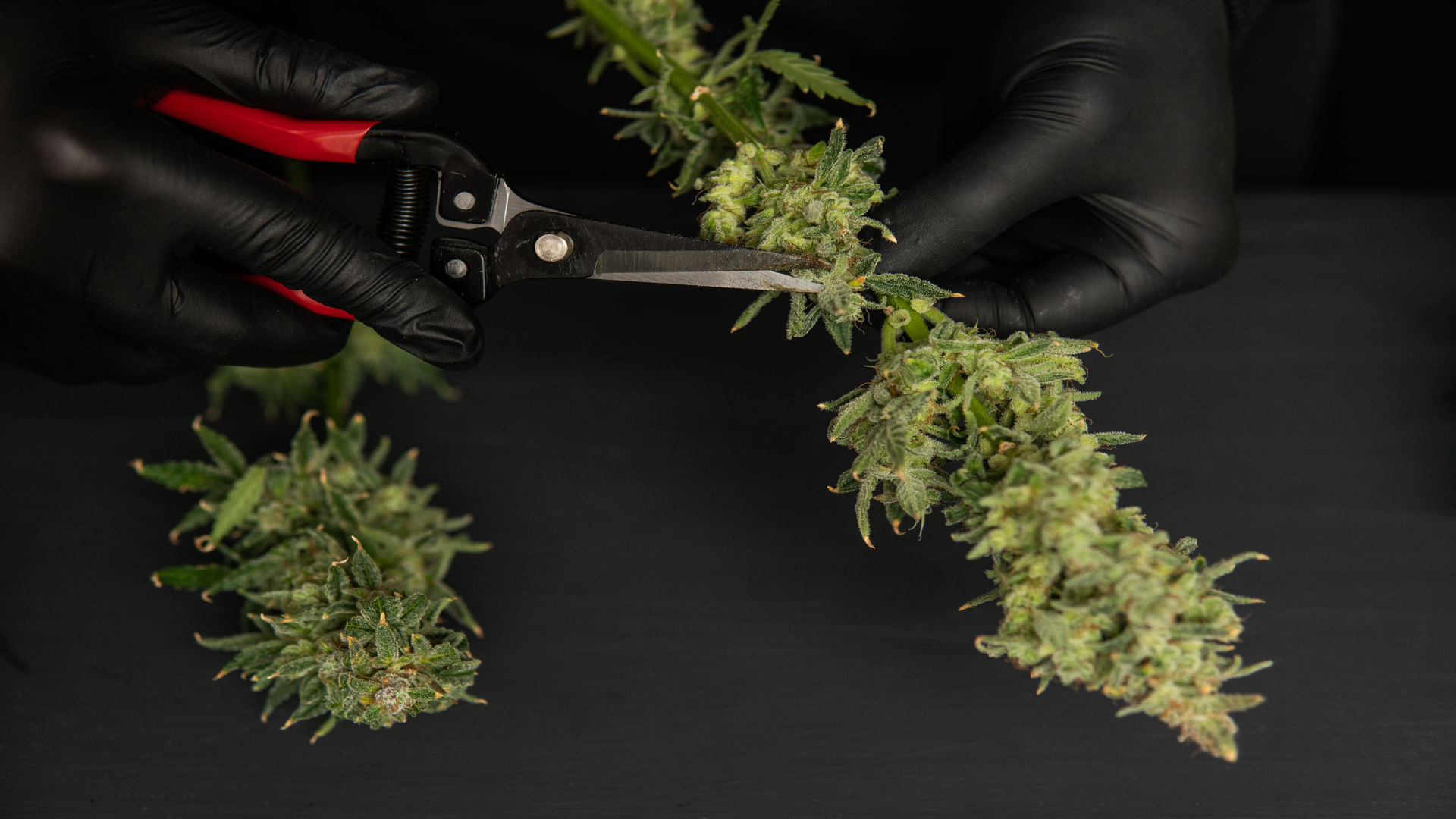
The cannabis cultivation community has long endured a kind of standoff over how best to trim buds after harvest. When it comes down to the merits of wet trim vs dry trim, each method has passionate supporters who extol the virtues and acknowledge the drawbacks of one over the other. These discussions often center upon the impacts upon end quality, efficiency of method, and the preservation of key components, mainly cannabis compounds like trichomes and terpenes.
While the choice between a wet or dry trim ultimately comes down to individual preferences and specific cultivation conditions, a better understanding of both methods is needed for informed decision-making.
The Essence of Cannabis Trimming
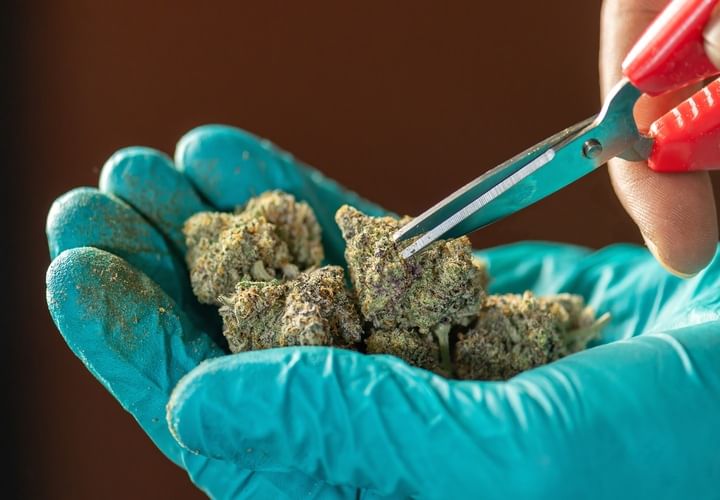
Trimming cannabis is a critical post-harvest step in cannabis cultivation. It involves meticulously removing excess leaves, stems, and other non-essential plant material from the buds. This process is vital for several reasons:
Improved Aesthetic Appeal: Well-trimmed buds are visually appealing, part of what's known as the 'bag appeal' which is important for both consumer satisfaction and marketability.
Enhanced Potency and Flavor: By removing excess foliage, the concentration of cannabinoids and terpenes in the buds is maximized, enhancing the overall potency and flavor profile.
Better Storage and Longevity: Properly trimmed buds are easier to store, less prone to mold, and generally have a longer shelf life.
The Timing, Tools, and Trimming Process
Trimming typically occurs at one of two distinct stages: immediately after harvest (wet trimming) or after the cannabis has dried (dry trimming). It is important to trim cannabis at the right moisture level to achieve the best results. The trimming process involves using tools, such as trimming scissors, gloves, and sometimes mechanical trimmers, especially in larger operations.
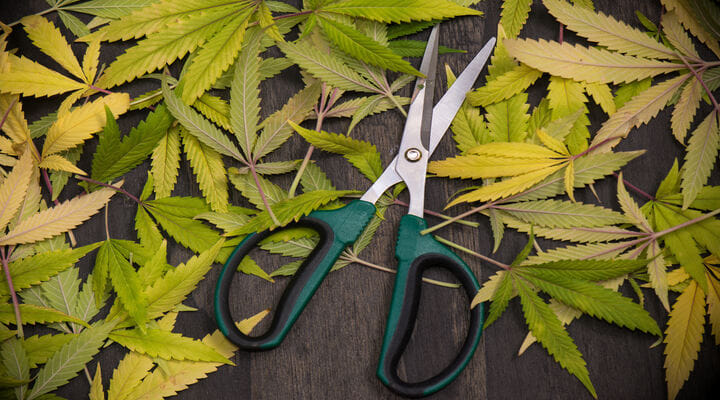
Trimming Scissors: Specialized for precision cutting, these scissors help remove small leaves and stems without damaging the buds.
Gloves: These are essential for protecting hands from the sticky resin and ensuring hygiene.
Mechanical Trimmers: Useful for large-scale operations, these devices can handle bulk trimming.
Understanding Trichomes and Their Significance
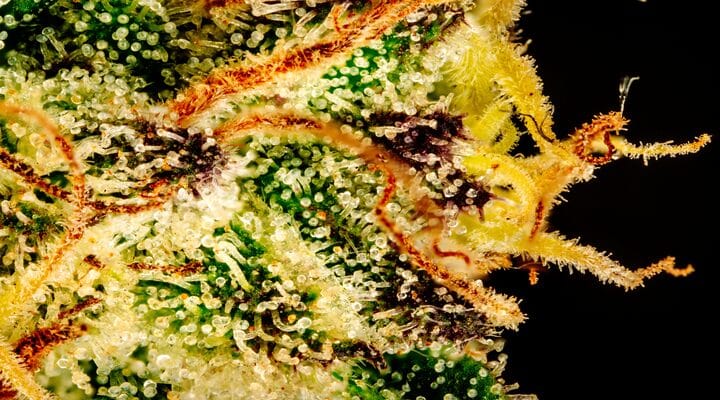
Trichomes are the tiny, hair-like structures on the surface of cannabis buds that contain the highest concentration of cannabinoids and terpenes. These compounds are responsible for the psychoactive effects, medicinal properties, and the unique flavors and aromas of different cannabis strains. Trichomes are ultimately the jewel in the crown, or the icing on the cake that is the cannabis bud.
Cannabinoids: Compounds like THC and CBD that provide various effects and benefits.
Terpenes: Aromatic compounds that contribute to the scent and flavor profile of cannabis, also offering therapeutic benefits.
Trichome Integrity: Maintaining the integrity of trichomes is crucial during trimming, as they are delicate and can be easily damaged or lost.
Wet Trimming: An Immediate Post-Harvest Process
Wet trimming involves trimming the cannabis buds immediately after harvest, while they are still fresh and moist, in what's known as the wet trimming process.
The Wet Trimming Process
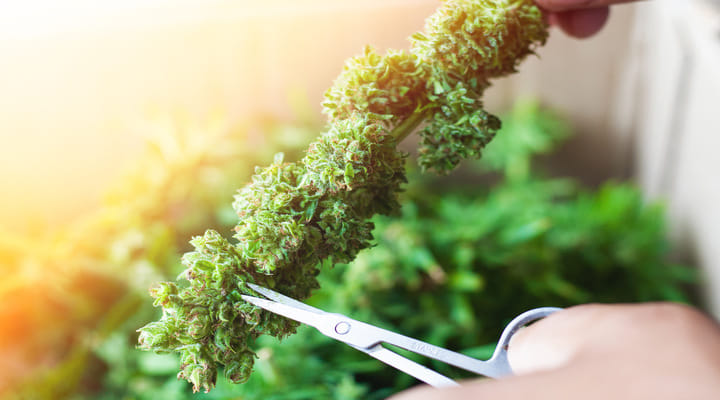
Harvesting: The cannabis plants are cut down and brought to the trimming area.
Immediate Trimming: Using scissors, the leaves and stems are removed while the buds are still wet. Commercial growers often trim wet to speed up the post-harvest process and prevent mold.
Drying: The trimmed buds are then left to dry.
Pros of Wet Trimming
Faster Drying: Without the sugar leaves, buds will dry faster.
Mold Prevention: By removing the excess foliage immediately, there'll be less plant material to trap moisture, reducing the risk of the dreaded mold during the drying phase.
Neater Appearance: As buds will be neater, you can fit more on your drying rack.
Efficiency: For large-scale operations, wet trimming can be more efficient, allowing for faster processing of large harvests.
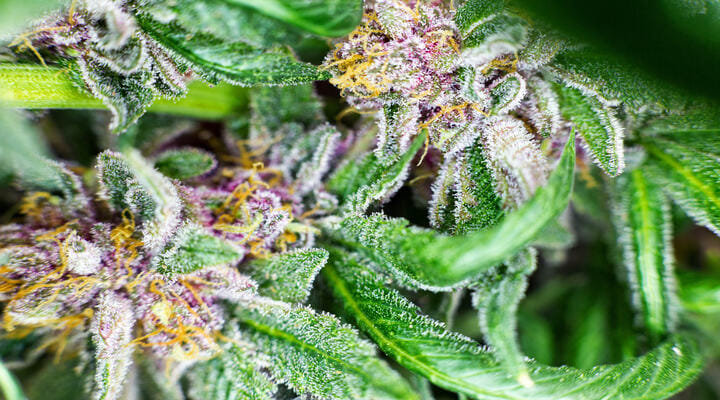
Cons of Wet Trimming
Increased Stickiness: Fresh buds are sticky, making them more challenging to handle and potentially clogging trimming tools, especially when dealing with sugar leaves.
Potential for Over-Drying: Without the protective leaves, buds may dry too quickly, risking the loss of valuable terpenes and cannabinoids.
Labor-Intensive Timing: Wet trimming must be done promptly after harvest, requiring significant labor, especially during large harvests.
Dry Trimming: Post-Drying Precision
Dry trimming involves, as the name suggests, allowing the harvested cannabis plants to dry first before trimming the excess leaves.
The Process of Dry Trimming
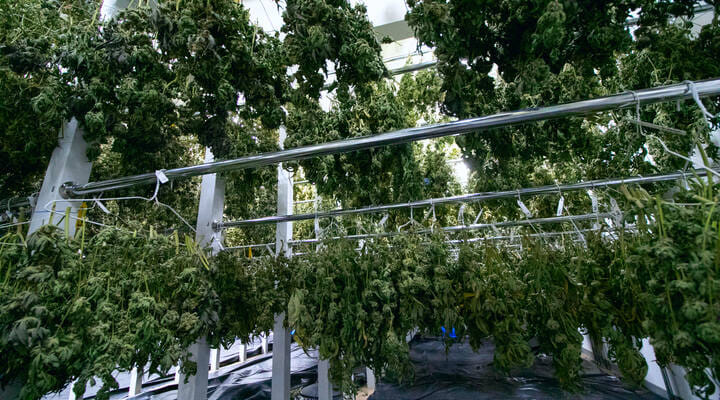
Harvesting: The cannabis plants are cut down and hung upside down or placed on drying racks.
Drying: The plants are left to dry for several days to weeks, depending on environmental conditions, in a drying process that prepares them for trimming.
Trimming: Once dry, the leaves and stems are carefully trimmed away from the buds.
Pros of Dry Trimming
Terpene Preservation: Drying the whole plant with its leaves intact can help preserve terpenes, leading to a more aromatic and flavorful final product.
Reduced Stickiness: Dry buds are less sticky, making them easier to handle and trim.
Flexible Timing: Trimming can be done at a more leisurely pace, allowing growers to spread the work over several days or weeks.
Trichome Preservation: Dry trimming can be gentler on the trichomes, preserving their integrity and the potency of the buds. When comparing trimming methods, dry trimming is often preferred for its ability to preserve terpenes and trichomes.
Cons of Dry Trimming
Harder Leaves: Once dry, leaves become brittle and harder to trim, increasing the risk of damaging the buds.
Increased Mold Risk: Drying the whole plant with excess foliage can trap moisture, potentially increasing the risk of mold development.
Aesthetic Challenges: Dry trimming can sometimes result in a less uniform appearance, which might be less appealing to some consumers.
Labor Intensity: The process can be more labor-intensive due to the brittleness of the dried leaves and the need for careful handling to avoid trichome loss.
Trichomes: The Delicate Balance
Trichomes are delicate structures that can be easily damaged or lost during the trimming process. Both wet and dry trimming impact trichomes differently:
Wet Trimming and Trichomes: Handling wet buds can cause trichomes to rupture or detach due to the stickiness and moisture. This can lead to a reduction in potency and the overall quality of the final product.
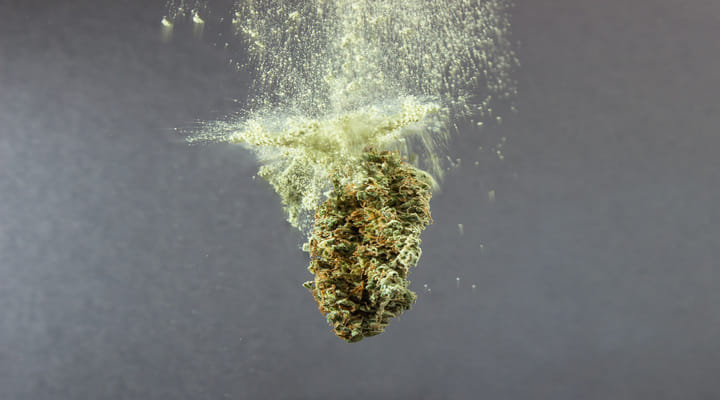
Dry Trimming and Trichomes: Dry trimming is generally gentler on trichomes. However, the brittleness of dried leaves can cause accidental trichome loss if not handled carefully. Proper technique and tools are essential to minimize damage.
Why Trichomes Matter
Preserving trichomes is crucial because they house the most potent and aromatic compounds in cannabis. Growers must strike a balance between efficiency and gentleness to maintain the highest quality in their final product.
Popularity and Preferences in the Industry
The popularity of wet versus dry trimming often depends on the scale of the operation and the specific goals of the cultivator.
Commercial Operations: Large-scale commercial growers tend to favor wet trim for its efficiency and speed. The ability to process large quantities of cannabis quickly is a significant advantage in a commercial setting.
Craft Growers and Connoisseurs: Smaller, craft growers often prefer dry trimming for its potential to preserve terpenes and trichomes better. The focus on quality
Industry Trends
Recent trends in the cannabis industry indicate a growing interest in dry trimming due to the increasing consumer demand for high-quality, aromatic products. However, the choice between wet and dry trimming remains highly individualized, influenced by factors such as:
Strain Characteristics: Some strains may benefit more from one method over the other based on their specific trichome and terpene profiles.
Climate and Environmental Conditions: The risk of mold and drying conditions can influence the choice of trimming method.
Labor Resources: The availability of skilled labor and the scale of the operation can dictate the preferred trimming method.
Conclusion
The debate between wet trimming and dry trimming in cannabis cultivation is far from settled, with each method offering distinct advantages and challenges. Wet trimming is praised for its efficiency and mold prevention, making it a popular choice for large-scale operations. In contrast, dry trimming is favored for its ability to better preserve the delicate trichomes and terpenes, appealing to craft growers and quality-focused cultivators. But does it even need to be debated?
Ultimately, the choice between wet and dry trimming hinges on the specific needs, goals, and resources of the grower. Whether prioritizing speed and ease of handling with wet trimming or aiming for maximum quality and flavor preservation with dry trimming, both methods play a vital role in delivering high-quality cannabis to the market. As the industry evolves, so too will the techniques and preferences surrounding this critical post-harvest process.
If in doubt, try it out; take a small selection of your next harvest and wet trim the buds. Make some notes of the process, and then the outcomes. Then, take another small selection of buds, dry them first and then trim. Compare the difference, and see which method you prefer.