

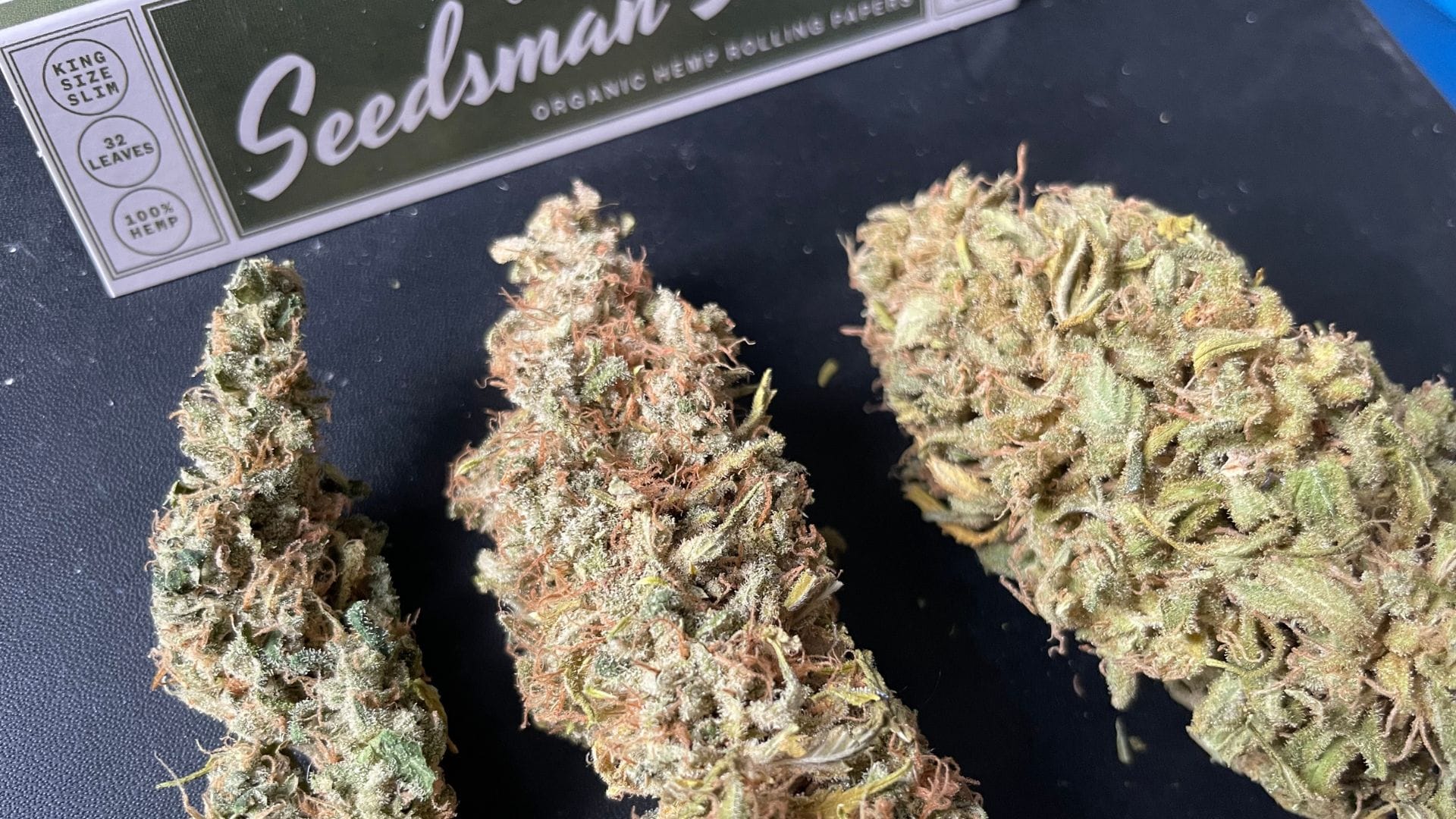
Trimming is a vital post-harvest step in the production of cannabis, a moment that stands between growers and the final product. Close trimming, specifically, is a technique that involves meticulously snipping away the leaves surrounding the bud. This seemingly simple task hides a series of complex decisions that can significantly influence your final product's potency, taste, and aesthetic appeal. But is close trimming always beneficial? Like all cultivation practices, it comes with its advantages and drawbacks.
How cannabis is trimmed—closely versus loosely, leaving more leaf material—can have various scientific implications, particularly in the context of chemical composition, therapeutic efficacy, and potential side effects. This comprehensive exploration delves deep into the science of closely trimming cannabis buds.
Cannabinoids And Terpenes
The chemical composition and, therefore, concentration of cannabinoids like THC,CBD, and others might differ between the bud (flower) and the leaves. Generally, the flower has a higher concentration of cannabinoids compared to the leaves. However, different tissue types mean different expressions of the synthases, thus a difference in, for example, potency. The various terpenes - aromatic compounds which contribute to the characteristic scent of cannabis - may also have therapeutic properties which are different in different tissue types. The synergy between various cannabinoids and terpenes can influence therapeutic outcomes. Leaving more leaf material might alter this balance, potentially affecting the entourage effect.
The total ratio of phytochemicals and even different phytochemicals altogether are produced in different concentrations between flowers and leaves. This opens the debate on whether a close trim is always the best for all cases.
Having covered some rationale for why including leaf matter might be a good thing, there are some drawbacks, too. The smoking experienced by burning leaf material might not go as smoothly as the flower, leading to a harsher sensation on the back of the throat. This can irritate the respiratory system, potentially causing discomfort or exacerbating pre-existing conditions. Leaves take the brunt of any issues with unclean air, contaminants, etc. This can have health implications if inhaled or ingested.
Consistency
If, for example, a patient was advised to use a specific quantity for their treatment, the presence of more leaves can influence the cannabinoid content they consume. For instance, a gram of loosely trimmed cannabis might have a completely different cannabinoid profile than a gram of closely trimmed buds. For scientific research, consistency is vital. Using differently trimmed batches might produce variable results, affecting the reproducibility of medical studies. Medical products require standardization for consistent patient outcomes. Loosely-trimmed cannabis introduces an extra variable that might make standardization challenging.
Loosely-trimmed cannabis might have a slightly higher weight due to the extra leaf material, which can influence pricing in markets where cannabis is sold by weight. If leaf material is deemed less valuable or less effective therapeutically, then loosely trimmed cannabis might lead to more waste if patients or users discard the excess leaves.
Bag Appeal
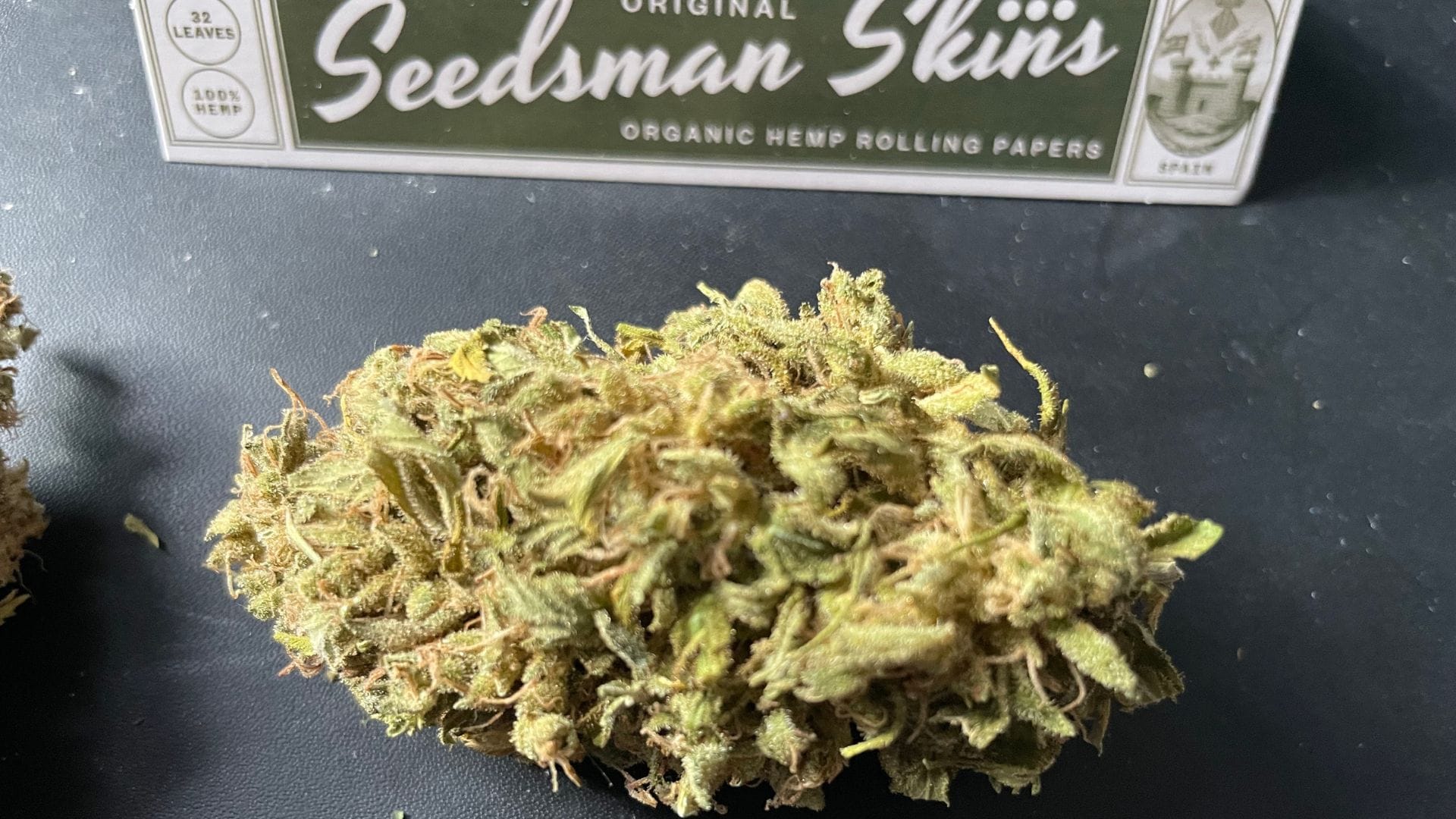
The visual appeal of closely-trimmed buds is undeniable. Most consumers associate manicured buds with the highest quality. Enhanced flavour and smoothness are assumed, and the lack of leaves containing chlorophyll, which, when smoked or vaporized, can produce a harsher taste, is viewed by many as an advantage.
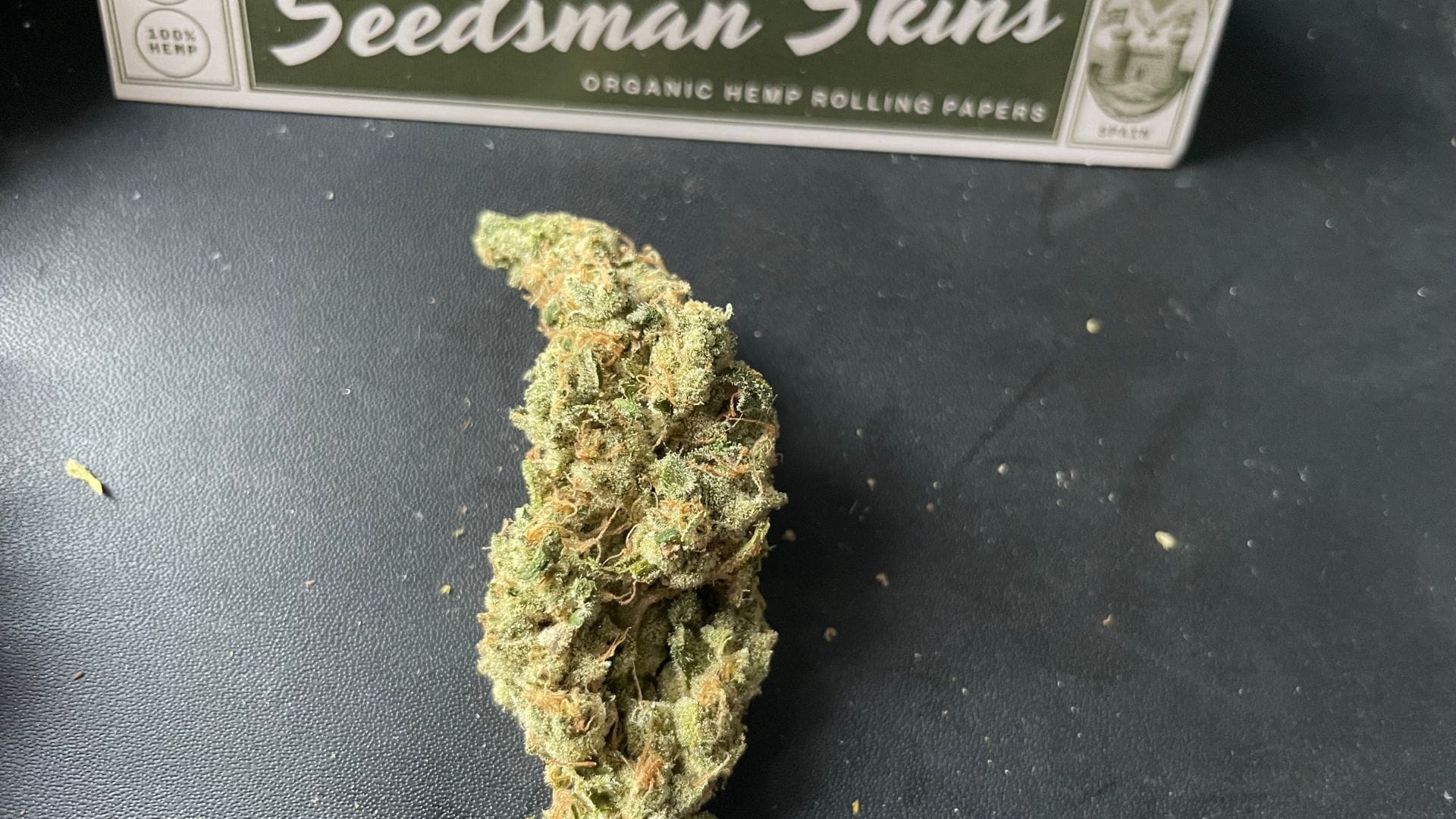
By trimming away excess leaf matter, the product often tastes better, resulting in a smoother experience for users. The beautiful colours in the bud, from the sparkly glistening trichomes to the orange pistils, are often more visible in a close trim, making the appearance more appealing.
I Must Hash You A Question!
Of course, one of the big advantages of a close trim is that the cutoffs can be used for other purposes. Home growers have made ice water hash, AKA bubble hash, and even dried sieve from their close-cut trims for years. This usually results in a highly revered product and tends to be ready quicker than the bud, bridging the gap a little to the eagerly anticipated dry flower. This is a huge advantage for many who do a close trim, but there are other uses as well. Close trim is a good starter for basic edible recipes, and, in some places, is even sold as a cheaper alternative to bud.
Loose Trim For The Win?
Loose-trim cannabis can be due to the genetic tendencies of the plants, too, and these monster plants can still produce bountiful buds. Although some trim is still involved, these genetics can be much easier to manage in the post-harvest. Some people like the leafier buds and plants, with reasons cited including ‘more mellow high, prefer the taste, stocks last longer’, etc. Close trimming, on the other hand, is labour-intensive. It requires patience, skill, and hours of painstaking work, especially for large harvests. This can increase production time and labour costs. The trimming process can lead to the unintentional loss of trichomes, which are crucial for the bud's potency; thus less trimming equals more THC. As these trichomes get knocked off or stick to trimming tools, the potency can slightly decrease.
Overzealous trimming can compromise the bud's structure, making them too small or misshapen. Such buds might have a diminished market value. While sugar leaves can have fewer trichomes than the buds, they're not devoid of trichomes and in some cases, have wonderful profiles unique to them. Trimming them off could mean missing out on different flavours, hits, and potential extracts or other products derived from these trichome-laden leaves.
If you’re working with large-scale cultivation and have a limited workforce, the time and resources needed for close trimming might not be justifiable. Additionally, if you process your cannabis into extracts, oils, or edibles, the aesthetic of the bud becomes less relevant. In such cases, broader trimming or even bucking (removing only the large fan leaves) might suffice.
Final Thoughts
Opting to close trim your cannabis is a decision that should be anchored in your objectives and the resources at hand. Every cultivation decision represents a trade-off between advantages and potential challenges. However, with a comprehensive grasp of trimming's impact, you'll be better positioned to determine the best approach for your growing practice.
The journey to producing an exceptional product demands meticulousness from seed to smoke. Even though trimming appears as one of the concluding stages, its effect on the final product cannot be understated. Whether you lean towards close trimming or a different technique, it's essential to uphold the standards of quality and uniformity.
