

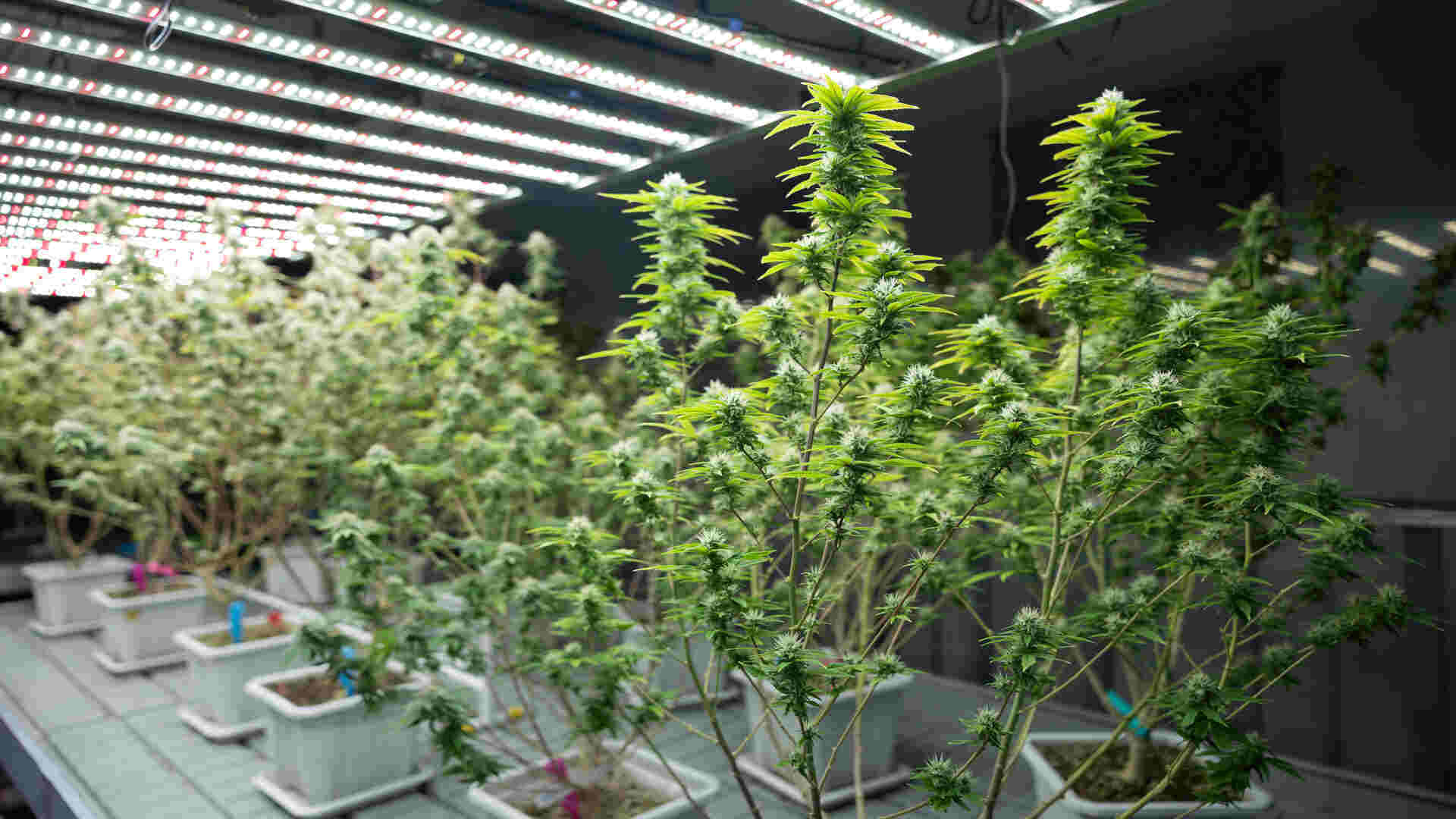
Choosing the best indoor cannabis grow system is key to successful indoor cultivation. This guide will help you select the right system, set up your space, manage environmental factors, and boost your yields.
Key Takeaways
- Selecting the right indoor cannabis grow system, such as hydroponic or soil-based kits, is the easiest way to increase yields and cultivation success.
- Creating an optimal grow environment by managing temperature, humidity, and ventilation significantly impacts plant health and overall yield.
- Utilizing automated systems for lighting and environmental control increases efficiency and contributes to higher quality and yields.
Why Indoor Cannabis Grow Systems Matter
Indoor cannabis grow systems have revolutionized the way cannabis is cultivated, providing a controlled environment that allows for optimal growth and maximum yields. These systems matter for several reasons:
- Year-round growing: One of the most significant advantages of indoor grow systems is the ability to cultivate cannabis plants 365 days a year, regardless of the outside weather conditions. This ensures a continuous supply of high-quality cannabis.
- Climate control: Indoor grow systems allow for precise control over temperature, humidity, and light spectrum, creating an ideal environment for cannabis plants to thrive. This level of control is crucial for optimizing plant health and maximizing yields.
- Increased yields: Indoor grow systems can increase yields by up to 30% compared to outdoor growing methods. The controlled environment allows for more efficient use of resources and better management of plant growth.
- Improved quality: Indoor grow systems enable growers to control the light spectrum, intensity, and duration, resulting in higher-quality buds with improved flavor, aroma, and potency. This level of control ensures that each plant receives the optimal conditions for growth.
Choosing the Right Indoor Cannabis Grow System

Choosing the appropriate system for an indoor cannabis cultivation can greatly influence the success of your grow. Many grow tent kits are available including the AC Infinity Advance Grow Tent Kit that utilises efficient hydroponic technology, and is user-friendly. With these systems, it’s easy to produce as much as 8oz (227gm) of dry flower per growth cycle while maximizing yields. They feature WiFi capabilities which enable growers to adjust climate settings remotely for optimal growth conditions. The above system incorporates Samsung LM301H diodes that provide comprehensive coverage with effective light penetration across all stages of plant development.
Setting Up Your Grow Space
Establishing your grow space is a basic building block to growing the absolute best garden. Evaluate the dimensions, type of flooring, and availability of water and electrical outlets to make an efficient grow environment.
A cannabis tent kit that comes equipped with intake and exhaust systems facilitates proper air movement and environmental control. This is the ideal indoor environment to nurture your plants.
Grow Room Requirements
Creating an ideal grow room involves considering various environmental factors, including temperature, humidity, and carbon dioxide levels, which significantly impact cannabis yield and health. During the vegetative stage, maintain temperatures between 70°F and 85°F (21°C-29°C) and humidity levels between 50% and 70% to support healthy growth and reduce mold risk.
In the flowering stage, slightly adjust the temperature range to 65°F to 85°F (18°C-29°C) and reduce humidity to 40% to 50% to minimize mold. Flowering plants need specific levels of photosynthetically active radiation (PAR) to thrive, particularly between certain measurements of photosynthetic photon flux density (PPFD), and adjustments in grow light fixture overhead to optimize coverage.
Seedlings thrive in 65-70% humidity and temperatures of 68-77°F (20-25°C) under light. make sure to keep seedlings within this humidity and temperature range. Adhering to these parameters creates a conducive indoor cannabis cultivation environment.
Ventilation and Air Circulation
Ventilation is vital for a healthy grow room, regulating temperature, humidity, and providing fresh air for photosynthesis. An exhaust system expels stale air, ensuring a constant flow of fresh air to the plants.
Using a small circulation fan creates steady air movement, benefiting stalks and preventing mold and mildew. Proper airflow maintains a healthy environment for cannabis plants.
Selecting the Best Grow Lights for Cannabis

Selecting the appropriate grow lights is essential to optimize harvests. These lights supply critical light intensity and spectrum necessary for effective photosynthesis. LED fixtures are favored due to their energy-saving properties and customizable spectra suited for various growth phases. Both High Pressure Sodium (HPS) and Metal Halide (MH) lamps are not as efficient and generate much more heat than LED lamps.
It’s imperative to comprehend how different spectrums influence cannabis plants: red wavelengths boost flower formation, while blue wavelengths foster foliage expansion. Your selection of lighting systems can have a profound effect on both plant health and productivity. Full spectrum LED grow lights are a safe choice because they deliver comprehensive wavelength coverage suitable for all stages of growth.
Automated lighting setups enable growers to meticulously manage light cycles with minimal risk of human error, ensuring precise amounts of light and peak plant performance.
In summary, picking out top-notch grow fixtures equipped with LED Samsung LM301H diodes along with grasping their role lays down an optimum foundation for cultivating cannabis effectively. For beginner growers, starting with one LED light and gradually adding more lights as plants grow allows for scalable and flexible lighting solutions.
LED Grow Lights

LED grow lights have transformed indoor cannabis grow lights cultivation with their energy efficiency and adjustable light spectra. These lights reduce energy costs, lower heat output, and increase yields over shorter periods. COB (Chip-On-Board) technology enhances light intensity by using multiple chips in one package, making it highly effective for cannabis cultivation. Quantum board LED lights are also favored for their efficiency. The distance of LED light from the plant canopy affects light intensity and coverage, which is crucial for optimal plant growth.
Choosing the proper LED grow lights significantly impacts plant development. Samsung’s lamp beads are reliable, enhancing efficiency and light quality. Full-spectrum LED lights provide a range of wavelengths supporting all growth stages, ensuring healthy and robust plant growth.
High Pressure Sodium (HPS) and Metal Halide (MH) Lights

Until a few years ago, cannabis cultivators favoured High Pressure Sodium (HPS) and Metal Halide (MH) lamps. HPS lamps emit a high output of red spectrum light which aids in flower bud formation. And, MH lights are types of High Intensity Discharge (HID) lighting that produce a blue spectrum optimal for the vegetative growth.
HID lighting systems generate a significant amount of heat causing climatic and plant cultural problems. If you must use HID lamps, increase ventilation and circulation. Keep bulbs 18-36 inches above garden canopy.
Lighting for Different Growth Stages
Lighting is a critical component of indoor cannabis grow systems, and different growth stages require different lighting conditions to ensure healthy development and maximum yields.
- Seedling stage: During the seedling stage, cannabis plants require gentle, low-intensity light to prevent burning. LED grow lights with a blue spectrum (400-500nm) are ideal for this stage, as they promote healthy root development and early vegetative growth.
- Vegetative stage: In the vegetative stage, plants require more intense light to support robust vegetative growth. LED grow lights with a balanced spectrum (400-700nm) are suitable for this stage, providing the necessary light intensity and spectrum to promote strong, healthy foliage.
- Flowering stage: During the flowering stage, cannabis plants need a more intense light with a red spectrum (620-740nm) to encourage bud formation and flowering. High-pressure sodium (HPS) grow lights are commonly used during this stage due to their high output of red light, which is essential for maximizing flower production.
Understanding Light Intensity and Distance
Adequate light intensity is essential for optimal cannabis plant growth, influencing photosynthesis and overall plant health. Providing much light for proper vegetative growth understanding and management that are essential.
Combining multiple light sources can optimize growth and minimize light burn risk, ensuring cannabis plants receive more light at the correct amount for each stage.
Measuring Light Intensity with PPFD
Accurate light intensity measurement is key to optimal growing conditions for cannabis. PPFD (Photosynthetic Photon Flux Density) measures the light density a plant receives over time, crucial for growth assessment. Using a PAR meter enables growers to measure PPFD accurately and adjust grow light height and distance accordingly.
Full-spectrum LED lights are beneficial, providing wavelengths that support all growth stages and ensuring healthy plant development.
Adjusting Light Height
It’s essential to manage the height of LED grow lights maintain the right level of light intensity for cannabis plants and to avert unlikely light burn. Adjust the height of LED light to maintain proper light intensity. During the vegetative phase, situate your LED grow lights between 12-24 inches above the plant canopy. In the flowering stage, they should be placed at a distance of 16-36 inches.
Keeping an eye on the health of your plants and modifying the proximity of grow lights fosters robust growth. Ensuring that you set up your grow lights at suitable heights is essential for nurturing healthy development throughout all stages of cannabis growth.
Nutrient Management for Indoor Cannabis Growth

Managing nutrients is essential for the successful indoor cultivation of cannabis. Hydroponic systems are particularly effective, facilitating efficient nutrient uptake and water conservation, which is beneficial in regions with stringent water usage rules. These setups lead to more rapid and robust plant development because they supply nutrients straight to the root zone. When deficiencies occur, plants might display symptoms such as leaves turning yellow or experiencing stunted growth. These issues can be addressed by applying specific corrective measures.
For those using soil-based methods for growing cannabis, it’s important to note that while this medium provides a range of natural nutrients, there’s a risk of overloading plants—known as nutrient burn—if the release rate from the soil is excessive. Opting for high-quality organic soils that are available locally could greatly streamline managing nutrition requirements during cultivation.
Conducting periodic tests on your soil will help identify any nutritional deficits or excesses so you can make precise adjustments to enhance plant vitality. A solid grasp on how to cater to your plants’ nutritional needs leads not only toward their optimal growth, but also plays a critical role in achieving maximum yields from your crops.
Hydroponic Nutrient Solutions
Indoor hydroponic systems require a well-balanced mixture of macronutrients such as nitrogen, phosphorus, and potassium, to micronutrients for plants to flourish. In the vegetative stage specifically, it’s best to use nutrient solutions that have higher levels of nitrogen and all other nutrients too. Flowering fertilisers have higher levels of phosphorus and potassium and all other nutrients too. It is essential to keep an eye on these nutrient concentrations consistently and make necessary adjustments in order to avoid any shortfall.
For cannabis plants cultivated in such systems, ensuring the pH level remains within a slightly acidic to neutral range is fundamental since this directly impacts the availability of nutrients.
Soil-Based Nutrient Management
Nutrients most often available in soil, but there’s a danger of nutrient burn when these nutrients are depleted too quickly from the soil. Choosing high-grade organic soils can greatly streamline the process of managing nutrients. This handcrafted soil comes loaded with a mix of over 18 essential nutrients designed to promote ideal growth conditions for plants.
Incorporating organic supplements such as disease/pest-free compost into the soil not only bolsters its health, but also increases nutrient availability. By employing these organic methods, soil growers can foster vigorous and flourishing plants.
Monitoring and Controlling Environmental Factors
For successful indoor cannabis cultivation, it is a must to check and regulate environmental elements. Establishing a grow room enables meticulous management of crucial conditions such as temperature, humidity, and lighting that are fundamental for the optimal growth. It’s important to select an area that offers privacy, security, and ready access to essential utilities.
It is equally necessary to ensure a clean grow area and vigilantly inspect for any indications of pest or disease invasion or infestations. By carefully overseeing these aspects, you can support robust plant development and maximize yield potential.
Temperature and Humidity Control

Ensuring the right temperature and humidity is essential for the robust growth of a cannabis plant. Cannabis plants prefer temperatures from 68-77 degrees F (20-25 degrees C). during their vegetative phase. Increase the temperatures a little to between 65-85 degrees F (18-30 degrees C) during flowering.
To avoid mold and promote healthy plant development, it’s important to regulate relative humidity within a range of 40% to 70%, tailored according to each growth stage. Efficient ventilation systems are necessary for dissipating excess heat generated by grow lights while also sustaining suitable levels of humidity.
Utilizing intelligent controls specifically designed for regulating temperature and moisture can significantly contribute towards creating optimal conditions for cultivation, thus enhancing overall yield potentials.
CO2 Enrichment
Increasing the concentration of carbon dioxide in the grow room can considerably improve photosynthesis and accelerate growth rates. Elevated CO2 levels can lead to quicker plant development that increases yield potential as a result of boosted photosynthetic activity.
For growers looking to apply CO2 enrichment strategies, options include utilizing CO2 generators or tanks. It is important to carefully monitor the levels of carbon dioxide to ensure that they remain within ideal ranges for optimal plant growth. This approach is especially advantageous in enclosed grow rooms, where natural concentrations of CO2 are typically insufficient.
Automating Your Indoor Grow System
Enhancing your indoor growing operation with automation can markedly improve both efficiency and output. Introducing automated systems lowers the need for manual labor, guarantees more consistent conditions for plant growth, and facilitates the gathering of data in real-time that supports well-informed decisions.
The adoption of these technological innovations allows cultivators to refine a range of tasks, leading to increased harvests while simultaneously trimming down on operational costs. This progress is transformative for cannabis growers at all levels of expertise, from beginners to seasoned professionals.
Automated Lighting Systems
Precision-controlled automated lighting systems are key to providing optimal growth conditions for cannabis plants by fine-tuning both light intensity and spectrum. These advanced setups often include features like timers and sensors that dynamically adjust the lights according to the evolving requirements of the cannabis plants across various developmental stages. Such vigilant control over illumination not only averts problems such as too much or too little light, which can detrimentally affect plant health, but also promotes more vigorous flowering.
These sophisticated lighting arrangements guarantee that during each phase of growth, plants receive an appropriate quantity of light in accordance with pre-established schedules. The high level of accuracy offered by these systems minimizes human error risks while boosting overall plant development. Embracing automated lighting solutions is a prudent move towards significantly enhancing both productivity and outcome consistency in your venture into cultivating cannabis.
Smart Environmental Controls
Intelligent environmental management elevates the experience of cultivating cannabis indoors by fine-tuning essential elements like temperature, humidity levels, and the provision of nutrients. Systems that automate nutrient distribution deliver exact nutrient quantities to plants. My favourite controllers come from AC Infinity!
Growers now have the ability to tailor and track growing conditions effortlessly through their smartphones thanks to smart control systems, ensuring optimal cultivation environments are sustained with ease. This fusion of technology simplifies the farming operation significantly and yields more efficient outcomes—culminating in enhanced plant quality and increased production volumes.
Troubleshooting Common Issues
Cultivators of indoor cannabis frequently face challenges including light intensity and spectrum, insufficient nutrients, and invasions by diseases and pests. It’s essential for them to consistently observe and maintain their plants to detect and resolve such problems quickly.
Being aware of the typical early signs of problems along with applicable remedies enables growers to keep their cannabis plants healthy and happy.
Managing Nutrient Deficiencies

Deficiencies in nutrients often reveal themselves through various signs, such as leaves turning yellow, growth that is stunted, and a lackluster bloom. Identifying and remedying these shortages is essential for the vigorous growth of cannabis plants and to achieve maximum production.
For instance, when the lower leaves begin to turn yellow, it may suggest a shortage of nitrogen. This can be rectified by applying fertilizers high in nitrogen content. In contrast, if foliage takes on dark or purple hues, it might signal a phosphorus deficiency which can be corrected with fertilizers containing an ample amount of phosphorus. Consistently observing plant condition and tailoring nutrient provision according to their specific requirements will promote strong plant development.
Pest and Disease Control
Maintaining the health of cannabis plants requires efficient control over pests and diseases. Employing integrated pest management (IPM) tactics serves to manage pest numbers while keeping chemical application to a minimum. It is vital to examine plants carefully for early signs of infestations, including webbing or foliage damage, which require prompt identification and treatment.
Isolating plants that exhibit signs of pest presence helps stop these organisms from reaching other healthy specimens. Utilizing organic pesticides alongside beneficial insects can also contribute significantly to an adept pest control plan. Keeping the cultivation area clean and continuously overseeing environmental variables play crucial roles in thwarting outbreaks and illnesses among the plants.
Common Mistakes to Avoid in Indoor Cannabis Growing
Indoor cannabis growing can be a complex process, and mistakes can be costly. Here are some common mistakes to avoid to ensure a successful grow:
- Insufficient lighting: Providing inadequate lighting can result in weak and spindly plants. Ensure that your grow lights are sufficient for the size of your grow area and that they provide the appropriate light spectrum for each growth stage.
- Inadequate ventilation: Poor ventilation can lead to temperature fluctuations, humidity issues, and pest problems. Ensure that your grow area has adequate ventilation to maintain a healthy environment for your cannabis plants.
- Overwatering: Overwatering can be detrimental to cannabis plants, causing root rot and other problems. Monitor your plants’ water intake and adjust as necessary to prevent overwatering.
- Inadequate nutrient supply: Cannabis plants require a balanced diet of nutrients to thrive. Ensure that you are providing your plants with the necessary nutrients, and adjust as necessary to avoid deficiencies or excesses.
Harvesting and Post-Harvest Processing
Ensuring the quality of your cannabis hinges upon key steps, such as harvesting and post-harvest processing. It is vital to harvest at an optimal time to ensure the potency, flavor, and general excellence of the buds are at their peak.
The importance of adequately drying harvested cannabis buds cannot be overstated. It’s necessary to lower moisture levels and avert mold growth. Once dried, curing elevates bud quality by refining taste and fragrance while also contributing to a more pleasant smoking experience.
Adherence to these processes enables cultivators to yield top-tier growing cannabis that boasts maximum strength in both effect and taste.
Harvest Timing

Maximizing the strength and taste of cannabis buds is highly dependent on harvesting them at the right time. To find this ideal moment, growers should monitor trichome color. Clear trichomes suggest peak THC concentrations while a shift to milky or amber hues hints at varying effects.
The prime harvest period arrives when most pistils have achieved an amber color and the trichomes are no longer transparent but somewhat opaque, which is an indication of maximum potency. For Sativa varieties, it’s best to harvest when about 30% of the trichomes have turned amber. On the other hand, Indica varieties reach their optimal state when about half but not all trichomes show this coloring.
Growers who pay close attention to how their plant’s trichomes develop will be able to pinpoint with precision the most opportune time to harvest.
Drying and Curing

The process of drying and curing plays a pivotal role in determining the taste and potency of cannabis buds. Gradual drying is fundamental to improve the taste and smoothness of cannabis. On the contrary, quick drying can diminish bud quality. Drying times range from 4-7 days or longer. Time is contingent upon which trimming technique, humidity and temperature.
During the curing stage, dried cannabis flowers are stored in hermetically sealed containers. It’s important to open these containers as needed—referred to as “burping”—to let out moisture during the first week or two. While an adequate cure can take anywhere from two weeks up to three weeks, prolonging this period may notably amplify both flavor and scent qualities inherent in cannabis.
Adhering diligently to these protocols allows cultivators to ensure their harvested cannabis buds achieve optimum levels when it comes both to potency and flavor.
Future of Indoor Cannabis Growing
The future of indoor cannabis growing is exciting, with advancements in technology and innovation paving the way for more efficient and sustainable cultivation methods. Some trends to watch include:
- LED grow lights: LED grow lights are becoming increasingly popular due to their useable light spectrum and intensity, energy efficiency and long lifespan. These lights are revolutionizing indoor cannabis cultivation by reducing energy costs and improving plant health.
- Automated grow systems: Automated grow systems are becoming very popular, allowing growers to monitor and control their grow environment remotely. These systems can automate tasks such as lighting, watering, and nutrient delivery, making the cultivation process more efficient and reducing the risk of human error. Check out my favourite, AC Infinity.
- Vertical growing: Vertical growing is a space-saving method that involves growing plants in a vertical arrangement. This method is becoming increasingly popular in urban areas where space is limited, allowing growers to maximize their use of available space and increase yields.
- Sustainable growing practices: As the cannabis industry continues to grow, sustainable growing practices are becoming more important. This includes using recycled materials, minimizing waste, and implementing energy-efficient technologies to reduce the environmental impact of cannabis cultivation.
By staying informed about these trends and incorporating new technologies and practices into your grow operation, you can stay ahead of the curve and ensure a successful and sustainable indoor cannabis cultivation.
Summary
To summarize, to enhance your indoor cannabis cultivation success, it is crucial to pick an appropriate grow system and establish a productive grow space. Opting for the most suitable grow lights is essential, along with effectively managing nutrients and addressing typical problems that arise. Mastery over environmental conditions, coupled with the integration of automated systems and adherence to correct harvesting and post-harvest procedures, will greatly increase both the quantity and quality of your cannabis yield. Equipped with these valuable tactics and knowledge, you are poised to undertake a prosperous journey in growing cannabis indoors.
Frequently Asked Questions
Are LED lights good for growing cannabis?
Yes, LED lights are excellent for growing cannabis, LEDs offer the specific light spectra for optimal plant growth.
This targeted lighting increases crop growth and yield.
What is the best indoor cannabis growing medium?
Soil is the preferable indoor growing medium for many growers, especially for beginners due to its forgiving nature and affordability.
Additionally, coco coir is a strong contender for those seeking a soilless option.
How many weeks does it take to grow cannabis indoors?
It typically takes between 8 weeks to 7 months to grow cannabis indoors, depending on various factors such as the clones, seedlings and growth conditions.
Planning accordingly will help you maximize your harvest.
What is the best fully automated grow box?
The best fully automated grow tent in my experience is from AC Infinity. Growers love the easy-to-control digital settings that guide growers effortless through the growth cycle. OK, maybe there will be a few ups and downs before harvest, but for me, this is the best automated system available in the world.
What type of grow system is best for indoor cannabis cultivation?
Hydroponic systems, especially advanced grow tent kits, are the best for indoor cannabis cultivation due to their efficiency and climate control features.
These systems enable precise management of growing conditions, leading to healthier plants and better yields.


