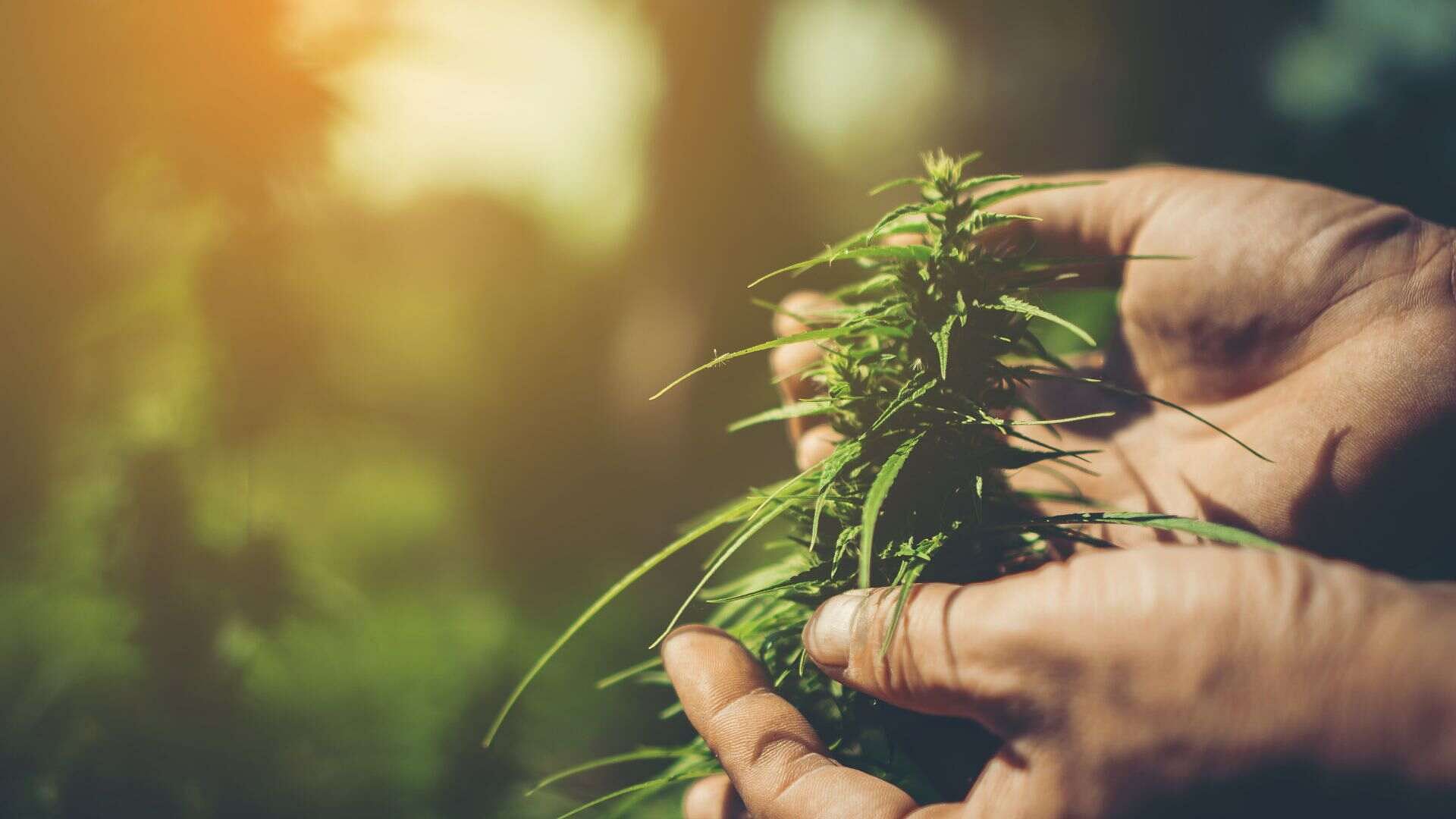
As millions of us become more environmentally and socially conscious, it comes as no great shock to find that veganism is on the rise. But did you know that this trend is beginning to make its way into cannabis cultivation? Yup - veganic cannabis is a thing, and in this article, we're going to look not only at what makes cannabis veganic but how to grow veganic weed.
What Is Veganic Cannabis?
Sustainability is a term you hear more and more these days. It means living in a more balanced state with the earth and involves an awareness and respect for the planet. Taking care of the environment, the atmosphere, and all living things has become a much higher priority. As more people look to support sustainable agriculture, plant-based diets and environmentally-friendly manufacturing have become considerably more than a fad or an underground movement. From celebrities to the people next door, veganism has become mainstream. But where does cannabis come into all this?
Hemp has always been an environmentally friendly plant, and organic cannabis growing has become more mainstream in recent times, too. Given its status as a crop, cannabis has to be grown and fed, so it makes sense that earth-conscious and sustainable practices can be used in the cultivation of weed. You can kinda boil the concept of veganic cannabis cultivation down to this: The production of cannabis without using animal products or synthetic fertilizers. It's about growing weed in harmony with nature, promoting soil sustainability and retaining your soil's fertility for future grows and truthfully, it's not that hard to do. Are you recycling your soil? If not, why not? (Don't worry, we're not here to preach). Veganic weed has started making its way into dispensaries across the USA and Canada as demand grows in the same way it has for dairy and gluten-free edibles.

What Do You Do To Make A Grow Veganic?
There are a few key principles to adhere to if you want to grow veganic weed. Some of them cross over from organic cultivation:
Try To Avoid Digging
By avoiding digging, you avoid disrupting or potentially destroying living creatures, microorganisms, or their habitats. Also, digging soil means exposing it to possible weather erosion and leaching water-soluble nutrients from the soil.
Use Organic Matter
This is easier and more popular than ever. Composts, manures, and even seaweed all help to increase your soil's natural fertility - and contain no animal products (a fundamental tenet to anything vegan).
Avoid The Use of Pesticides
This is sensible practice whether you're a vegan grower or not. Why? Pesticides kill beneficial insects that are useful for patrolling and protecting your crops and can also help nourish the soil.

Isn't Veganic Just The Same As Organic?
While it's a fact that certain principles belong in both fields of cannabis cultivation, veganic growing and organic growing do have some fundamental areas in which they differ. They both favor all-natural products, but one key difference is that organic gardening allows animal-derived products, whereas vegan cultivation prohibits it.
Why Grow Veganic Cannabis?
There's much more to this than the animal-friendly benefits; growing vegan weed can also benefit the weed and the consumer. Non-veganic weed can have buildups of heavy metal residues in the form of salts. This comes from the use of animal byproducts in certain fertilizers. Without these fertilizers, veganic cannabis metabolizes its nutrients much more efficiently and, as such, can be as much as 1000 times lower in heavy metal content than even organic cannabis! This means veganic weed is freer of contaminants, making it decidedly 'cleaner' and potentially higher in cannabinoid content. The veganic route is one worth considering for medical growers/consumers.
Now that we've seen some benefits, how exactly does one grow veganic cannabis?
How To Grow Veganic Cannabis
For vegans looking to grow cannabis plants that fit their lifestyle, there are a few steps to take when it comes to adhering to veganic methods. Key principles centre around your soil and nutrients, with veganic nutrients being one of the main steps to ensure cannabis plants conform to vegan standards.
Great Weed Comes From Great Seed
Like any good grow, your first step on the road to success is genetics. Choose the right seeds, and it's half the battle. It may come as a surprise to learn that there's such a thing as veganic seeds, and some breeders out there are dedicated to producing exactly that. These tend to come in regular form rather than the feminized version most people seeking to grow cannabis for flower prefer, and for that reason, it may be a bit of a gamble for inexperienced growers.

The good news is that you don't have to use vegan seeds to grow vegan cannabis - as long as you use high-quality cannabis seeds, you can still grow using vegan methods.
What Soil Should You Use For Vegan Cannabis?
As the foundation your plants will grow in, getting the right soil mix is obviously vital in growing vegan weed. Vegan cannabis has the same needs as good old, regular, non-vegan cannabis; it needs nutrients, it benefits from moisture in the soil (but with adequate drainage), and beneficial microbes can also help increase the soil's bioavailability. It should be easy to find vegan-compatible organic soil in garden centres these days, but if you're struggling to source the right stuff or want the reassurance of knowing exactly what's in your soil, you can make your own vegan-friendly soil mix.
Is Vegan Compost Necessary To Grow Veganic Cannabis?
Using vegan compost will significantly boost your plants by providing additional nutrients without the animal products you want to avoid. Again, this should be easy enough to buy, but you can make your own vegan compost easily. All you need to do is take some very basic ingredients like grass clippings, alfalfa, dried leaves, weeds, fenugreek and even hemp, and you have all you need to form the basis of a fantastic vegan compost.
The main thing is to make sure your compost contains nitrogen and carbon. Look to grass, weeds, and any kitchen waste free from animal products to provide nitrogen, and anything else from your garden will contain carbon. You can add these ingredients to water to make a fantastic compost tea that's both environmentally friendly and free from those animal products you're looking to avoid.
Vegan Fertilizers - An Essential Part of Your Arsenal
There's a clear advantage to using vegan formula fertilizers over the standard alternative. Plant-based nutrients derived from non-vegan sources typically exhibit low absorption rates, usually around 25% or less. But the vegan approach boasts far more impressive absorption rates, nearing 100%, enhancing overall yield, quality, and flavor. There are vegan alternatives for all cannabis nutrient products, and these are available for both vegging and flowering formulas. If you can find veganic nutrients containing mycorrhizae, even better, as these can elevate the soil's microbial population.

During the vegetative phase, nitrogen-rich plant materials like alfalfa, cottonseed, and soy meal are fantastic for nurturing plants. For the flowering stage, ingredients, including potash, wood ash, yams, and apples, serve as excellent sources of phosphorus and potassium for your plants.
Alternatives such as humic acid enhance nutrient uptake, while a calcium-magnesium supplement may amplify harvest weight. Enzymes are also effective in conditioning and regenerating new roots while facilitating the recycling of dead roots. This sustainable and eco-friendly model of growing certainly has its advantages!
Using Vegan Mulch
To get the best from your plants, you can boost soil health by adding a layer of vegan mulch on top of your soil. By using a vegan mulch containing ingredients such as vegan compost, wood chippings, and even seaweed, if you can get it, you'll protect your soil while increasing absorption at the same time - while also protecting plant roots and preventing the growth of the wrong type of weed!
Staying Veganic After Harvest
Once you've brought your plants over the finish line using veganic farming tips outlined in this article, you can still do plenty of things to keep it real. From how you smoke your cannabis to what you mix it with, there are vegan-friendly options across the board.
For example, you can take your commitment to the next level by eschewing regular smoking papers for vegan-friendly ones. Most people don't even consider the nature of their rolling papers. Still, to a vegan, the devil is always in the details, and it may surprise you to learn that the gum, and even the dye that makes the rolling papers white, contains animal products. Casein, albumen, and even animal bones can go into making the fine thread of glue on rolling papers, and these are all off-limits to a practising vegan. The good news is that vegan rolling papers are available and, as we're committed to sustainability, of course we produce our own. Seedsman Skins are the best!

If you're a fan of blunt wraps, note that these are made from tobacco, which is widely tested on animals and, as such, is most definitely against vegan principles. Look for hemp blunt wraps as a vegan-friendly alternative. If you mix your cannabis with tobacco to smoke it, you can replace tobacco with herbal mixtures from companies like Ripple or American Spirit, which are 100% vegan and do not harm animals or the environment.
Conclusion
The benefits of veganic farming make following these practices a worthwhile endeavour whether you practice veganism or not. From its eco-friendly nature to its ability to enhance the purity and quality of your crops, veganic farming, along with organic farming, are practices which continue to grow, reshaping the landscape of cannabis cultivation into the future, ironically by using an altogether more old-school approach. By incorporating these methods into your cultivation, you can rest assured that you are playing your part in the preservation of Mother Earth and working in harmony with nature - while still producing top-quality cannabis.