

Can you grow cannabis outdoors in winter? Yes, you can. This guide explains how to manage light, temperature, and humidity. It also covers choosing the right strains and setting up your grow space for success.
Key Takeaways
- Winter cannabis cultivation requires careful management of reduced daylight, cold temperatures, and humidity to ensure healthy growth.
- Choosing cold-resistant strains, such as Northern Lights, Critical, and White Widow, is essential for successful outdoor growth in winter conditions.
- Proper preparation of the grow space, including insulation, temperature control, and protective measures against extreme weather, is crucial for winter cannabis success.
Understanding the Challenges of Winter Cannabis Growing
The reduced hours of daylight during winter pose a significant challenge for growing cannabis, as these plants thrive with long periods of sunlight. The shorter days in winter can hinder their growth and the development of flowers, necessitating the use of additional lighting to compensate for the insufficient natural light.
Another difficulty faced when cultivating cannabis during cold climates is dealing with low temperatures. The cannabis plant does not cope well with cold conditions, and its genetics play a crucial role in determining its resilience. They may experience stunted growth and become more susceptible to damage from harsh weather elements like heavy snowfall or strong winds. Consequently, it’s crucial to manage temperatures effectively to keep the plants healthy and productive even when experiencing slightly cooler temperatures.
Maintaining appropriate humidity levels is also essential throughout winter months since excess moisture may lead to mold issues which could compromise plant health significantly. Proactive steps must be taken by growers to regulate indoor humidity accurately.
Despite its complexities compared to cultivation in milder seasons, producing cannabis outdoors in winter remains possible provided that there is adequate preparation and consideration given to potential risks associated with colder weather farming practices.
Choosing the Right Genetics for Cold Weather
Choosing the appropriate cannabis genetics is essential for thriving in colder climates. Some strains possess a natural resilience to the harshness of low temperatures, allowing them to prosper where others might fail. Strains such as Northern Lights, Critical, and White Widow are celebrated for their durability and capacity to cope with chilly environments.
For cultivating during winter months, autoflowering strains provide distinct advantages due to their rapid maturation and light cycle independence, which aligns perfectly with shorter daylight periods. Indica-dominant varieties also exhibit suitability for cultivation under colder temperatures given that they hail from areas characterized by brief summer seasons. These specific cannabis types come equipped with an inherent resistance against cold weather risks like mold or mildew infestations — factors which bolster chances of successful harvests when growing cannabis throughout winter.
Preparing Your Outdoor Grow Space
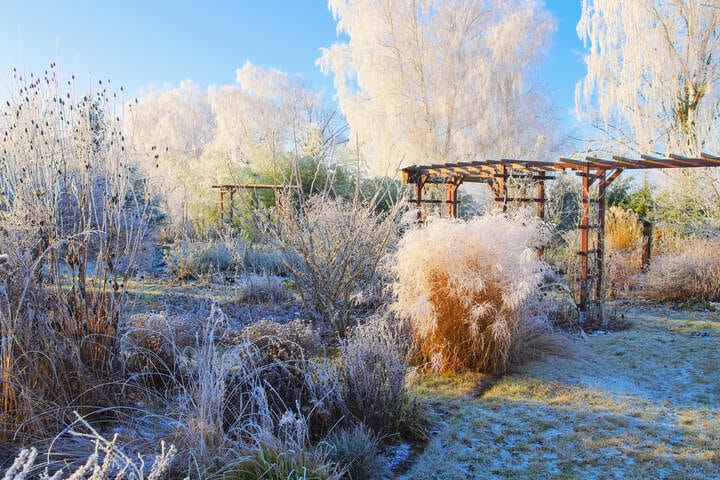
Ensuring the proper setup of your growing area is critical for nurturing cannabis during cold temperatures. Secure spaces shield plants from harsh elements, and allocating resources to acquire a greenhouse or construct a cold frame can aid in maintaining consistent temperature, moisture levels, and lighting conditions essential when cultivating cannabis.
It’s important to select durable materials for your greenhouse capable of enduring the rigors of winter weather. Roofs with peaked designs are particularly adept at handling significant snowfall and strong gusts while using dual-layer polycarbonate sheets contributes to heat conservation within the structure. Wrapping plant containers with insulating substances such as straw could help preserve warmth amidst plummeting temperatures.
Employing protective mulches not only safeguards root systems against frigid conditions, but also assists in preserving soil heat. Ensuring good air circulation within your grow space is key to preventing pockets of divergent microclimates and sudden temperature shifts. Natural barriers like windbreaks or choosing locations that receive ample sunlight during winter months—such as southward-facing terraces or balconies—can optimize light absorption for your cannabis grow amid colder seasons.
Greenhouse Design and Construction for Cold Temperatures
When it comes to growing cannabis in cold climates, a well-designed and constructed greenhouse is essential for maintaining optimal temperatures and humidity levels. Here are some key considerations for building a greenhouse that can withstand cold temperatures:
- Insulation: Proper insulation is crucial for retaining heat and preventing cold air from entering the greenhouse. Consider using materials with high R-values, such as foam board insulation or reflective insulation. These materials help create a barrier that keeps the warmth inside and the cold outside, ensuring a stable environment for your cannabis plants.
- Glazing: The type of glazing used on the greenhouse can significantly impact its ability to retain heat. Double-glazed or triple-glazed glass or polycarbonate panels are excellent choices as they minimize heat loss. These materials trap heat more effectively, providing a consistent temperature that supports healthy cannabis growth during the winter months.
- Frame and Structure: The frame and structure of the greenhouse should be sturdy and able to withstand heavy snow loads and strong winds. A metal or PVC frame with a durable covering material is ideal. This ensures that your greenhouse remains intact and functional, even in the face of harsh winter weather.
- Ventilation: Proper ventilation is essential for maintaining optimal humidity levels and preventing the buildup of condensation. Automatic vents or windows that can be opened to allow for airflow are beneficial. These features help regulate the internal environment, preventing issues like mold and mildew that can arise from excess moisture.
- Heating: A reliable heating system is necessary for maintaining optimal temperatures during the winter months. Gas or electric heaters, or a combination of both, can provide the necessary warmth. Ensuring your greenhouse is equipped with an efficient heating system will help your cannabis plants thrive despite the cold temperatures.
Starting Your Plants Indoors
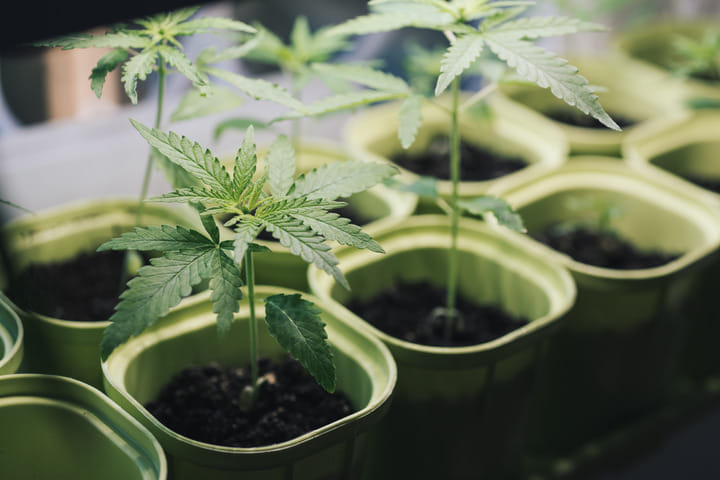
Starting cannabis seedlings indoors is vital for a successful outdoor winter grow. Indoor plants can thrive out of cold weather, protecting roots from temperature fluctuations and maintaining warmth, especially during winter months. Fragile seedlings won’t survive harsh winter conditions, so they should begin in a warm, humid environment to promote healthy growth and grow cannabis outdoors.
Gradually move seedlings outdoors to help them acclimate to the new environment and grow outdoors. In rough weather, consider bringing the outdoor plants back inside to protect them from potential damage.
Managing Temperature Fluctuations
It’s essential to carefully control temperature variations to safeguard the wellbeing and yield of marijuana plants, particularly in regions with cold weather. The ideal range for air temperatures is between 72°F and 80°F, though cannabis can endure somewhat higher levels when CO2 enrichment methods are applied. It’s important that soil temperatures remain over 16°C (61°F) to avoid complications with plant roots.
Employing thermal mass techniques such as incorporating water barrels or rock beds can aid in stabilizing temperature swings within the environment. Insulation plays a critical role in heat conservation, while utilizing thermal curtains at night helps minimize heat dissipation. Heating implements may be required to keep consistent warmth throughout.
To fend off issues like stagnant air, which could result in mold formation and negatively impact plant health, maintaining effective airflow is vital. Greenhouses must have proper ventilation systems installed to foster conditions conducive to healthy growth cycles of cannabis crops. During night hours, it’s imperative that temperatures are kept between 18-22°C (64-72°F), ensuring an optimal climate for robust development of these plants.
Protecting Cannabis from Rain and Frost
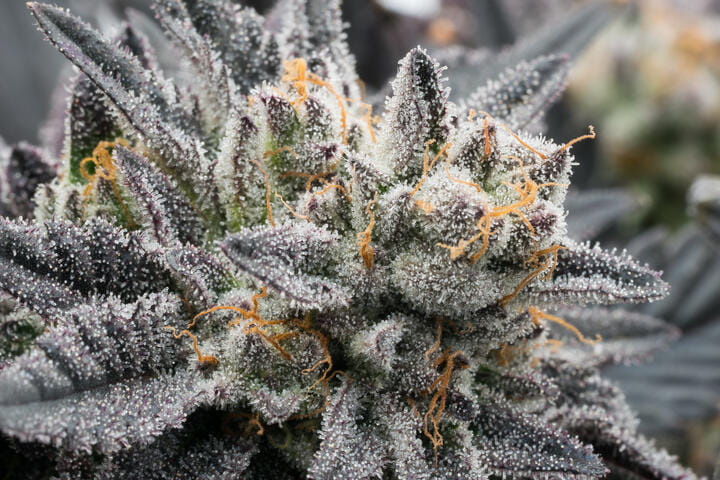
Protecting cannabis plants from rain and frost is essential for outdoor winter growing as an outdoor grower. To successfully grow weed in winter, one must address the challenges posed by low temperatures and adverse weather conditions. A greenhouse or cover can provide necessary protection against winter weather, and properly engineered structures are crucial for withstanding heavy snow and wind loads.
Insulated metal panels for side cladding can enhance a greenhouse’s energy efficiency and thermal resistance. Heat retention curtains minimize heat loss during cold nights, reducing energy costs.
Row covers offer extra protection against unexpected frost, and strategies to manage rain are necessary to prevent overwatering and root damage.
Light Management in Shorter Days
During the winter season, the shortened hours of daylight can lead to a lack of sufficient light for cannabis plants to thrive. To ensure optimal growth during these months, it is crucial to employ additional lighting. High-Pressure Sodium (HPS) lights serve this purpose well by delivering both the intensity and spectrum of light needed for effective cannabis cultivation. LED grow lights are another viable option that provides energy-efficient lighting while still meeting the necessary requirements for growing cannabis.
It’s imperative to adjust lighting schedules in response to shorter periods of natural daylight in order to facilitate proper photosynthesis and avoid issues such as elongation or weakness in young seedlings. From their initial emergence, maintaining appropriate control over lighting can have a significant influence on plant health and subsequent yields.
Humidity Control Techniques
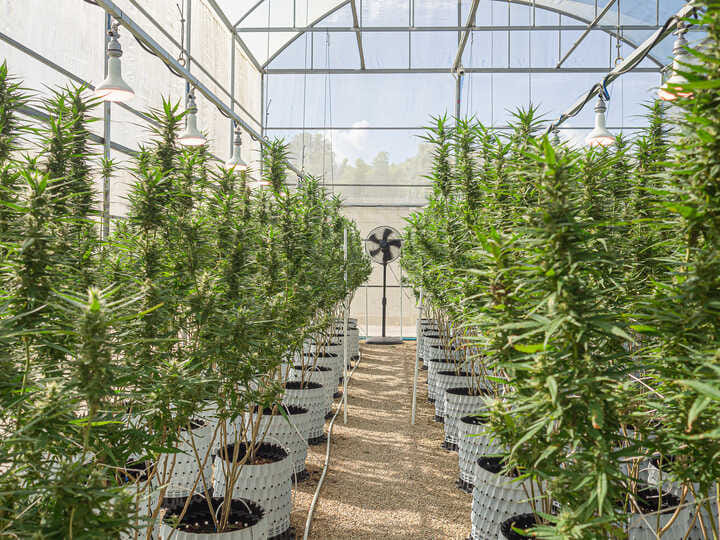
Humidity control is crucial to prevent mold and mildew in winter. Dehumidifiers are essential for managing moisture in cold climate greenhouses, preventing mold growth and condensation. Humidity levels should be maintained between 70% and 80% to avoid stress and stretching in young seedlings.
Adjustable vents and fans effectively regulate temperature and humidity inside a greenhouse. A thermometer or digital thermostat can accurately monitor humidity levels.
Absorbent materials or additional heating can assist in managing moisture during cold and humid winter conditions.
Ventilation and Air Circulation
Proper ventilation and air circulation are essential for maintaining optimal humidity levels and preventing the buildup of condensation in the greenhouse. Here are some tips for ensuring good ventilation and air circulation:
- Install Automatic Vents: Automatic vents can be programmed to open and close at specific times of the day to allow for airflow and maintain optimal humidity levels. These vents help create a balanced environment, reducing the risk of mold and mildew.
- Use Fans: Fans can be used to circulate air and prevent the buildup of condensation. Ceiling fans or wall-mounted fans are effective options for improving air circulation. By keeping the air moving, you can ensure that your cannabis plants receive fresh air, which is crucial for their growth and health.
- Monitor Humidity Levels: Regularly monitor humidity levels in the greenhouse to ensure they are within the optimal range for cannabis growth. Using a hygrometer can help you keep track of the humidity and make necessary adjustments.
- Use Dehumidifiers: Dehumidifiers can be used to remove excess moisture from the air and prevent the buildup of condensation. This is particularly important in a greenhouse setting where high humidity can lead to problems like mold and mildew.
Soil Preparation and Mulching
Growing weed in chilly environments necessitates careful soil preparation to manage the challenges associated with cold weather. Soil that allows for adequate drainage is crucial to avoid water accumulation around roots, which can lead to complications. Applying a substantial mulch layer helps regulate soil warmth, guards against frost damage, and reduces the evaporation of water.
The infusion of organic matter into the earth improves its capacity to hold onto moisture while supplying vital nourishment. Employing diverse strategies for mulching serves well in preserving root insulation and managing hydration levels near cannabis plants, promoting their vigor and hardiness.
Proper Watering Practices in Winter
Ensuring that cannabis plants receive the appropriate amount of water is essential during winter to maintain their health and yield. To prevent root harm, it’s important to avoid overwatering by setting up a well-regulated watering routine, especially when conditions are damp. The quality of water used is also significant. For ideal growth of cannabis, utilizing either purified or collected rainwater yields the best results.
In periods of persistent rainfall throughout the winter months, cultivators should contemplate relocating their plants indoors or providing shelter overhead to safeguard them from excessive moisture. It’s necessary to adjust how frequently you water depending on each stage in the plant’s development cycle. Note that seedlings require less hydration. Ensuring adequate drainage is pivotal in averting issues like waterlogged roots which could lead to damage.
Pest Prevention and Management
Pests can be a significant problem in greenhouses, especially during the winter months when plants are more vulnerable. Here are some tips for preventing and managing pests in the greenhouse:
- Inspect Plants Regularly: Regularly inspect plants for signs of pests, such as whiteflies, spider mites, and aphids. Early detection is key to preventing a full-blown infestation.
- Use Physical Barriers: Use physical barriers, such as fine-mesh screens or fine-netting, to prevent pests from entering the greenhouse. These barriers can be an effective first line of defense against unwanted insects.
- Use Organic Pest Control Methods: Consider using organic pest control methods, such as neem oil or insecticidal soap, to control pest populations. These methods are safe for your plants and the environment while effectively managing pest issues.
- Quarantine New Plants: Quarantine new plants for at least two weeks before introducing them to the greenhouse to prevent the introduction of pests. This precautionary step can help ensure that new plants do not bring in any unwanted pests that could harm your existing crop.
By following these tips, you can help ensure a healthy and productive cannabis crop, even in cold climates.
Recommended Cold-Resistant Cannabis Strains
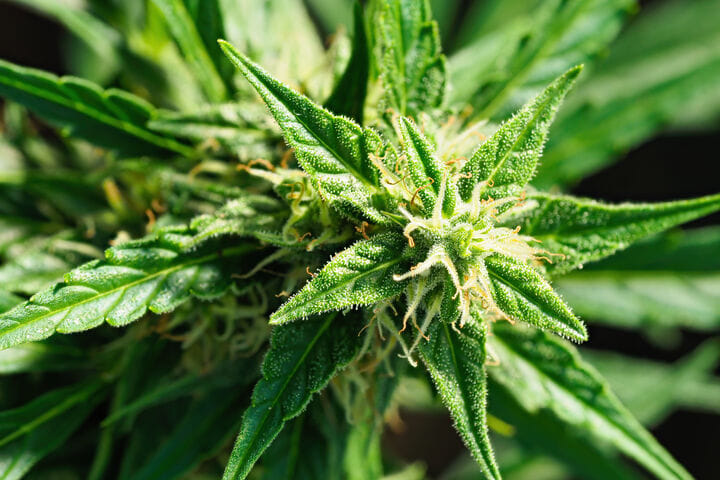
Choosing strains that can withstand the chill is essential for effective cannabis cultivation during winter. Northern Lights, a strain celebrated for its hardiness and aptness to survive in cooler climates, stands out as an exceptional selection. The Critical strain is equally commendable with its brief flowering phase and ability to endure cold weather.
For those dealing with harsher cold conditions, White Widow is advisable due to its potent THC concentration and capacity to prevail against frigid temperatures. Cultivars like Frisian Dew, Durban Poison, and Sticky Beast Automatic are esteemed for their ability to prosper in cool and moist environments while delivering considerable harvests – qualities making them perfectly suited for growing cannabis in wintertime.
Passion #1 shines when grown outdoors. It bears significant THC levels tailored for colder northern regions. Other notable varieties including Super Skunk, Shaman, and Frisian Duck offer resistance against frosty climates, allowing them robust survival through adverse meteorological situations—making these selections pivotal contributors towards ensuring bountiful yields of winter-grown cannabis.
Emergency Measures for Extreme Weather
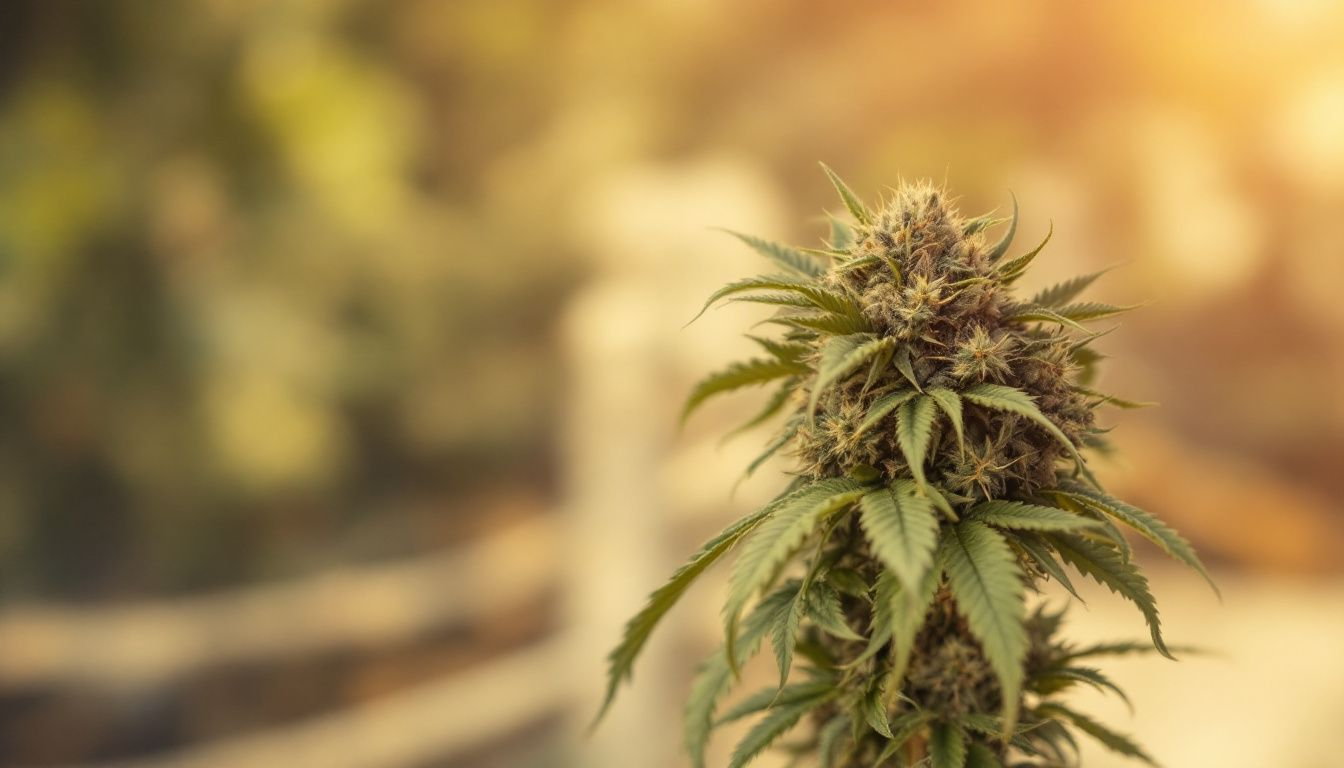
The onset of winter brings with it the possibility of harsh weather, which can have detrimental effects on cannabis plants. It’s critical to take urgent steps to safeguard your plants. In the event of a rapid plunge in temperature, transferring plants indoors can be an effective strategy to protect them from the chill. Utilizing bell cloches or other provisional shelters can offer much-needed insulation against frost during chilly nights.
In anticipation of heavy rainfall, draping your cannabis plants with tarpaulin might help prevent excessive moisture buildup and stave off root rot. Set up procedures for keeping an eye on meteorological conditions so you’re always ready for abrupt climatic shifts that require swift intervention. Being prompt and proactive in response to unexpected changes in weather is key to ensuring a thriving harvest rather than facing crop failure.
More information about growing cannabis outdoors in the Cannabis Encyclopedia by Jorge Cervantes
Individuals interested in advancing their expertise in cannabis horticulture will find the Cannabis Encyclopedia by Jorge Cervantes to be a treasure trove of information. This extensive manual encompasses a multitude of subjects, prominently featuring comprehensive strategies for cultivating cannabis outdoors—making it an indispensable instrument for growers at both beginner and advanced levels.
The tome reveals the remarkable versatility of cannabis plants, discussing their capacity to flourish under diverse weather conditions. It furnishes valuable advice on how to efficiently manage water consumption in dry locales, which is exceedingly beneficial for areas facing scarcity of this vital resource.
By turning to this authoritative source, cultivators can deepen their understanding of the complex aspects involved in growing cannabis effectively and thereby enhance the likelihood of achieving prolific growth.
Summary
Growing cannabis plants in the midst of a cold season requires meticulous planning and strategy, but it can yield significant rewards. This guide lays out an extensive framework for cultivating cannabis outdoors during winter, including how to navigate the difficulties presented by colder climates, choosing plant strains with suitable genetics for low temperatures, and employing effective growing tactics. By adhering to these guidelines and recommendations, cultivators are equipped to surmount the challenges associated with winter cultivation and secure an abundant crop. Keep in mind that through diligent preparation, appropriate resources at hand, and unwavering commitment. Transforming the chill of winter into a successful growth phase for your cannabis is entirely achievable.
Frequently Asked Questions
Can cannabis be grown in winter?
Yes, cannabis can be grown in winter with careful planning and management of cold climate challenges. Proper techniques, such as using greenhouses or indoor setups, can facilitate successful growth during this season.
What type of cannabis strains are recommended for winter growing outdoors?
For winter outdoor growing, autoflowering and indica-dominant strains are recommended due to their resilience in colder conditions.
These types can help ensure a successful harvest even in winter climates.
How should young seedlings be transitioned to outdoor conditions?
Young seedlings should be gradually acclimated to outdoor conditions by starting with short periods outside and bringing them indoors during harsh weather. This process, known as hardening off, helps prevent potential damage as they adjust to their new environment.
What is the best way to protect cannabis plants from winter weather?
To effectively protect cannabis plants from winter weather, consider constructing a greenhouse or using appropriate covers and insulation techniques.
This approach will ensure your plants are protected from harsh conditions.
What is the minimum soil temperature recommended for cannabis plants in winter?
To ensure healthy growth in winter, it is recommended that cannabis plants are kept in soil with a minimum temperature of 16 degrees Celsius (61°F).
This helps prevent root suffering.


