

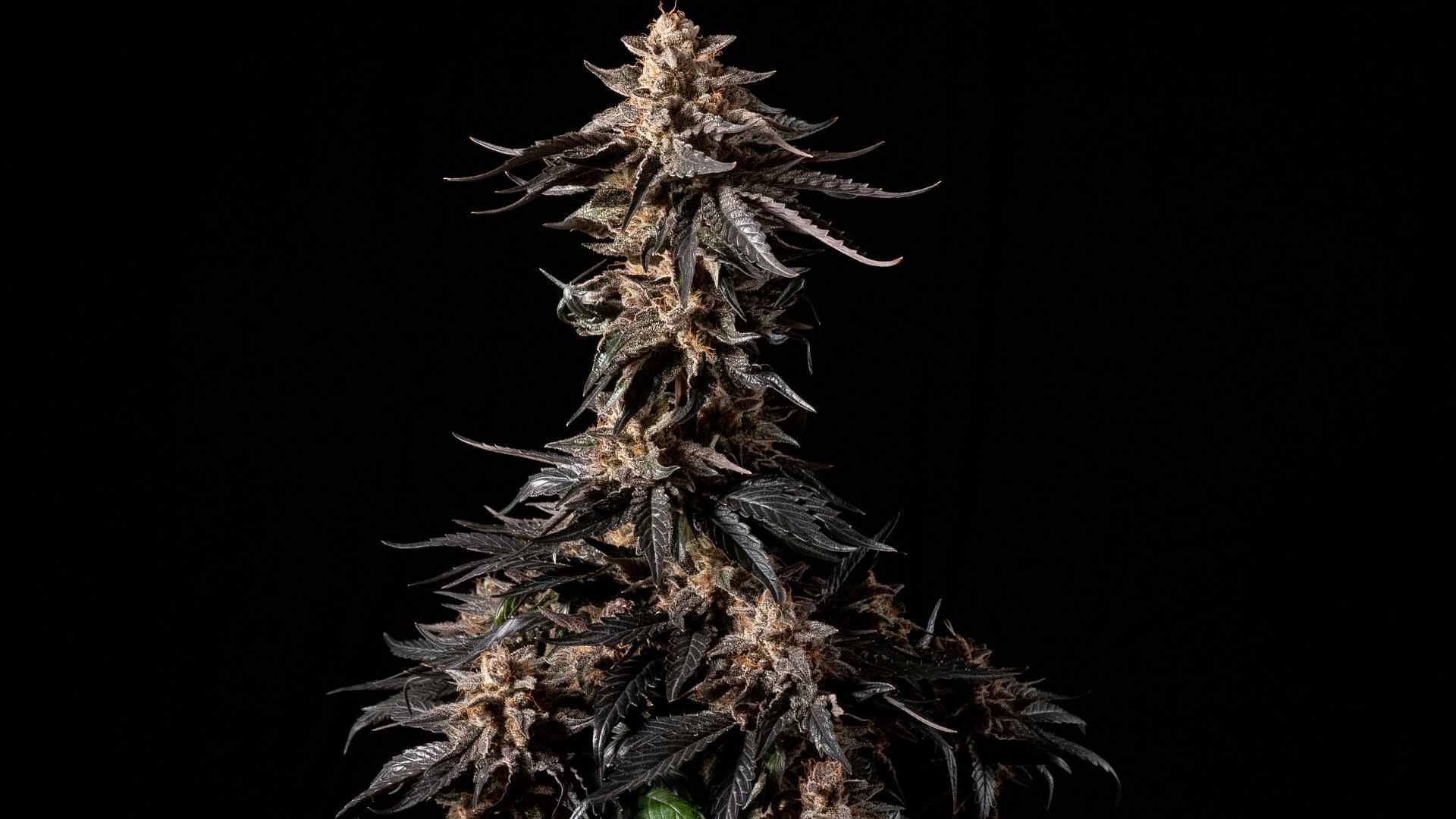
Though often referred to by many as ‘green’, cannabis comes in a kaleidoscope of colors, flavors, and effects. One particular phenomenon has captured the imagination of enthusiasts and cultivators alike – the mysterious and alluring black cannabis. This scarce and visually striking variant raises questions about its origin, cultivation techniques, and whether it boasts a potency beyond the spectrum of its green counterparts. We won’t keep you in the dark. Here’s what you need to know about black weed.
Explaining Black Weed
The gorgeous, deep, dark hues of black cannabis result from a combination of genetic factors, environmental conditions, and certain pigments in the plant. While the vibrant green color of traditional cannabis comes from chlorophyll, the green compound that aids photosynthesis, black cannabis exhibits a striking contrast due to the presence of anthocyanins. Those familiar with purple strains, or ‘purps’, may know that anthocyanins are a group of flavonoids responsible for the red, dark purple, and black colors in various plants and fruits such as blueberries, plums, and red onions. Among their many functions, anthocyanins are believed to help protect the cell structure of plants growing at lower temperatures in colder environments.
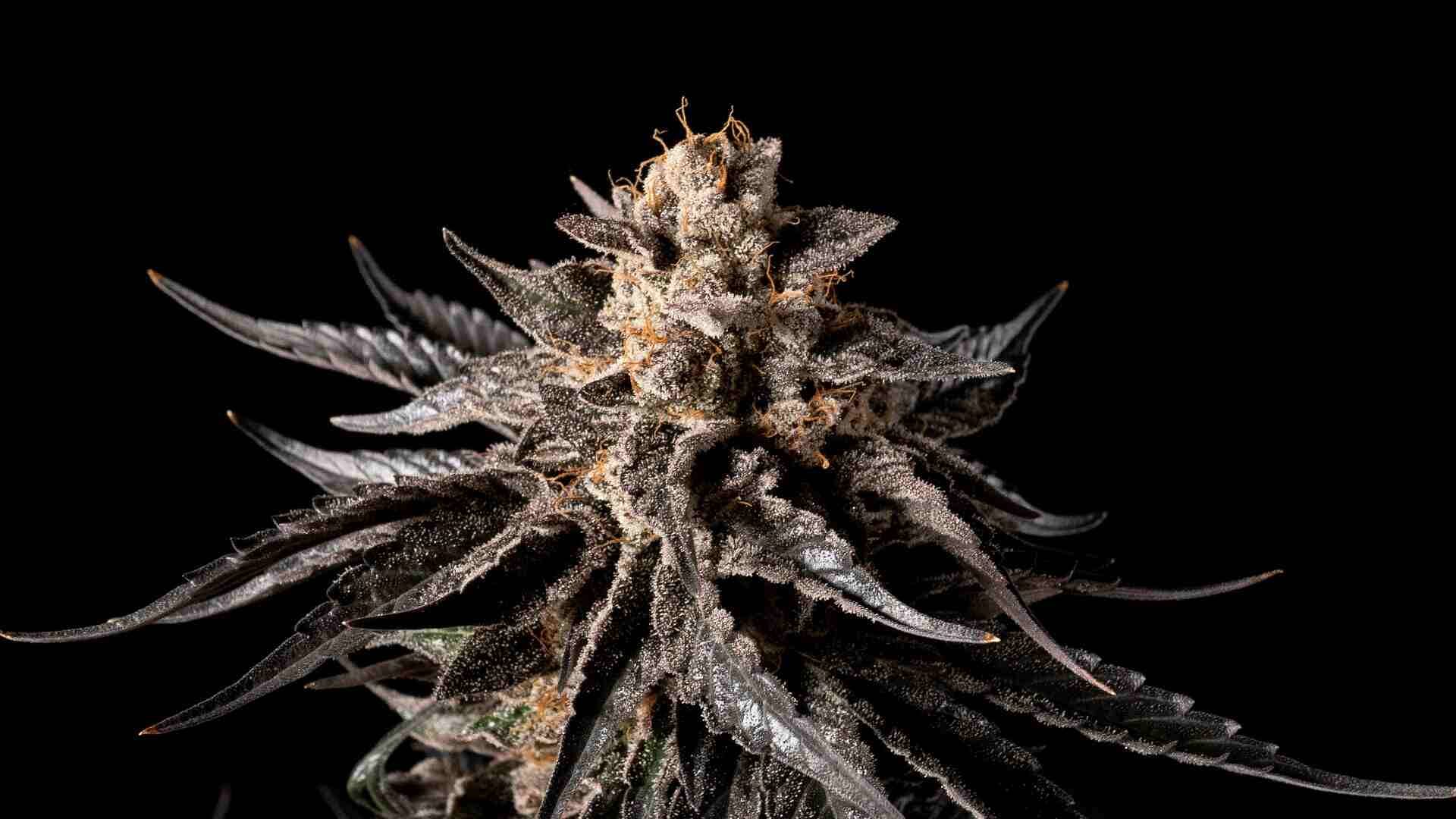
When specific cannabis strains express these pigments, they manifest as deep purples and blacks in the plant's leaves, buds, and stems. It's important to note that the occurrence of black cannabis is relatively rare and occurs more frequently in certain strains with a genetic predisposition for these pigments. But more about anthocyanins later.
Cultivating Black (or Dark) Cannabis
While cultivating black cannabis requires some precision and care, it’s not an entirely elusive endeavor. Like all reasonable specific plant goals, the keystone lies in genetics. You’ll, therefore, begin by choosing darker weed strains. But there’s more to it than simply popping the right bag of cannabis seeds in your basket and following routine growing procedures.
Environmental conditions play a crucial role in encouraging the expression of anthocyanins. Cold temperatures during the plant’s dark period – in other words, towards the end of the flowering stage - are akin to the climate conditions that induce fall colors in deciduous trees and can therefore intensify the black or darker pigments in cannabis plants.
Additionally, some believe stress factors such as nutrient deficiencies, fluctuations in pH levels, and exposure to ultraviolet (UV) light can trigger the production of anthocyanins in cannabis plants. In particular, some growers report that higher soil pH levels can assist in the production of anthocyanins. However, it's imperative to strike a delicate balance and aim for the upper end of the optimal range (between 6.0 and 7.0), as any excessive stresses can harm the overall health of the plant and compromise its potency and yield.
The Potency of Black Cannabis
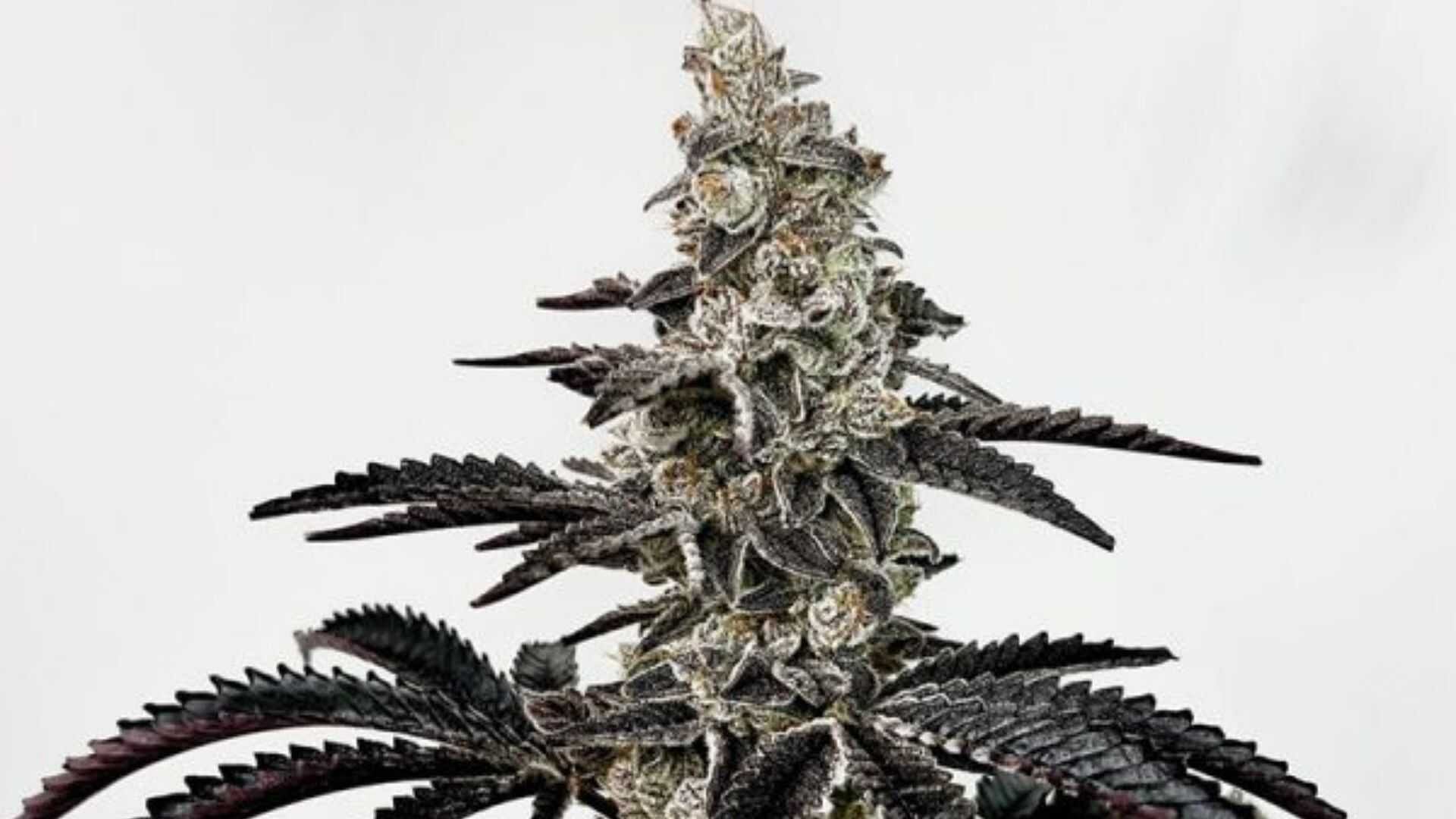
The question of whether black cannabis is more potent than its green counterparts is a subject of ongoing debate among cannabis enthusiasts and researchers. The potency of cannabis is primarily determined by its cannabinoid and terpene profile. These compounds contribute to different strains' unique effects and therapeutic benefits. The presence of anthocyanins does not inherently make black cannabis more potent; instead, it adds an aesthetic appeal without significantly altering the cannabinoid and terpene composition. So while some darker cannabis strains may well be highly potent, linking it exclusively to the color is altogether trickier.
Could Black Cannabis Offer Better Therapeutic Aid?
File this one under ‘maybe, actually’. Circling back to those wonderful anthocyanins responsible for the darker colors, these flavonoids form part of a broader category of antioxidants identified as polyphenols, recognized for their potential to prevent or address health issues associated with inflammation and oxidative stress. These issues encompass conditions such as cancer, heart disease, and age-related cognitive decline. [1] Throughout generations, foods containing anthocyanins have been incorporated into natural remedies, with a growing body of studies affirming their suggested health advantages. [2]
Black Cannabis – A Warning
If you’re growing cannabis plants that aren’t known for this appearance as suddenly find leaves turning black or black patches – beware. Your plants may have become infected with a condition known as sooty mold. You do not want a piece of this in your garden, enticing though it may look! Give your plants a closer inspection and see if the black is a covering sitting on the surface of the leaves.
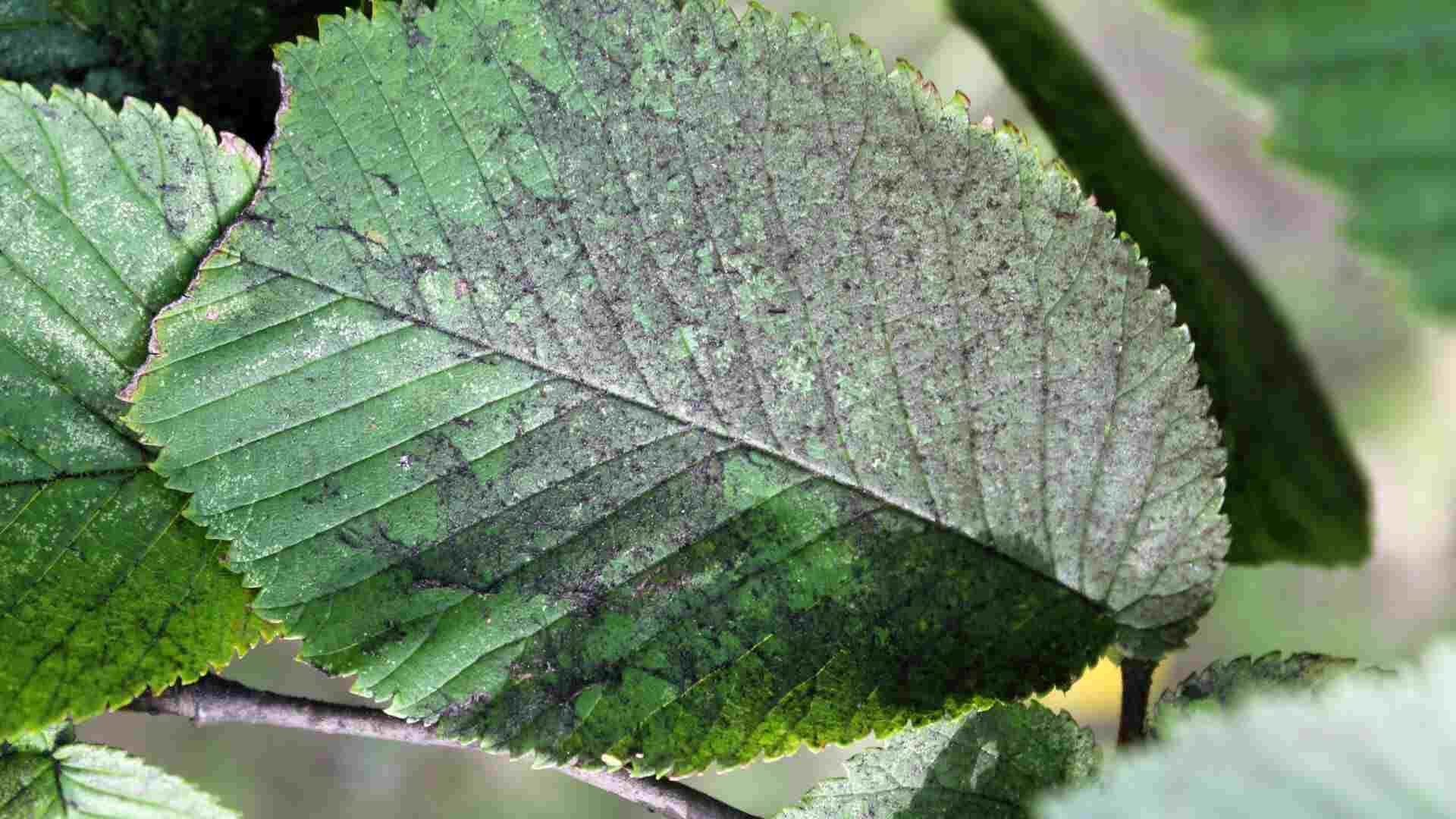
Sooty mold is caused by aphids, leafhoppers, whiteflies, or other sap-sucking insects that may find their way to your plants. While the black covering can be wiped off with a gentle solution of soapy water applied with a soft sponge, an infestation of sap-suckers will require further action. Your best bet here is to use a natural pesticide such as neem oil or introduce natural predators (ladybugs, for example) to protect the valuables and stop black sooty mold from re-appearing.
Black Weed – Rare, But Achievable
Black weed stands out as a visually captivating anomaly, one that challenges preconceptions about the plant's appearance and potency. Ultimately, the interplay of genetics, environmental conditions, and pigments results in the striking dark hues that characterize black cannabis. While cultivating black weed requires a careful balance of factors, its potency remains on par with its green counterparts. The allure of black cannabis lies not only in its aesthetics but also in the diverse array of strains that showcase this unique coloration. The enigma of black cannabis adds an intriguing chapter to the ever-evolving story of this remarkable plant.
Black Cannabis Strains
For those intrigued by the allure of black cannabis, several strains are renowned for their ability to express deep, dark hues. These strains not only captivate the eye but also offer a diverse range of flavors and effects. If this article has you intrigued, here are some noteworthy black strains well worth trying:
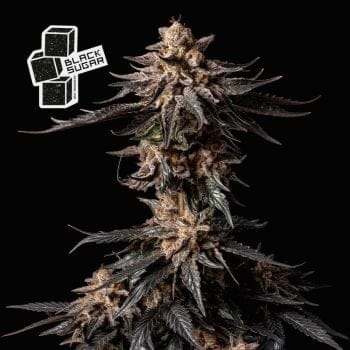
Seedsman Black Sugar Feminized
A high THC, 80% indica –dominant hybrid, Black Sugar is one of the most famed strains when it comes to potency. THC levels are above 25%, and yields are impressive. Black Sugar is known for having good mold resistance - and for dripping with trichomes.

Sensi Seeds Black Domina Feminized
A potent indica-dominant strain with a rich, earthy flavor profile. Known for its relaxing and soothing effects, Black Domina is a cross of some incredible genetics, including an Afghani indica, Northern Lights, and often exhibits deep purple and black hues in its buds. THC content is typically around 20%.


Exotic Genetix Black Patronus Feminized
A highly aromatic, high-yielding indica-dominant hybrid known for its striking looks and ripe tropical fruity flavor, Black Patronus is a good choice if you’re making edibles. It's a cross of Rainbow Sherbert 11 and Falcon 9, and is easily one of the most stunning black varieties on the planet. The jet-black leaves are snow-coated with a high trichome presence, making for a visual masterpiece. The look takes the breath away, while the potency takes the legs away!
-------------------------------------------------------------------------------------------------------------------


