

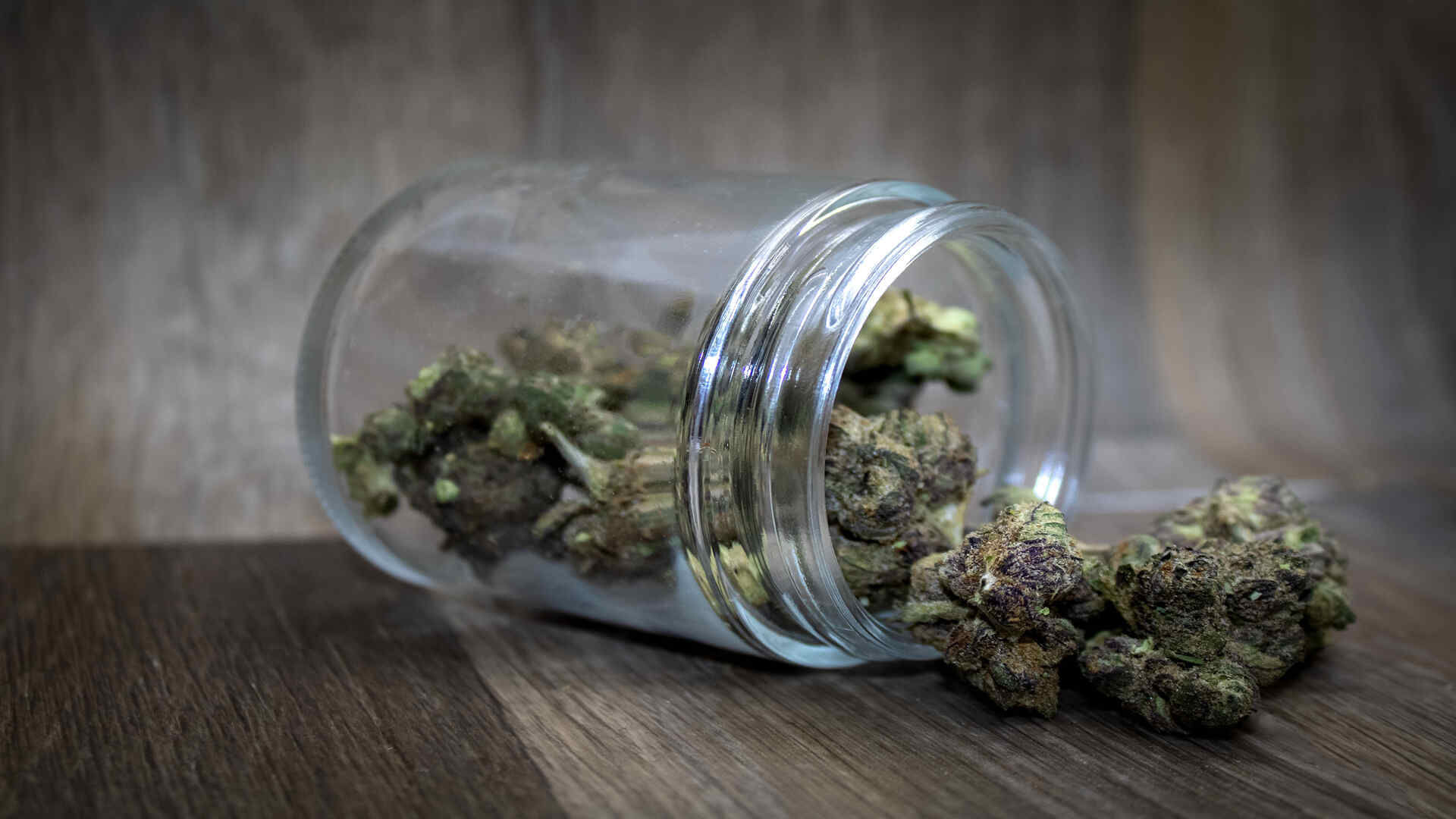
Cannabis cultivation can be done in an array of different ways. From large scale to small scale, and completely organic to entirely sterile, whatever the approach, a deeper understanding of plant biology, genetics, and environmental interactions can aid growing success. Many critical aspects can make a significant difference in both plant yield and plant health. Some of these are just good to know, while others are definite action points. In addition, every grower has their own tricks and methods, making each grow more successful than the previous ones.
One thing that is hard for beginners is to know where to interject and when to leave stuff alone. If a grower follows all the advice and tricks out there to get the most out of their plants, they will no doubt fail due to overdoing the intervening tricks and methods. Here, we break down some of the things that might help in specific areas whilst providing a little insight into the science driving behind it.
What Gives Funk?
The role of esters and other compounds in cannabis taste and smell is relatively understudied. While terpenes for the last few years have had all the press, and are well-known for their role in plant aromas, many other compounds get no shine yet also contribute significantly to this aromatic range. Many compounds found in other plants are expressed in cannabis, such as isoamyl acetate found in bananas and various esters in apples, which are known to give them unique flavors. These taste and smell-givers add complexity and depth to the scent profiles of cannabis plants. For example, have youever tried to describe the flavor of a banana without using the word banana?! It is very challenging due to the depth of the flavor.
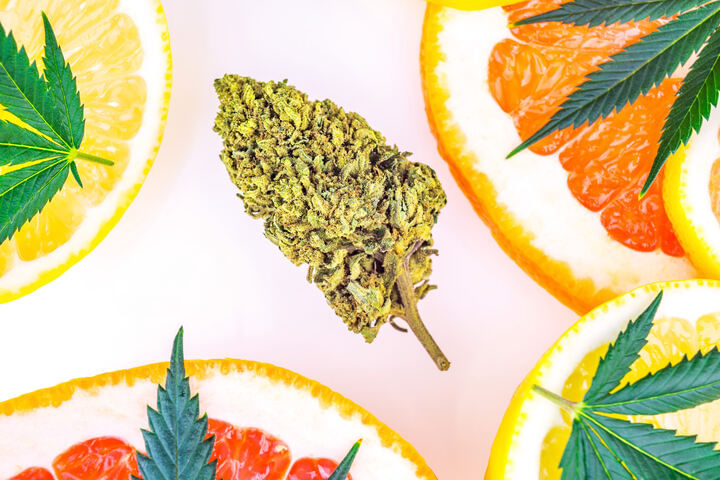
Esters, ketones, aldehydes and flavonoids are just some of the families of compounds that contribute to the cannabis smell and taste. Understanding this can help explain why two varieties with the same dominant terpenes deliver different tastes to the user. Much research needs to be done in this area to understand the contributions each makes in each variety. Read more here.
Get Them Seeds Poppin' - Advanced Germination Techniques

If seeds have been stored for a while or are a little older and have been difficult to germinate, there are some things growers can do to aid the process. As cannabis seeds are generally very hardy and easy to germinate, when it goes wrong or doesn’t happen, it can be very annoying. Therefore, techniques such as pre-soaking in filtered water, or even low per cent bleach, hydrogen peroxide or Ultralyte, can boast germination rates. Scarification is advised for a dry method to enhance germination; a matchbox and some sandpaper are all you need. Put the dry seeds in the box with the sand part close and shake it once or twice. This should score the outer layer (seedcoat) and help with imbibition (water uptake). Otherwise, try cold stratification, which can be done wet or dry, store seeds for two weeks in the fridge, and then plant as usual; this can improve germination rates.
Fat Buds
By merely adjusting the light schedule during flowering, a grower can significantly impact bud density. If a longer daytime is maintained, buds can get long and thin. However, shortening the day length from 12/12 to 10/14 can really increase the bulking phase of the buds. It's best to start with a 12/12 schedule and gradually reduce the light period to 10/14 around 2/3’s into the flowering. This can lead to denser, more compact buds.

UV Light can also have a bud-fattening effect. During the flowering stage, strong shots of UV light, particularly UV-B, can significantly boost the density and potency. Naturally high UV, as found in tropical regions, is great for cannabis. However, using artificial UV lamps that are high intensity should be done in short doses and not continuously on. In both controlled environments and natural settings, such as the Caribbean sun, high UV improves overall bud density and can increase trichome production, too. You can read more here.
Gene Function in Autoflowers
Recent discoveries have identified two specific candidate genes, APS2 and PRR37, which impact the early flowering onset of autoflowering cultivars. Knowing how the inheritance of these genes works can help breeders create autoflowering versions of popular varieties or even ‘fast’ versions depending on the type of mutation found. For further information, read this recent article.
A Spotted Leaf Isn’t Always Bad
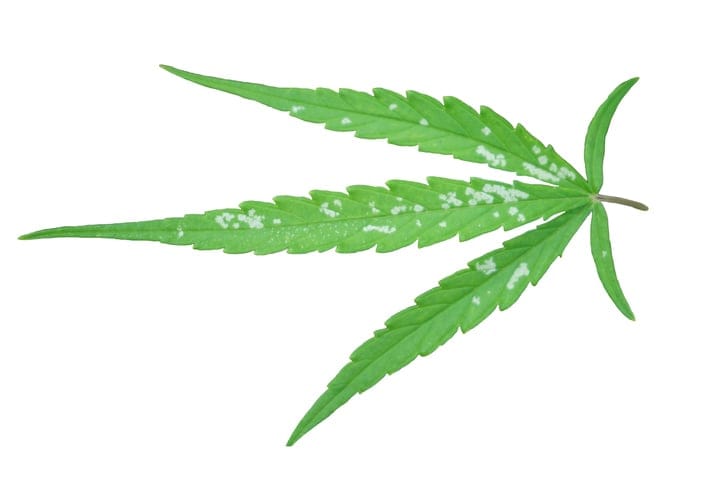
Although most of the time, any leaf distortion is an indicator of a bad thing, it is worth knowing that plants sometimes create their own little dead spots on leaves. Why? It's due to something called the hypersensitive response, or HR for short. HR in plants is a form of programmed cell death that helps contain the spread of pathogens by sacrificing infected cells and these immediately around the infection. This localized cell death acts as a quarantine in a scene to prevent the pathogen or infectious agent from spreading further. This part of the plant's immune response is a highly advanced level of response crucial for maintaining plant health. So, whilst many spots on cannabis leaves can be related to other problems such as nutrient excess or deficiencies, identifying the right cause can be crucial to fix, or in the case of HR, sometimes the best thing to do is nothing (99% of pathogens the plant can deal with alone, it’s the 1% that they cannot that devastates a crop).
Have Fun, Guy
Understanding and utilizing mycorrhizal fungi can be a gamechanger for growers. Most growers who have ventured down this rabbit hole have not turned back, as the results speak for themselves. Integrating mycorrhizal fungi into the growing medium can reap huge benefits to cannabis plant health and, of course, quality.
Many microbes form a symbiotic relationship with plant roots. Studies show that this enhances nutrient uptake and can increase overall plant vigor and, therefore, yields. This natural enhancement can lead to more robust growth, and some growers even report better flavours and potency.
If You Don’t Train, You Don’t Win
For beginner growers, the idea of plant training can seem very daunting. However, employing cultivation techniques regarded as ‘low-stress’ can trigger some great things for growth. Low-stress training can be done in a number of ways, such as increasing the consistency and upping the number of premium buds for a plant. High-stress training can improve crops, too, and in combination, growers can enhance trichome production and yields and generally improve their overall outputs from the plant.

Some of these methods stimulate or activate the plant's natural response mechanisms, resulting in changes in gene expression and, therefore, can change the trajectory the plant is on. Do it wrong, and the plant will prioritize stress response in favour of growth, but do it right and get the best of both, ultimately providing a higher density of crop and even greater cannabinoid content.
Plants Beget Plants
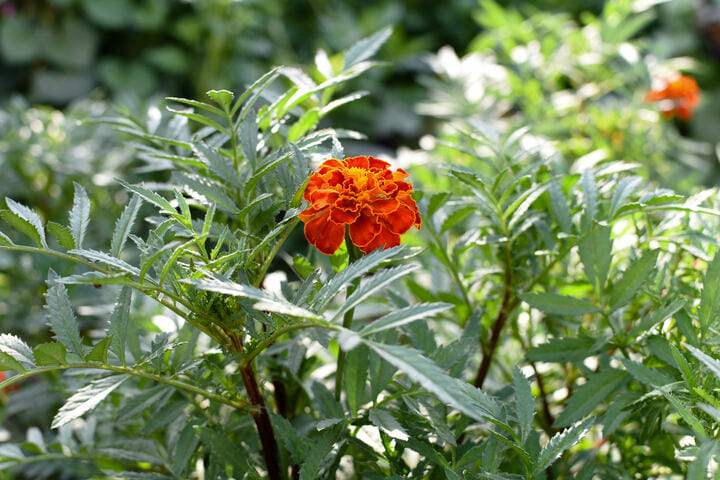
Utilizing companion plants can provide many advantages to cannabis. From distracting pests to improving soil health, companion planting is highly recommended indoors and outdoors when using soil. Planting things like basil and marigolds can help protect plants from irritating leaf munchers! Other plants or cover crops can attract predatory insects to keep annoying pests at bay. This strategy fits nicely with a more organic and natural approach to growing, where in most cases, the use of insecticides, herbicides and so on can be completely avoided. However, each country, region and location might have its own unique ecosystem, and it is always best to try to understand the local fauna to find the best companion plants
Conclusion
This article outlines just some of the things growers should know. Putting together a decentgrow is not hard, but putting togetheran exceptionalgrow is! For this reason, many points of interjection exist. Whilst some growers argue that one method is better than another, the truth is it has a large part to do with the environment, the person and the variety of cannabis. Each unique variable can steer the plant in different directions, and sometimes, it just takes a bit of personal experience to know what needs to be done and what should not be done. Here, we have a few basic things growers can do to improve their gardens. Never forget, sometimes the best thing to do is to do nothing at all! If the system works, let it work.


