
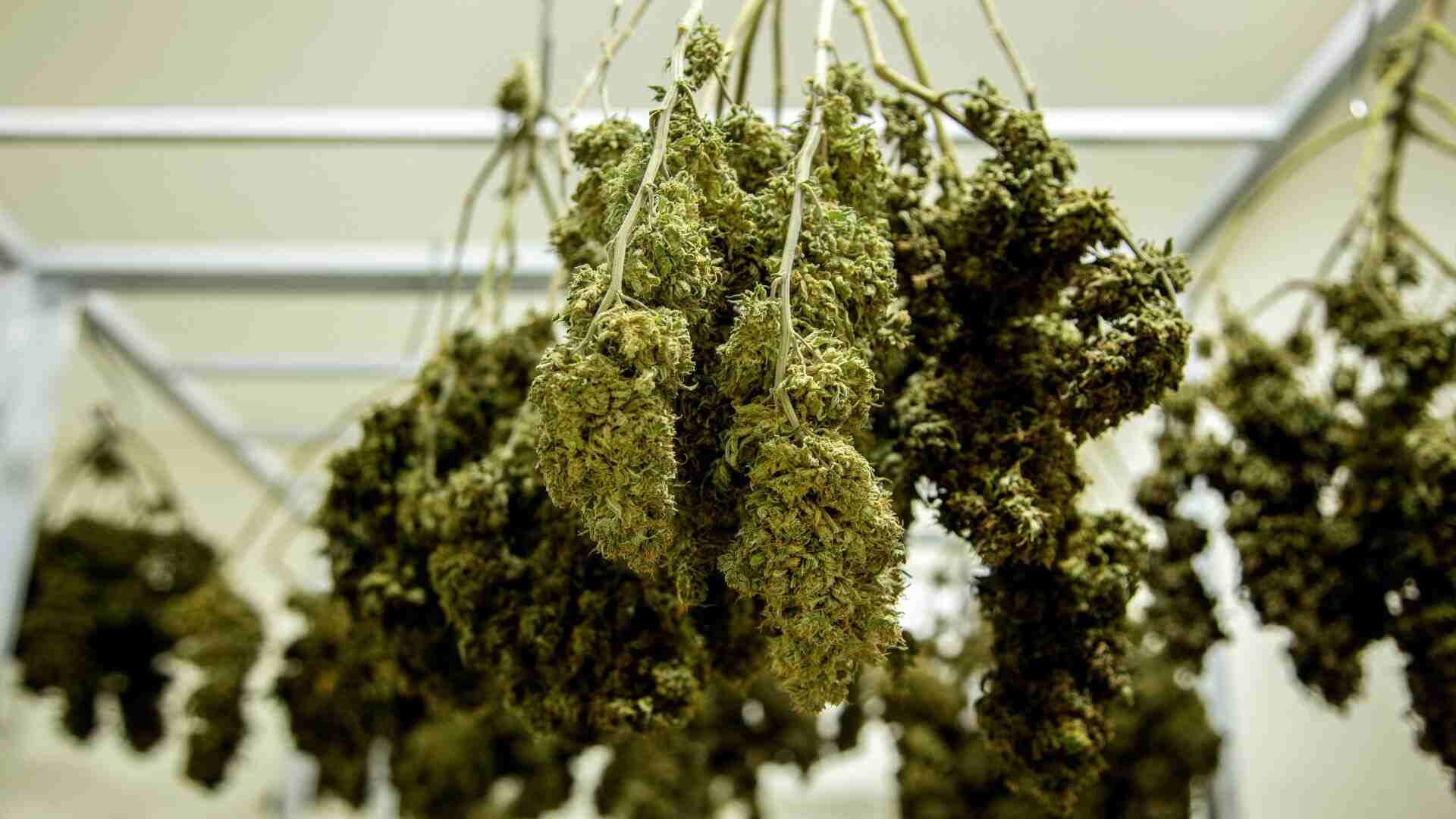

Yield optimization in the cultivation of cannabis, whether medical cannabis, homegrown or industrial hemp, is a nuanced field with many important factors. What may start out as just planting and harvesting, over time requires a detailed understanding of various cultivation methods, environmental factors, and plant genetic tendencies. As the industry grows, so does the understanding that there is no one-size-fits-all solution. Here, we cover some of the complexities involved in cannabis yield optimization, highlighting why a tailored approach is essential for maximizing output in both indoor and outdoor settings. It highlights how to make a customized and tailored plan unique to the grow, for increasing and maximizing yields! Much of what is described applies to all types of cannabis, from auto-flowering CBD plants to pure Sativas, it doesn’t matter whether you grow Indicas indoors or autos outdoors, having a systematic approach as outlined below will aid in achieving bountiful harvests through killer yields.
Understanding the Complexities of Yield Optimization
Optimizing yields is often confounded by the diversity of approaches to growing. Cultivation techniques, plant genetics, and the mercy of the weather/conditions can all be major contributing factors. It’s a multi-faceted problem where understanding the right variety for the correct environment is crucial, and that’s just for starters. This complexity is reflected in the growing community, where proven methods can yield contradictory results in different settings. Such differences can arise from subtle variances in growing conditions, which can include anything from water or air quality to the age of equipment. Some of these factors are often not fully understood, considered or even noticed. The idiosyncrasies of cultivation prove the inadequacy of a universal approach to yield optimization, even with the different approaches needed during vegetative growth versus the flowering stage. Variables such as media type, lighting, nutrient sources, temperature, and humidity differ significantly from one grower to another. These factors are consequential, making a case for a customized strategy that aligns genetics with the cultivation environment. The way around the inadequacies of a universal approach, is to have a bendable system that allows for the subtle nuances of each grow and can be adapted to suit what is observed.


Planning For Huge Yields
Maintaining high quality and high yield is key to cannabis production. Higher yields usually come from maximizing plant growth in both vegetation and flowering. However, the first thing is first, knowing what the variables are and what the constants are, to the system is key. This is often taken for granted, but by listing them out growers tend to have a better understanding of the growing environment and better control over the progression of the growing cycle. Each growing situation and even growth cycle has a unique set of manipulatable parameters, meaning understanding what can be changed and what cannot is important. There are two main types of variables:
1) Variables within growers’ control
2) Variables outside the growers control
This is an important thing to mention, as endlessly trying to tweak things that are not fully in the grower’s control can often lead to more problems. Here is a non-comprehensive list of controllable variables:
- Selection of plant genetics
- Indoor climate control set-points. Humidity levels, temperature etc.
- Light regimen in indoor setups
- Placement of plants outdoors
- Nutrient solution composition and growth cycle-long feeding schedule
- Daily watering frequency and volume
- Air-flow indoors
- Temporary shelter outdoors
- Media composition
- Plant training methods
- Timing of planting/harvest time

Variables which can fall outwith the growers control:
- Weather (outdoors, some indoor grows too)
- Variation within the genetics selected
- Time to maturation
- Outbreaks of pests or disease
- Loss of power
- Equipment failing
With that said, here is a list of constants that are usually associated with any particular grow:
- Space to grow. Ground space and height
- Equipment to use
- Water source
- Location (climate)
- Limited regional product range (growth media, nutrients etc)
Now we have a list of what is controlled and what can be outside the grower's control, it is important to have a plan. A plan for yield optimization is more than a set of things to do, it also encompasses staying on course for the desired goals, building in contingencies, and basically being ready to adapt to whatever challenges are thrust upon the growing cycle. So, with the dials dialled in, here is a guide to creating a yield enhancement plan.
Walkthrough Guide to Optimizing Yields: A Planning Approach
1. Define objectives: Clearly state what the aim of the grow is, such as maximizing yields/biomass vs enhancing specific cannabinoid profile yields.
2. Analyse cultivation parameters: Document all aspects of the current setup, list out the variables, and how to manipulate them should the grower need countermeasures to correct the system. This provides the defined limits of what the grower can control and correct for, max and mins of temperature for example.
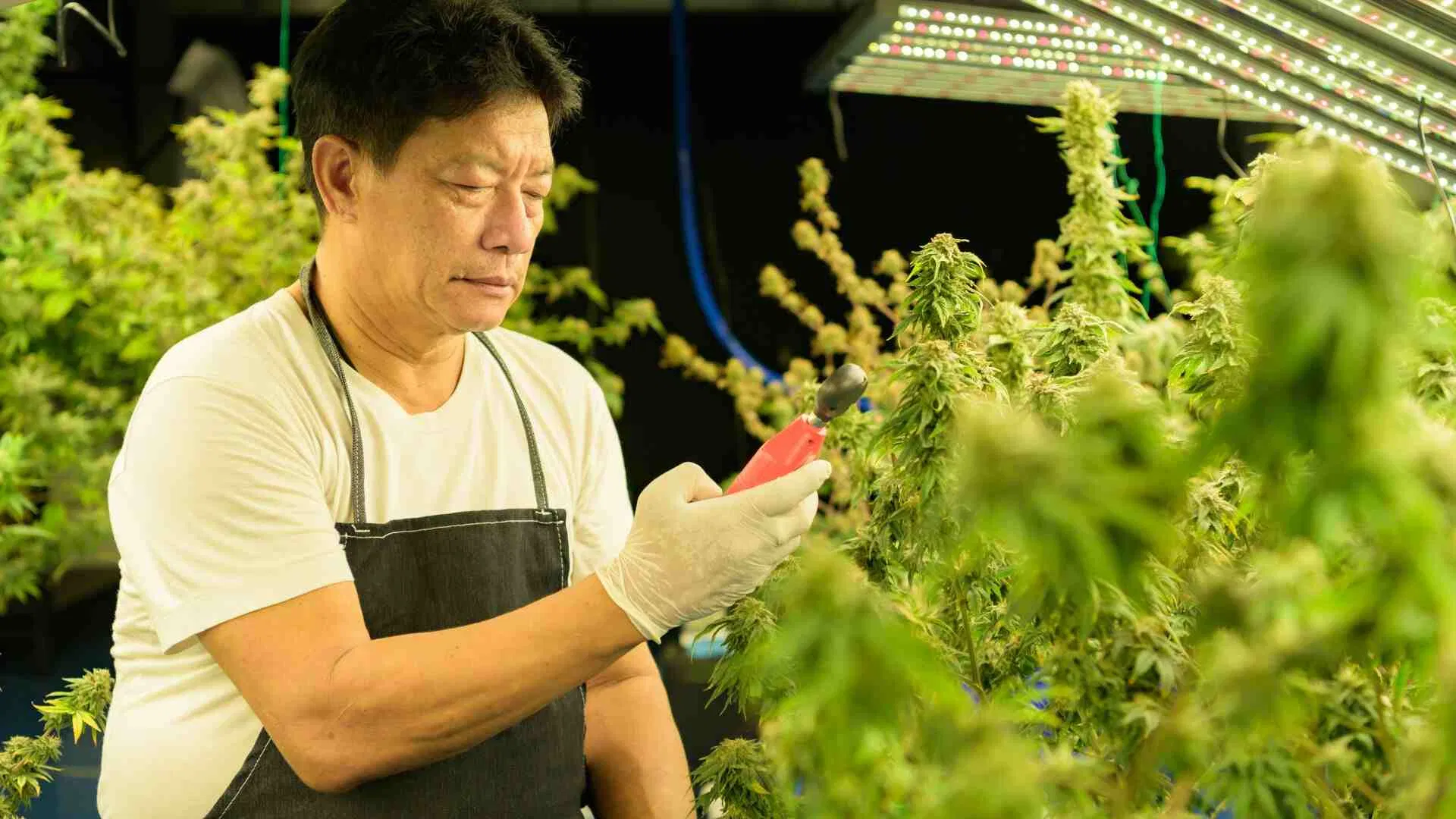
3. Research and select suitable genetics: Based on your objectives and parameter limits, research cannabis varieties that have shown not only the desirable yield possibilities, but also the quality of other traits important to the grow setup. For example, if your growing environment experiences high humidity at any point during the late flowering stage, shortlisting varieties that show resistance to mold or mildew would be smart.
4. Map out the grow: A week-by-week plan highlighting the key action points, such as when to intervene with for example, training techniques, nutrient changes etc, will help steer the crop towards a maximized output. Which training techniques and when to apply them should be listed here, with some flexibility to account for varying growth rates.
5.Create a contingency list: Having a plan for everything will help keep a grow on course, from fans that fail, to an unexpectedly wet summer, being able to shift gears at a moment’s notice is something most growers have to deal with at some point. Having spare equipment and ready-to-go solutions to foreseeable shortcomings can make major issues go by without the plants even noticing.
Having all that in place, this is about as prepared one can be without having done the exact same in the previous grow. Therefore, the following points are for when this ‘first’ grow is done and how to improve upon what you have built in subsequent grows. The following information, like the above, is generalized so that each growing environment can develop a tailored solution.
Data Collection
Collect data on growth rates, yields, and other relevant metrics in accordance with the growing environment. Without matching what happened to the conditions/environment, the data is less useful and can seem full of anomalies. Use the data to look for patterns that correlate specific genetic traits with successful outcomes. Be very diligent on what you did intervene on, when you did it, and how it affected the outcomes. Make notes of mistakes and make sure not to repeat them.
Refine the plan: Make informed adjustments to the cultivation setup, cultivation techniques and even perhaps to the above plan, if it can now be more customized towards the grow. Upgrades are welcome but every change brings with it the potential of more variability. Not always the best thing, but sometimes needed.
One Size Doesn’t Fit All
To understand these and how each applies to optimizing yield, it is also important to see where things could be improved. Not all goals are the same either;, where some might want to increase trichome density for higher terpene and cannabinoid yields, others may be looking to reduce the smaller buds in place of larger buds. Here is a list of considerations that some growers may use to improve and maximize yields.
Indoor Cultivation: Key Considerations for Yield Optimization
Use Sub-Canopy Lighting
Enhancing light penetration deeper into the foliage and allows light to reach the lower plant parts increasing the light capture potential of the entire plant versus only the top canopy. If HPS lights are used overhead often led-grow lights are better for sub-canopy lighting.
Use of Probiotics Such as Growth-Promoting Rhizobacteria
Where applicable, this is a sure way to enhance root development, improve plant health and resilience, and more often than not increase yields.
Enhanced Photosynthesis Rate
Including the potential to supplement CO2 level, which will improve water use efficiency, reduce stomatal conductance, and help regulate transpiration. Balancing light intensity with water intake, available CO2 and nutritional requirements, can lead to truly maximizing cannabis plant yields.
Utilize High-Stress Techniques
The use of screen of green (SCROG) for maximizing yields in cannabis production is a proven way to get more productivity and therefore profitability out of a limited space.

For Outdoor Cultivation: Yield Optimization Also Requires a Tailored Approach
Land Preparation and Management
To create an ideal growth environment nutrient-rich soil or the ability to deliver adequate nutrients is crucial. Optimization of planting time, space, and exposure to the sun: For maximal growth potential, this is actually one of the preplanning steps but worth mentioning again as getting this right can lead to greatly improved yields.
Abiotic Stress Protection
Utilising physical barriers to shield plants in an outdoor environment is extremely useful. With the addition of companion planting physical barriers can help protect the plants from the more extremes of the weather, such as strong winds, heavy rains, and sudden changes in the temperature.
Appropriate Plant Supports
Following the above, to prevent damage and promote upright growth, the use of plant supports can help plants avoid the stunting associated with stress recovery. I.e. if strong winds break branches, the plant must divert energy to repairing the damaged branch, energy that could otherwise go into producing biomass.

Techniques Common to Both Types of Growing Environments for Enhancing Yields
- Apical meristem removal: During the vegetative stage to promote bushier growth. Low-stress training (LST) can improve bud development and help improve yields.
- Nutrient change timing optimization: For peak plant performance it is important to time the key developmental changes in the plant with the correct dosing of nutrients. More tuneable with hydroponics, but can be adapted even in soil-growing situations.
- Trellising: To support plants and enhance light exposure to secondary and tertiary branches and bud sites.
- Germination enhancements: To improve seedling survival rates, synchronize germination and even add stimulants that increase vigor during early plant growth.
- Stress minimization: To avoid interruptions in growth, maximize energy utilisation and prevent potential quality loss stay on top of the plant's health.
- Vigor enhancement: Through the use of good practices, there are various ways to keep plants at peak vigor. Maintaining optimal conditions and the timing of things like transplanting are in line with producing huge yields.
Conclusion
Optimizing yield is about environmental control, selecting the correct genetics, and aligning all the variables to cultivate massive plants. Taking a very diligent and accumulative approach should see yield improvements cycle after cycle. Mapping, planning, and note-taking are not everyone’s idea of a good time, but the information gathered can completely change the outcomes by providing for example, huge yields of both THC and biomass in the same plant.