
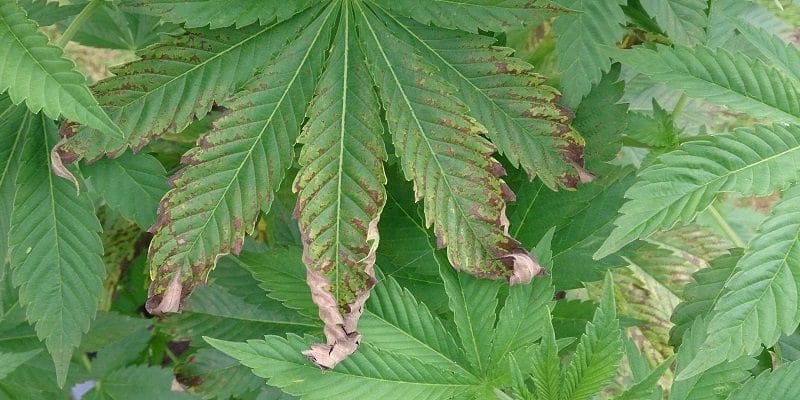

-Plants are very good at telling you when something is off. The tricky part is learning how to read the signs. Nutrient burn is one of those problems that can catch growers by surprise. Everything looks fine, then after a change in feeding, a few leaves start showing brown tips or the edges begin to look damaged. It's easy to think the plant is in serious trouble, but nutrient burn is usually a fairly simple issue to correct - provided you catch it early enough.
In most cases, the plant is not asking for more nutients. It is asking for a better balance. Cannabis needs nutrients to grow, but there is a point where increasing the amount available to the plant stops helping. Once the roots are surrounded by more nutrients than the plant can comfortably use, stress begins to appear.
Understanding how to treat cannabis nutrient burn means knowing what caused it, recognising the signs, and making the right adjustment before the issue gets worse.
What Is Cannabis Nutrient Burn?
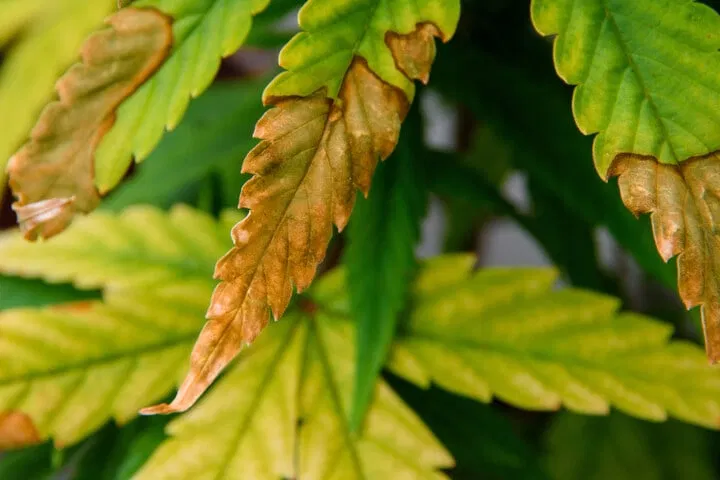
Cannabis nutrient burn happens when a plant receives more nutrients than it can effectively process. The roots absorb water and dissolved minerals from the growing medium. When the concentration of those minerals becomes too high, the plant can struggle to regulate uptaek properly. High levels of soluble salts around the roots can create osmotic stress, making water movement into plant more difficult [1].
It's worth understanding that nutrient burn is not because the nutrients are "bad" for the plant. Quite the opposite. Cannabis relies on nutrients throughout its life cycle.
The problem is concentration.
A young plant with a small root system will have different needs from a mature plant in vigorous growth. A feeding level that works perfectly in one garden may be too much in another.
The plant itself is always the best guide - that's why understanding the plant, not just the process, is a skill growers should strive to develop.
What Causes Nutrient Burn in Cannabis?
Nutrient burn usually happens when nutrient levels build up faster than the plant can use them. There are a few common reasons this happens.
Overfeeding
The most obvious cause of cannabis nutrient burn is giving the plant more nutrients than it currently needs. This often comes from good intentions. A grower wants to encourage faster growth, so the feeding strength is increased. The problem is that plants do not always respond positively to more input. If the roots can't keep up, the excess remains in the growing medium and creates stress.
Increasing Feed Strength Too Quickly
Cannabis plants adapt to their environment over time. A sudden jump in nutrient strength can create a problem, especially when moving into a stage where nutrient requirements are changing.
Gradual increases are usually easier for plants to handle because they have time to respond.
Nutrient Build-Up in the Root Zone
Nutrients contain mineral salts, and those salts can accumulate in a growing medium. This is more common in container growing, where the same root zone is used continuously. If more minerals are added than the plants consumes, the concentration around the roots can slowly increase.
Growers often monitor electrical conductivity (EC) because it provides an indication of the amount of dissolved salts present in the nutirent solution.
Using a Rich Growing Medium
Sometimes the issue is not the liquid feed at all. Some soils already contain a strong nutrient profile. Adding a full feeding schedule on top of that can push the plant beyond what it needs. This is esepecially true with autoflowering cannabis, where a shorter life cycle means the plant has less time to adapt or recover.
Knowing what is already available to your plant makes a huge difference.
What Does Cannabis Nutrient Burn Look Like?
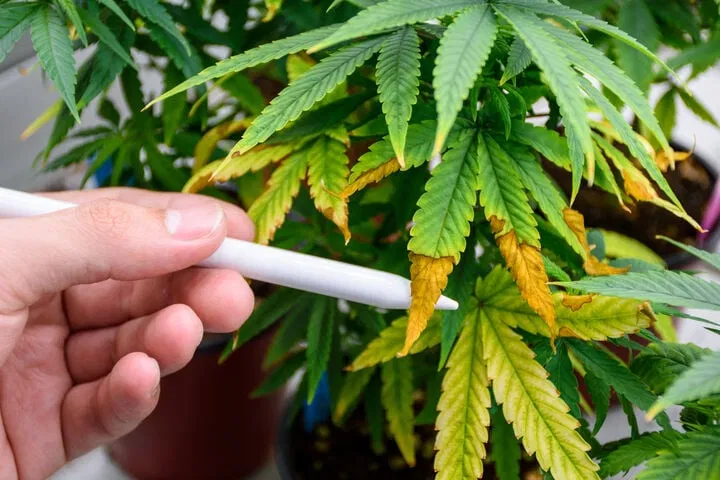
The most common sign of cannabis nutrient burn is brown or yellowing tips on the leaves. The damage usually starts at the end of the leaf and works its way backwards along the leaf. If the cause isn't corrected, the burnt areas can spread further.
Typical Signs Include:
- Brown, crispy leaf tips
- Yellow or damaged edges
- Leaves appearing unusually dark green
- Tips curling downwards
- Slower growth after a feeding increase
One of the biggest clues of cannabis nutrient burn relates to timing.
If the plant previously looked healthy and symptoms appeared shortly after increasing nutrients, adding a new product, or changing your feeding routine, then cannabis nutrient burn becomes much more likely.
That said, burnt-looking leaves aren't always caused by excess nutrients. Heat stress, watering issues, and pH problems can create similar symproms, so it is important to look at what may hhave changed recently.
Further Reading:Protecting Your Outdoor Cannabis Plants From Heat Stress
Can Cannabis Nutrient Burn Be Reversed?
Yes, most cannabis plants can recover from nutrient burn once the cause is corrected. The damaged parts of the plant will not return to normal; a brown tip will stay brown. What to look for is signs the problem is stopping.
If new growth appears healthy and the damage is no longer spreading, the plant is recovering. This is why it's usually better to focus on fixing the growing conditions rather than immediately removing every damaged leaf.
How To Fix Cannabis Nutrient Burn
The quickest way to deal with nutrient burn is usually to reduce the amount of available nutrients around the roots. The right approach depends on how severe the problem is. Successful intervention usually means growers have to:
Stop Feeding For a While
The first move is usually to hit pause on the nutrients and allow the plant to catch up. If nutrient burn appeared after increasing feed strength, continuing with the same routine will only keep adding pressure to the root zone. Give the plant some time.
Once symptoms stop progressing, feeding can be introduced again, but at a lower strength.
A common mistake is trying to fix cannabis nutrient burn by adding more products. A successful approach often involves doing less.
Flush the Growing Medium
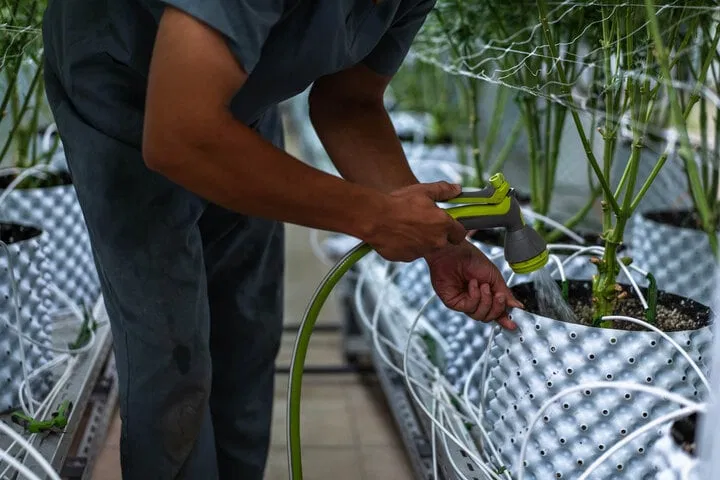
Flushing helps reduce excess nutrients and mineral salts around the roots. This involves running plain water through the growing medium to lower the concentration of available nutrients.
A flush can be useful when:
- The plant has been heavily fed
- Symptoms are spreading quickly
- Salt build-up is expected
- EC readings are higher than expected
The aim is not to completely strip the medium of everything. The goal is to bring the root environment back into a healthier range.
After flushing, avoid jumping back into heavy feeding. The plant still needs time to settle.
Related Article:Everything You Need To Know About Flushing Cannabis
Reduce Your Future Feeding Strength
If the nutrient burn is mild, you may not even need to flush. Sometimes the best fix for cannabis nutrient burn is simply reducing nutrient strength and watching how the plant responds.
Every cannabis grow is different. Genetics, lighting, temperature, growing medium, and plant size all influence how much nutrition a plant can handle. A feeding chart gives growers a starting point, but the plant will always give signs if adjustments are needed.
Check pH and EC
Checking pH and EC can help growers understand what is happening in the root zone. Nutrients need the right conditions to remain available. If pH moves outside the preferred range, plants may struggle to access certain elements. This can lead to a condition known as nutrient lockout, which creates symptoms that look similar to cannabis nutrient burn [3].
EC gives growers an idea of how concentrated the nutrient solution is.
For anyone trying to fine-tune their growing environment, these measurements can help spot problems before they become visible.
Related Article:How To Measure pH Levels In Cannabis Soil
Should You Remove Leaves Damaged by Nutrient Burn?

There's usually no need to remove damaged leaves straight away. A leaf with burnt tips can still contribute to the plant's overall health. Removing leaves doesn't solve the cause of nutrient burn. The important correction happens by improving the conditions around the roots, rather than pulling off any mildly-damaged foliage.
Only remove leaves that are heavily damaged or no longer seving a purpose.
How Long Does Cannabis Nutrient Burn Take To Recover?
Recovery depends on how severe the problem was and how quickly it was corrected. Mild cases stop progressing within a few days. More severe cases can take longer, especially if the nutirent levels have built up over time.
The clearest sign of recovery is usually healthy new growth. A plant can't repair old damage, but it can show you that the problem has been resolved.
How to Prevent Cannabis Nutrient Burn
The easiest nutrient burn to fix is the one that you avoid. For growers looking to avoid the headache that is cannabis nutrient burn, being mindful around feeding and listening closely to the plants is a good place to start. The good news is, preventing nutrient burn doesn't involve anything special. A few simple habits can help:
- Increase nutrients gradually
- Monitor the plant after every change
- Understand what nutrients are already present
- Avoid changing multiple things at once
- Monitor pH and EC when possible
These are all fairly basic steps, but together they can combine to help greatly reduce the chances of nutrient burn affecting plants.
Growing cannabis is a constant conversation between the grower and the plant. The more attention the grower pays, the easier it becomes to understand what the plant needs.
How To Diagnose and Treat Nutrient Burn: Final Thoughts
Cannabis nutrient burn can look dramatic, but it's usually a problem that growers can correct. The important thing to remember is that the answer is rarely pushing harder. It's more about finding the point where the plant is comfortable again.
Healthy cannabis plant growth comes from understanding the environment around the roots and responding to what the plant is showing you.
Frequently Asked Questions
How do I fix cannabis nutrient burn fast?
Stop feeding and reduce the concentration of nutrients around the roots. Mild cases often improve by lowering feed strength, while heavier build-up may require flushing.
Can cannabis recover from nutrient burn?
Yes. Cannabis plants often recover once the cause is corrected. Damaged leaves will remain damaged, but healthy new growth can continue.
Should I flush cannabis plants with nutrient burn?
Not every case of cannabis nutrient burn requires growers to flush the media. If the issue is mild, reducing nutrients may be enough. Flushing is more useful when excess salts have accumulated.
Can nutrient burn happen in salt?
Yes. Nutrient burn can happen in soil, coco, and other growing mediums if nutrient concentration becomes too high.
Is nutrient burn caused by too much nitrogen?
Nitrogen is a common contributor, but nutrient burn can happen when overall nutrient concentration becomes excessive, not only from one specific element.
----------------------------------------------------------------
References:
[1] Munns, R & Tester, M. (2008). Mechanisms of Salinity Tolernce. Annual Review of Plant Biology. https://doi.org/10.1146/annurev.arplant.59.032607.092911
[2] Sonneveld, C. & Voogt, W. (2009). Plant Nutrition of Greenhouse Crops. Springer.
[3] Marschner, P. (2012). Marschner's Mineral Nutrition of Higher Plants. Academic Press.