Growing autoflowers is one of the easiest and fastest ways to produce high-quality cannabis, whether you’re indoors or out. With shorter grow times, no need to flip lighting schedules, and modern genetics offering big yields and top-shelf quality, autoflower cannabis seeds are becoming the go-to for both beginners and pros. In this article, we’ll break down why you should grow autoflowers, cover the pros and cons, highlight top autoflower strains, and give you tips to succeed.
What is an Autoflower?
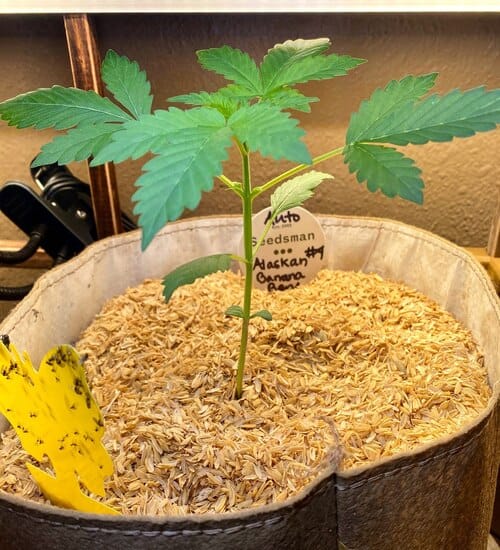
Autoflowers, or autoflowering cannabis plants, are varieties that flower automatically based on age—not on changes in the light cycle like traditional photoperiod cannabis strains. Most cannabis is photoperiod, meaning it only flowers when it receives around 12 hours of darkness per day. Autoflower seeds skip that step, switching to flower 3–5 weeks after germination, no matter how much light they get.
Autoflowers are what we call “day-neutral” plants. Instead of relying on seasonal light changes to flower, they bloom based on age, typically 3–5 weeks after germination. This characteristic is believed to have evolved when cannabis spread to the harsh climates of Russia and Eastern Europe, where growing seasons were short and summers unpredictable. Some scientists believe this trait emerged as recently as 2,000–5,000 years ago through natural adaptation or perhaps even as a reversion to ancestral traits. While autoflowers have existed for millennia, it wasn’t until the past decade that they became widely popular among home growers and commercial cultivators alike.
Are Autoflowers Mids?
Many growers used to dismiss autoflowers as “mids”—low-quality, low-yielding, and genetically unstable. And early on, there was some truth to that. The first autoflowers to hit the market were small, often weak, and lacked their photoperiod relatives' potency and bag appeal. However, those days are long gone.
Let’s clear this up: Modern autoflowers are not mids.

In the last ten years, breeders have made huge strides in autoflower genetics by backcrossing high-performing photoperiod strains with autoflowers and stabilising the desirable traits across generations. Today’s autoflowers can produce high levels of THC, rich terpene profiles, and impressive yields—all while retaining their signature ability to flower automatically. You can now find autoflowers that rival, or even surpass, photoperiod plants in both quality and speed.
Today’s best autoflower strains can:
- Reach over 25% THC
- Produce large yields indoors and outdoors
- Feature exotic terpene profiles
- Match the potency and bag appeal of top photoperiods
Best Autoflowers to Grow
With the recent surge in autoflower breeding, there are more options than ever. Here are a few of our favourite autoflower strains that offer exceptional flavour, potency, and yield:
Pineapple OG Auto
- Flower time: 65–75 days from seed
- Yield: High
- Flavours: Tropical fruit, pine, gas
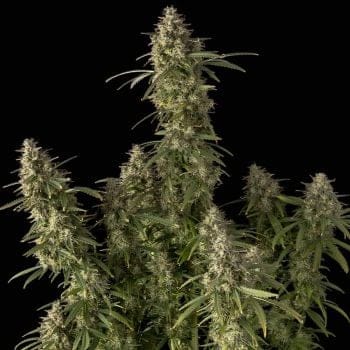
This beauty won’t disappoint. Its dark purple buds are coated in sticky trichomes that bubble hash makers dream of. With minimal effort, you can expect a hefty yield and quick turnaround. This strain is ideal for both beginners and seasoned growers. With only 65–75 days from seed to harvest, you can easily achieve two outdoor runs in a single season, without ever pulling a tarp.
Buy Seedsman Pineapple OG Auto Feminized Seeds

Fatso GMO F1 Auto
- Flower time: 75 days from seed
- Yield: Medium-high
- Flavours: Garlic, diesel, funk
Known for its pungent stank and high THC content, this strain takes the classic Fatso and flips it into an auto for a fast finish. Thanks to its GMO lineage, it dumps resin like a champ, perfect for extract artists. It’s also mould-resistant, making it a solid choice for growers in humid climates.
Buy Seedsman Fatso GMO Auto Feminized Seeds

Sour Diesel Auto
- Flower time: 65 days
- Yield: Medium
- Flavours: Fuel, citrus, haze
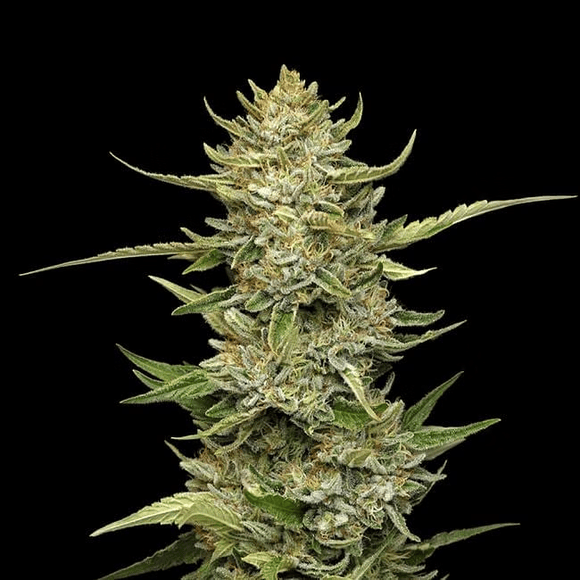
This legendary strain takes typically around 11 weeks to flower, but the autoflower version gives you that sour, fuel-laced goodness in just 65 days. Expect bright green buds, sticky trichomes, and a nose that screams gas. Sour Diesel is the ultimate get-up-and-go daytime strain that keeps your mind buzzing and body moving.
Buy Seedsman Sour Diesel Auto Feminized Seeds
Why You Should Grow Autoflowers
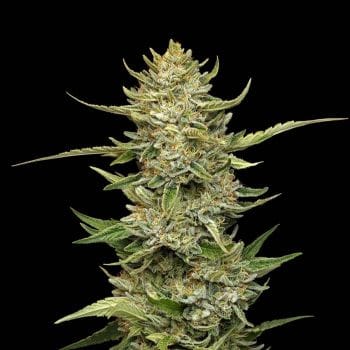
Autoflowers offer a unique opportunity for growers who want fast results, multiple harvests per season, and fewer complications in the grow room. Because they don’t rely on a strict light cycle, they’re ideal for beginners who might struggle with dialling in light schedules, or for experienced growers looking to maximise turnover. Their speed makes them perfect for squeezing in a quick harvest before the first frost or getting an early start while photoperiod plants are still vegging.
Autoflowers eliminate the need to change your lighting schedule or maintain separate veg and flower rooms for indoor growers. You can keep your lights on 18–24 hours a day from seed to harvest, which often results in faster growth and better yields in a shorter timeframe. Plus, autos tend to stay compact and bushy if you're working with limited space, making them an excellent fit for closets, tents, or small grow boxes.
Advantages of Growing Autoflowers:
- Fast harvests – As little as 60–75 days from seed to jar.
- Easy lighting – Keep your lights on 18–24 hours a day. No flip needed.
- Multiple harvests per season – Outdoors, you can fit in 2–3 rounds instead of just one.
- Stealthy size – Compact plants are ideal for discreet grows.
- Beginner-friendly – Less room for lighting errors and quicker feedback.
Growing Autoflowers Outdoors: Maximize Your Season
One of the most compelling reasons to grow autoflowers outdoors is their ability to deliver multiple harvests in a single growing season. Traditional photoperiod cannabis strains require a long vegetative period followed by weeks of flowering, often taking five to six months to complete from seed to harvest. Autoflowering cannabis plants, on the other hand, can be harvested in as little as 9–10 weeks from germination. This allows growers to plant in early spring and still have time to run two or even three full cycles before fall. In cooler climates with short summers, autoflowers shine—they’re fast enough to finish before frost and don’t require light deprivation or tarping to initiate flowering.
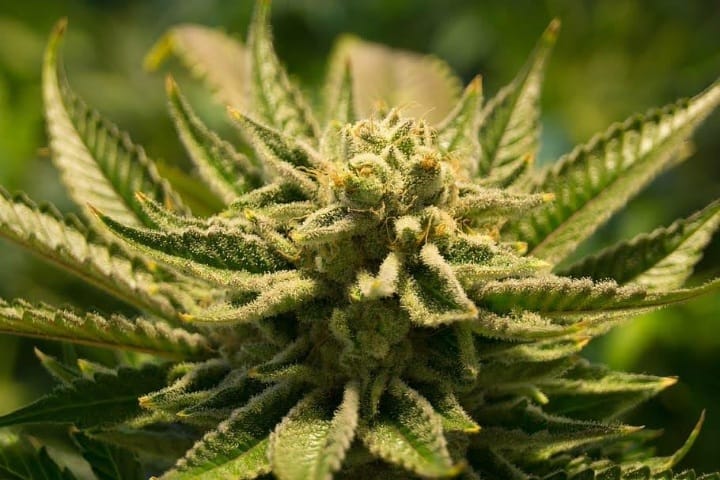
Because they don’t rely on light cycles, you can plant autoflower seeds as soon as the danger of frost passes and sunlight hours begin to increase. With proper planning, you can stagger your planting schedule to always have a crop nearing harvest. This continuous rotation is great for personal growers who want a steady supply or for small-scale commercial growers looking to increase production. Another huge bonus: autoflowers are compact and stealthy. Their smaller size makes them ideal for urban or suburban gardens where privacy is a concern. And since most plants don’t grow over 3 feet tall, they blend seamlessly into vegetable beds, greenhouses, or gorilla grows.
Plus, growing autoflowers outdoors helps conserve electricity and reduce your carbon footprint. If you’re focused on regenerative or sustainable cannabis cultivation, adding autos to your rotation supports a low-impact model. They also pair well with companion planting and cover crops, allowing you to maintain soil health and integrate pest management naturally. Whether you're on a rooftop, homestead, or forest edge, autoflower cannabis gives you flexibility, speed, and a reliable harvest—without sacrificing quality.
Considerations and Tips for Growing Autos
While autoflowers are forgiving in many ways, they do require a slightly different approach than photoperiods. Because they transition into flower based on age, there’s little room for recovery if they get stressed early on. Avoid transplant shock by starting seeds in their final container, and don’t overfeed them in the early weeks. Autos tend to prefer lighter nutrient regimens, especially in the beginning stages.
Training techniques like LST (low-stress training) work well, but high-stress methods like topping or supercropping are best reserved for more experienced growers who know their timing. If you’re growing outdoors, autos also pair well with raised beds or fabric pots, which warm up faster in the spring and allow for excellent root development.
Pro Tips:
- Start in final containers – Transplanting can stress autos and stunt growth.
- Use light soil mixes – Autoflowers prefer airy, low-nutrient soil at first.
- Avoid overfeeding early – Go light on the nutrients in veg; they’re sensitive.
- Train gently – Stick to LST (Low Stress Training) instead of topping.
- Harvest on time – Autos can mature quickly; monitor trichomes closely.
Who Are Autoflowers Best For?
Autoflowers are an excellent option for:
- New growers who want a quick, easy win
- Outdoor gardeners with short or unpredictable seasons
- Medical users who need a fast, reliable supply
- Commercial cultivators looking to fill space quickly.
- Hobbyists who want to experiment with breeding or pollination cycles in a shorter window
Because of their rapid lifecycle, autos can even be grown alongside photoperiod plants, giving you a staggered harvest and more variety throughout the season.
The Future of Autoflowers
With more breeders focusing on autoflower genetics, we’re seeing an explosion of flavor, potency, and structure in modern autos. Strains once considered exclusive to photoperiod lines—like Wedding Cake, Runtz, or Zkittlez—are now available in autoflower form, with impressive results. As stigma fades and education grows, autoflowers are carving out their place not just as a novelty, but as a legitimate, high-quality option for cannabis cultivation.
So whether you’re working with a short season, limited space, or just want to simplify your grow, autoflowers could be the solution you’ve been looking for.