
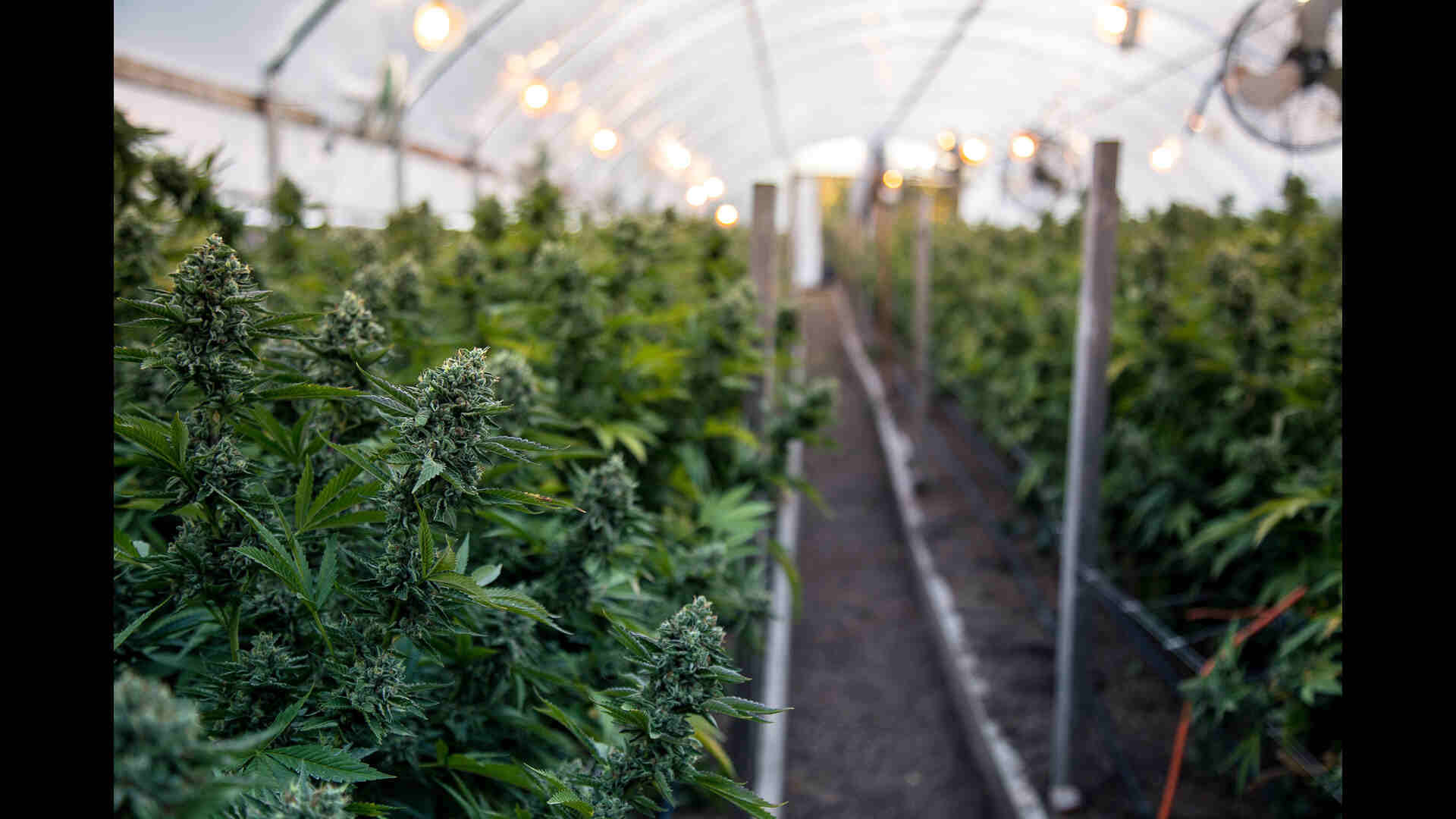

The cannabis flowering stage is what every outdoor grower spends months working towards. Up to this point, the focus has been on building the plant. Healthy growth, and a structure capable of supporting heavy buds later in the season.
Flowering is different. During the cannabis flowering stage, the plant's priorities change. Instead of producing new branches and leaves, the plant directs its energy towards reproduction. Bud sites start to appear, and resin production ramps up. Growers notice the shape of the plant starts transforming more every week.
For outdoor growers, it's also a period that demands closer attention. As summer gives way to autumn, changing weather becomes a big part of the equation. The challenge is no longer simply growing a healthy plant - it's guiding that plant safely through to harvest in the face of seasonal rainfall.
In this guide, we'll break down exactly what happens during the flowering stage, what growers should expect to see at each point, and the practical steps that can help keep plants thriving outdoors.
What Is The Cannabis Flowering Stage?

Put simply, the cannabis flowering stage is the reproductive phase of a plant's life cycle. It's when the plant starts producing buds. For photoperiod cannabis, flowering begins when the plant receives longer periods of darkness each day. Outdoor, this happens naturally as daylight hours start to shorten towards the end of summer [1]. Indoor growers have much more control over the flowering stage, and can initiate the dark cycle at their own preference simply by flipping a switch. This can happen anytime after around week four of vegetative growth, but some growers opt to delay flowering longer for bigger plants.
Related Article:How To Grow Big Cannabis Plants Outdoors
Once flowering starts, cannabis plants gradually shift energy and resources away from vegetative growth. Instead of packing on more leaves and branches, the focus is on developing flowers and producing resin.
How long flowering lasts depends largely on genetics. Some varieties finish in as little as seven weeks, while others may require ten, twelve, or more before reaching peak maturity.
Although every cultivar develops at its own pace, most plants move through the same general stages.
Related Article:How Long Does It Take To Grow Cannabis?
Pre-Flower (Weeks 1-2)

The beginning of flowering can be surprisingly subtle. Many growers expect buds to appear immediately, but the first signs are often much smaller. Tiny white hairs, known as pistils, begein to appear at the nodes where the branches meet the main stem. These are among the earliest indicators that flowering has begun. If, on the other hand, you see round sacs beginning to form at the nodes, it's an early sign of a male cannabis plant. You'll need to remove it from the grow space immediately, otherwise those sacs will eventually swell up, burst, and pollinate the rest of your females.
At this time, the plant enters a period of rapid growth known as the stretch. Depending on genetics, some plants can double in height during the first few weeks of flowering. This growth spurt allows the plant to create more space for future flower sites before fully committing to bud production.
Related Article:Mastering The Stretch: Managing Plant Height Before Flowering
What You'll Notice
- Fresh white pistils appearing across the plant
- Faster vertical growth
- Increased spacing between the nodes
- A noticeable increase in water consumption
- The first signs of aroma
The plant might not look dramatically different at first glance, but significant changes are happening beneath the surface..
What Successful Growers Often Do
This is the ideal time to think ahead. A plant that seems manageable today may be carrying heavy flowers a month from now. If the plan is to use stakes, cages, or trellis netting, installing them early is considered wise. Waiting until branches are loaded with buds makes the job much harder,
It's also worth inspecting plants carefully for pests. Caterpillars, aphids, and other unwanted visitors are often easier to deal with before flowers become dense.
Early Cannabis Flowering Stage (Weeks 2-4)
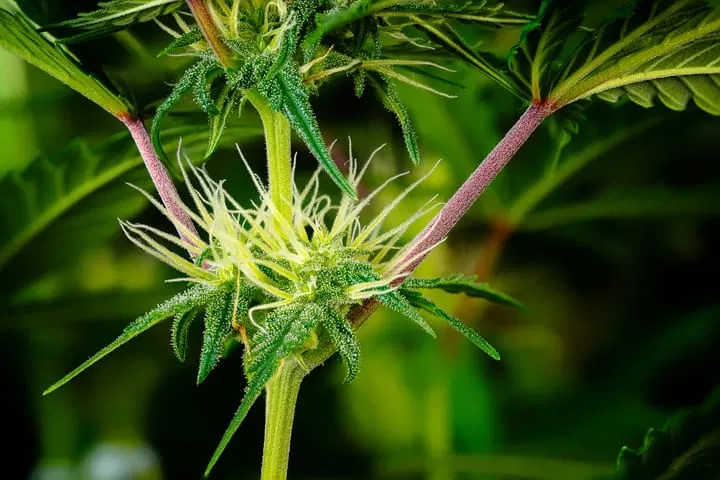
This is when the transformation becomes easier to see. The stretch continues, although flower production begins to accelerate. Bud sites become more obvious, and clusters of pistils start forming at the tips of branches.
This is usually the stage where you suddenly realize how different your plants look. The overall shape starts becoming more defined. What was once a leafy green plant begins taking on the appearance growers associate with flowering cannabis.
What You'll Notice
Pistils become more abundant and visible throughout the canopy. Bud sites expand, and new growth starts appearing around these developing flowers. At this time, the plant's aromas become more pronounced. Some cultivars relatively subtle at this stage, but others begin announcing their presence well before harvest. For indoor cultivators, this is the time to start controlling cannabis aroma and unleash those odor control methods.
Early trichome production often starts during this phase too [3]. Looking closely at sugar leaves may reveal a fine, sparkling layer of resin.
What Successful Growers Do
At this step in the cannabis flowering stage, growers should continue to monitor plant structure. The heaviest flowering is yet to come, but branches are already carrying more weight than they were a few weeks ago. In outdoor grows, wind damage becomes likely as plants increase in size.
Nutrient needs change as the plant shifts into bud production. Transitioning nutrients from the vegetative to the flowering stage usually means reducing nitrogen feed and increasing potassium and phosphorus. Following the instructions on the nute pack is fine, but reading the plant guides nutrient levels far more accurately. Growers should read plants for signs of nutrient deficiencies, but also be on the lookout for signs of overfeeding (nutrient burn). Yellow foliage and burnt leaf tips are among the symptoms to watch for.
Related Article: 8 Key Signs of Cannabis Plant Deficiencies
This is also a good time to remove obvious dead or damaged growth that could restrict airflow later in the season.
Mid Cannabis Flowering Stage (Weeks 4-6)

For most growers, this is the most exciting part of the cannabis flowering stage. The stretch slows significantly or stops completely. The plant's energy is now focused primarily on building flowers.
Bud sites that previously appeared separate begin connecting together. Individual clusters merge and stack along branches, gradually forming much bigger colas. This is often the stage where progress becomes highly visible from week to week. It's getting exciting now.
What You'll Notice
Flowers begin thickening noticeably. Resin production increases across buds and nearby leaves. At this stage, if you touch a sugar leaf, you may notice it feels sticky for the first time. One of the most striking changes is how the aromas become significantly stronger as terpene production ramps up [4]. Depending on the cultivar, scents may range from sweet and fruity to earthy, spicy, or fuel-like. It's no secret anymore - you're growing cannabis.
Growers may also observe calyxes becoming more prominent as flowers continue developing.
What Growers Should Do
If growing outdoors, pay closer attention to your local weather forecast. Dense flowers can hold moisture for longer periods, particularly after rainfall or heavy morning dew. Regular plant inspection becomes increasingly important as flowering progresses.
Support systems should also be checked at this step. Branches that looked strong during vegetative growth can begin creaking under the weight of those developing buds. If strong winds or heavy rains are forecast, securing any vulnerable branches beforehand can go a long way to preventing unnecessary damage.
Keep your plants as far from stress as possible. If a cannabis plant experiences stress at this stage, it can stunt bud growth, or worse - trigger hermaphroditism. A stressed female in flowering can produce pollen and self-pollinate in a desperate bid to reproduce before dying.
Related Article:Early Signs of Hermaphrodite Cannabis Plants
Late Flowering (Week 6 and Beyond)

The final step in the cannabis flowering stage is when plants approach maturity. Flower production continues, and resin and aroma levels often reach their highest point.
The changes may appear less dramatic than during earlier stages, but a great deal is still happening. Flowers continue to swell, and trichomes mature. At this point, growers may naturally start thinking about harvest. But this is where patience becomes important.
What Growers Will Notice
Many pistils begin changing color, often darkening from bright white to orange, amber, or brown depending on the cultivar.
- Flowers become denser and heavier
- Trichome production reaches impressive levels
- Buds take on a frosted appearance
- Resin glands become one of the plant's defining features
- Aromas become incredibly powerful and present
At last, all the hard work and patience is paying off. This is peak cannabis.
What Growers Should Do
Inspect the plant's flowers frequently. Late flowering brings increased risk from prolonged moisture, particularly in outdoor climates where autumn weather becomes unpredictable.
After rainfall, check dense flowers carefully and meticulously, rather than simply examining the outside of the plant. Bud rot often develops in areas where moisture becomes trapped, and knowing in advance how to prevent bud rot is a skill worth learning for every grower.
This is also a good time to make practical harvest preparations. Drying space, trimming equipment and storage plans should all be considered before plants reach maturity.
To Flush or not to Flush?
Few topics generate more debate during the cannabis flowering stage than flushing. In simple terms, flushing, aka leaching, invloves stopping nutrient application and giving plants only water for a period before harvest, which can be anywhere from a few days to two weeks. The goal of flushing is to encourage the plant to use up any nutrients remaining in the medium, and the belief is that this will improve flavor, smoothness, and overall smoking quality.
For years, flushing was considered standard practice among growers, but recently that assumption has been challenged. A widely cited study by RX Green Technologies compared plants that had undergone flushing against plants which had not. Researchers found no significant differences in yield, potency, terpene content, or smoking characteristics. In fact, taste-test participants showed a slight preference for the cannabis flower that had received no flushing at all.
That doesn't mean growers should - or will - stop flushing or stop debating the subject. Some still swear by it based on personal experience, while others view it as an unnecessary step unless a plant was overfed. The current evidence suggests that flushing is unlikely to transform the quality of your harvest, making it a matter of personal preference rather than an essential part of how growers manage the cannabis flowering stage.
Related Article: Flushing Cannabis Plants: Is It Really Necessary?
How To Tell When Cannabis Is Ready For Harvest

One of the most common questions new growers ask is when to harvest cannabis?
Without an answer to that question. newcomers to cultivation can easily make the mistake of harvesting buds too early. But a plant that looks almost ready often benefits from another week or two of development.
While pistil color can provide useful clues, trichomes often a much more reliable way to judge maturity [6]. Using a magnifying tool - which can be anything from a spyglass, a jeweler's loupe, or even the zoom on your cellphone's camera - examine the resin glands on the flowers.
- Clear trichomes suggest the plant is still developing
- Cloudy trichomes indicate peak maturity
- Amber trichomes appear as the flowers continue ripening
Most growers tend to harvest when the majority of trichomes are cloudy, although preferences do vary. The more dark-colored trichomes, the more likely the cannabis will deliver a sedative effect.
Related Article:Using Trichomes To Determine Cannabis Potency And Harvest Time
The key is letting the plant dictate the schedule rather than relying solely on the calendar.
Common Cannabis Flowering Stage Mistakes
Even healthy cannabis plants can run into problems if growers become impatient. Some of the most common flowering stage mistakes include:
- Harvesting too early
- Overfeeding in an attemp to increase yields
- Ignoring weather forecasts
- Failing to support heavy branches
- Neglecting regular inspections - especially around wet conditions
- Removing too much foliage late in flowering
The best approach is often surprisingly simple. Observe carefully, respond when necessary, and avoid maing any drastic changes unless the plant genuinely needs them.
Conclusion
The cannabis flowering stage is where a season's work starts coming together. Every week reveals something new. Bud sites become flowers. Flowers become colas. Resin production increases, aromas deepend, and the plant gradually approaches matuirty.
For cultivators, flowering is a lesson in timing. Knowing what to expect makes it easier to stay ahead of potential problems and recogniize the difference between normal development and cause for concern. It ultimately makes it easier to build a harmonious working relationship with the plants, and helps growers know when to stand back and let the plant shine versus when to intervene.
Most importantly, it allows the growers to enjoy the process. After months of care, the cannabis flowering stage is where the plant begins showing what it's truly capable of.
Cannabis Flowering Stage FAQs
How long should cannabis be in the flowering stage?
Most photperiod cannabis varieties spend between seven and twelve weeks flowering, although exact timings depend on genetics. Sativas and sativa-dominant varieties typically take longer than indicas.
When do outdoor cannabis plants start flowering?
Outdoor photoperiod cannabis plants begin flowering towards the end of summer, as daylight hours begin to shorten,
Why is my cannabis plant growing taller during flowering?
This is known as the stretch. Many cannabis plants experience rapid vertical growth during the first few weeks of flowering before focusing on bud production.
When do cannabis buds start forming?
Bud sites typically become visible within the first few weeks of flowering, with substantial flower development occurring during mid flowering.
How often should I check flowering plants outdoors?
Daily inspections are ideal, particularly during periods of wet weather or high humidity. Check for pests, signs of mould, or nutrient-related issues.
How do you know when cannabis is done flowering?
Examining trichomes with a magnifying glass is one of the most reliable methods for determining harvest readiness.
Can rain damage flowering cannabis plants?
Prolonged moisture can increase the risk of mold and bud rot, especially during late flowering when flowers are larger and denser.
-----------------------------------------------------
References:
[1] Potter, D.J. (2014). A Review of the Cultivation and Processing of Cannabis (Cannabis sativa L.) for Production of Prescription Medicines in the UK. Drug Testing and Analysis, 6(1–2), 31–38.
[2] Chandra, S., Lata, H., ElSohly, M.A. (2017). Cannabis sativa L. Botany and Horticulture. Springer International Publishing.
[3] PubMed. Cannabis Glandular Trichomes Alter Morphology and Metabolite Content During Flower Maturation. https://pubmed.ncbi.nlm.nih.gov/31469934/
[4] PubMed. Terpene Synthases as Metabolic Gatekeepers in the Evolution of Plant Terpenoid Chemical Diversity. https://pmc.ncbi.nlm.nih.gov/articles/PMC6779861/
[5] Frontiers in Plant Science. Architecture and Florogenesis in Female Cannabis sativa Plants.https://www.frontiersin.org/journals/plant-science/articles/10.3389/fpls.2019.00350/full