

One of the most commonly-asked questions by newcomers to cultivation is “How long does it take to grow cannabis?” It’s a perfectly reasonable question to ask, of course – if you’re thinking of picking up a hobby, you want to know how long it takes to see results. But cultivating a weed plant isn’t like learning to play guitar. Rather than being the result of how many hours of practice you're able to squeeze in, a harvest of cannabis buds comes at the end of a fairly identifiable timeline.
You can learn how to grow weed anywhere regardelss of budget, climate, or even available space. But there are variables which will affect how long it takes to grow cannabis. Genetics and environment are the biggest two, but there’s a few other things that can affect the speed of a cannabis plant’s growth. Whether you’re growing indoors or outdoors in legal jurisdictions, understanding the cannabis life cycle is the key to planning your grow, managing expectations, and avoiding panic. Here, we’ll answer the question “how long does it take to grow cannabis?” and include all the factors known to influence that timeline.
How Long Does It Take To Grow Weed On Average?
The truth is simple: it depends on which strain you’re growing and your setup, but growing cannabis can take anywhere from eight weeks to six months before you can smoke your harvest. Most growers find that their experience falls within this range, depending on their chosen methods and environmental factors. That’s obviously a huge range, and it’s exactly why newcomers to this style of horticulture can feel overwhelmed. But once you understand how each stage works – and how different plant types behave – the whole process becomes much more predictable.
The Cannabis Life Cycle: What To Expect
Before we get into the strain-specific timelines of how long does it take to grow cannabis, let’s get the basics down. Every cannabis plant, no matter the genetics, moves through four core stages of life:
- Germination*
- Seedling Stage
- Vegetative Stage
- Flowering Stage
*The germination stage is applicable only if growing cannabis from seed. If you start out with a clone, plants arrive already at the seedling stage of life. Growing cannabis from seeds generally takes longer to produce a yield compared to using clones.
To answer the question of "how long does it take to grow a weed plant?" understanding that each of these stages has its own timing, environmental needs, and potential pitfalls is key. Master these, and you’re already ahead of most first-time growers.
Germination (1-7 days)

This is where life truly begins. Seed germination is the initial step in starting cannabis plants, and germinating seeds properly is crucial for successful cultivation. Once you know the best ways to germinate cannabis seeds, apply the fundamentals to a healthy cannabis seed and it will crack open, send out a taproot, and push up its first tiny leaves, known as cotyledons.
As the roots develop, they support the young plant by anchoring it and providing access to water and nutrients. The germination process depends on environmental conditions like temperature, moisture, and darkness, and techniques such as soaking seeds or using germination stations like the fabulous Cannakan can encourage quicker sprouting. Germination typically takes anywhere from 1-10 days depending on the seed quality and conditions. Good genetics and adequate moisture levels make all the difference. If you’re having trouble at this stage, read our article Why Didn’t My Cannabis Seeds Germinate?
Seedling Stage (1-3 weeks)
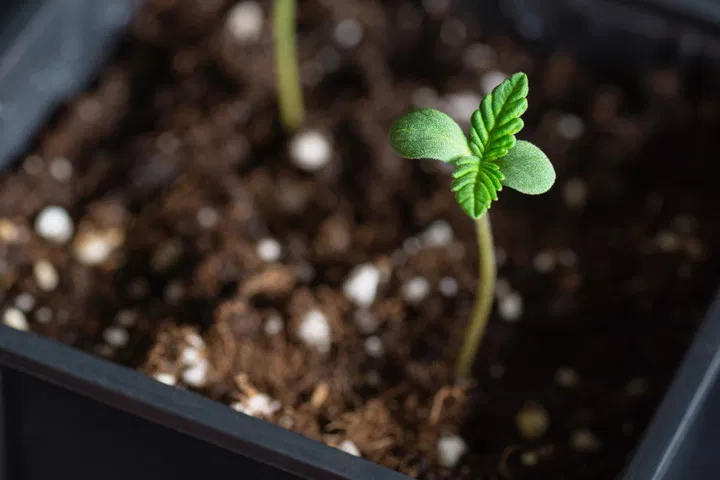
Once that taproot emerges, your plant enters its most fragile stage. This is a good time to learn how to care for young cannabis plants. Seedlings need:
- High humidity
- Gentle, consistent light
- Careful watering
- Stable temperatures
- Moist soil
The seedling stage is where the first ‘true’ leaves of your cannabis plant appear, and the plant starts photosynthesizing properly. During this stage, seedlings develop leaves that evolve from simple single blades to more complex structures with multiple 'fingers'. A strong seedling sets the tone for the entire grow.
Vegetative Stage (2-8+ weeks)

This is the real growth phase – think of it as the plant’s equivalent of adolescence where it really starts packing on size. During this stage, vegetative plants focus on developing strong stems, roots, and leaves to support future bud growth. You can expect to see the following developmental cues:
- Rapid vertical stretch
- A wider canopy
- Stronger stems
- A developing root system
We’ve indicated that the vegetative stage can take anywhere from 2 weeks to 8 weeks plus – and admittedly, that's a pretty wide spectrum. This is because veg time is flexible. Some growers intentionally keep plants small, for reasons such as stealth or space-saving, while others like to extend veg to grow big, high-yielding cannabis bushes the size of trees. To learn more, read The Vegetative Stage Explained and it will aid your understanding of what's going on at this crucial step in the plant's development. During this stage, the plant focuses its energy on building a strong structure rather than producing buds. More time spent in vegetation equals bigger cannabis plants. The size achieved during the vegetative stage has a significant effect on final yields, as bigger plants produce more bud sites.
Flowering Stage (6-12 weeks)
This is where the magic happens. The plant shifts its energy into producing flowers, AKA buds, marking the beginning of the flowering phase - the part of the cannabis plant's lifecycle where the rewards for your hard work begin to show. In indoor cultivation, growers initiate flowering by switching to a 12/12 light cycle – 12 hours under lights, 12 hours of darkness. Outdoors, it happens naturally as the seasons shift and days shorten.
Before the full flowering phase, the pre-flowering stage is critical - so learn how to identify the sex of cannabis plants through small pre-flowers as this will allow growers to remove male or hermaphrodite plants early and ensure only high-quality, seedless buds develop. During this time, flowering plants begin to show distinct characteristics, and bud growth accelerates as the plant focuses on forming and maturing its buds. Using feminized cannabis seeds will help to reduce the likelihood of males and hermies significantly, but knowing what to look for is half the battle. Spotting early signs of male cannabis plants will help you to act fast and remove them, lest they pollinate your ladies.

The flowering period, which is the duration from the start of flowering right up to harvest, can typically last from 6 to 14 weeks depending on the strain. Indica-dominant strains and hybrids are generally much faster-growing than sativa-dominant strains, often resulting in shorter flowering periods and earlier harvests. However, sometimes cannabis plants flower early due to environmental stress or incorrect lighting schedules, which can negatively impact yield and quality.
Flowering time varies dramatically by strain, and this is where the biggest differences between Indica, Sativa, Hybrid, Autoflowering, and Early//Fast strains come into play.
Growing Methods: How Your Approach Impacts the Timeline

The way you choose to grow your cannabis plant can make a big difference in how long it takes to grow cannabis. Indoor growers have the advantage of complete environmental control, which means you can fine-tune temperature, humidity, and especially the hours of light your plants receive. This level of control often leads to faster, more predictable results, and allows for multiple harvests throughout the year, regardless of the weather outside.
Outdoor growers, on the other hand, rely on the natural rhythms of the seasons. While growing marijuana outdoors can produce large, robust plants thanks to the power of the sun, the timeline is dictated by your local climate and the changing length of days. This means the growth cycle may be longer, and you’ll need to plan around the best planting and harvesting windows for your region.
The choice of growing medium also plays a crucial role in cannabis growth. Traditional soil is popular for its simplicity and natural buffering of nutrients, but hydroponic systems can speed up plant growth by delivering nutrients directly to the roots. Many cannabis growers find that hydroponics can shave weeks off the total grow time, making it a favorite for those seeking a quicker turnaround. Ultimately, understanding how your chosen method and medium affect the cannabis plant’s development will help you plan your grow and achieve the best possible results. To get a better handle on how mediums can affect growth speed, check out Hydroponics VS Soil: Pros and Cons for Gardeners by best-selling cannabis author and legendary grower, Jorge Cervantes.
Marijuana Plant Care: Keeping Your Grow on Track
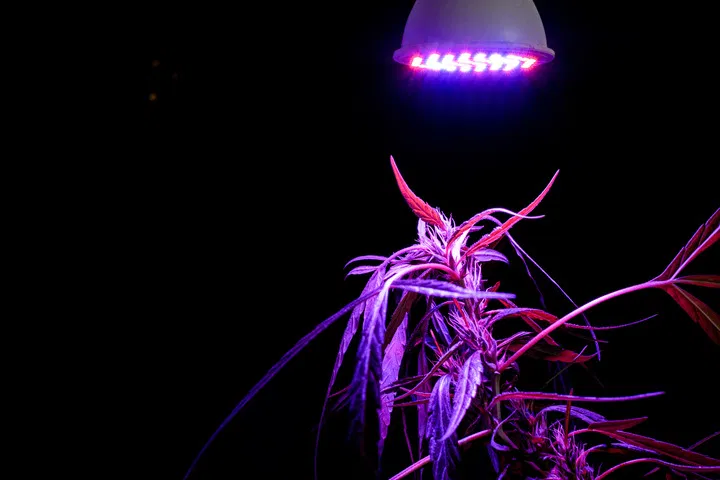
Consistent, attentive care is the backbone of a thriving marijuana plant and a successful harvest. During the vegetative stage, your cannabis plants need about 18 hours of light each day to fuel vigorous growth and develop strong stems and lush foliage. As you transition to the flowering stage, reducing the light to 12 hours a day signals the plant to start producing buds.
Watering is another critical factor, especially for young cannabis plants. The soil should be moist but never waterlogged, as excess moisture can lead to root problems and stunt growth. As your plants mature, regular pruning and training techniques can help open up the canopy, allowing more light to reach lower bud sites and encouraging the plant to focus its energy on producing bigger, denser flowers.
Nutrient management is equally important throughout the different growth stages. Providing the right balance of nutrients at the right time supports healthy vegetative growth and robust bud development.
How Long Does It Take to Grow Cannabis by Plant Type?
Below you’ll find a breakdown of timelines for each major cannabis category. Note that these are estimates which assume ideal indoor or outdoor conditions, and they’re designed to help you plan your grow from start to finish. Keep in mind that how many plants you choose to grow can impact your overall yield and may also affect the timing of each growth stage.
Indica Strains: Fast, Compact, and Consistent

What Is Indica? Indica cannabis strains originated in the rugged Hindu Kush mountains, where short summers forced them to evolve quickly. As a result, Indicas tend to be compact, bushy, and fairly fast-flowering. These are deemed pretty advantageous traits, making them especially popular with indoor cultivators.
Indicas typically germinate within a week, spend one to two weeks in the seedling stage, and then move into a vegetative stage that lasts around three to four weeks. Their flowering stage is where they really shine, usually finishing in eight to ten weeks. Altogether you’re looking at around 12 to 16 weeks from seed to harvest.
Their speed comes down to survival. Indicas adapted to harsh, short seasons, so they evolved to mature quickly. For many growers who want a reliable, fast turnaround without sacrificing potency, indicas are often the go-to choice.
Sativa Strains: Slow, Tall, and Worth The Wait

Sativas evolved in tropical regions like Southeast Asia, Colombia, and parts of Africa – places with long, stable growing seasons. This allowed them to develop a slower, more gradual growth pattern. They stretch taller, produce narrower leaves, and take their time maturing.
A typical sativa will germinate within a week, spend one to two weeks as a seedling, and then enter a vegetative stage that can last four to six weeks - or longer if the growers chooses. The flowering stage is where patience becomes essential, often taking anywhere from 10 to 14 weeks. In total, sativas can take 16 to 24 weeks – four to six months – to complete their life cycle.
The payoff is worth it for many growers. Sativa buds tend to be larger and airier, with uplifting effects loved by many.
Hybrid Strains: Balanced Timelines and Balanced Traits

Hybrids combine indica and sativa genetics, giving growers the best of both worlds. Their growth speed depends heavily on which parent they lean toward, so timelines can vary.
Most hybrids will germinate the same way – within a week, and spend one two weeks in the seedling stage. Their vegetative phase can last three to five weeks, and flowering can be anything from eight to twelve weeks. Altogether, hybrids typically take 14-20 weeks to complete their lifecycle.
The variation comes down to the dominance. A sativa-leaning hybrid may need the full twelve weeks to flower, but an indica-dominant hybrid might flower in eight or nine. Do your homework on a strain when planning your grow, and you’ll have a much better idea of when you’ll be reaping your harvest.
Autoflowering Strains: The Fastest Way To Grow Weed
Autoflowering strains are where you’ll see the biggest variation in the answer to “how long does it take to grow cannabis?” They contain genetics from Cannabis ruderalis, a hardy roadside plant native to places like Central Asia. But why do they finish so much faster than photoperiod cannabis? Unlike photoperiod strains, autoflowers begin flowering automatically based on age rather than waiting on a change to the light/dark cycle. This makes both convenient and fast. In contrast, photoperiod cannabis plants rely on changes in the natural light cycle—specifically longer nights—to trigger flowering, which can extend the overall grow time depending on the season and location.
Further Reading:What Is Cannabis Ruderalis?
Autoflowers start out much the same as photoperiod strains in that they usually germinate within a few days, spend one to two weeks as seedlings, and then move into a short vegetative stage lasting around two to three weeks. Their flowering stage is also quick, and will typically last five to seven weeks. There are many reasons why you should grow autoflowers, but speed is key: growers seeking fast turnarounds typically favor autos as their total life cycle is complete in as little as eight to twelve weeks.

The lightning speed of autoflowering cannabis comes from its origins. Ruderalis evolved in harsh, extreme climates with much shorter summer seasons, and learned to flower quickly to survive. These are ideal for growers wanting quick results, but they’re also popular with cultivators working in limited space such as small indoor setups, or for those looking to obtain multiple harvests per season.
The only caveat with autos is that they’re somewhat less forgiving. Any early stress – overwatering, transplant shock, nutrient issues – can permanently stunt growth, so learning to avoid these mistakes when growing autoflowers is crucial. Experienced growers have found that the first few weeks matter more than anything.
Early (Fast) Strains: Photoperiod Control with Autoflower-like Speed

Early/Fast strains are photoperiod plants bred with a touch of autoflowering genetics. They behave the same as regular photoperiods but finish flowering one or two weeks sooner, making them an ideal middle ground for cultivators who was speed without giving up control.
Further Reading:Early And Fast-Growing Cannabis Varieties Explained
How long to does it take to grow cannabis plants with early/fast genes? Expect the same kind of timeline for the first two stages of growth – germinating within a week and one or two weeks as seedlings, then a vegetative stage of three to four weeks. Their flowering stage is where they stand out, finishing in ust six to eight weeks. Overall, early/fast cannabis varieties will get through their entire life cycle in ten to fourteen weeks – ideal if you fancy growing a sativa in a hurry.
These types of cannabis are especially useful in regions with shorter growing seasons or unpredictable weather, where shaving off even just a week or two can make the difference between cheers and tears.
Which Is Faster: Indoor or Outdoor Growing?

In many cases, indoor cultivation will provide the fastest response to the question of "how long does it take to grow cannabis?" Growing cannabis indoors offers significant advantages because you can control every aspect of the environment. When cultivating cannabis indoors, you have the ability to completely manage light, heat, airflow, and humidity, which means you’re not at the mercy of outdoor weather conditions. This level of control makes growing cannabis indoors highly efficient and predictable.
When growing outdoors using outdoor cultivation methods, you must plan around natural seasonal cycles, such as the last frost, pre-flowering period, and harvest dates. Growing outdoors can present challenges due to unpredictable weather and limited control over environmental factors.
Since you can maintain ideal conditions 24/7, plants often grow faster and arguably even healthier indoors. You can also manipulate the vegetative stage to suit your own goals – shorter for small plants, and longer for bigger yields.
Growing indoors allows for flexibility and control over the entire cultivation process. Indoor growers can control the light cycle, allowing for a faster and more predictable harvest, typically in 3-5 months total. Indoor growing also allows year-round cultivation in legal jurisdictions, which is a major advantage for growers who want to run multiple harvests a year.
Common Challenges: What Can Slow Down Your Grow?

Even the most experienced cannabis growers can run into obstacles that slow down plant growth and threaten a successful harvest. For outdoor growers, unpredictable weather—like sudden cold snaps, heat waves, or excess moisture—can stress the plants and impact their ability to thrive. Indoor growers, while shielded from the elements, must stay vigilant about maintaining optimal light, temperature, and humidity in the grow space.
Pests and diseases are another common challenge, capable of damaging both young and mature plants. Regular inspections and the use of organic pest control methods can help keep these threats at bay. One of the most critical steps is identifying and removing male plants or any intersex plants from your grow space, as they can pollinate female plants and reduce the quality and yield of your buds.
By staying proactive—monitoring your plants daily, adjusting environmental conditions as needed, and addressing issues promptly—you can overcome these hurdles. With careful attention and a bit of experience, you’ll be able to guide your cannabis plants through each stage of growth and enjoy a successful, rewarding harvest.
So How Long Does It Really Take To Grow Cannabis?
Realistically, anywhere from 8 weeks to 6 months – but how quickly or how long depends entirely upon:
- Strain Type
- Quality of Genetics
- Growing Environment
- Grow Method
- Experience level
Indicas and autos are the quickest, sativas take the longest, and hybrids and fast strains sit somewhere in the middle. These timelines assume ideal conditions, though. In the real world, pests, nutrient issues, heat waves, cold snaps, and humidity swings can all slow things down.
After harvesting, the drying process is a critical step that usually takes 5 to 15 days and requires controlled environmental conditions and airflow to prevent mold. Following drying, the curing process is essential for enhancing flavor, potency, and overall quality, and curing cannabis buds is recommended for at least 2 weeks to achieve the best results.
The marijuana plant typically lives for one season, but some strains can live longer under optimal conditions. With good planning and the right know-how, you’ll be harvesting high-quality buds in what feels like no time.