
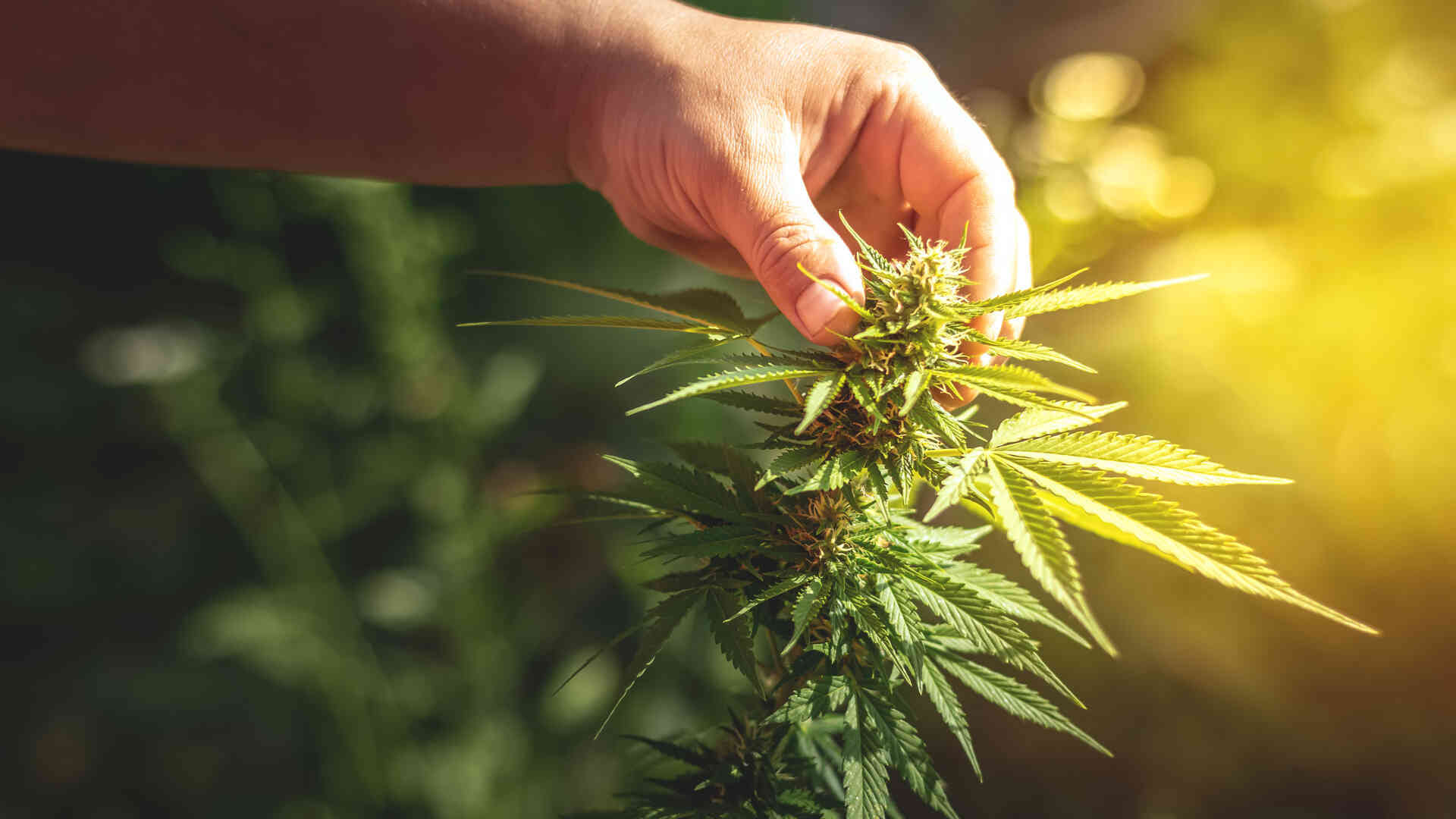

Ask ten people “what is indica?” and you’ll get ten slightly different answers – some detailed and poetic, some full of horticultural terminology, and one from that guy who insists “it’s purple, bro.” At its core, indica (originaly described as Cannabis indica by Jean-Baptiste Lamarck in 1785) refers to a group of cannabis plants and plant-derived varieties traditionally associated with a compact, resinous plant form and a relaxing effect profile. Historically, the cannabis plant was classified into distinct species, including Cannabis indica and Cannabis sativa, based on their physical and genetic differences. But modern science has shown that the old two-box system (“indica vs sativa”) is somewhat blunt and imprecise. These two subspecies were traditionally used to describe the main types of cannabis plants, each with distinct characteristics. However, cannabis is a complex plant with effects determined by the interaction of many compounds, not just by plant type.
The cannabis plant has been the subject of ongoing debate regarding its classification, with some experts preferring to focus on chemical profiles rather than the sativa/indica distinction. Scientific evidence increasingly supports the use of chemotaxonomy over traditional labels for predicting effects. Nonetheless, the label still helps people and clinicians talk about likely effects, plant features, and common terpene patterns.
This article answers the question "what is indica weed?" – plant anatomy, origins, what does indica do, and why people use indica-dominant varieties therapeutically.
What Is Indica Weed?
When someone asks “what is indica weed?” they usually mean one of two related things: the historical botanical taxon Cannabis indica, and the practical, market-driven category “indica-like” cannabis used to describe plants and strains that are shorter, bushier and often associated with calming body effects. Although botanic debate persists about strict species boundaries within cannabis, the term “indica” stuck because it reliably points to a recognizable set of plant traits and chemotypes used in medicine and industry.
While traditional labels like indica and sativa are still used to describe plant type, understanding the effects of a particular strain often requires examining its unique chemical profile, including cannabinoid and terpene content, rather than relying solely on plant type.
What is Indica Weed in Anatomy and Structure?

Indica types are classically described as compact and sturdy. You’ll observe or read about the following key physical traits in indica cannabis strains:
Leaf Shape: Broad leaflets with wider blades compared to the longer, slender leaflets associated with sativa strains.
Overall form: Shorter, denser, and more conical or bushy. Branches and buds tend to be tighter and closely packed rather than lanky.
Bud structure: Thick, resin-rich flowers that are tight, heavy, and dense.
Growth tendencies: Many indica plants evolved to flower quickly – an ecological advantage in areas where growing seasons are short.
Indica and sativa plants exhibit distinct characteristics that help differentiate them from each other, including differences in appearance, growth patterns, and geographic origins.
Those morphological descriptions are consistent in botanical summaries that compare traditional indica and sativa forms. These differences are important for distinguishing between different strains of cannabis. Remember that these physical cues are useful shorthand, not perfect taxonomic proof [1].
Geographic Origins – Where Indica Came From
The original Cannabis indica specimens came from the mountainous regions of Central and South Asia – think the Hindu Kush, Afghanistan, Pakistan, parts of the Himalayas – areas with harsher climates, variable summers, and cold nights. Plants adapted to those conditions developed compact architectures and dense, resinous buds – traits that, centuries later, are associated with the “indica” label. Modern genetic and chemotaxonomic work shows complex ancestries and lots of mixing, but the Central Asian origin story explains many of the classic indica traits [2].
What Is Indica Weed In Terms of Effects?
Indica-associated varieties are commonly reported to produce relaxing, calming and body-centred effects – what users refer to as a “body high”. These typical indica effects often include pronounced sedative qualities, making them popular for promoting sleep and deep relaxation. If it’s especially potent, you veer into the territory of what’s known as “couch-lock,” where the body effect is so powerful that you may find yourself figuratively stapled to the chair. These sedative effects are often linked to the plant's unique cannabinoid and terpene profile, which can enhance the overall therapeutic effects [3]. This is why heavier indica strains are usually best suited to evening use, when the day’s responsibilities are done and your most arduous task is opening another bag of potato chips.
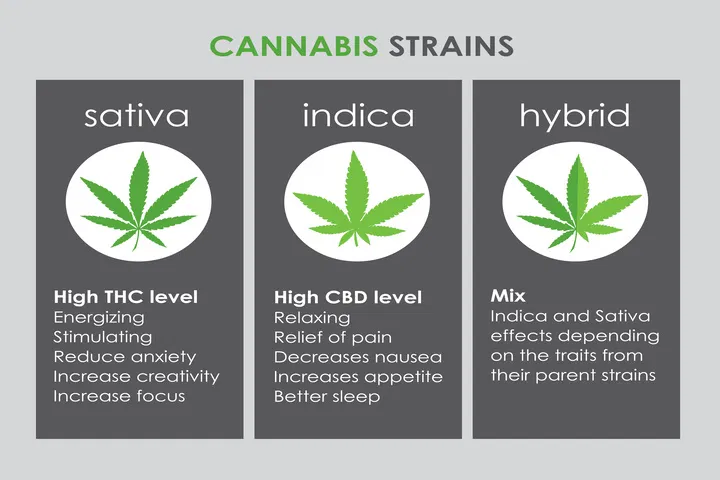
When choosing strains, people often ask “does indica make you sleepy?” The honest scientific responses: it depends on the plant’s cannabinoids and terpenes, and on the individual’s biology and dose. Controlled studies suggest THC can reduce sleep latency for some users and that certain profiles may promote subjective relaxation; however, long-term sleep quality effects are mixed and dose dependent. The THC ratio and CBD content in a strain play a crucial role in determining its psychoactive effects and overall potency. So yes, many indica-dominant strains are used by people who want sedation or muscle relaxation, but the effects are not guaranteed or universal. Still, you don’t have to search hard to find scores of anecdotal evidence by users who’ve benefitted from the sleep-promoting effects of certain indica strains.
Indica strains are also valued for their potential benefits in reducing pain and managing certain medical conditions, such as insomnia, anxiety, and chronic pain. Ongoing cannabinoid research is helping to clarify how different compounds in indica strains contribute to their therapeutic effects.
People also describe the indica experience as:
Body high sensations – heaviness or physical relaxation that contrasts with the more cerebral or energetic experiences people often attribute to other varieties (sativas are typically described as “uplifting”
Pain and tension relief – many consumers and preliminary clinical reports indicate indica-dominant chemotypes are preferred for musculoskeletal discomfort and tension.
Two caveats, though: first, subjective reports dominate much of the literature; second, modern strains are usually hybrids with blended profiles, so expect variation. Before the days of hybridization, however, the rule of thumb was that indicas made you somewhat sleepy, very hungry, and were the best pick for pain relief.
Common Terpenes Found In Indica Cannabis Strains
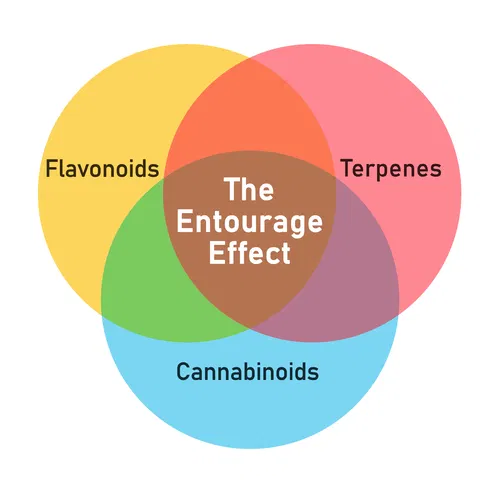
Terpenes are the aromatic compounds that go a long way to give cannabis its aroma and flavor – alongside a supporting cast that includes esters, aldehydes, ketones, and more. In addition, they may modulate the effects of cannabis as part of the entourage effect, where a synchronicity exists involving the plant's key aningredients and the endocannabinoid system and brain/body chemistry. The terpene profile of a strain, including certain terpenes like myrcene, plays a crucial role in shaping its effects and aroma.
Indica-leaning cannabis varieties often show concentrations of terpenes that practitioners associate with calming or sedative sensations – which makes perfect sense when you know about indica’s reputation for being the chill-out option on a cannabis menu. Notable terpenes commonly found in many indica-dominant chemotypes include:
Myrcene – frequently abundant in indica-leaning strains, associated with sedative and muscle-relaxing properties and sometimes implicated in the classic “couch-lock” effect when present at higher percentages. This terpene is one of the most common cannabis terpenes and is often found in high concentrations in indica strains. Myrcene is also present in essential oils and can be found in natural sources such as pine needles. Does indica make you sleepy? If it contains high concentrations of myrcene, there’s a good chance it will [4]. You’ll find high concentrations of myrcene in strains like OG Kush, White Widow, and Seedsman's Northern Lights Auto.





Beta-Caryophyllene – spicy, peppery sesquiterpene that binds to cannabinoid receptors and may have anti-inflammatory properties [5]. Beta-caryohphyllene is found in cannabis strains like the legendary Jack Herer, Sour Diesel, and OG Kush.


Linalool and a-humulene – floral and woody notes respectively; linalool is liked to calming effects in several studies [6] and can be found in strains like Zkittlez Auto, Bubba Kush, and Ken's Original GDP.


Buy Ken's Original GDP (Grandaddy Purple) Feminized Seeds



The terpenes present in any given cannabis strain, along with its cannabinoid content, influence the overall experience and therapeutic potential of cannabis products. It’s important to remember that terpenes don’t act alone; they interact with cannabinoids (THC, CBD etc.) and with each other to produce complex experiences that vary from person to person.
What Does Indica Do Therapeutically?
Again, effects aren’t guaranteed and depend on strain, dose, and the individual. But when it come to answering the question "what does indica do?" clinically and anecdotally, indica-leaning cannabis strains are commonly selected for use in treating:
- Sleep difficulties and insomnia [7]
- Pain relief and muscle relaxation – especially for chronic pain or conditions where a relaxing body effect is desirable. Fascinating fact: Arnold Schwarzenegger used to enjoy a doobie after a heavy session at the gym to aid recovery [8]
- Anxiety reduction – though responses vary and higher THC content can actually worsen anxiety in some individuals.
These therapeutic uses align with the chemical patterns often seen in indica-dominant lines. Clinical research is ongoing and nuanced, and therapeutic choice should be informed by evidence, clinician input, the patient's medical history, and the chemical profile of the strain – not just the “indica” label.
Growing Indica Strains
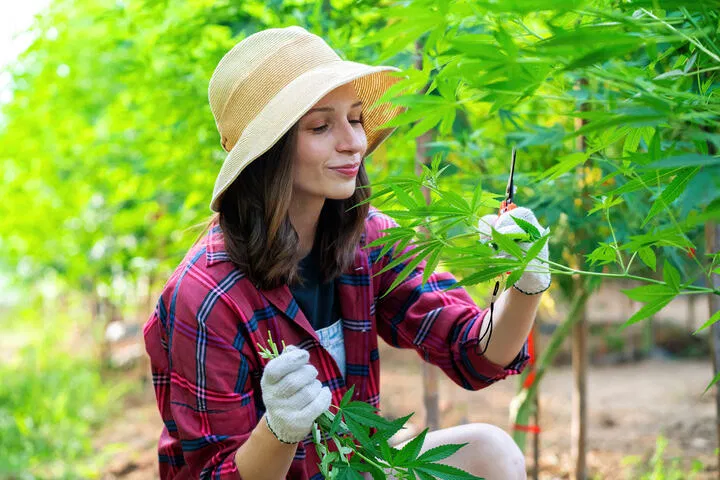
Cultivating indica strains is a rewarding project for growers, thanks to their unique characteristics and robust beneficial properties. Indica plants are instantly recognizable by their compact, bushy stature and broad, dark green leaves—a stark contrast to the taller, lankier sativa plants with their typically more slender foliage. These physical traits aren’t just for show, mind you; they play a crucial role in how indica strains thrive and what they need from their environment.
Indica plants are well-suited to indoor growing or smaller outdoor spaces, as their shorter height and dense branching make them easy to manage and somewhat discreet. They tend to flourish in cooler climates, echoing their origins in mountainous regions, and generally prefer moderate humidity levels. Unlike sativa plants, which often stretch tall and require more vertical space, indica strains are content with less room to grow, making them a favorite for home cultivators.
When it comes to care, indica strains benefit from regular pruning to encourage airflow and prevent mold in their dense canopies. Their dark green leaves are a sign of their hearty nature, but they still appreciate balanced nutrients—especially during the flowering stage, when their resin-rich buds develop. Indica plants typically have a shorter flowering period than sativa strains, allowing for quicker harvests.
The result? Dense, potent, aromatic buds packed with the beneficial properties that make indica strains so popular for relaxation and pain relief. Whether you’re growing for personal use or on a larger scale, understanding the unique needs of indica plants ensures you’ll enjoy the full spectrum of what this distinct strain type has to offer.
What Hybrids Mean For The Indica Label
We’ve just spent some time combing over the finer points of what is indica weed, what does indica do, and what defines indica cannabis strains, but it’s important to know that in today’s marketplace, most cannabis strains are in fact hybrids – that is, cross-bred varieties which include the finer traits of one (or more) indicas and one (or more) sativas. Hybrid strains are intentionally bred to combine certain properties of both indica and sativa, such as balancing THC and CBD levels or improving crop yield. Many strains available today are the result of extensive cross-breeding to achieve specific effects or characteristics. For that reason, when you see a modern strain described as indica, it’s more likely to be indica-dominant or indica-leaning – where the indica traits either tip the scale a little or a lot in indica’s direction. This means it may tend to be more indica in stature, or it may tend to be more indica in its effects – but will still have some sativa qualities in the mix. True and pure indica varieties do still exist, but are becoming somewhat scarcer as the world of cannabis embraces hybridization.
What is Indica Weed? Conclusion
So what is indica? Historically, a botanical name for Central Asian cannabis that also came to mean a suite of plant shapes and a set of commonly reported effects. Today, because most strains are hybrids, the practical value of indica is that it signals probable plant morphology and probable effect tendencies - especially when you see consistent terpene and cannabinoid patterns. Science continues to refine our understanding, and chemotaxonomy (looking at cannabinoids and terpenes) is increasingly favored ahead of blunt typology. If you're asking "does indica make you sleepy?" or "does indica help with pain relief?" the safest answer is that it can - and it often does for many people - but outcomes depend on chemistry and biology, not the label alone.
--------------------------------------
References:
[1] https://pmc.ncbi.nlm.nih.gov/articles/PMC4604179/
[2] https://pubmed.ncbi.nlm.nih.gov/28861494/
[3] https://pubmed.ncbi.nlm.nih.gov/28349316/
[4] https://pmc.ncbi.nlm.nih.gov/articles/PMC8326332/
[5] https://pmc.ncbi.nlm.nih.gov/articles/PMC8489319/
[6] https://pmc.ncbi.nlm.nih.gov/articles/PMC8489319/