

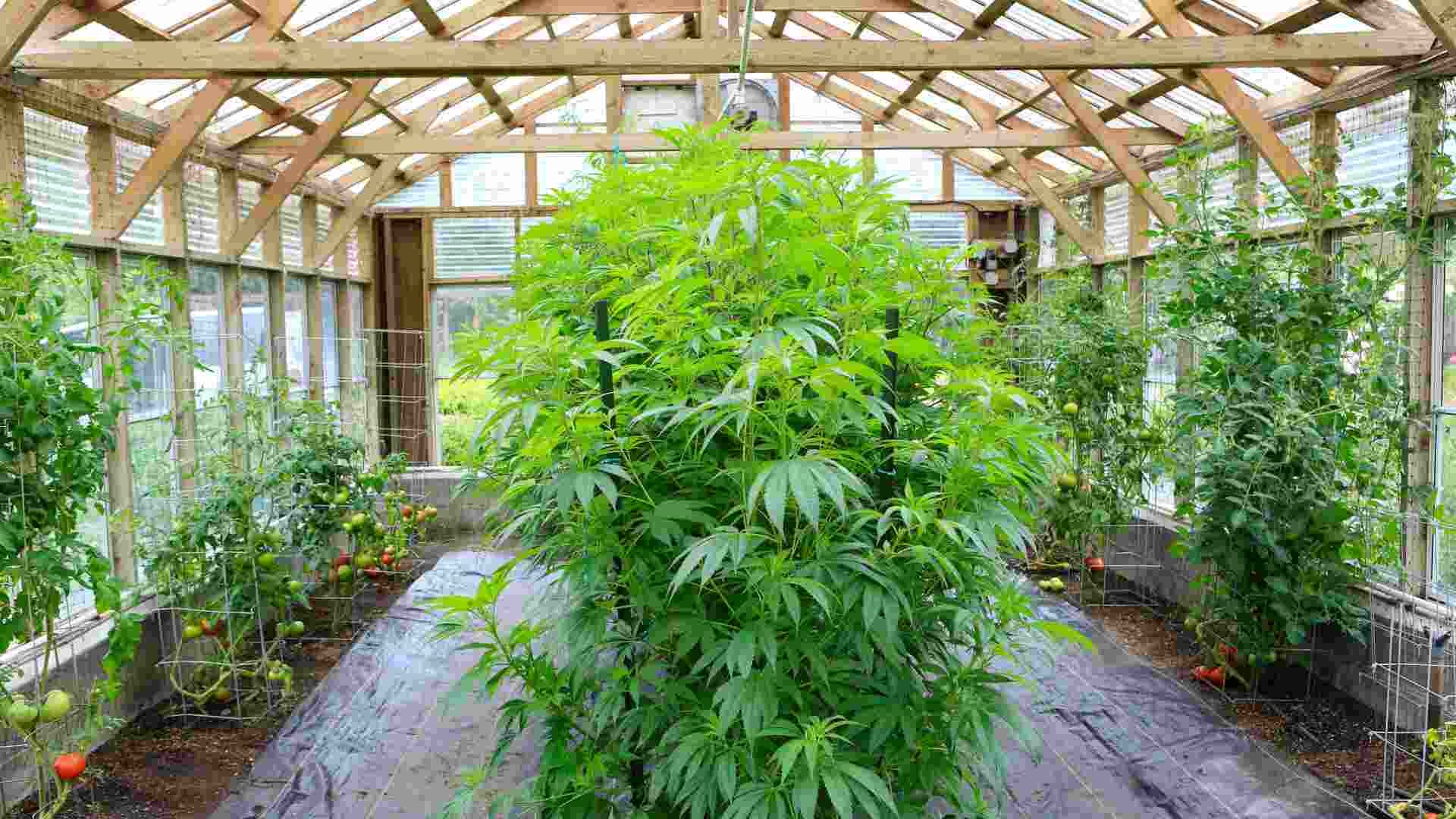
Discover how greenhouse cannabis growing can boost your yields and quality. Maintaining optimal conditions, such as temperature and light, directly influences the cannabis growth process, including photosynthesis and overall plant health. This guide covers the advantages, setup tips, and expert techniques for thriving cannabis plants in a greenhouse environment. In conclusion, growing cannabis in a greenhouse offers optimal environmental control, harvesting potential, and essential growing techniques for a successful growing experience.
Introduction to Greenhouse Growing
Growing cannabis in a greenhouse offers a unique combination of natural sunlight and a controlled environment, making it an ideal choice for cannabis growers. Greenhouse cultivation allows for year-round cultivation, extended growing seasons, and robust yields. With the right climate control equipment and techniques, greenhouse growers can create an optimal environment for their cannabis plants to thrive. This method leverages the best of both indoor and outdoor growing, providing the benefits of natural light while maintaining control over environmental factors. By mastering greenhouse growing, you can enjoy consistent, high-quality harvests throughout the year.
Benefits of Greenhouse Cultivation
Greenhouse cultivation provides numerous benefits for cannabis growers, including energy efficiency, improved plant health, and increased yields. By utilizing natural sunlight, greenhouse growers can reduce their reliance on artificial lighting, resulting in lower energy costs. Additionally, the controlled environment of a greenhouse allows for precise control over temperature, humidity, and light exposure, creating an ideal environment for healthy plant growth. Greenhouse cultivation also enables growers to introduce beneficial insects, promoting a healthy and balanced ecosystem. This method not only supports vigorous plant growth but also contributes to a more sustainable and cost-effective cultivation process.
Key Takeaways
- Greenhouse cannabis cultivation combines the benefits of indoor and outdoor growing, providing a controlled, cost-effective environment that enhances plant quality and yield.
- Key setup elements for cannabis greenhouses include selecting an optimal location, choosing the right structure, and equipping it with essential tools for climate and moisture control.
- Implementing best practices in climate management, nutrient optimization, and pest control is crucial for maintaining plant health and maximizing yields in greenhouse cannabis cultivation.
The Advantages of Greenhouse Cannabis Growing
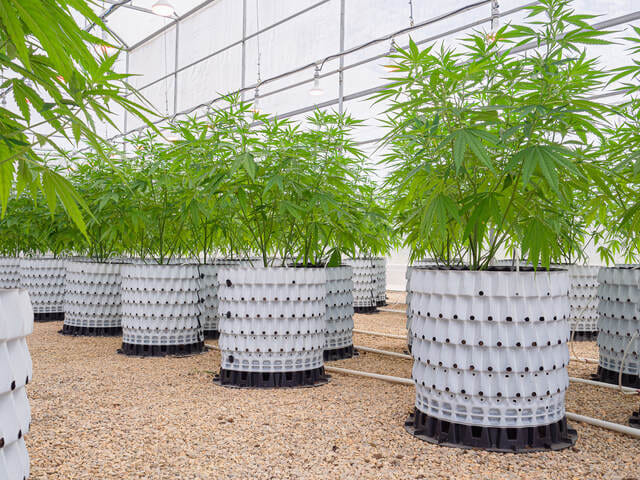
The cultivation of cannabis in greenhouses seamlessly integrates the advantages of both indoor and outdoor growth techniques. Greenhouses protect plants from extreme weather conditions, pests, and diseases by creating a controlled environment that fosters better plant development. Additionally, managing daylight hours is crucial in greenhouse cultivation, as supplemental lighting can extend daylight hours during cloudy periods or colder months, optimizing plant growth and extending the overall growing cycle. Compared to indoor setups, cultivating cannabis within a greenhouse is more economical due to lower initial setup costs and diminished ongoing equipment expenses. The caliber and output of greenhouse-grown cannabis often reach or surpass those associated with entirely indoor environments through combining tactics characteristic of both growing methods.
Greenhouse cultivation for cannabis is gaining traction as an efficient and eco-friendly method for yielding top-tier crops. By employing proper infrastructure and methodologies, growers can reap the benefits tied to controlled climates, energy conservation, as well as perpetual harvesting opportunities throughout the year – all contributing factors towards fostering healthier plants with substantial yields. Ultimately when contemplating various approaches on how to cultivate cannabis effectively. Harnessing greenhouse methods stands out prominently for its capacity to enhance overall crop excellence.
Controlled Environment
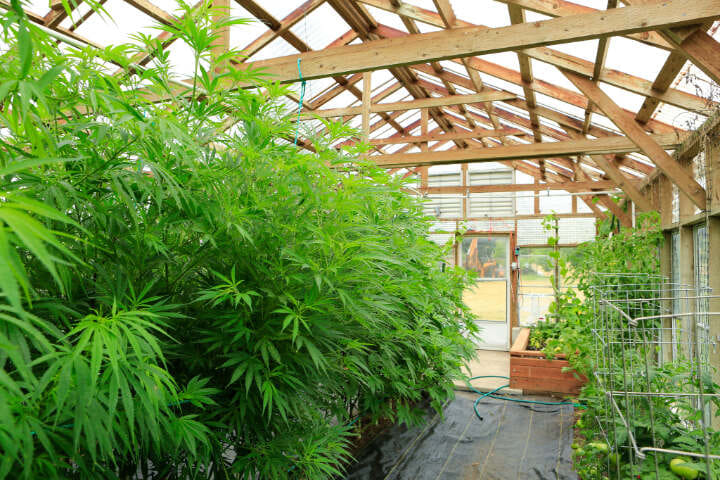
Controlled environment greenhouses offer a safeguarded and managed setting, effectively defending cannabis plants against external factors such as precipitation, frostbite, gusts of wind, and pests. The elevated median temperatures coupled with steady temperature margins within greenhouses ensure the safety of cannabis plants from harsh climatic extremes. Temperature fluctuations can significantly impact cannabis growth, affecting plant health and yield. This encapsulated space facilitates the continuous cultivation of cannabis by eliminating negative weather influences that might otherwise disrupt growth cycles. These structures provide a layer of defense for the plants against severe environmental conditions.
The establishment of a consistent microclimate within these protective enclosures is made possible through precise regulation of both temperature and humidity levels. This results in an environment conducive to robust plant development and maximizes yield prospects. Climate control apparatuses including heating systems and air circulation mechanisms enhance this finely tuned habitat’s suitability for growing cannabis by minimizing potential stressors on your plants.
Energy Efficiency
Greenhouse growing of cannabis offers a substantial benefit in terms of energy efficiency. By harnessing natural sunlight, these greenhouses can slash the electricity expenses associated with indoor cultivation by as much as 90%. The diminished dependency on artificial lighting not only bolsters environmental friendliness but also enhances cost-effectiveness.
Consequently, growers are able to achieve notable reductions in their yearly utility expenditures while maintaining an energy-efficient and conducive environment for healthy plant growth.
Year-Round Cultivation
Greenhouses provide cannabis cultivators with the advantage of controlling climate conditions, allowing them to produce crops all year long without being hindered by external weather factors. They can extend their cultivation into traditionally colder seasons by keeping plants protected against frost and maintaining warm temperatures inside. With precise control over both climate and humidity levels within greenhouses, cultivators are able to reap multiple harvests annually.
Cannabis growers in greenhouses benefit from creating ideal growth environments that lead to substantial yields and robust plant health. The enclosed nature of a greenhouse facilitates vigorous plant development while mitigating common outdoor growing challenges like pests and diseases. This controlled setting ensures a steady output of premium-quality cannabis throughout the entire year for greenhouse growers.
Setting Up Your Cannabis Greenhouse
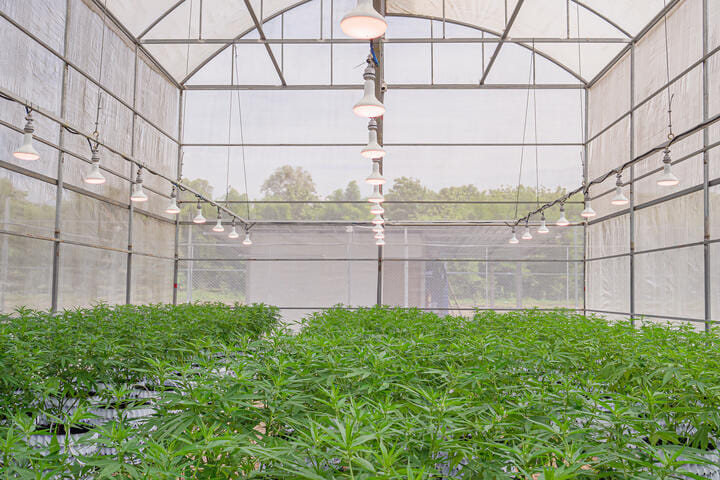
Establishing a cannabis greenhouse necessitates numerous vital steps that are integral to the successful growth of your plants. To create an ideal growing environment, it is necessary to pick an optimal location, select a suitable structure for the greenhouse and outfit it with indispensable equipment.
Choosing the Right Location
For ideal cannabis cultivation within a greenhouse, it’s best to have a location that gets at least 6-12 hours of direct sunlight daily. Ensure the greenhouse is positioned so that sunlight can traverse from one end to the other throughout the day, which helps avoid shadows and ensures maximum light exposure for the plants. Having proper drainage is vital. Thus, areas prone to standing water should be avoided. Establishing your greenhouse on level terrain also aids in preventing structural issues and facilitates better water runoff.
Positioning the greenhouse away from tall trees avoids shade, which can diminish the light intensity necessary for healthy plant development, especially during critical growing phases.
In cases where there isn’t natural shelter from wind available, you might need to install barriers like fences or plant hedgerows for protection. Placing your greenhouse behind existing structures such as buildings or hedges can offer an organic buffer against strong winds. Proper management of both sunlight access and wind shielding provides favorable conditions necessary for healthy cannabis growth.
Selecting the Greenhouse Structure
Various greenhouse designs come with their own set of advantages. The following are some widely recognized ones:
Hoop houses represent an economical and straightforward option, constructed from either metal or PVC frames draped in plastic covering for cost-effectiveness and simple assembly.
Polycarbonate greenhouses utilize dual-layer polycarbonate sheets, enhancing temperature management and robustness.
Glass greenhouses necessitate meticulous control over the environment, rendering them perfectly suited for sustained cannabis growing operations.
Building a DIY greenhouse can be a cost-effective and accessible alternative for growers, allowing them to cultivate plants without significant financial investment.
When choosing a suitable greenhouse structure, it is crucial to consider elements like dimensions, air flow capabilities, and thermal insulation to refine the conditions necessary for plant growth. It’s also vital to evaluate factors such as the expanse and placement of your cultivation space, financial constraints, and personal time commitment towards gardening activities. By matching your selected type of greenhouse with these requirements, you can lay down a solid groundwork that promotes effective marijuana production processes.
Essential Equipment
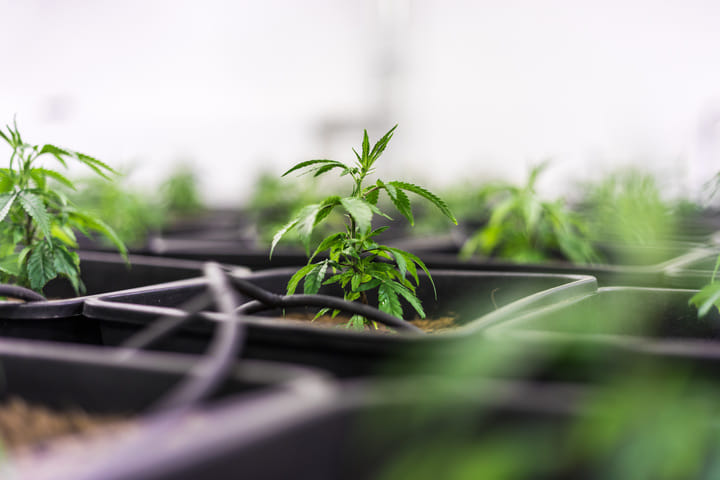
Ensuring your greenhouse is outfitted with the necessary implements is critical for fostering ideal growing conditions. Integrating irrigation systems is essential for efficient water management, ensuring your plants receive adequate hydration. Effective airflow and ventilation are key to averting mold growth and maintaining a consistent growing atmosphere. Incorporating automated irrigation solutions, such as drip systems, can greatly improve efficiency in raising cannabis within these enclosed structures.
Incorporation of artificial lighting and heating devices is beneficial for sustaining warmth around seedlings during cooler periods. It’s important to augment natural light with additional grow lights when weather conditions are suboptimal to guarantee sufficient illumination for the development of cannabis plants. Using low powered light can extend the cultivation period during fall and winter, supplementing natural daylight to ensure optimal growth. Investing in climate control apparatuses like dehumidifiers and fans will assist in keeping temperature and humidity levels within the optimal range.
Equipped with appropriate gear, you’re well-positioned to cultivate a conducive environment that supports vigorous plant growth and leads to substantial harvests.
Creating an Ideal Greenhouse Environment
Creating an ideal greenhouse environment is essential for successful cannabis cultivation. This involves careful consideration of factors such as humidity and temperature control, and light exposure. By controlling these environmental factors, you can promote healthy root development, vigorous growth, and potent buds. The goal is to replicate the optimal conditions found in nature while minimizing the risks associated with outdoor growing. This controlled environment allows for the fine-tuning of various elements to ensure that cannabis plants receive the best possible care, leading to higher quality and more abundant yields.
Humidity Control and Management
Humidity control is essential in greenhouse cultivation, as excessive humidity can lead to root rot and other problems. Greenhouse growers can control humidity levels using climate control equipment, such as dehumidifiers and humidifiers. Proper ventilation is also critical in maintaining optimal humidity levels, ensuring a healthy growing environment for cannabis plants. By keeping humidity within the ideal range, growers can prevent mold and mildew, which can compromise plant health and yield. Regular monitoring and adjustments are necessary to maintain the perfect balance, promoting a thriving greenhouse environment.
Best Practices for Greenhouse Cannabis Cultivation
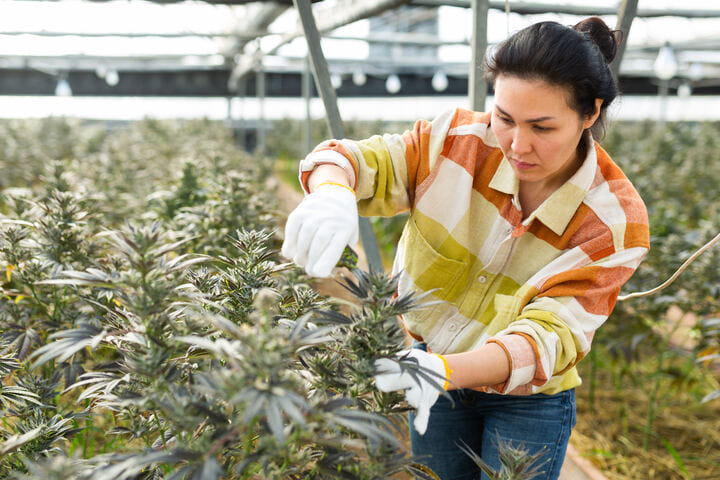
To excel in greenhouse cannabis cultivation, it’s crucial to adopt optimal methods that enhance plant health and maximize yields. Key elements such as precise climate control, meticulous nutrient management, and rigorous pest control are fundamental for the thriving of your cannabis plants within a greenhouse environment.
Maintaining a greenhouse clean environment is essential to prevent the attraction of pests and diseases. Regular cleaning practices, such as removing debris and sterilizing soil and tools, are vital steps to ensure a healthy growing environment.
By sticking to these high standards, you foster robust growth of your cannabis plants while also significantly increasing the potential for abundant harvests.
Vegetative Stage
During the vegetative stage, cannabis plants require a lot of light and nutrients to promote healthy growth. Greenhouse growers can provide their plants with the necessary light exposure by utilizing supplemental lighting, such as LED lights or high-pressure sodium lights. Additionally, growers can use nutrient management techniques, such as fertilization and pruning, to promote robust growth and development. By controlling the environment and providing optimal conditions, greenhouse growers can set their plants up for success during the flowering stage, resulting in high-quality buds and robust yields. Proper care during the vegetative stage lays the foundation for a bountiful harvest, ensuring that plants are strong and healthy as they transition to flowering.
Further Reading:How Supplemental And Side Lighting Can Increase Cannabis Yields
Climate Control
To foster optimal growth of cannabis in a greenhouse, it is essential to sustain appropriate temperature and manage humidity levels effectively. Important aspects include:
1. Daytime temperatures should be regulated to remain within the range of 70-85°F (21-29ºC).
2. It’s crucial to keep humidity levels between 40% and 70%.
3. Cannabis plants can become stressed due to low humidity. Hence, consistent monitoring and adjusting of moisture in the air are imperative.
4. Utilizing dehumidifiers along with ensuring proper airflow can aid in controlling excessive humidity and averting mold proliferation.
A heating system plays a crucial role in maintaining optimal environmental conditions within the greenhouse. These systems, often integrated with smart controls, allow growers to automatically regulate temperature, ensuring stable microclimates that promote healthy plant growth and maximize harvests.
Enhancement of ventilation can occur through the use of oscillating fans coupled with adequate air movement strategies. Setting up both a thermometer and hygrometer enables tracking of ambient temperature and moisture, thus promoting a conducive environment for healthy development among your cannabis crops. To maintain ideal conditions that encourage vigorous growth in plants requires ongoing fine-tuning as well as vigilant supervision.
Further Reading: How To Position Fans In A Cannabis Grow Tent
Nutrient Management
Healthy cannabis plants in a greenhouse require balanced key nutrients. Nitrogen, phosphorus, potassium, calcium, and magnesium are necessary nutrients that support various growth stages. During the vegetative stage, cannabis plants prefer high nitrogen doses and regular watering.
Growing a large number of small plants in confined spaces, such as small greenhouses, can be advantageous. This Sea of Green (SOG) setup allows for better utilization of limited space and encourages higher yields compared to cultivating a few larger plants.
Further Reading:How To Grow Cannabis Using The Sea Of Green Method
For the bloom phase, a bloom-specific nutrient formula with higher phosphorus and potassium should be used. Assessing pH levels in the soil or nutrient solution regularly ensures optimal nutrient uptake availability.
Pest and Disease Management
To manage pests effectively, consider adopting a strategy that includes preventive actions and eco-friendly treatments. Essential elements of this approach include:
- Routine checks for the early spotting of pest infestations and plant illnesses.
- The release of beneficial insects like ladybugs and predatory mites into the growing environment to naturally keep pest numbers in check.
- Applying organic remedies such as neem oil helps curb pests while keeping plants unharmed.
By taking these proactive measures in pest management, you help protect crops and foster a healthy growing environment for them to thrive in.
Light Deprivation Techniques
The technique of light deprivation entails shrouding the greenhouse to obstruct light during certain daylight periods, thereby artificially altering the light cycle to mimic shifts in seasons. This method is employed to prompt flowering in photoperiod cannabis plants through a regime of 12 hours of illumination followed by 12 hours of darkness.
In addition to light deprivation, utilizing sun grown cannabis in greenhouses offers significant advantages in cultivation strategies and environmental control, allowing growers to harness natural sunlight for optimal growth while maintaining efficiency.
Although implementing blackout covers manually requires physical work, modern automated systems have been developed to streamline this task and guarantee uniform control over lighting conditions.
Implementing Light Dep Techniques
To practice light deprivation, it is necessary to employ robust blackout curtains or tarps. Contemporary blackout solutions are designed for ease of use, with the ability to extend or withdraw them at the touch of a button, ensuring precise alignment that minimizes any escape of light.
Greenhouse growers benefit from automated light deprivation setups which offer sophisticated control over lighting conditions similar to what is found in indoor grow rooms. It’s important not to overlook ventilation during periods of light restriction as it plays an essential role in preserving a suitable climate for plant growth.
Benefits of Light Dep Techniques
Techniques involving the control of light deprivation provide numerous advantages, such as enabling growers to accomplish several harvests in one year. By managing the photoperiod, you can enhance the timing for harvesting and elevate the quality of your flowers. The utilization of automated systems boosts yield by guaranteeing that plants are exposed to ideal levels of light.
Utilizing this method facilitates a more exact timetable for reaping crops, which enhances both predictability and productivity.
Choosing the Right Cannabis Strains
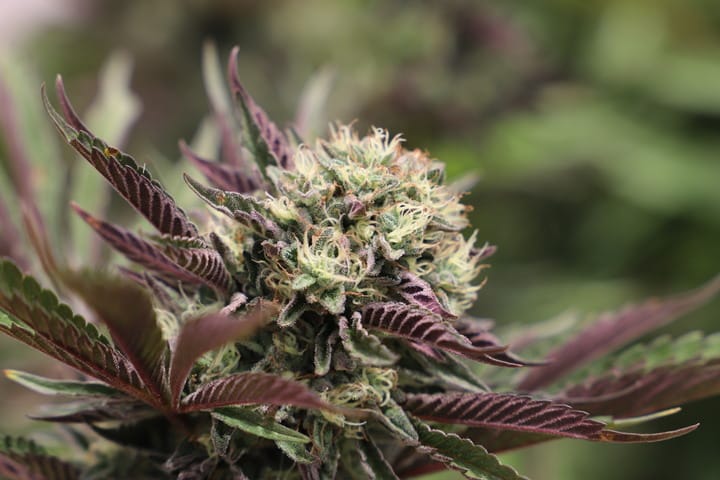
Maximizing yields and achieving desired effects in greenhouse cultivation depend on choosing the right cannabis strains. Consider local climate, available space, and humidity tolerance when selecting strains. Avoid lanky strains like pure Hazes for small greenhouses, as they may not thrive in constrained environments.
To grow cannabis in a greenhouse, you can optimize the environment, ensure year-round cultivation, and achieve high-quality yields, making it an appealing option for both novice and experienced growers.
Greenhouses like glass or polycarbonate enhance environmental factors control, improving outcomes for selected strains.
Popular Greenhouse Strains
Greenhouses provide the perfect setting for growing a range of cannabis strains, such as Indica, Sativa, and Autoflower types. Due to their shorter and more compact growth habit, Indica varieties are well-suited to the confined spaces of greenhouses. Conversely, Sativa strains have a tendency to reach greater heights and need larger greenhouse structures.
In the controlled conditions of a greenhouse environment, Autoflower cannabis plants typically complete their lifecycle from seedling to harvest in about 100 days. This enables growers to achieve rapid production cycles.
Feminized Seeds
Feminized seeds tend to produce higher quality cannabis plants since they eliminate male plants that do not yield usable buds. Using feminized seeds in greenhouse cultivation ensures all plants are female.
Plants grown from feminized seeds can typically reach heights and widths of 6-10 feet (2-3m). Feminized seeds can be germinated and planted in a heated greenhouse around March or April.
Further Reading:10 Cannabis Strains To Grow In A Greenhouse
Germination and Transplantation
Seed germination initiates the growth cycle of cannabis within a greenhouse, representing the initial stage in cultivation. Choosing appropriate cannabis seeds is essential, followed by starting their germination—a critical next step that can range between 12 and 36 hours when conditions are ideal.
While indoor growing is often perceived as superior, greenhouse cultivation can be more energy-efficient and cost-effective, achieving comparable or even better quality cannabis.
Employing correct methods for germinating these seeds results in seedlings that boast robust root development, preparing them well for transplantation into the greenhouse environment where they will continue to grow successfully.
Starting Seeds Indoors
Starting seeds indoors provides better control of germination conditions, resulting in healthier seedlings before transitioning to the greenhouse. Indoor growers can start growing cannabis seeds indoors using low-powered grow lights until seedlings have two nodes before moving them to the greenhouse.
Fluorescent and LED lighting is recommended for young seedlings to prevent light stress. Utilizing the paper towel method for germinating seeds is popular due to its moisture retention capabilities.
Transplanting Seedlings
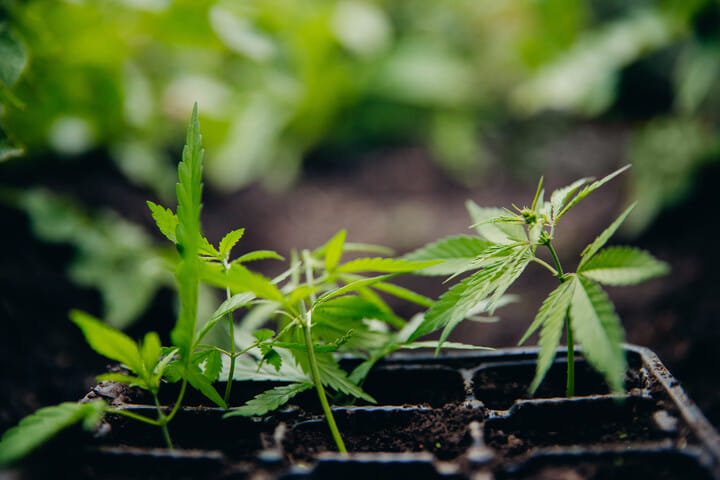
Acclimating seedlings to the greenhouse environment helps protect them from varying temperatures. Over several weeks, it’s best to gradually extend the time that seedlings spend in the greenhouse starting with a few hours at a time, which can help minimize stress.
Before transplanting, it is optimal for seedlings to grow multiple sets of leaves as this indicates they are more likely to adjust well once moved.
Monitoring and Maintaining Plant Health
Maintaining a stable microclimate within a greenhouse is necessary for the well-being of plants and can result in more abundant yields. Unlike outdoor cultivation, which exposes crops to harsh weather conditions and threats from animals, greenhouse cultivation allows for extended growing seasons and more manageable farming practices. To keep temperatures steady and safeguard the health of cannabis crops, it’s essential to perform routine checks and maintain diligent care.
Vigilant oversight of plant conditions coupled with tailored adjustments in growing techniques enables growers to maintain ideal environments. Temperature fluctuations can significantly impact plant health and yield, making it vital to regulate temperature and humidity for optimal growth. This proactive approach helps ward off potential problems that may impede plant development and productivity.
Regular Inspections
When growing cannabis, it’s vital to make frequent checks for pests and various problems. It’s important to keep an eye on plants for any indications of stress or illness. To avoid overwatering and root rot, ensure soil moisture levels are properly monitored.
Maintaining a clean environment within your greenhouse is key in safeguarding your plants against pests and diseases. Using sterile soil and containers can aid in warding off both diseases and pests from taking hold in the greenhouse.
Pruning and Training
To enhance light access and air movement for cannabis plants, employing pruning and training techniques is key. These methods facilitate an even distribution of light and promote proper airflow around the plants. When cannabis plants grow too tall or thin, it’s crucial to apply training or pruning or bending tactics to maintain their health.
The implementation of various training strategies is vital in optimizing harvests and effectively controlling plant growth across different cultivation practices.
Harvesting and Curing Cannabis
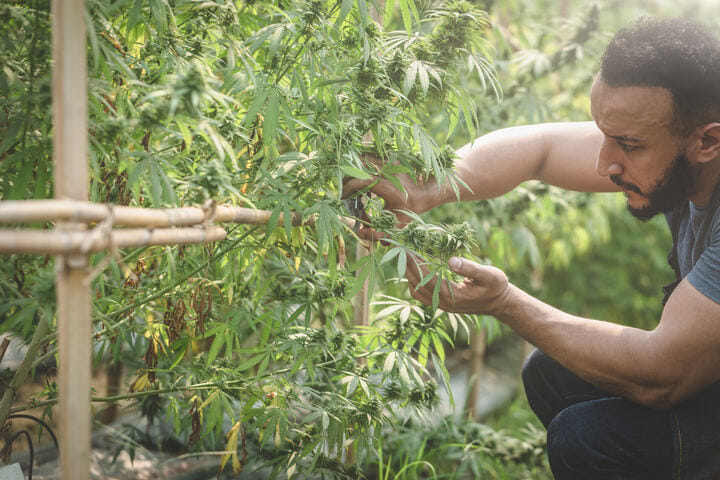
Harvesting and curing cannabis are the final steps to ensure high-quality potent buds. Proper techniques in these stages maximize potency and flavor.
Staggered harvesting ensures a continuous supply and efficient management of drying and curing.
Further Reading: Optimizing A Two-Step Harvest: Maximizing Yields From Top To Bottom
Determining Harvest Time
Examining the hue of trichomes and pistils is crucial for deciding when to harvest cannabis within a greenhouse setting. Observing the coloration of trichomes assists in pinpointing the ideal time for harvesting.
The timing for harvesting cannabis is affected by both the strain type and environmental growth factors. Harvesting at just the right moment is key to enhancing both potency and taste profile of cannabis.
Drying and Curing
Drying and curing develop the flavor and retain the potency of cannabis flowers. Hang the branches upside down in a dark room. Ensure it is well-ventilated and leave them for 7-14 days. Place dried buds in airtight jars, open them daily for moisture release, and cure for 2-4 weeks.
Well-executed harvesting and curing yield a premium cannabis experience.
Summary
Greenhouse cannabis growing offers numerous advantages, from a controlled environment and energy efficiency to year-round cultivation and robust yields. By selecting the right location, structure, and equipment, and implementing best practices for climate control, nutrient management, and pest control, growers can achieve high-quality cannabis crops. Additionally, understanding why growing cannabis in a greenhouse is beneficial highlights the optimal conditions and increased profitability that advanced techniques like automated climate control and light deprivation systems provide over other cultivation methods.
In conclusion, mastering greenhouse cannabis growing requires dedication, knowledge, and attention to detail. With the right techniques and strategies, you can enjoy the benefits of a thriving cannabis garden, producing potent and flavorful buds throughout the year.
Happy growing!
Frequently Asked Questions
What common mistake should be avoided when growing weed in a greenhouse?
Avoiding overwatering is crucial when growing weed in a greenhouse, as it can cause root issues and increase the risk of diseases like root rot.
Proper watering practices will help maintain healthy plants.
What is a major cost-saving benefit of using greenhouses for cannabis cultivation?
Using greenhouses for cannabis cultivation significantly cuts annual utility costs by harnessing natural light, ultimately enhancing profitability.
What advantage do automated light deprivation systems provide for greenhouse growers?
Greenhouse cultivators can utilize automated light deprivation technology to control the amount of light plants receive, creating an environment similar to that of indoor grow rooms. This controlled exposure optimizes plant development and quality.
As a result, growers experience increased production and steadier crop output.
What are the essential features that greenhouses must have?
Greenhouses should include adequate sun exposure, ventilation for air circulation, humidity control, pest management systems, water-resistant electrical outlets, and designated areas for tools and fertilizers.
These features are vital for maintaining a thriving growing environment.
What is the ideal temperature range for growing weed in a greenhouse?
The optimal temperature range for cultivating weed in a greenhouse is 70-85°F (21-29°C) during the day and 55-75°F (13-24°C) at night.
Maintaining these temperatures will promote healthy growth and yield.


