
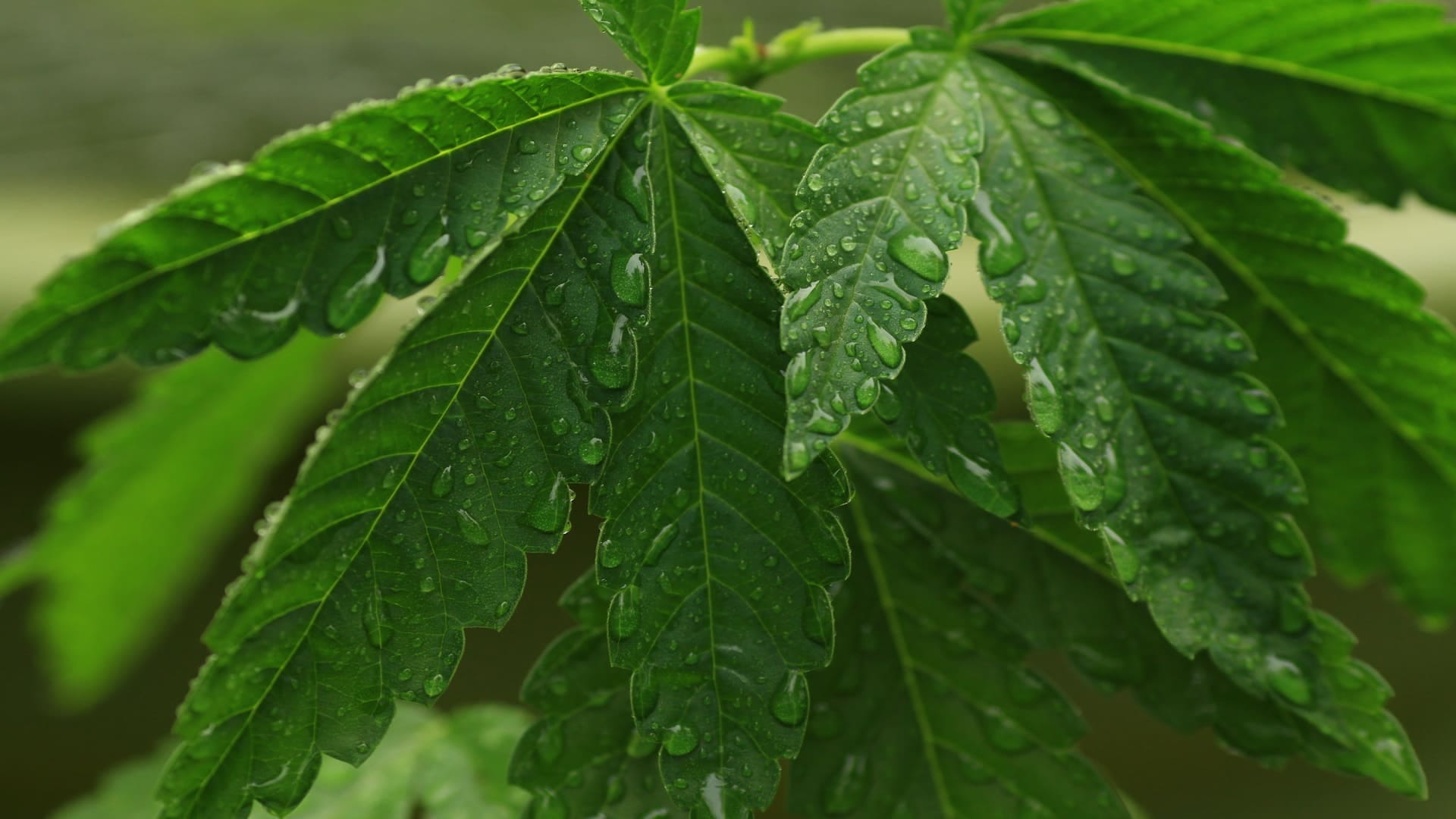

When growing cannabis outdoors, many growers face the decision of where to grow their plants depending on water access. But depending on where you live, you may be able to rely completely on rainwater. In this article, we will explore how farmers around the world utilise natural rainfall to meet the water demands of their cannabis plants. From rainwater catchment to dry farming, there are several ways to water your plants more sustainably.

Why Water Quality Matters When You Water Cannabis Plants
Water is the most important element to all carbon-based life forms. Our planet is roughly 71% water, our bodies are roughly 70% water, and plants are also made up of 70% water. This reflection is a fractal and part of the ancient wisdom known as the Hermetic Law, "as above, so below." The idea that the universe replicates itself from the micro to the macro scale is an excellent tool for all humans and growers.
When we ask ourselves why water is so important for our plants, we can also compare the answers we give to ourselves and those we give the planet. Comparing our plants to our own lives and universal systems helps us create a stronger connection to nature.
What Happens in the Root Zone When You Water Cannabis Plants?
When we water our plants, we are doing more than supplying them with hydrogen and oxygen. We are also giving the microbial community access to water, solubilising nutrient minerals in the soil matrix, and reducing salt buildup and potentially creating nutrient runoff.
Microbes Need Water
Microbes need water just like we do. In fact, certain microbes, such as protozoa, will encyst until water is available, preserving their life until the environment is suitable. Fungi, such as mycorrhizae, thrive in moist environments and help transmit information via terpenes and nutrients to various organisms, including our plants.
Watering Can Flush Minerals
Salt can naturally accumulate depending on soil type and location, or it can be added through synthetic fertilizers. The hydrogen molecule in water breaks ionic bonds and helps flush them from the media. This is known as flushing. It can be a good thing, or it can result in run-off, which washes away water-soluble nutrients like Nitrogen. Water is an excellent solvent, and because it can carry nutrients, it’s important to assess the quality of your water and what is present in it.
Further Reading:Flushing Cannabis

The Hidden Problems in Tap Water: Chlorine & Other Minerals
The most common source of water is tap water, and unfortunately, it isn’t necessarily the cleanest or safest for our plants or us. Tap water contains chlorine and chloramine, which are used to kill bacteria. In large quantities, this can disrupt the soil microbiome and, as such, should be treated with humic acid. Chlorine will naturally off-gas after being exposed to oxygen, but chloramine needs to attach to a humic or fulvic molecule, found abundantly in compost Considering these minerals aren't safe for our plants, what else could be present that is unsafe for human consumption?
Many tap water sources add fluoride to the water to “help” with cavities. Unfortunately, fluoride accumulates on the human pineal gland, which is our third eye, the source of endogenous DMT production, and is closely involved with the endocannabinoid system.
Hard Water & Salt Build Up
Other minerals, such as calcium, iron, and manganese, or other cations, can accumulate in “hard water”, but that typically isn't a problem and can, in fact, provide your plant with essential nutrients. When water is hard, homes are often equipped with water softeners that use salts to bind minerals and prevent them from building up on appliances. This salt then accumulates in your soil, potentially causing issues such as osmotic stress or nutrient lockout.
Further Reading:How Do I Fix Nutrient Lockout?
Many growers using tap water are looking for alternatives, which is why they are turning to rainwater.
Why Rainwater Is One of the Best Ways to Water Cannabis Plants
Rainwater is one of the most balanced and biologically compatible sources you can use to water cannabis plants. Unlike municipal tap water, rainwater is naturally soft, meaning it contains very low levels of dissolved salts and heavy mineral content. This reduces the risk of calcium buildup, sodium accumulation, and long-term soil compaction. Because it falls from the atmosphere without being treated with chlorine or chloramine, it does not disrupt the delicate microbial communities that underpin healthy soil systems.

Acidic Rain for Watering Cannabis Plants
Rainwater also tends to be slightly acidic, which aligns beautifully with the ideal pH range cannabis prefers for nutrient uptake. This mild acidity improves mineral availability without the need for aggressive pH adjustment. For growers cultivating in living soil or regenerative systems, rainwater supports fungal networks and microbial diversity without shocking them with disinfectants or excess dissolved solids.
In many ways, rainwater is the original irrigation system. Cannabis evolved outdoors, relying on seasonal rainfall cycles. When you water cannabis plants with collected rainwater, you are mimicking natural ecological rhythms rather than forcing an artificial input into the system. Over time, this often leads to more balanced nutrient cycling, less salt buildup, and a healthier, more resilient root zone.
How to Collect Rainwater to Water Cannabis Plants Safely
If you plan to water cannabis plants with rainwater consistently, building a simple and safe collection system is essential. Fortunately, rainwater harvesting can be as straightforward or as sophisticated as you choose to make it.
The most common method begins with roof catchment. When rain falls on a roof, it naturally funnels into gutters and downspouts. By redirecting that downspout into a collection barrel or tank, you can capture hundreds, sometimes thousands of gallons of water over a season. Metal roofing is generally preferred for clean catchment, while older asphalt shingles may release small particles over time. Regardless of roofing type, keeping gutters clean is one of the most important maintenance steps.
Rain Water Storage Containers
Food-safe barrels or tanks are strongly recommended, especially if you plan to water cannabis plants in living soil systems. Containers previously used for food storage (such as food-grade polyethene drums) are ideal. Avoid barrels that held chemicals or unknown substances, as residues can leach into your water supply.
First Flush Diverter: Remove Dust and Particulates
A first flush diverter is another valuable addition. This simple device captures the initial runoff from your roof, which may contain dust, pollen, bird droppings, or debris, and diverts it away from your storage tank. After the first flush, cleaner rainwater flows into your main container. This small upgrade dramatically improves water quality with minimal effort.
For growers in drier regions, larger cisterns or linked barrel systems can expand storage capacity. Gravity-fed setups can even eliminate the need for pumps, allowing you to water cannabis plants efficiently and sustainably.
How to Store Rainwater Properly
Once collected, proper storage ensures your rainwater remains clean and biologically active rather than stagnant and anaerobic.
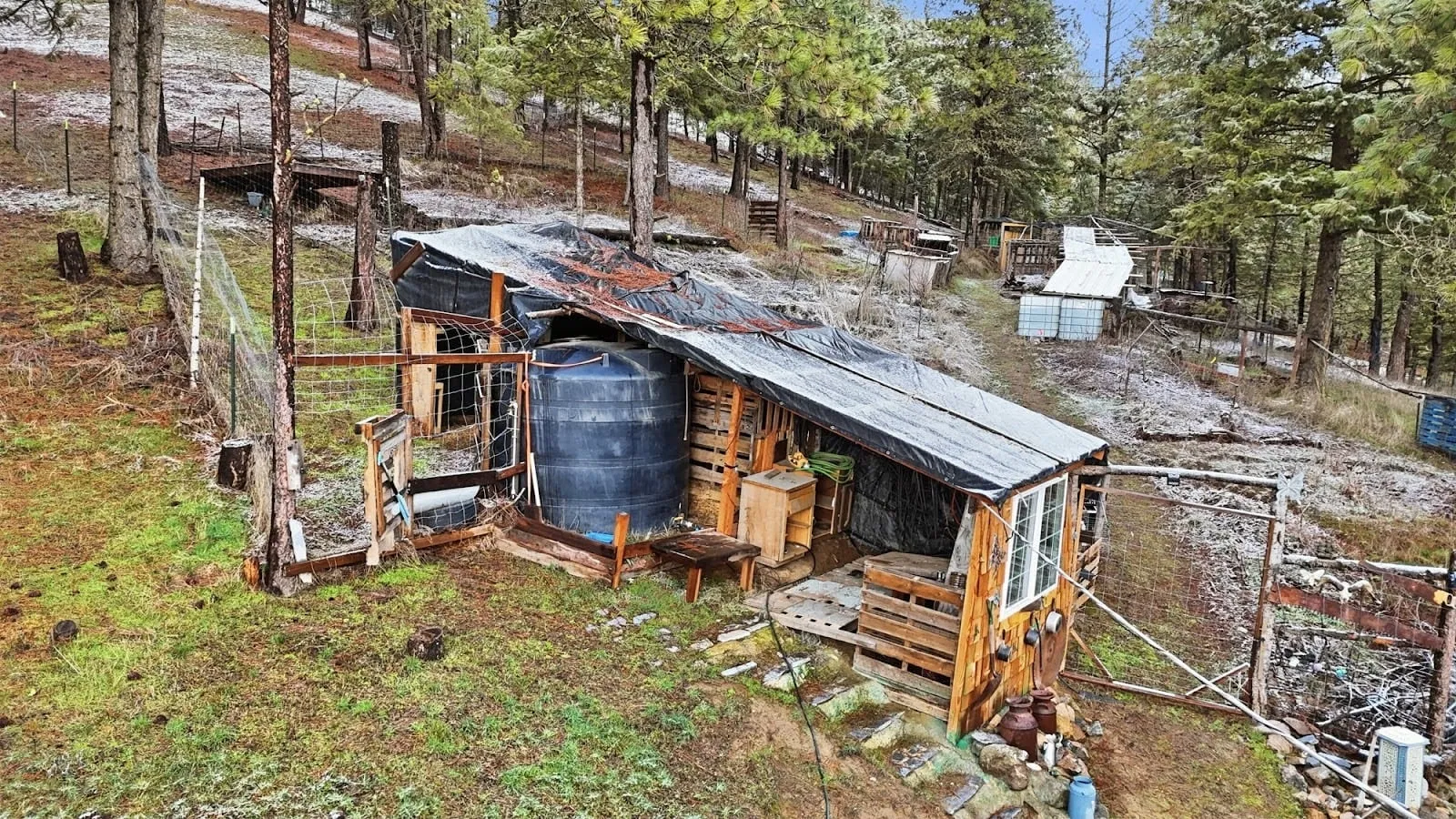
Preventing algae growth is largely about limiting light exposure. Algae require sunlight to thrive, so opaque tanks or covered barrels are essential. Even wrapping translucent barrels in dark material can significantly reduce growth. Some people swear by adding a piece of copper wire to their barrels to reduce bacterial growth.
Avoiding mosquito breeding is equally important. Screens over inlet holes and tightly sealed lids prevent insects from accessing standing water. In areas where mosquitoes are persistent, adding mosquito dunks containing Bacillus thuringiensis israelensis (BTI) can control larvae without harming plants.
Aeration can also improve stored rainwater quality. When water sits still for extended periods, it can lose dissolved oxygen. Simple aeration methods, such as occasionally stirring the water, using a small pond pump, or allowing gravity-fed movement between tanks, help maintain oxygen levels.
Should You Test Rainwater Before You Water Cannabis Plants?
Although rainwater is naturally cleaner than many municipal sources, testing is still wise, particularly if you live in an urban or industrial area.
pH Testing
A simple pH test can confirm whether your collected rainwater falls within the optimal range for cannabis cultivation (generally between 6.0–6.8 in soil). Rainwater is often slightly acidic, which benefits nutrient uptake, but environmental pollution can sometimes shift that balance.
Total Dissolved Solids or Electrical Conductivity Testing
Testing TDS (Total Dissolved Solids) or EC (Electrical Conductivity) gives insight into mineral content. Ideally, rainwater will have very low dissolved solids, making it excellent for preventing salt buildup in soil. However, dust, atmospheric particles, or roofing materials may slightly increase readings.
Regular testing builds confidence. When you water cannabis plants with water you’ve tested yourself, you understand exactly what you are introducing into the root zone, empowering you to grow more intentionally and sustainably.
Further Reading:What's The Best Water To Use For Cannabis Plants?
Risks and Mistakes to Avoid When You Water Cannabis Plants with Rainwater
While rainwater is one of the best ways to water cannabis plants, there are still considerations growers should keep in mind.
Contaminated roofing materials are one potential issue. Older roofs, treated wood shingles, or surfaces exposed to industrial fallout may introduce unwanted residues into collected water. Regular gutter cleaning and the use of first-flush diverters significantly reduce this risk.
Heavy metals can also accumulate in urban or industrial environments. Although rainwater is naturally soft, atmospheric pollutants can slightly alter its composition. Periodic testing provides peace of mind, especially in densely populated areas.
Rainwater offers enormous benefits, but like all tools in cultivation, it works best when paired with observation and intention.
Sustainable Irrigation Systems Using Rainwater
Once you decide to water cannabis plants with harvested water, irrigation design becomes the next opportunity for efficiency gains. You can really optimize your garden with irrigation.

Gravity-Fed Irrigation Systems
Gravity-fed systems use elevation instead of electricity. By placing tanks uphill or on raised platforms, water flows naturally through hoses or drip lines. This reduces energy use, simplifies infrastructure, and mirrors the passive principles of regenerative agriculture.
Drip Systems With Rainwater Tanks
Drip irrigation connected to rainwater tanks delivers water directly to the root zone. This minimizes evaporation and runoff while maintaining consistent soil moisture. Drip systems are especially effective for larger outdoor grows where hand watering would be inefficient.
Closed-Loop Homestead Systems
For growers seeking maximum sustainability, closed-loop systems integrate rainwater harvesting, composting, and soil building into one cohesive cycle. Water is captured, used, filtered through soil, and returned to the ecosystem rather than lost as runoff.
These systems reduce water waste, increase self-sufficiency, and build resilience in uncertain climates. They represent a shift from simply watering cannabis plants to designing entire ecosystems that support them.
Dry Farming: Watering Cannabis Without Irrigation
After exploring rainwater harvesting and sustainable irrigation systems, there is one final approach worth considering: growing cannabis without any supplemental watering.

Dry farming is not about deprivation. It is about design.
In regions with reliable winter or early spring rainfall, growers can prepare the soil to store enough moisture to carry plants through the growing season. Instead of relying on hoses, tanks, or pumps to water cannabis plants, the soil itself becomes the reservoir.
The foundation of dry farming is deep soil preparation. Before planting, the ground is loosened extensively to improve infiltration. Large amounts of compost and organic matter are incorporated to increase water-holding capacity. Healthy soil rich in humus can hold several times its weight in water. This stored moisture becomes available to roots long after surface soil appears dry.
Hugelkultur for Stored Water
One of the most effective permaculture techniques used in dry farming is hugelkultur. By burying logs, branches, and woody debris beneath planting beds, growers create underground sponges. As the wood decomposes, it absorbs rainfall and slowly releases it back into the surrounding soil. Cannabis roots can tap into this moisture reserve during dry periods, dramatically reducing the need to manually water cannabis plants.
Swales and Contours
Swales are another powerful landscape design strategy. Dug along the natural contour of the land, swales capture rainfall and prevent it from running off. Water collects in these shallow trenches and gradually infiltrates deep into the soil profile. Instead of losing precious rain to erosion, the land itself becomes hydrated from below.
Mulching
Mulching is essential in dry farming systems. A thick layer of straw, wood chips, leaves, or living groundcover protects the soil from direct sunlight and wind. Without mulch, evaporation quickly pulls moisture from the upper soil layers. With mulch, soil temperatures remain cooler, fungal networks remain intact, and microbial life continues to cycle nutrients efficiently. In many cases, proper mulching alone can reduce irrigation needs by more than half.

Cover Crops
Some dry farmers also incorporate cover crops to improve soil structure. Deep-rooted species break up compaction, increase infiltration, and leave behind organic matter when terminated. Over time, soil becomes increasingly capable of capturing and retaining natural rainfall.
Dry farming does require patience and observation. Plants may grow slightly slower early in the season as roots stretch deeper in search of moisture. But that deeper root system often results in stronger, more resilient plants that express their terroir more intensely. Many growers report exceptional terpene profiles and concentrated cannabinoid expression from dry-farmed cannabis.
Perhaps most importantly, dry farming shifts the mindset from “How often should I water cannabis plants?” to “How can I design my soil so I don’t have to?”
It is a subtle but profound change.
Conclusion
In a world facing increasing water scarcity and climate uncertainty, learning how to water cannabis plants sustainably is no longer just a cultivation technique. It is an ecological responsibility. Whether you collect rainwater or design soil systems that naturally store moisture, each approach strengthens your connection to the land and builds resilience into your garden.
And ultimately, the healthiest cannabis plants are grown not by forcing inputs, but by understanding water as the living bridge between soil, plant, and planet.
Frequently Asked Questions About How to Water Cannabis Plants with Rainwater
1. Can you water cannabis plants with rainwater?
Yes, rainwater is one of the best ways to water cannabis plants because it is naturally soft, low in dissolved salts, and free from chlorine that can disrupt soil biology.
2. Do you need to adjust the pH of rainwater before you water cannabis plants?
Rainwater is typically slightly acidic and often falls within an ideal range for soil-grown cannabis, but testing is recommended to ensure consistency.
3. How long can you store rainwater before using it on cannabis plants?
If stored in a sealed, opaque container and kept cool, rainwater can remain usable for several weeks, though periodic oxygen exchange helps maintain quality.
4. Can rainwater improve soil health when you water cannabis plants?
Yes, because it contains minimal dissolved salts and no disinfectants, rainwater supports beneficial microbes and helps prevent long-term mineral buildup.
5. Is it possible to grow cannabis without watering at all?
In certain climates, dry farming techniques like deep soil preparation, mulch, and water-retaining landscape design can significantly reduce — or even eliminate — the need to water cannabis plants during the season.