
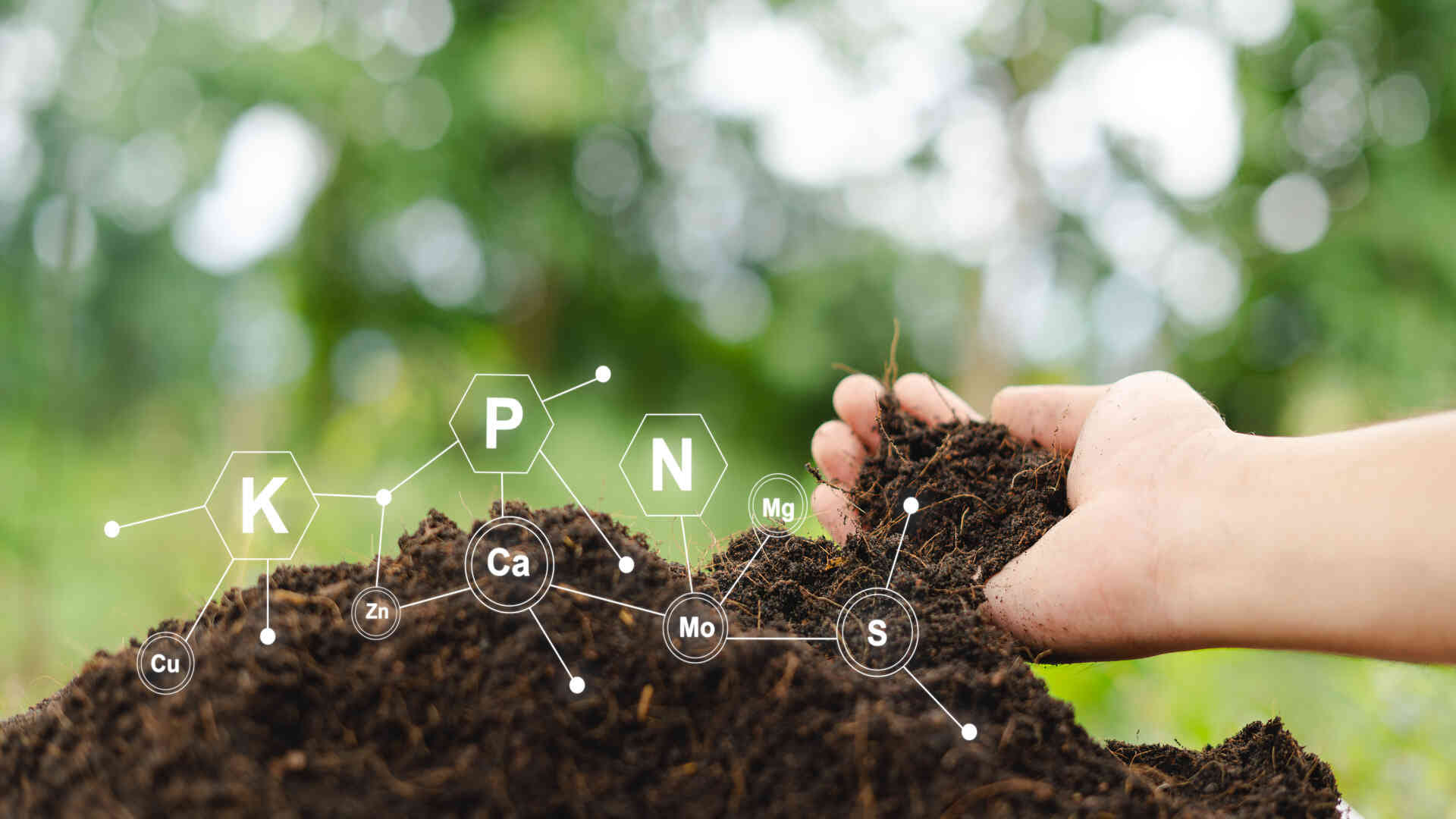

How do I fix nutrient lockout in cannabis plants? Nutrient lockout prevents essential nutrient absorption, stunting growth and harming plant health. Improper pH levels and excessive nutrient feeding can cause nutrient lock, inhibiting plants' ability to absorb necessary nutrients. In this article, you’ll learn to identify symptoms, flush with pH-balanced water, and adjust pH levels. Follow our steps to restore your plants’ vitality.

when you avoid nutrient lockout
Key Takeaways
- Nutrient lockout happens when cannabis plants can’t absorb necessary nutrients, often due to pH imbalances or over-fertilisation, under-fertilisation, leading to deficiencies and stunted growth.
- Immediate actions, such as leaching with pH-balanced water and adjusting pH levels, are crucial for effectively addressing nutrient lockout and restoring plant health.
- Regular monitoring of pH and nutrient levels, along with proper fertigation techniques, can prevent future nutrient lockout and ensure healthy cannabis growth.
- Organic nutrients, derived from natural sources, improve soil structure and are milder on plants compared to synthetic nutrients. However, they can take longer to provide nutrients and can be more expensive. Both organic and synthetic nutrients can contribute to nutrient lockout if soil conditions are not properly monitored.
Understanding Nutrient Lockout
When cannabis plants are unable to absorb the necessary nutrients from their growing medium, this is known as nutrient lockout. It can be caused by various issues, including pH imbalance, excess fertilization, or excess competing nutrients that interfere with proper nutrient uptake. These issues can lead to nutrient lockout, where improper pH levels and excessive nutrient feeding inhibit the plants' ability to absorb essential nutrients. The resulting effects of such a lockout inhibit growth and, if not corrected promptly, lead to low harvest weight.
It’s crucial for growers to identify the onset of nutrient lockout quickly. Taking swift action prevents further harm so that you harvest heavy. Early detection along with timely interventions will support the plants’ recovery process and help sustain crop output.
Definition of Nutrient Lockout
Nutrient lockout is a condition where cannabis plants are unable to absorb essential nutrients from the growing medium, despite their availability. This can occur due to various factors, including pH imbalances, excess nutrients, and nutrient deficiencies. When nutrient lockout occurs, it can lead to stunted growth, yellowing leaves, reduced flowering, and poor overall plant health. Understanding the causes and symptoms of nutrient lockout is fundamental for growers to take quick corrective actions and ensure their cannabis plants thrive.
What Causes Nutrient Lockout?
Nutrient lockout in cannabis can be triggered by multiple factors. When the pH levels in the growing medium are not balanced, it impedes the plants’ ability to absorb crucial nutrients, resulting in deficiencies. When over-fertilization occurs, an accumulation of surplus nutrients forms salts that interfere with nutrient uptake.
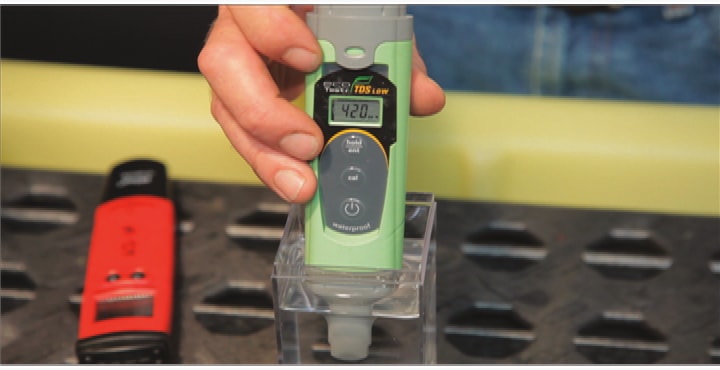
(PPM) is a measure of the total strength of the fertiliser.
Both organic nutrients and synthetic nutrients can contribute to nutrient lockout if not properly managed. Excessive watering can play a role. It limits oxygen availability to roots, which is vital for proper nutrient absorption and can lead to nutrient lockout as well. Identifying these contributing elements allows growers to address and remedy nutrient lockout efficiently so that their cannabis plants receive adequate nutrition for optimal growth.
Nutrient Lockout vs. Nutrient Deficiency
While nutrient lockout and nutrient deficiency share similar symptoms, they are distinct issues that require different solutions. Nutrient deficiency occurs when the growing medium lacks essential nutrients, leading to visible signs of poor plant health. On the other hand, nutrient lockout occurs when the plant is unable to absorb available nutrients due to factors like pH imbalances or excess nutrients. Identifying whether the issue is a nutrient deficiency or nutrient lockout is crucial for implementing the correct solution and restoring plant health.
Identifying Nutrient Lockout Symptoms
Before: Promptly identifying nutrient lockout is key. Common symptoms include yellowing leaves, discoloration, curling, and burnt tips, which can be mistaken for nutrient deficiencies. Accurate diagnosis is crucial.
After: Common symptoms of nutrient lockout include:
- Yellowing leaves
- Discoloration
- Curling
- Burnt tips
Accurate diagnosis is crucial.
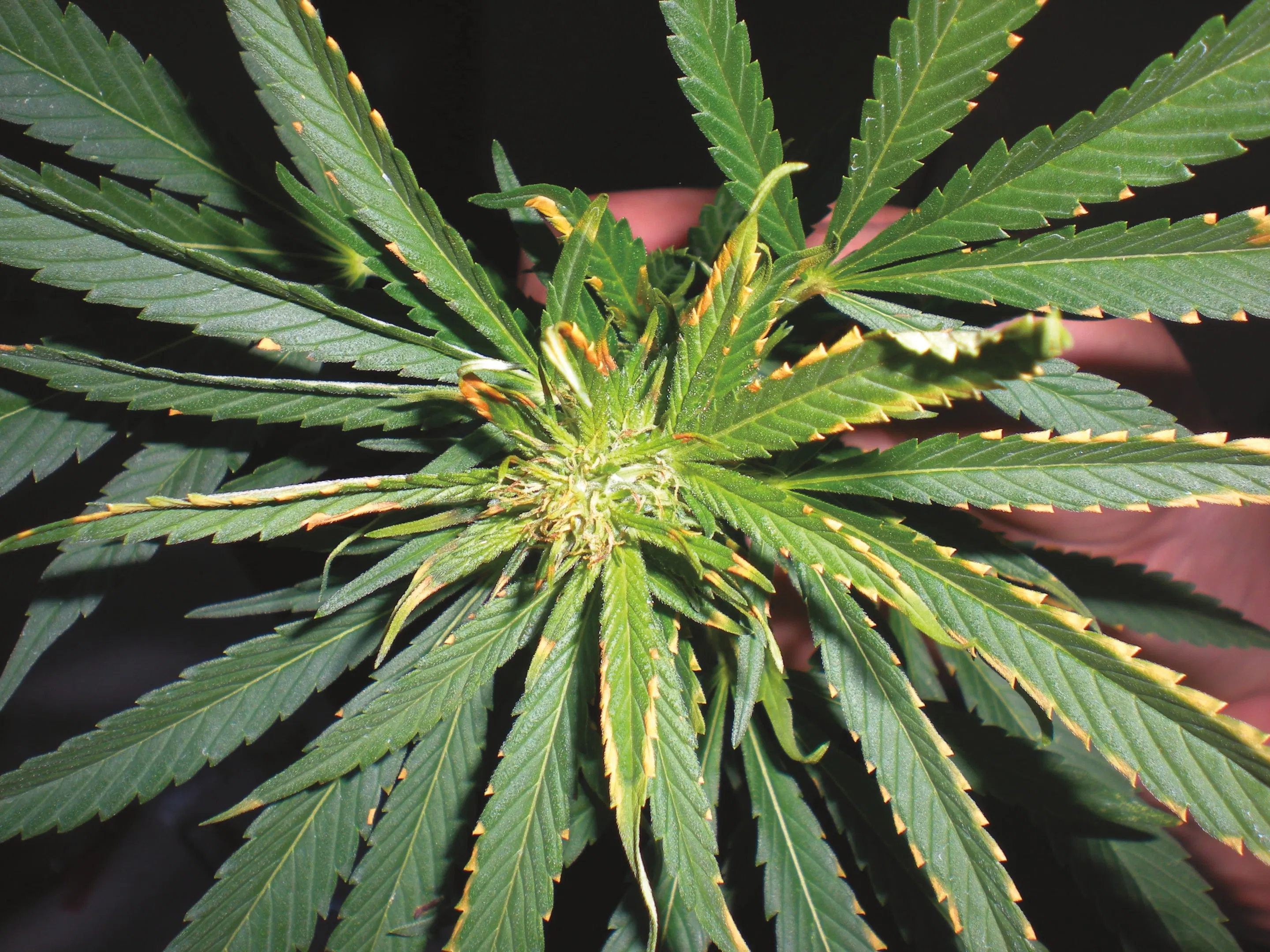
Without key minerals, plants may show poor health, stunted growth, nutrient deficiency, and reduced flowering. Recognizing these signs allows growers to take steps to fix nutrient lockout and restore plant health.
Immediate Steps to Fix Nutrient Lockout
When you recognize nutrient lockout, it’s imperative to act quickly to avert additional harm. Look for indications such as leaves turning yellow and hindered growth. To re-establish the absorption of nutrients, leach the growing medium with three times as much water balanced for pH as the volume of soil to eliminate excess fertiliser salts.
Letting the medium dry about half way before adding nutrients again will help use absorbed nutrients and speed growth.
Leaching with pH-Balanced Water
Leaching with pH-balanced water is crucial for treating nutrient lockout. Excess nutrients accumulate as salts in the medium, leading to nutrient lockout. Leaching substrate removes these salts and restores optimal pH. Gradual leaching avoids additional plant stress.
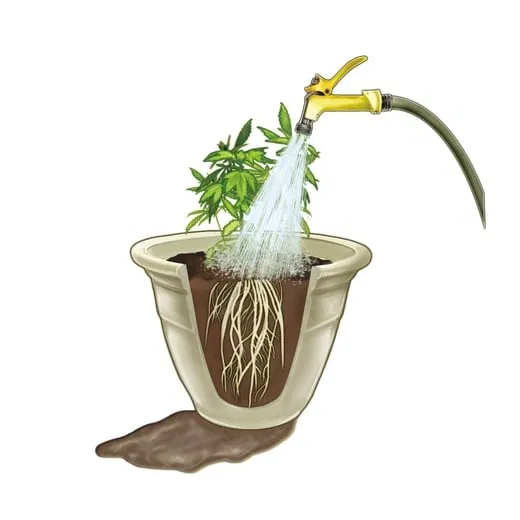
Using reverse osmosis (RO) water during leaching increases pH control. Monitoring the medium or runoff pH after each leaching ensures effective treatment.
Adjusting pH Levels
Modifying the pH levels is essential to rectifying nutrient lockout conditions. To remedy these imbalances, one can employ products such as pH Up or pH Down solutions or opt for natural options like lemon juice and baking soda. All pH controls should be used sparingly to prevent excessive adjustment.
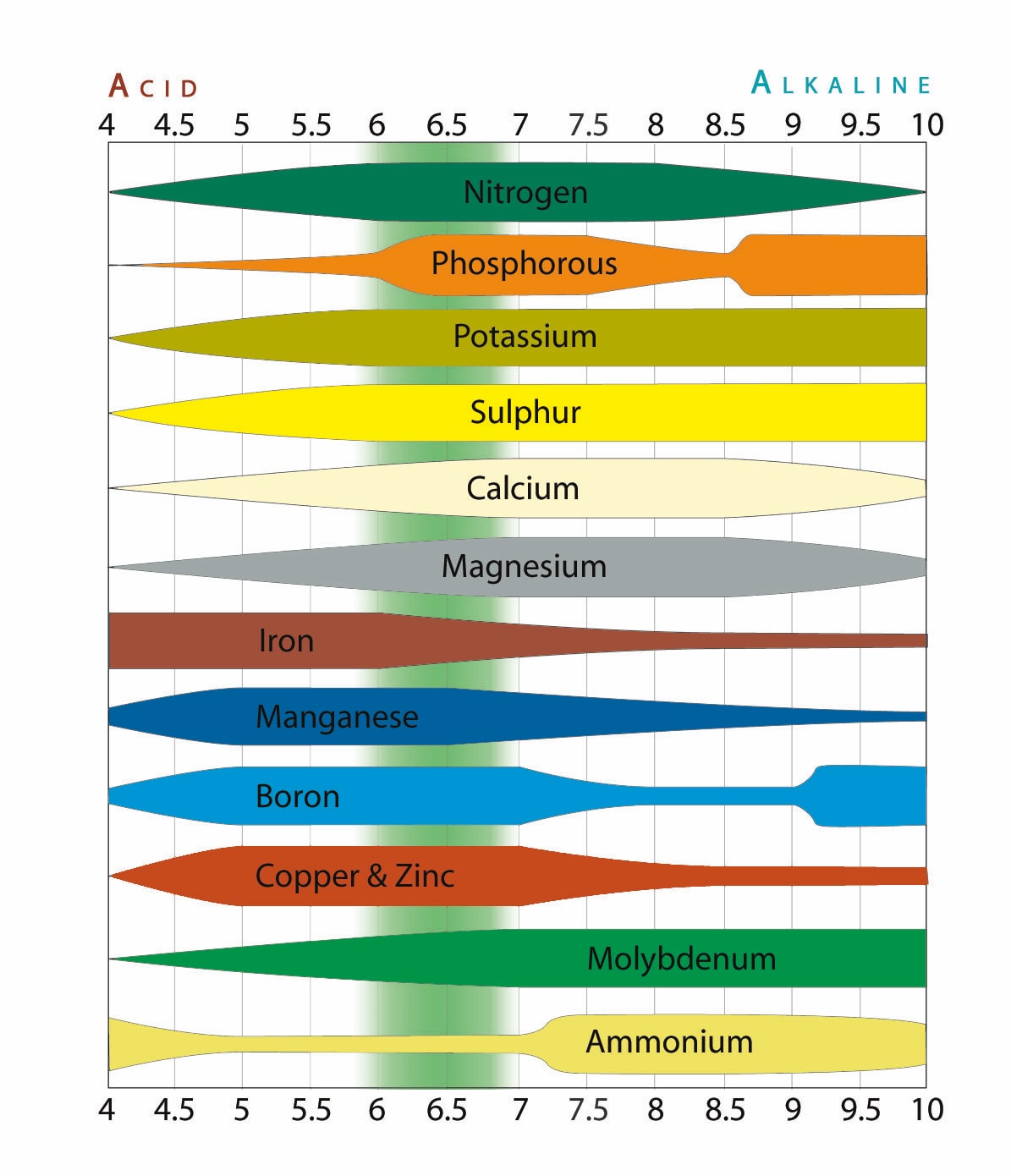
If pH is causing ongoing difficulties, it is advisable to calibrate and check the accuracy of your pH meters to pinpoint the issue. Maintaining an accurate pH balance is key to ensuring that nutrients remain accessible and averting potential future pH problems.
Treating Nutrient Lockout in Different Mediums
Nutrient lockout can affect various growing mediums, each requiring a specific solution. To treat nutrient lockout successfully, it is crucial to comprehend the distinct intricacies of mediums such as soil, hydroponic systems, or coco coir.
Because different mediums possess unique properties that impact the availability and absorption of nutrients, customizing your strategy for each medium is key to efficiently addressing nutrient lockout while ensuring optimal plant growth and maintaining perfect nutrient balance.
Soil Grows
To treat nutrient lockout in soil, first test the pH. The ideal range for cannabis growth in soil is 6.0 to 7.0. Leach the soil with pH-adjusted water to remove excess salts and restore nutrient availability.
Natural amendments like sulfur, compost, manure, or alfalfa meal can lower soil pH outdoors if necessary. For high pH levels, products like fine dolomite lime can help adjust.
Hydroponic Systems
The pH of the water in the reservoir is essential to addressing nutrient lockout in hydroponic setups. The system must be completely cleaned to eliminate any accumulation of nutrient salts. Hydroponically grown cannabis performs best when the pH level is maintained between 5.5 and 6.5.
Preventive measures against nutrient buildup—which can cause lockout—include routine cleansing and changing reservoir water. It is also important to keep an eye the Electrical Conductivity (EC) or Parts Per Million (PPM) levels and ensure that water temperature remains stable too, as these factors play a pivotal role in averting nutrient lockout issues.
Coco Coir
Coco coir provides excellent aeration and drainage, aiding nutrient management. Regular pH and electrical conductivity (EC) measurements in coco coir systems help prevent nutrient lockout. Leaching with pH-balanced water maintains nutrient availability and prevents lockout.
Coco coir's near-neutral pH and lack of inherent nutrients allow for precise nutrient control, making it easier to avoid lockout.
Reintroducing Nutrients After Lockout
After treating nutrient lockout, gradually reintroduce nutrients to avoid overwhelming recovering plants. The optimal pH range for normal feeding varies with the medium: 5.5 to 6.5 for hydro or coco, and 6.0 to 6.8 for soil.
Stable environmental conditions and careful monitoring of feeding and pH levels support recovery. New, healthier growth is a sign of recovery. Recovery time varies but typically takes a couple of weeks, depending on severity.
Using Chelated Nutrients
Chelated nutrients prevent nutrient lockout because they are readily available to roots for absorption. These nutrients increase nutrient uptake and resist lockout. Nutrient chelates prevent precipitation (settling out) in soil, ensuring nutrients remain accessible to plants.
Using chelated nutrients helps maintain efficient nutrient uptake and overall plant health and allows plants to absorb nutrients effectively.
Foliar Feeding
Spraying a water-soluble nutrient solution directly on plant foliage constitutes foliar feeding. This technique allows for swift uptake and circumvents problems associated with soil, promptly correcting any nutrient deficiencies. Plants under stress can gain an immediate advantage from this technique, as it offers them a rapid infusion of nutrients.
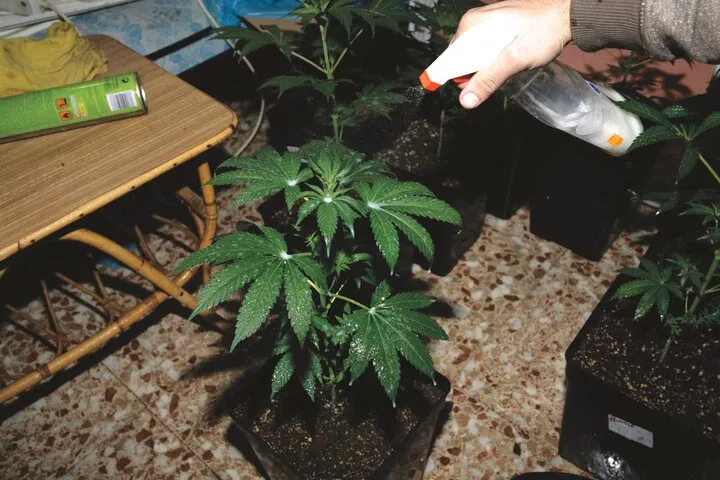
By pruning away irreparable leaves, you encourage the plant to channel its resources into fostering vigorous growth.
Preventing Future Nutrient Lockout
Prevent nutrient lockout by regularly checking and maintaining pH levels, using high-quality nutrients, and practicing consistent feeding. Routine system leaching and cleaning help manage nutrient buildup and prevent lockout.
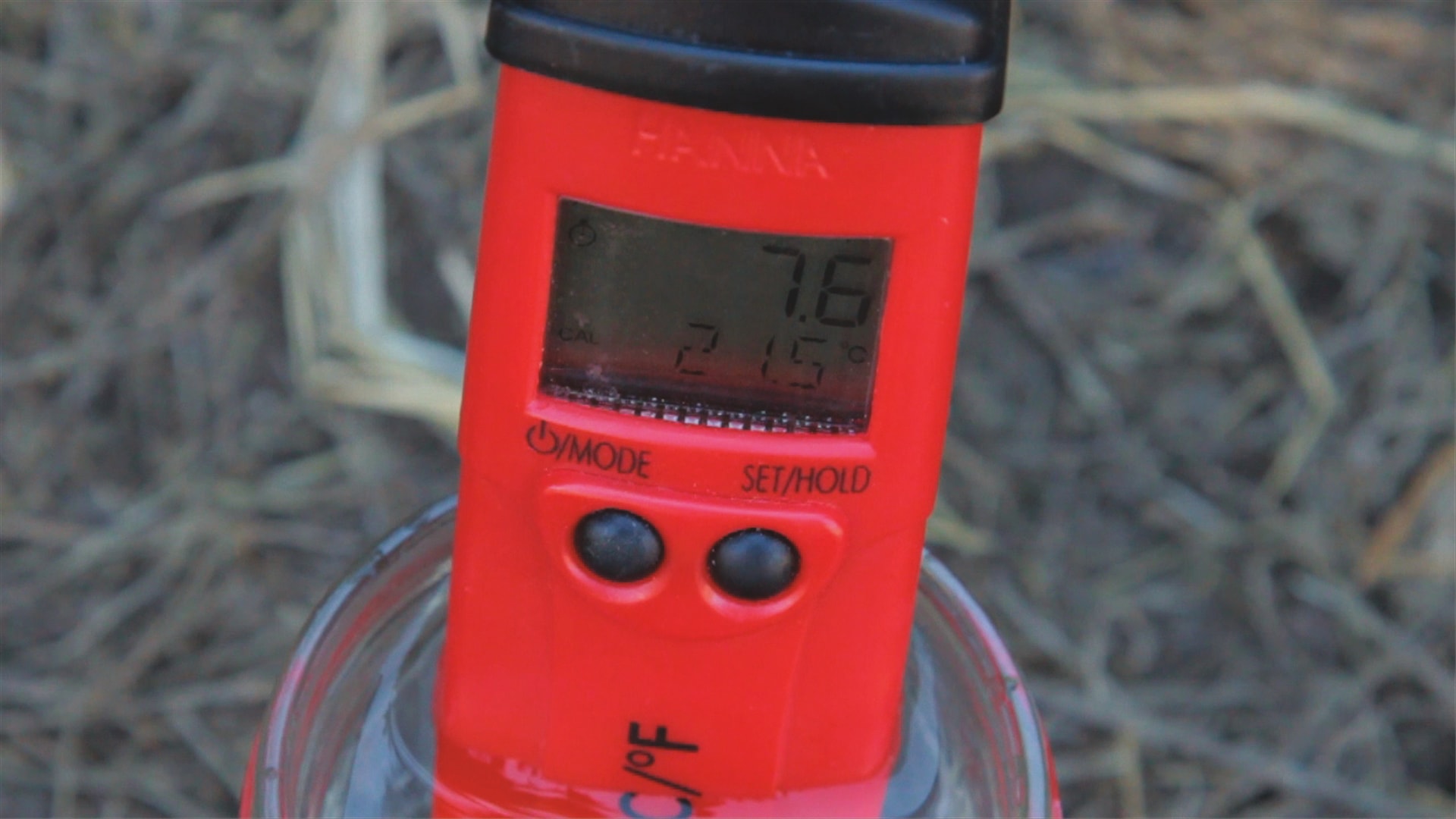
Observing plant signals and making timely adjustments are crucial to avoid nutrient lockout. Being proactive ensures cannabis plants remain healthy and productive.
Regular pH Testing
Regular pH testing is vital as pH directly influences nutrient absorption in cannabis plants. Maintaining the correct pH level ensures plants receive necessary nutrients and prevents nutrient problems. Routine pH testing helps identify and rectify nutrient availability issues caused by pH fluctuations.
Calibrating pH meters ensures accurate measurements for effective pH management.
Proper Fertigation Techniques
Ensuring a balanced delivery of nutrients through an irrigation system is essential for proper fertigation. Balancing the ratios of nutrients provided prevents nutrient deficiencies and excesses. Monitoring moisture content, pH levels, and concentrations of nutrients to avoid lockout maintains optimal growing conditions.
To carry out successful fertigation, it is vital to avoid typical errors, such as incorrect feeding methods or lazy habits.
Proper Watering Techniques to Avoid Nutrient Lockout

Proper watering techniques are crucial in preventing nutrient lockout. Overwatering can lead to nutrient deficiencies by suffocating the roots and reducing their ability to absorb nutrients. Conversely, underwatering can cause nutrient lockout by creating a dry environment that hinders nutrient uptake. To avoid nutrient lockout, use pH-balanced water and ensure the growing medium is moist but not waterlogged. Regularly check the soil pH and adjust as necessary to maintain optimal levels, ensuring your cannabis plants can absorb all the nutrients they need for healthy growth.
Utilizing Beneficial Bacteria
Helpful microbes in the soil boost nutrient cycling, thereby enhancing plant health. These organisms decompose organic material, making nutrients accessible to the plants. A well-balanced ecosystem within the soil fosters microbial activity and encourages robust cannabis flowers.
By integrating these beneficial bacteria into your growing practices, you can help prevent nutrient lockout and bolster general plant hardiness.
Advanced Tips for Managing Nutrient Lockout
Advanced tips for managing nutrient lockout include using nutrient chelates to increase availability. Organic nutrients, derived from natural sources, improve soil structure and are milder on plants, but they can take longer to become available and can be more expensive. Synthetic nutrients, on the other hand, provide immediate availability but can lead to nutrient lockout if not monitored properly. Incorporating beneficial microbes improves nutrient cycling and overall plant health.
Effective nutrient management is essential for preventing and managing nutrient lockout in cannabis plants.
Choosing the Right Soil Type
The capacity of various soil types to retain and release nutrients varies, influencing their availability for plant use. Understanding how different soils relate to nutrient accessibility is essential to avoiding lockout situations.
Traditional living soil, rich in nutrients and native microbial life, emulates a natural ecosystem and fosters robust plant growth.
Recovery and Prevention
Can Cannabis Recover from Nutrient Lockout?
Cannabis plants can recover from nutrient lockout if diagnosed and addressed promptly. To do so, it is essential to identify the underlying cause and take corrective action. This may involve adjusting the pH levels, leaching the growing medium with pH-balanced water, and providing the necessary nutrients. With proper care and attention, cannabis plants can recover from nutrient lockout and resume healthy growth in about two weeks. Checking pH levels and nutrient intake regularly will help prevent future occurrences and ensure your plants remain healthy and productive.
Summary
In summary, tackling the issue of nutrient lockout is essential for cannabis cultivators. Grasping why it happens, recognizing its signs, and knowing how to treat it are crucial steps in handling this problem efficiently. Swift action against nutrient lockout combined with preventative strategies can keep cannabis plants flourishing and fruitful.
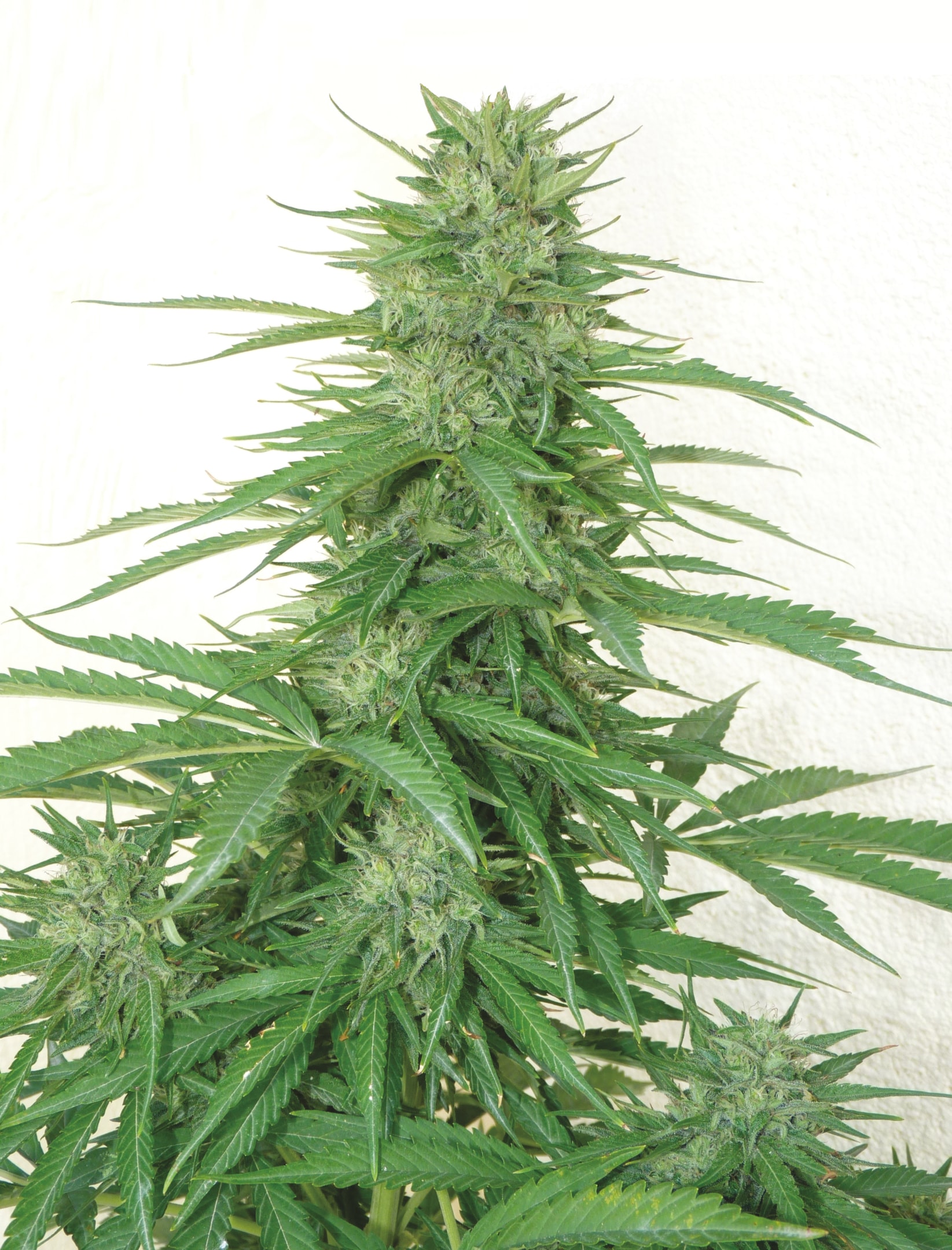
Vigilance about nutrients through consistent pH monitoring, appropriate fertilization practices, and the introduction of beneficial bacteria into the growing environment is pivotal in averting nutrient lockout. By adhering to these tactics, cultivators can foster a prosperous cannabis garden with abundant yield.
Frequently Asked Questions
How do I tell if I have nutrient lockout?
You’ll know your plants have a nutrient lockout if they show stunted growth, yellowing leaves, limp or burned foliage, or discolored foliage.
Watch out for those signs, as they signal the need to reevaluate your nutrient levels.
How do you fix nutrient toxicity?
To fix nutrient toxicity, trim off leaves more than 50% affected and leach soil with plain pH-balanced water to clear out excess nutrients.
This will help your plants bounce back and thrive again.