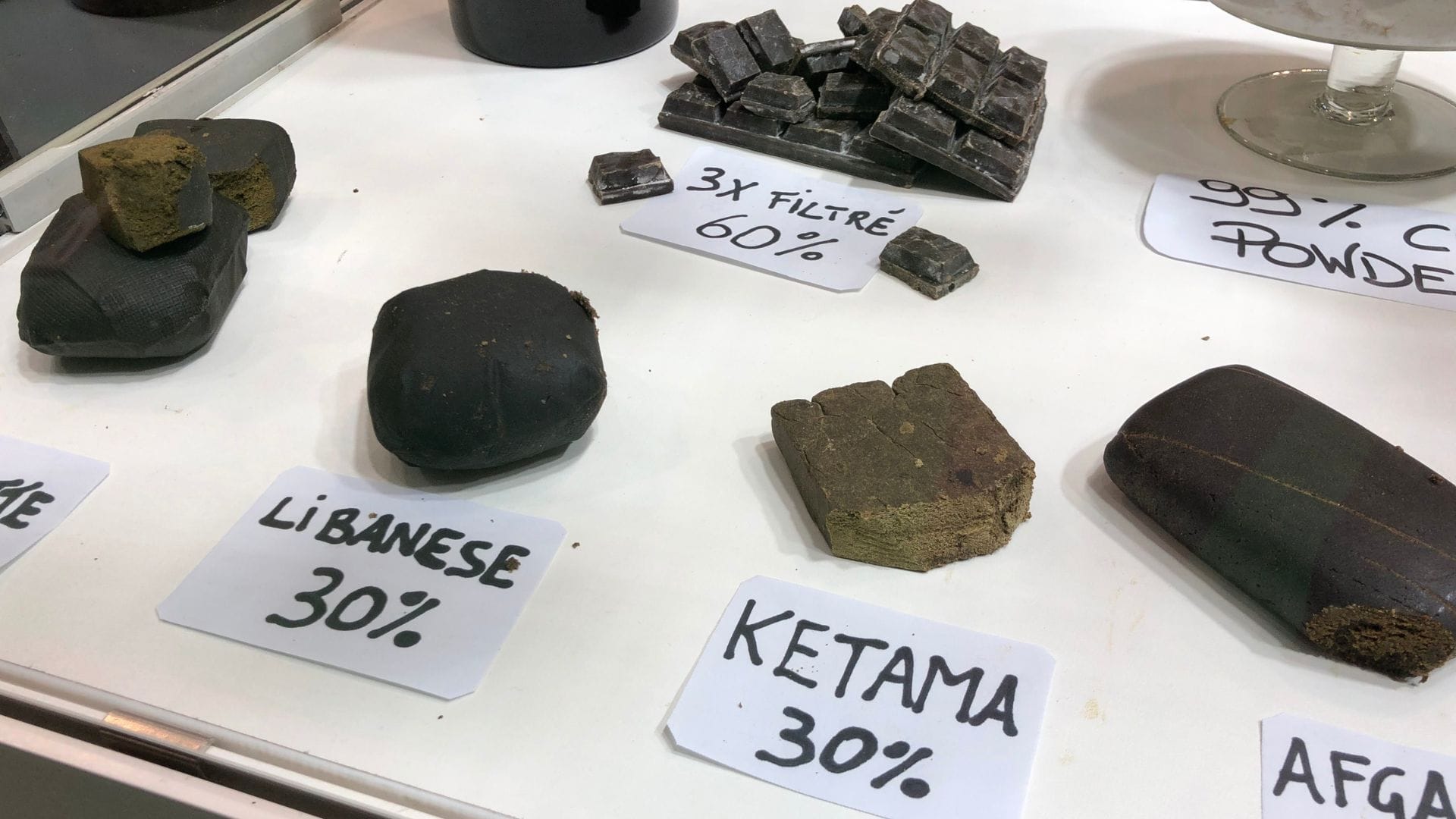
Moroccan hash, also referred to as "kif" or "charas," holds a revered position within the cannabis community, boasting a rich history and a distinctive artisanal quality. Originating from the rugged mountains and verdant valleys of Morocco, this concentrated cannabis product has been cherished for centuries for its potent effects and complex flavor profile. Its journey through time reflects the enduring appeal and cultural significance of cannabis across civilizations. In this introductory article, we'll take a closer look at magical Moroccan hashish, its uses and benefits, and, most importantly for you, a brief, easy guide on how to make Moroccan hash.
History of Moroccan Hash
Moroccan hash traces its origins back to the medieval era, where it emerged as an integral part of North African culture and commerce. The introduction of cannabis to the region by Arab traders in the 9th century laid the foundation for its cultivation and eventual transformation into hashish. Over generations, Moroccan farmers honed their expertise, developing intricate techniques for harvesting and processing cannabis resin. Most cannabis fields were moved to the mountainous Rif area in the north east of the country, allowing farmers and producers to work without interference from the authorities.

Traditionally, Moroccan hash was meticulously crafted by hand, utilizing artisanal methods passed down through oral tradition. Skilled cultivators would carefully select mature female cannabis plants, prized for their abundant trichomes, the resin glands of the plant. These resin-rich flowers were gently rubbed or beaten to dislodge the precious resin, which was then meticulously collected and rolled into dense, aromatic blocks. The resulting hashish, known for its earthy aroma and smooth texture, became a cornerstone of Moroccan culture, revered for its medicinal and recreational properties.
Usage and Benefits of Moroccan Hash
Moroccan hash has long been esteemed for its therapeutic efficacy and euphoric effects. When consumed, it delivers a potent dose of cannabinoids, including THC (tetrahydrocannabinol) and CBD (cannabidiol), which interact with the body's endocannabinoid system to alleviate pain, reduce anxiety, and induce relaxation. Its versatile nature allows for a myriad of consumption methods, catering to the diverse preferences of cannabis enthusiasts.
Beyond its medicinal benefits, Moroccan hash offers a sensory experience that transcends mere intoxication. Its nuanced flavor profile, often characterized by hints of earth, spice, and citrus, reflects the unique terpene profile of the cannabis plant. Each inhalation reveals a sensational combination of flavors, inviting exploration and contemplation. Whether enjoyed alone or shared among friends, Just like smoking cannabis flower with your friends today, Moroccan hash traditionally fostered a sense of camaraderie and connection, uniting individuals in a shared appreciation for the plant's wondrous qualities.

How to Make Moroccan Hash
Crafting Moroccan hash is a labor-intensive process that demands patience, precision, and a deep understanding of cannabis cultivation. While traditional methods involve hand-rolling resin, modern techniques have evolved to incorporate mechanical extraction methods, optimizing efficiency without compromising quality. Here's a step-by-step guide to making Moroccan hash at home:
Select High-Quality Cannabis: Begin with premium-quality cannabis flower, preferably sourced from organic, pesticide-free cultivators. Choose strains known for their resin production and distinctive flavor profile, such as Moroccan landraces or classic hashish varieties.
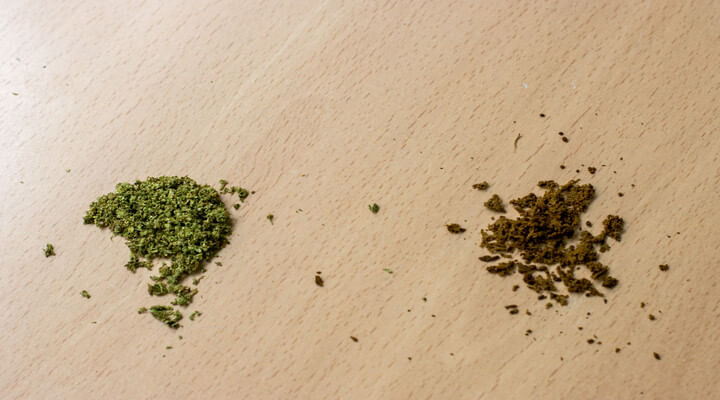
Collect Resin: Break apart the cannabis flower and gently rub the buds over a fine-mesh screen or sieve. This process, known as dry-sifting, separates the resin glands (trichomes) from the plant material, yielding a concentrated form of cannabis resin. In traditional Moroccan hash making, hash makers take a large bowl and cover it with a silk screen or something similar, then place harvested buds on top of the screen before covering everything inside a large plastic bag. Then, a long wooden stick is used to repeatedly beat on the outside of the bag, causing the trichomes to fall off the buds and pass through the silk screen into the bowl below. This method is relatively time-consuming and potentially physically taxing, depending on how many people are involved in this stage of the process. Once this step is complete, the plant matter is put aside and the silk screen is removed to reveal a quantity of kief in the bowl. You may find yourself disappointed by the relatively low return in terms of kief for the amount of plant matter used, but this is a game of quality over quantity.
Once you've sieved your trichomes, you'll end up with a substance similar to this shown below. If you own a grinder with a mesh filter at the bottom, you'lll have seen this kind of thing before. Imagine it on a much larger scale, and you've got an idea of what the post-sieve material looks like:
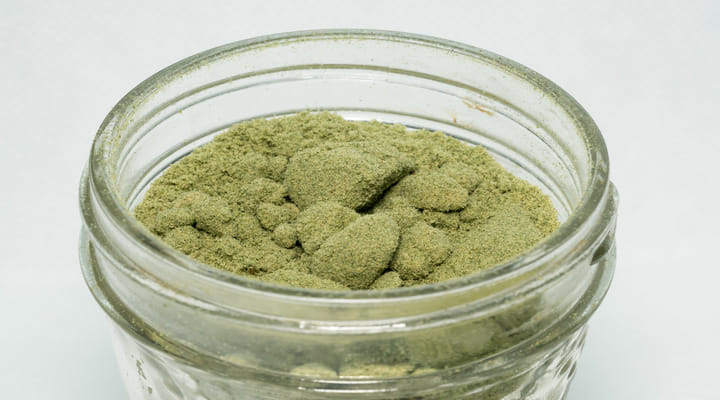
The next step involves using a piece of card or something similar to scrape up the kief before placing it in smaller bags which are tightly wrapped and placed in a unit where they will be compressed into a block using a weight. You can use clingfilm (saran wrap) in place of a plastic bag and roll it up around the kief like a burrito.
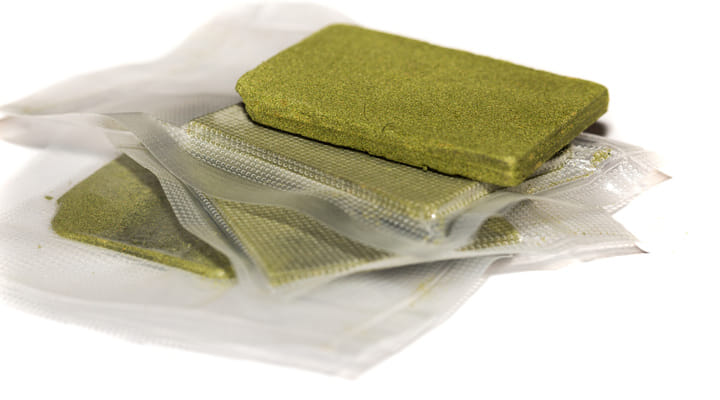
Pressing the Hash: Once you've collected a sufficient amount of resin, gather it into a mound and place it between two sheets of parchment paper. Apply firm, even pressure using a pollen press or makeshift pressing tool, compacting the resin into a dense, uniform block, like this:
Aging and Curing: Allow the pressed hash to rest for several days to a week in a cool, dark environment. This aging process, akin to the maturation of fine wine, allows the flavors to mellow and the cannabinoids to undergo chemical changes, enhancing potency and aroma.
Storage and Preservation: Once aged, store your Moroccan hash in an airtight container in a cool, dry place away from direct sunlight. Proper storage will help preserve its freshness and potency, ensuring a satisfying smoking experience with each use.
How to Use Moroccan Hash
Moroccan hash offers a multitude of consumption methods, each imbued with its own distinct pleasures and rituals. Whether smoked, vaporized, or infused into edibles, its versatile nature allows for endless experimentation and creativity. Here are some popular ways to enjoy Moroccan hash:
Smoking: Break off a small piece of hash and crumble it into a pipe, bong, or joint. When smoked, it produces a smooth, flavorful smoke that delivers a potent and immediate high. Experiment with different strains and smoking techniques to discover your preferred method of consumption.
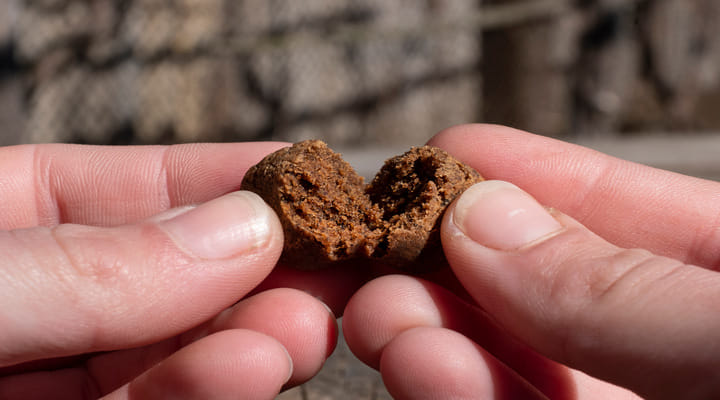
Edibles: Infuse Moroccan hash into butter, oil, or alcohol to create potent cannabis-infused edibles, such as brownies, cookies, or tinctures. Be sure to decarboxylate the hash beforehand to activate its psychoactive properties, ensuring maximum potency and bioavailability.
Vaporizing: Use a vaporizer specifically designed for concentrates to heat the hash to the optimal temperature, releasing its active compounds without combustion. Vaporizing offers a cleaner, more discreet alternative to smoking, allowing for precise dosage control and enhanced flavor preservation.
Topicals: Dissolve Moroccan hash into a carrier oil, such as coconut or olive oil, to create homemade cannabis topicals, such as lotions, balms, or massage oils. These topical preparations can provide localized relief from pain, inflammation, and skin conditions, offering a holistic approach to wellness and self-care.
Moroccan hash embodies the time-honored traditions and cultural heritage of cannabis cultivation, serving as a testament to the plant's enduring allure and medicinal efficacy. Whether crafted using ancient techniques or modern innovations, its profound impact on society and culture remains undiminished, inspiring reverence and fascination among cannabis enthusiasts worldwide. As we continue to explore the boundless potential of this remarkable plant, let us honor the legacy of Moroccan hash and celebrate its enduring legacy for generations to come. Making Moroccan hashish requires a good amount of plant matter, a little bit of know-how and some hard work, but once you're holding the end result in your hand, it's undoubtedly worth the effort.