
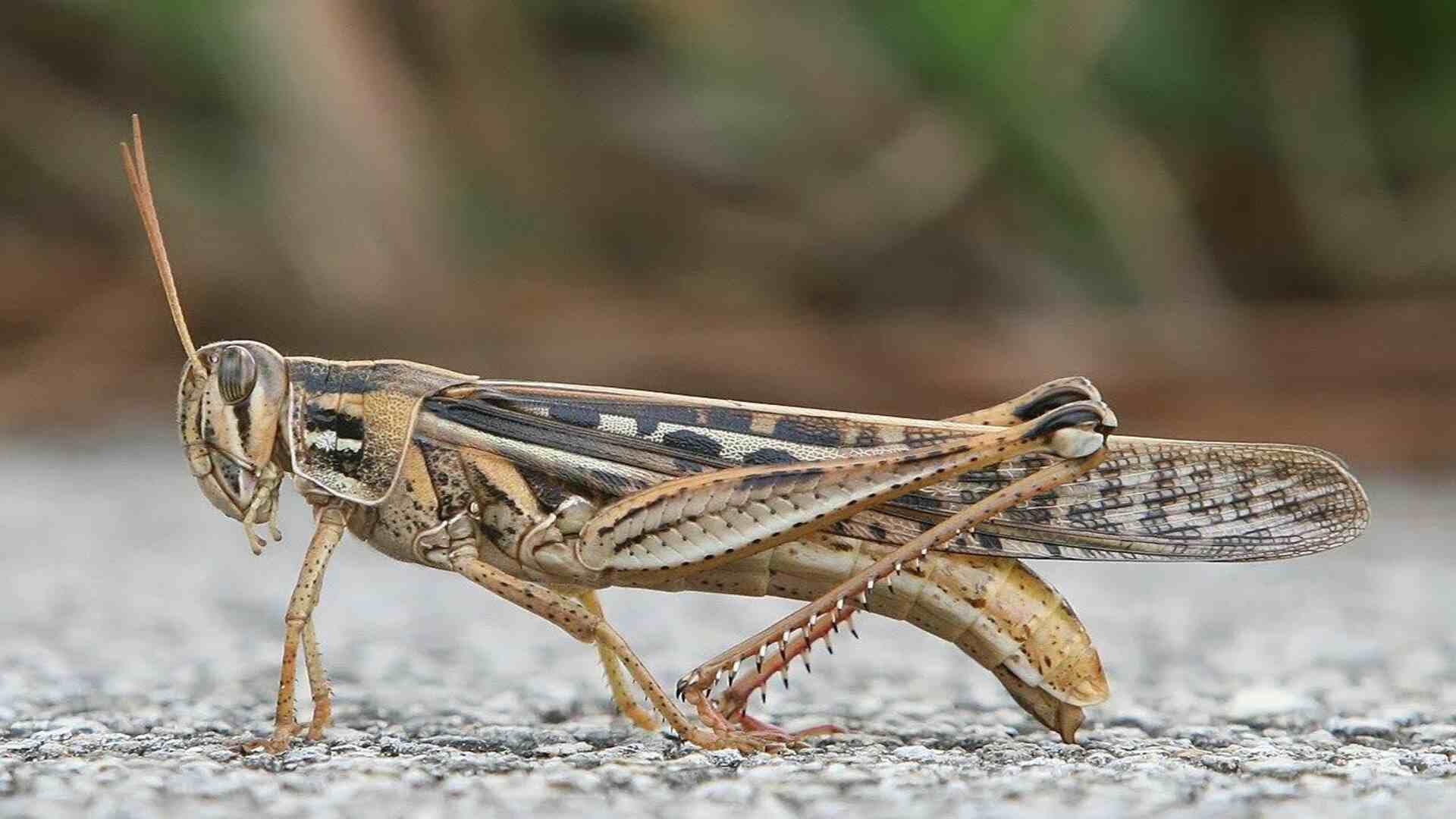

Key Takeaways
- A few grasshoppers usually cause little lasting harm, but large populations can quickly strip cannabis plants of leaves and reduce growth and yield.
- Learn to recognize grasshopper damage, including large irregular holes, missing leaf margins, and leaves reduced to their veins.
- Early-season nymphs are easier to manage than mobile adult grasshoppers, making regular scouting especially important.
- Prevention is the foundation of organic grasshopper control. Habitat management, physical barriers, trap crops, and a diverse garden ecosystem can all help reduce pest pressure.
- Encourage natural predators such as birds, spiders, praying mantises, and beneficial insects to support long-term biological control.
- Organic options including kaolin clay, Beauveria bassiana, Nosema locustae, garlic sprays, and hand removal can help when grasshopper numbers begin causing significant damage.
- Not every grasshopper needs to be treated. The goal of integrated pest management (IPM) is to keep populations below damaging levels while protecting the wider garden ecosystem.
Grasshoppers on cannabis plants can be anything from a minor inconvenience to a season-ending disaster. In some years, they nibble a few leaves and move on. During outbreak years, however, large populations can strip branches bare overnight, leaving outdoor cannabis growers scrambling to protect their harvest.
Knowing when grasshopper feeding is simply cosmetic and when it threatens your yield is an important part of any integrated pest management (IPM) program. Rather than reacting out of fear, successful growers learn to monitor populations, recognize the signs of serious damage, and choose control methods that protect both their plants and the beneficial insects that keep outdoor gardens healthy.
In this guide, we'll cover how to identify grasshopper damage on cannabis, why outbreaks occur, the life cycle of grasshoppers, and the most effective organic and biological methods to prevent them from becoming a serious problem.
Are Grasshoppers Bad for Cannabis?
Many growers assume that any insect feeding is harmful, but that isn't always the case. Mild pest pressure can trigger a plant's natural defense mechanisms, increasing the production of phytohormones and secondary metabolites such as terpenes and flavonoids. This is one reason organically grown outdoor cannabis often develops incredibly complex aromas.
A few grasshoppers chewing an occasional leaf rarely justify treatment. Healthy cannabis plants can easily outgrow minor feeding damage.
Problems arise when grasshopper populations explode. During outbreak years, hundreds or even thousands of grasshoppers may feed simultaneously, rapidly consuming fan leaves, young shoots, and tender stems. Heavy defoliation reduces photosynthesis, slows growth, stresses plants during flowering, and can significantly reduce yield if left unchecked.
The key isn't eliminating every grasshopper, it's preventing populations from reaching destructive levels.

What Does Grasshopper Damage Look Like?
Grasshopper damage is relatively easy to identify because their chewing mouthparts remove large sections of leaf tissue instead of creating tiny stippling or pin-sized holes.
Common signs include:
Large, irregular holes throughout fan leaves
Missing leaf edges or margins
Entire leaflets consumed, leaving only thick veins behind
Chewed growing tips on young plants
Occasionally stripped stems during severe infestations
Scattered green droppings (frass) beneath feeding sites
Unlike caterpillars, grasshoppers rarely hide while feeding. They are active during the day and often jump away when disturbed.
Do Grasshoppers Eat Cannabis Flowers?
Grasshoppers overwhelmingly prefer tender leaves over mature flowers. Cannabis produces aromatic sulfur-containing volatile compounds and terpenes that make flowering plants less attractive than many nearby weeds and grasses.
During severe outbreaks, however, hungry grasshoppers may chew sugar leaves surrounding buds or damage small developing flowers if preferred food sources become scarce. Fortunately, direct bud damage is less common than leaf feeding.
Why Grasshopper Populations Explode
Grasshopper populations naturally fluctuate from year to year depending on environmental conditions.
Several factors contribute to outbreak years:
Warm, Dry Springs
Grasshopper eggs survive best in warm, dry soils. Early springs with little rainfall allow more eggs to hatch successfully.
Drought Conditions
During droughts, native vegetation dries up quickly. Grasshoppers then move into irrigated gardens where cannabis remains lush and green.
Overwintering Eggs
Female grasshoppers lay egg pods in undisturbed soil during late summer and fall. Mild winters allow high egg survival, setting the stage for population explosions the following season.
Nearby Pastureland or Fields
Cannabis gardens located near hay fields, rangeland, vacant lots, or unmanaged pasture often experience higher grasshopper pressure as insects migrate in search of food.
Grasshopper Life Cycle
Understanding the grasshopper life cycle helps determine the best time for control.

Egg Stage
Females deposit clusters of 20–100 eggs several inches below the soil surface during late summer and fall. These eggs overwinter underground.
Nymph Stage
In spring, tiny wingless nymphs emerge looking like miniature adults. They molt several times while feeding aggressively on vegetation.
This is the easiest stage to control because young nymphs cannot fly and are more susceptible to biological treatments.
Adult Stage
Adults develop wings and become highly mobile. Once they begin flying, management becomes much more difficult as they continually move into gardens from surrounding areas.
Best Time for Control
The most effective management occurs during the early nymph stage before populations become established. Waiting until adults appear often requires significantly more effort with less success.
How to Prevent Grasshoppers Naturally
An effective IPM (Integrated Pest Management) strategy focuses on prevention rather than reacting after damage becomes severe.
Habitat Management
Keep tall weeds and grasses mowed around the perimeter of your garden to reduce food sources and breeding habitat while maintaining diverse flowering plants that support beneficial insects.
Floating Row Covers
Young cannabis seedlings and clones can be protected using lightweight floating row covers until plants become established.
Trap Crops
Planting attractive grasses or sacrificial crops away from cannabis can concentrate feeding pressure in designated areas where grasshoppers are easier to manage.

Encourage Beneficial Predators
Many animals naturally feed on grasshoppers, including:
Chickens
Guinea fowl
Wild birds
Praying mantises
Robber flies
Assassin bugs
Spiders
Supporting biodiversity creates long-term biological control. Be careful with chickens, as they can destroy your plants as well. I have found that physically removing grasshoppers by hand and then feeding them to my chickens is an excellent method.
Companion Plants That Help Deter Grasshoppers
While no companion plant will completely prevent grasshopper damage, incorporating a diverse mix of aromatic herbs and flowering plants throughout your cannabis garden can make it less attractive to grasshoppers while providing nectar, pollen, and habitat for beneficial insects that help keep pest populations in balance.
Many of these plants produce strong essential oils, sulfur compounds, or bitter secondary metabolites that grasshoppers tend to avoid. Others serve as insectary plants, attracting predators and parasitoids that contribute to long-term biological control.
Consider incorporating some of these companion plants into your garden:
Garlic, onions, chives, and leeks – Rich in sulfur compounds that many herbivorous insects dislike.
Lavender – Highly aromatic and attracts bees, butterflies, and predatory insects.
Yarrow – One of the best insectary plants for attracting lacewings, lady beetles, hoverflies, and parasitic wasps.
Bee Balm (Monarda) – Supports pollinators while its aromatic foliage may discourage some chewing insects.
Anise Hyssop – A favorite of native bees and beneficial wasps.
Catnip – Contains nepetalactone, a natural insect-repelling compound.
Rosemary, sage, oregano, and thyme – Mediterranean herbs rich in essential oils that grasshoppers generally avoid.
Calendula – Attracts hoverflies, lacewings, and numerous beneficial pollinators.
Marigolds – Add biodiversity and support beneficial insects while contributing to overall garden resilience.
Wormwood (Artemisia absinthium) – Its intensely bitter foliage is typically avoided by grasshoppers, though it should be planted on the perimeter since it can suppress the growth of nearby plants.
Rather than planting a single species, aim to create a diverse polyculture around your cannabis plants. Layering aromatic herbs, flowering insectary plants, and living mulches creates a healthier ecosystem that supports predators, pollinators, and soil biology while making your garden less hospitable to pest outbreaks.
Pro Tip: Companion planting works best as one component of an integrated pest management (IPM) strategy. Combined with healthy living soil, regular scouting, habitat diversity, and biological controls, companion plants can help keep grasshopper populations below damaging levels without relying on synthetic pesticides.
Healthy Living Soil
Healthy, vigorous plants tolerate feeding damage far better than stressed plants. Building biologically active living soil improves resilience and allows cannabis to recover more quickly from minor defoliation.
Organic Grasshopper Control
If monitoring indicates populations are becoming destructive, several organic options can reduce damage.
Kaolin Clay

Kaolin clay creates a white mineral coating that makes leaves less attractive and more difficult for grasshoppers to feed on. It works best as a preventative application before heavy feeding begins. Use only in the vegetative phase can be combined with micronized or JADAM sulfur.
Beauveria bassiana
This beneficial fungus infects numerous insect pests, including grasshoppers under favorable environmental conditions. It performs best when humidity remains relatively high.
Nosema locustae
Often sold as bran bait, Nosema locustae is a naturally occurring microsporidian that primarily affects young grasshoppers. Results are gradual rather than immediate, making early-season applications most effective.
Neem Oil
Neem has limited effectiveness against mature grasshoppers because they are relatively resistant to its feeding deterrents. While it may discourage young nymphs, it should not be relied upon as a stand-alone solution. Can slow down reproduction and molt in grasshoppers.
Hand Removal
Small gardens often benefit from simply removing grasshoppers by hand during cool mornings when insects are sluggish.
Physical Barriers
Fine insect netting can protect valuable plants during heavy migration periods, especially early in the growing season.
Homemade Garlic Spray
Garlic contains sulfur compounds that many chewing insects find unappealing.
Simple Garlic Spray Recipe
Ingredients:
2 whole garlic bulbs
1 quart water
1 gallon additional water
1–2 teaspoons liquid castile soap
Instructions:
- Blend the garlic with one quart of water.
- Allow the mixture to steep overnight.
- Strain through cheesecloth or a fine mesh filter.
- Dilute with one gallon of water.
- Add castile soap as a spreader-sticker.
- Spray foliage during the evening or early morning, repeating after rain if needed.
As with any foliar spray, always test on a small portion of the plant before treating the entire crop.

IPMO - Indigenous Pest Microorganisms
IPMO is a method of pest control that utilizes the Korean Natural Farming technique of harvesting indigenous microorganisms to combat pests. This technique was created by Chris Trump, and I was lucky enough to host a class with him where he taught me how to prepare an IPMO.
You can watch a portion of the video on my YouTube channel.
To use this method, you catch grasshoppers, cook them with rice, and then place the rice in a screened box to attract microbes that decompose the grasshoppers. These fungal spores are then sprayed onto living grasshoppers, where they infect them and ultimately cause them to die.
Should You Worry About Grasshoppers?
Not every grasshopper requires action.
Treatment becomes appropriate when:
Young plants experience significant defoliation.
More than 20% of leaf area is being lost.
Large numbers of grasshoppers are consistently observed throughout the garden.
Feeding begins affecting plant vigor or flower development.
Continue scouting weekly throughout the growing season. Monitoring trends is far more valuable than reacting to a single insect sighting.
Remember, the goal of integrated pest management isn't eradication, it's maintaining pest populations below economically damaging levels while preserving the ecological balance that keeps outdoor gardens thriving.
Frequently Asked Questions
Do grasshoppers eat cannabis buds?
Usually no. Grasshoppers strongly prefer leaves. Bud feeding is uncommon and typically occurs only during severe outbreaks when food sources are scarce.
Will cannabis recover from grasshopper damage?
Healthy cannabis plants recover remarkably well from light to moderate defoliation. Severe damage early in flowering, however, can reduce final yield.
What attracts grasshoppers to cannabis?
Grasshoppers are attracted to lush, irrigated vegetation, particularly during drought. Gardens surrounded by pasture, unmanaged weeds, or dry grasslands often experience the greatest pressure.
What is the best organic spray for grasshoppers?
No single spray completely controls grasshoppers. The best organic strategy combines prevention, early monitoring, habitat management, biological controls like Nosema locustae or Beauveria bassiana, and physical deterrents such as kaolin clay and garlic sprays.