

Whenever growers talk about a cannabis strain, it's easy to assume every seed will produce a near-identical plant. After all, if you're growing a pack of the same genetics, surely the outcome would be predictable.
In reality, cannabis is far more complex.
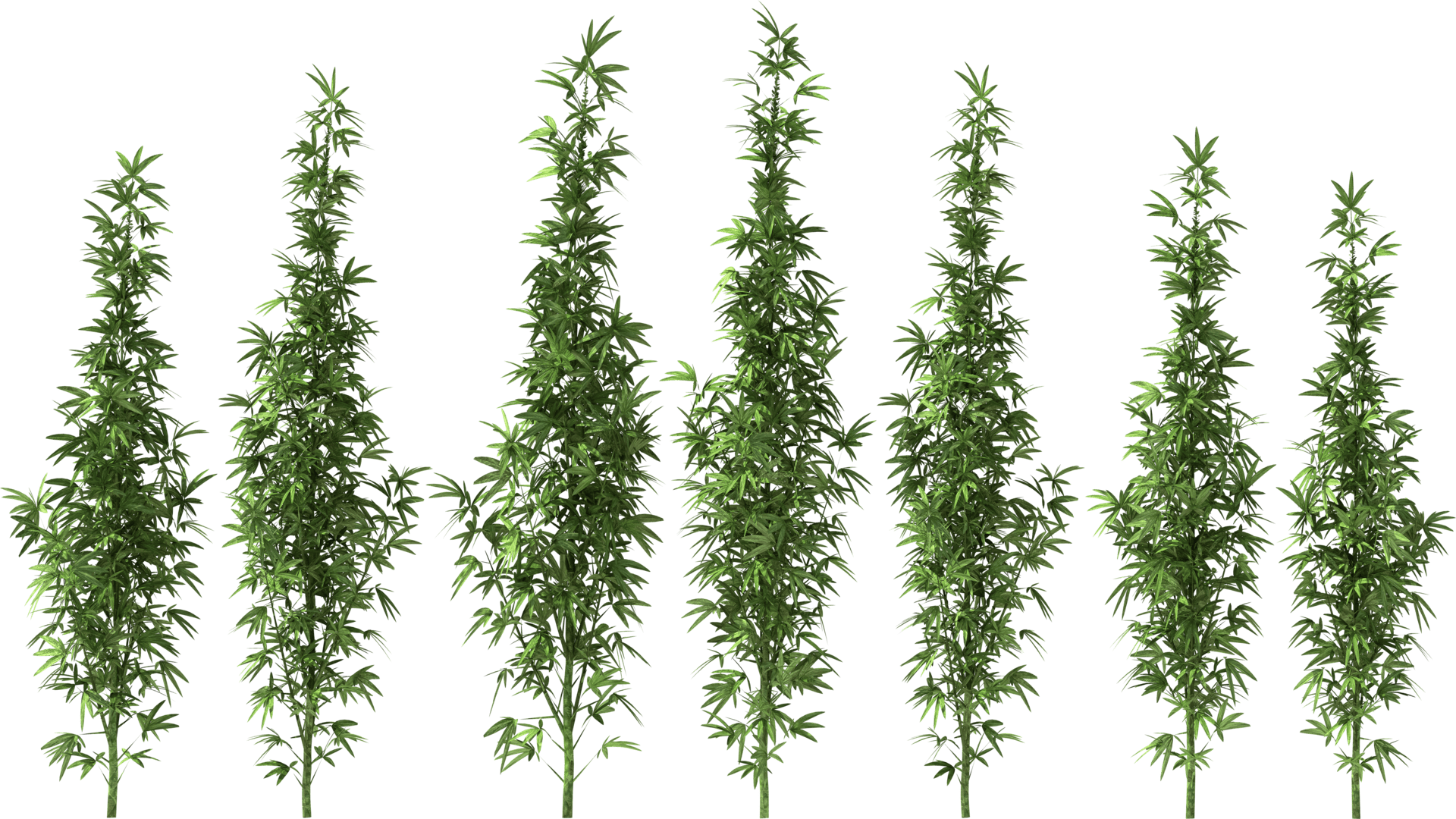
Plant one pack of cannabis seeds and you'll often notice small differences between individuals, even when they're grown side by side in the same environment. Those differences might include:
- Plant height and structure
- Internodal spacing
- Flowering speed
- Resin Production
- Colouration
- Aroma and flavour proflle
These variations are known as phenotypes. Understanding cannabis phenotypes is one of the most important steps in understanding cannabis genetics. It explains why breeders spend years refining varities, why growers often search for exceptional individuals, and why cannabis remains one of the most fascinating cultivated plants in the world.
What Is A Cannabis Phenotype?
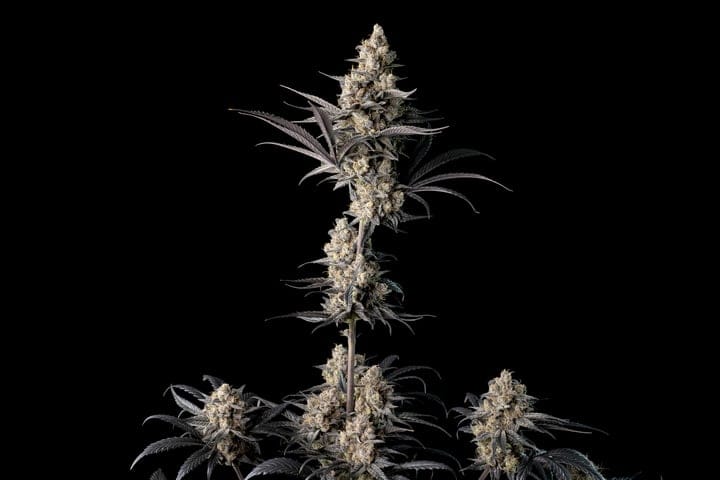
A phentoype is the collection of observable traits expressed by a plant. For example:
- Leaf shape
- Yield potential
- Resin production
- Cannabinoid content
- Resistance to environmental stress
- Plant height and structure
When growers talk about a cannabis phenotype, they're talking about how the plant's genetics have been expressed. You can't see a genotype. You can see a phenotype. That's why the concept is so important when discussing cannabis breeding, cultivation and selection.
Phenotype vs Genotype: What's the Difference?
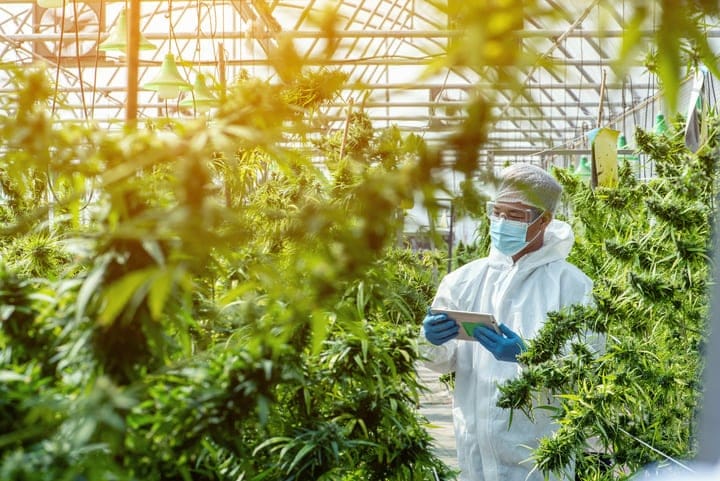
The terms genotype and phenotype are often used together, but they describe different things.
A genotype is a plant's genetic makeup. It's the complete set of inherited instructions contained within its DNA. A phenotype is how those instructions are expressed. One of the simplest ways to understand the relationship is through a principle widely recognised in plant science:
Phenotype = genotype + environment.
In other words, genetics provide the possibilities. The environment influences how those possibilities are expressed.
Think of it like a recipe. Two people can start with exactly the same ingredients and still produce slightly different results depending on technique, conditions, and experience. Cannabis plants behave in a similar way. The genetics establish the potential, while the environment shapes the outcome.
Research publlshed in the journal Plants has shown that plant traits emerge through complex interactions between inherited genetics and environmental influence rather than genetics alone [1].
Why do Cannabis Seeds Produce Different Cannabis Phenotypes?
This is where many beginner growers become curious. If all the seeds came from the same variety, shouldn't they all be identical?
Not quite.
Each seed contains a unique combination of genetic material inheirted from its parents. Even within carefully stabilised cultivars, every seed represents its own genetic individual [2].
The easiest comparison is with human siblings. Brothers and sisters often share obvious similarities while still looking and behaving differently from one another. Cannabis plants are the same.
Grow enough seeds and patterns will soon emerge. Most plants will display the defining characteristics of the variety, but individual expression can still vary. The amount of variation depends largely on the genetics involved. Some lines are highly uniform, while others express a broader range of characteristics [3].
Neither approach is inherently better. It simply reflects the genetic diversity within a population.
How the Environment Influences Cannabis Phenotypes
Genetics determine what a plant can become. The environment helps determine what it actually becomes.
This is one of the reasons cannabis cultivation remains endlessly interesting. Even when growing the same genetics, no two environments are ever perfectly identical.
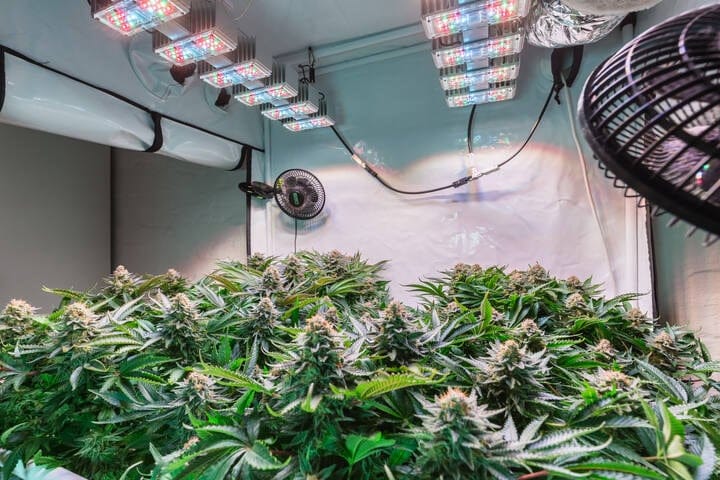
Several factors can influence cannabis phenotypic expression [4]:
Light
Light intensity, light spectrum and photoperiod all influence plant development.
Plants grown under stronger light often remain more compact and develop denser buds, while lower light levels may encourage stretching and changes in plant structure.
Temperature
Temperature plays a significant role throughout the plant's life cycle.
Cooler night-time temperatures are frequently associated with increased anthocyanin production (in genetically capable plants), contributing to purple or dark colouration in flowers and foliage [5].
Related Article:The Best Purple Strains on Seedsman
Nutrition
Healthy plants are generally better equipped to express their genetic potential.
Nutrition won't change a plant's genetics, but deficiencies or imbalances can affect how successfully desirable traits are expressed.
Root Development
Strong root systems support nutrient uptake, water movement, and overall vigour.
When roots have adequate space and favourable conditions, plants are often able to perform closer to their genetic potential.
Related Article: The Science of Cannabis Root Health: Tips For Vigorous Plants
Environmental Stress
Heat, drought, and other forms of environmental stress can influence growth patterns and developmental processes.
Sometimes these effects are subtle. Sometimes they're obvious. Either way, environmental conditions help shape the final expression of the plant.
What is Phenohunting?
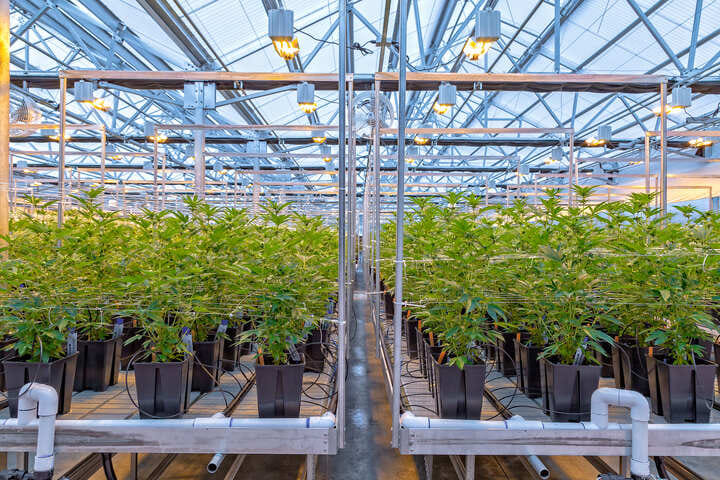
This is where things start getting particularly interesting. Some growers are perfectly happy finding a healthy, productive plant and running with it. Breeders tend to look a little deeper.
Rather than growing a handful of seeds, they may cultivate dozens - or even hundreds - of plants from the same population while searching for a few outstanding individuals.
This process is known as phenohunting. The goal is to identify plants with especially desirable characteristics such as:
- Exceptional aroma
- Unique terpene profiles
- Vigorous growth
- High resin production
- High resistance to pathogens
- Strong overall performance
Once an exceptional cannabis phenotype is found, it can be preserved through cloning and potentially used in future breeding projects. Many of the most famous cannabis cultivars in circulation today began as selected phenotypes during extensive hunts.
At its heart, phenohunting is about observation. It rewards patience, attention to detail, and a willingness to explore genetic diversity.
Related Article:Selecting Cannabis Genetics Through Phenohunting
Are some Cannabis Phenotypes Better than Others?
Ask ten different growers what makes a great cannabis phenotype and you'll probably get ten slightly different answers.
A commercial cultivator might prioritise consistency and yield. A breeder may be searching for unusual terpene expressions. Another grower might simply prefer a particular plant structure or flowering speed.
Different phenotypes often excel in different areas. One may produce larger yields. Another may develop more complex aromas. The "best" phenotype usually depends on what you're hoping to achieve. For that reason, experienced breeders often view phenotypes less as good or bad and more as different expressions of the same genetic family.
Can Phenotypes Affect Cannabinoids and Terpenes?
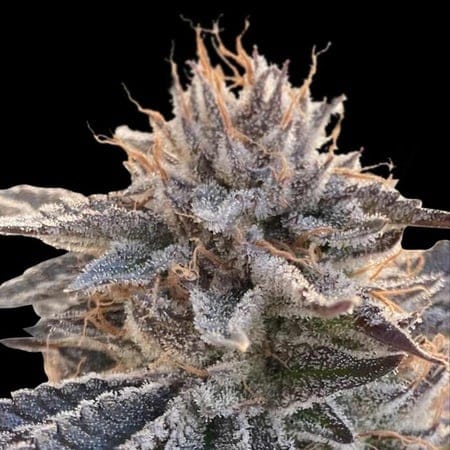
Yes. Research has demonstrated that cannabinoid and terpene production can vary between individual plants within the same genetic population [6]. These differences arise because genes involved in secondary metabolite production may be expressed differently between individual plants.
For growers, this means two plants from the same variety may display noticeable differences in aroma, flavour, and chemical composition. For breeders, these differences create opportunities. Through careful selection over multiple generations, desirable plant traits can be reinforced and stabilised, helping produce more consistent future populations.
Why Phenotypes Matter to Cannabis Breeders
Without phenotypic variation, cannabis breeding would be extremely limited. Every modern cultivar exists because breeders observed differences between plants and selected individuals with desirable traits to carry forward.
Over time, repeated selection helps improve consistency while preserving the characteristics that make a variety unique [7]. It's a process that requires patience. Sometimes a breeder might grow hundreds of plants before discovering a single individual worth preserving. That dedication is one of the reasons cannabis genetics continue to evolve. Around the world, breeders are continually refining existing varieties, preserving heritage genetics, and exploring new combinations.
Cannabis phenotypes are the raw material that make all of that possible.
Understanding Phenotypes helps you Understand Cannabis
The more time you spend around cannabis plants, the more you appreciate that no two are exactly alike. That's part of the appeal. Phenotypes remind us that cannabis isn't a factory-made product. It's a living plant shaped by genetics, environment, and a degree of unpredictability.
Most of the time, plants from the same variety will share the characteristics that make that variety recognisable. Yet there is often enough variation to keep things interesting.
For growers, those differences can be rewarding to observe. For breeders, they create opportunities for selection and improvement. And for anyone interested in cannabis genetics, cannabis phenotypes offer a fascinating glimpse into the relationship between inheritance, environment, and expression.
It helps you see the plant in a completely different way.
Frequently Asked Questions
What is a cannabis phenotype?
A cannabis phenotype is the collection of observable traits expressed by a plant, including its appearance, growth habits, aroma, flavour, cannabinoid profile, and overall performance.
What is the difference between phenotype and genotype
A genotype refers to a plant's genetic makeup, while a phenotype refers to how those genes are physically expressed. Environmental conditions influence phenotypic expression throughout the plant's life.
Can two seeds from the same strain produce different plants?
Yes. Seeds from the same variety share a genetic background but inherit different combinations of genes. This can lead to variation in growth patterns, aromas, flowering times, and other characteristics.
What is phenohunting?
Phenohunting is the process of growing multiple plants from the same seed population and selecting individuals with highly desirable characteristics for cultivation or breeding.
Can environmental conditions change a cannabis phenotype?
Environmental conditons can't alter a plant's genetics, but they can influence how genetic traits are expressed. Factors like temperature, light intensity, and nutrition all play a role in phenotypic development.
Why do breeders care about cannabis phenotypes?
Breeders rely on phenotypic variation to identify exceptional plants for future breeding projects. Selection of desirable cannabis phenotypes is one of the key processes involved in developing stable cannabis cultivars.
---------------------------------------------
References:
[1] Luo, H. et al (2021). Cannabis sativa: A comprehensive ethnopharmacological review of a medicinal plant with a long history. Plants, 10 (7), 1458.
[2] Sawler, J. et al. (2015). The Genetic Structure of Marijuana and Hemp. PLOS ONE, 10(8).
[3] Clarke, R.C.& Merlin, M.D. (2016). Cannabis: Evolution and Ethnobotany.
[4] Salentjin, E.M.J. et al (2015). New developments in fibre hemp (Cannabis sativa L.) breeding.
[5] Gould, K.S. (2004). Nature's Swiss Army Knife: The Diverse Protective Roles of Anthocyanins in Leaves. Journal of Biomedicine and Biotechnology.
[6] Vergara, D. et al. (2021). Compromised External Validity: Federally Produced Cannabis Does Not Reflect Legal Markets. Frontiers in Plant Science.
[7] Small, E. (2015). Evolution and Classification of Cannabis sativa (Mariuana, Hemp) in Relation to Human Utilization. Botanical Review, 81, 189-294.
