

This article has been rewritten and posted here by the original author, Stewart Maxwell. He is an expert horticulturist based in Canada and has spent decades creating commercial cannabis crops and has served as the founding Cultivation Manager for Rubicon Organics. Stewart has provided facility design and documentation to launch several craft-scale cultivators into the regulated market in Canada. He has published many articles on cannabis physiology in journals and trade magazines. This article has been adapted, and the original can be found here. Make sure you follow Stewart on his website Elevated Botanist for expert cultivation advice!
Growing cannabis often relies on clones to keep the quality consistent. Some of the top brands in the cannabis industry have built their reputation on one specific variety. Understanding how a plant that's supposed to be genetically stable can start to change, and knowing how to stop this from happening, can be really useful when your success depends on your plants staying the same.
The Art of Cultivation and Asexual Reproduction
Growing great, consistent cannabis needs strong, healthy plants that always look and behave the same way. Making more plants without using seeds, which might seem a bit boring, is key for making sure everything stays the same. Because cannabis plants can differ a lot, using this method makes sure the plants have the same characteristics, which is really important for the unique smells and tastes of the cannabis flowers.
Interestingly, the biggest living thing on earth, a plant called Pando, has stayed alive by making more plants without seeds, which shows how important this is. Lots of plants we use in gardening are only made this way because of how different they can be and because they can't make seeds. Hormones play a big part in this process.

Hormonal Regulation: A Vital Player
Hormones direct plant development, taking cues from the environment and driven by genetics. They are essential for plants' structure and function, regulating numerous processes such as cell division and differentiation. Hormones in plants can either be made and used in the same spot, or they can be created in one place and moved to other parts of the plant. Two important hormones in the process of making new plants without seeds are called auxins and cytokinins.
Auxins and Cytokinins: Essential Phytohormones
Auxins are important plant hormones that help with creating different types of cells, bending stems and roots, forming roots, and helping plants grow towards light. There are many kinds of auxins; some are made in the tips of shoots and help cells divide, and roots grow. Indole-3-butyric acid (IBA) is a type of auxin that we make and is often used to dip plant cuttings in to help them grow.
Cytokinins are other key hormones that help with the structure of plants. They encourage the growth of the shoot (the part above ground), help cells to divide, and aid in how plants take in nutrients. When you're growing plants in a lab, synthetic auxins help grow roots, cytokinins help grow shoots, and when used together, they promote the growth of both.
Cloning: A Game Changer in Cannabis Cultivation
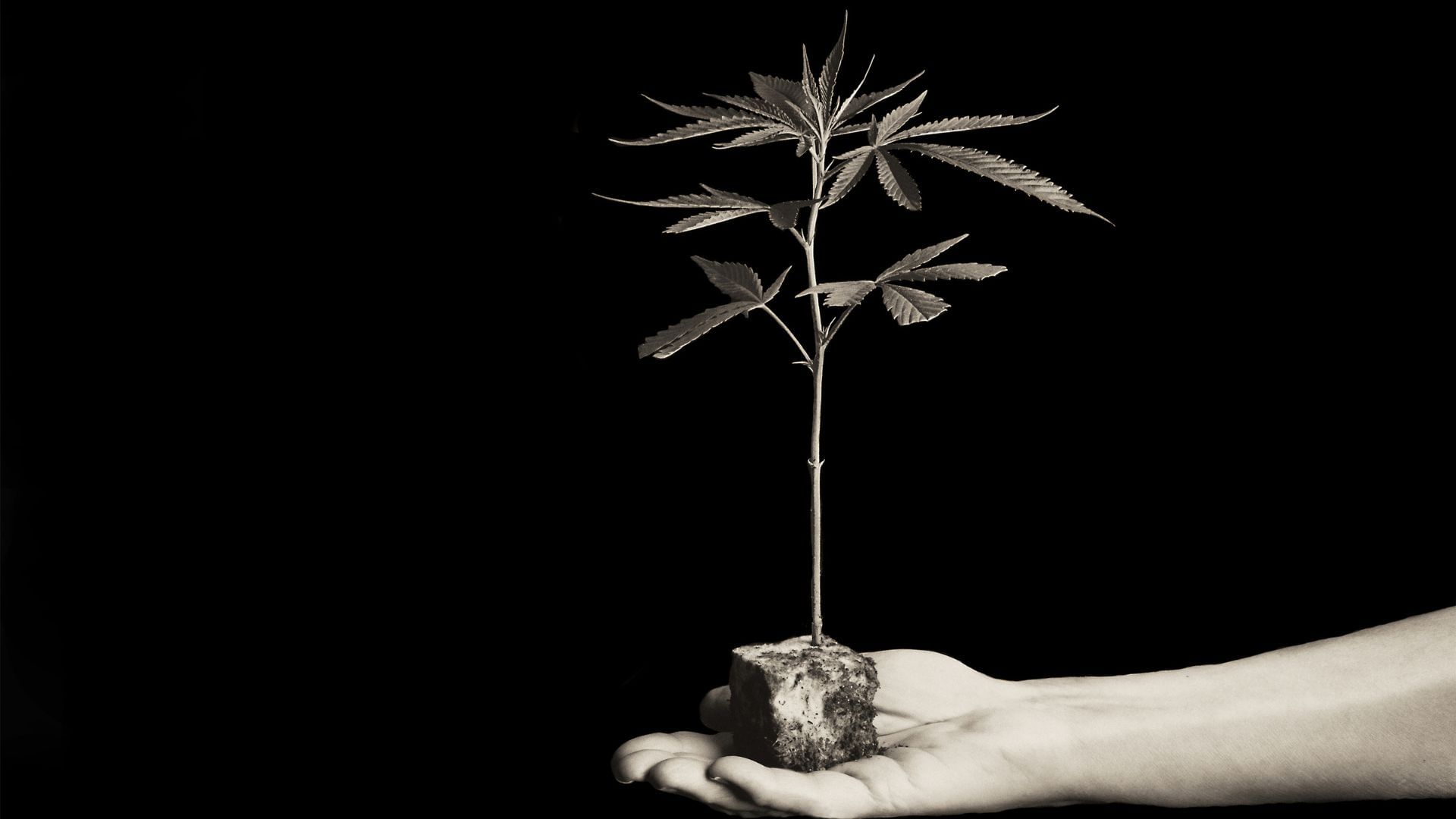
Plants store undifferentiated stem cells throughout their lives. These pluripotent cells are the precursor to many other plant cell types, and these are key for enabling asexual reproduction. Most Cannabis crops in Controlled Environmental Agriculture (CEA) facilities are vegetatively propagated as cannabis can create roots easily from cut branches in a controlled environment.
Loving Your Mother Plants
Some skilled growers have been able to keep their cannabis plants looking and behaving the same way for many years, mostly because they constantly renew their parent plants under the best possible conditions. But if you keep making new plants from the same parent over and over, it could lead to unwanted changes in how the plant looks and behaves. Growing plants outside in different conditions and making sure the parent plant is as healthy as possible can help fix some changes caused by the environment.
When you take a cutting from a plant to grow a new one, it should come from a healthy plant that's currently growing, usually in low to medium light. If it's under strong lights, the cutting could lose water too quickly because of the tiny openings (stomata) in its leaves. After you take a cutting, the new little plants are trimmed and put into water or a special solution that helps roots grow, among other things. This helps stop them from losing too much water.

The Importance of Rooting Solution
Solutions used to help cuttings grow roots often have things like plant tonics and growth factors, as well as substances that protect against fungi, which could cause diseases. When you're making new plants from cuttings, conditions might be just right for these harmful fungi, so it's a good idea to use these protective substances in the mixture you're using to grow roots. Certain tiny living things, like Bacillus subtilis, Streptomyces lydicus, and Tricoderma harzianum, have proven to be good at stopping these harmful fungi.
Media for Rooting Cuttings
Cuttings root effectively in several media, provided the conditions are optimal. Small formats like plugs, pucks, or cubes are common for rooting. The air-water ratio in the media is crucial for establishing cuttings. Initially, high saturation is needed for water transport and gradual media drying allows oxygen access, fostering adventitious rooting.
Getting cuttings ready to plant involves making a hole with a tool called a dibble, cutting off the lower part of the stem, and then dipping the cutting in a special formula that has synthetic hormones. This formula helps speed up the growth of the first little roots.
Encouraging the Growth of New Roots
After the cuttings are put into the soil or other growing material, they are placed in a space where the humidity is 75-90% and the temperature is between 72 to 80 degrees Fahrenheit. This helps the plants stay plump and healthy until the roots start to grow. Lower light (150–250 µmol) helps to reduce the need for water by slowing down the process of photosynthesis (where plants make their own food using light). To keep the conditions just right, things like humidifiers and energy curtains can be used, along with other methods of controlling the climate.

Plant Tissue Culture Techniques
Plant tissue culture is a collection of different methods used to save and increase the amount of plant material in a clean lab setting. This process uses a unique mix of nutrients and plant growth substances to get the plant tissue to grow. To develop specific ways of doing plant tissue culture, much research and testing must be done.
Micropropagation: Commercial Scale Plant Production
Micropropagation refers to tissue culture techniques used to produce large quantities of plants. It involves several stages, each with unique protocols and media formulations to ensure successful plantlet production. Cultivation happens in vessels within multi-tier culture chambers that house numerous plants in a limited space. Ideally, stock plants should be pathogen-free with testing done to select the cleanest specimens for reproduction.
Induction and Multiplication
Post-removal, plant tissue is sterilized and induced onto aseptic media in a contamination-minimizing clean room. Despite precautions, some vessels might become contaminated during transfer. Once plantlets are well-established, they are multiplied via the division of cultures into multiple vessels, often using stem tissue.
Acclimation and Transition to Horticulture Environment
Young plants need to get used to the new conditions when they are moved to garden environments that have a lot of living things that could cause stress. This process needs to be carefully planned out and should start before the young plants are taken out of the containers where they grew roots. Getting used to these new conditions can take several weeks and often involves using special chambers, covers, or plastic bags over pots with young plants inside.

Understanding Phenotypic Drift
Making new plants without using seeds over a long period of time often leads to a slow decline in the quality of the plants, a process known as phenotypic drift. There are several reasons for this, including the build-up of harmful substances within the plant's tissues and changes in how genes are switched on and off, a process called epigenetic expression.
Epigenetics and Somaclonal Variation
Epigenetics is about changes that affect how genes work based on things in the environment. One common way this happens is through something called DNA methylation, which changes how genes work in response to different triggers. Conditions that aren't ideal can lead to harmful changes in the way genes work. Somaclonal variation refers to changes in plants that are cloned over and over, due to the stress of being continually reproduced.
Meristem Culture for Rehabilitation and Storage
Growing new plants from the meristem (the part of the plant where growth happens) can be a way to bring back the original characteristics of a plant. It can also help get rid of most viruses and harmful substances in the plant tissue, which makes it a good method for storing plant tissue for a long time.
Cloning Cannabis: Big Risks, Big Rewards
Creating new plants without seeds lets us keep and increase the same genetic information indefinitely. When we fine-tune the ways we grow plants in a lab, we can store valuable varieties for a long time and make as many of them as we need. Keeping the plants healthy, checking for viruses, and growing new plants from the meristem are all ways to make sure the plants continue to look and behave the same way.


