

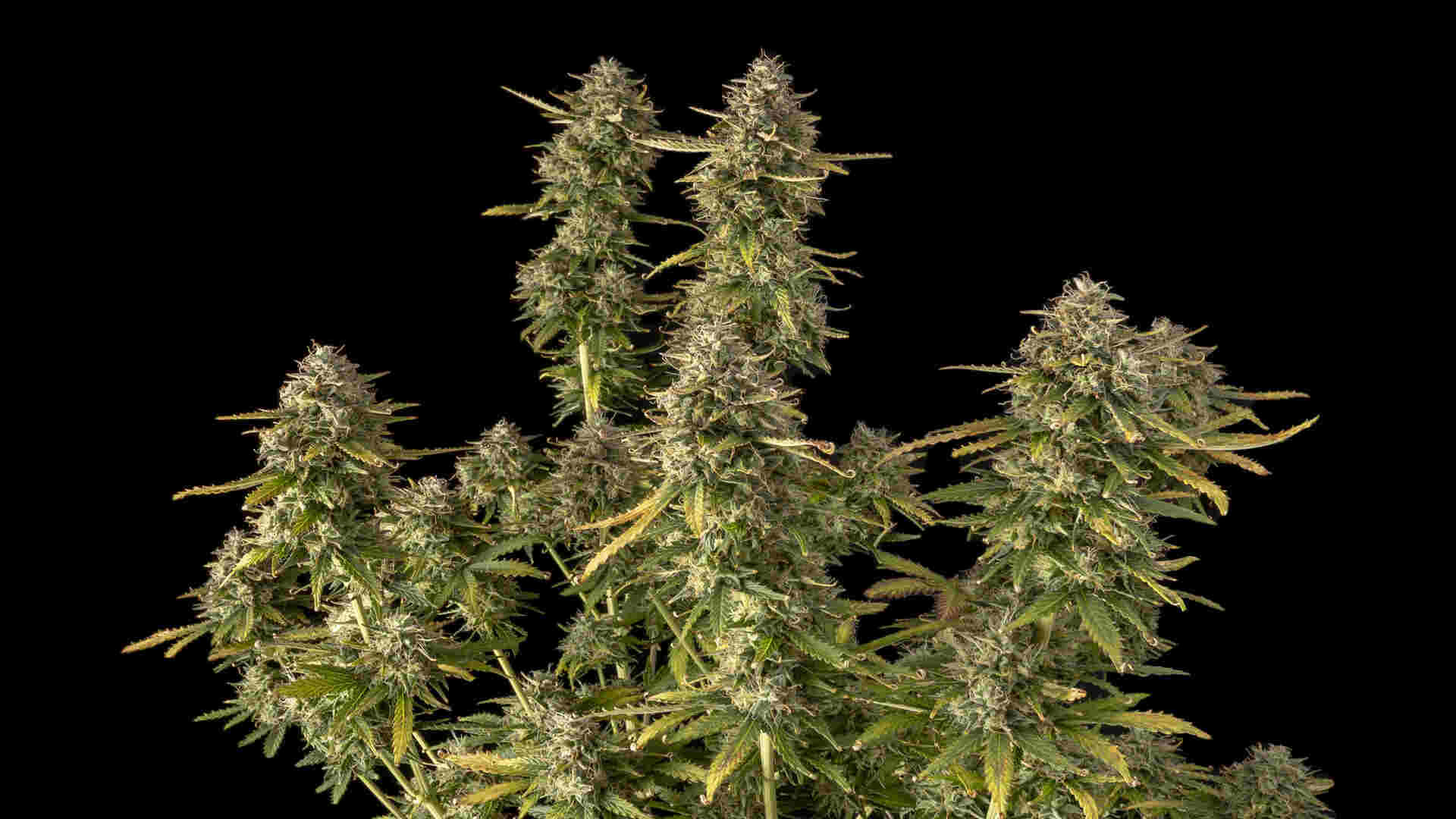
Want to learn how to grow autoflower seeds quickly and efficiently? This article provides straightforward steps for cultivating your autoflower cannabis, from selecting the right seeds to harvesting the fruits of your labor.
Perfect for beginners and professionals, it offers practical advice for each growth cycle stage tailored to these unique and resilient plants. Gear up to germinate, nurture, and yield your crop, turning seeds into buds in just a few weeks.
Key Takeaways
Autoflowering cannabis seeds, derived from Cannabis ruderalis, have a rapid life cycle and transition to flowering based on age, not light cycles. This makes them ideal for various grow environments and well-suited for novice cultivators.
Successful cultivation of autoflowers requires careful preparation, including strain selection, setting up an appropriate grow space with adequate light and climate control, and choosing the right equipment, such as well-aerated soil and efficient LED lighting.
Key cultivation steps for autoflowers involve direct sowing to avoid transplant shock, monitoring and adjusting nutrient and water intake during all growth stages, and identifying the correct harvest time for optimal potency and yield.
The Basics of Autoflowering Seeds
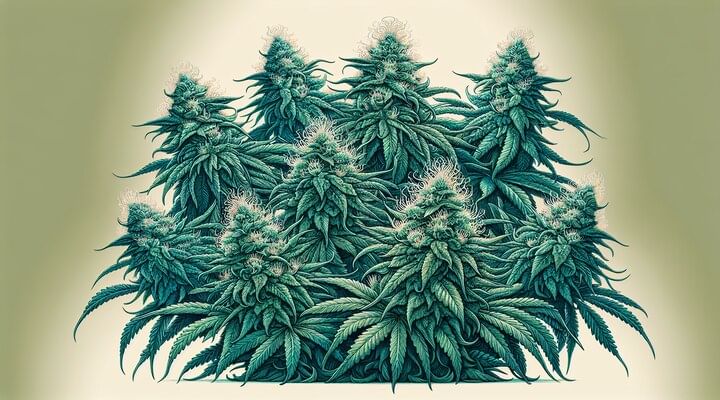
Hailing from the Cannabis ruderalis species, native to Central Asia and Siberia’s unforgiving climates, autoflowering cannabis seeds are designed to complete their life cycle quickly.
These hardy plants typically progress from seed to harvest within 8 to 10 weeks.
In contrast to traditional photoperiod cannabis varieties that depend on light cycles to transition between vegetative growth and flowering stages, autoflowers make this change based solely on their age without any influence from changes in the light schedule.
The capacity for these plants to automatically shift into their flowering stage regardless of lighting is an inheritance drawn directly from Cannabis ruderalis genetics. This feature simplifies cultivation by eliminating the necessity of manipulating light schedules, and autoflowering seeds have several benefits.
They offer simple cultivation processes and demand reduced upkeep.
Their more compact size suits confined spaces or discreet growing practices.
Quicker turnaround times due to expedited flowering periods mean faster harvests.
Enhanced resistance against common pests and diseases bolsters plant health.
Independence from seasonal light variations permits year-round growing possibilities.
These advantages are primarily due to their straightforward harvesting. Hence, growers who seek both ease of use and productive outcomes frequently select autoflowering varieties.
Growers operating indoor grow rooms or embracing outdoor environments under natural sunlight will find that autos possess tremendous versatility. They thrive across various settings, owing largely to the robust, resilient characteristics they inherit through lineage.
Understanding Autoflowering Plants
Cannabis plants known as autoflowering cannabis varieties emerge from the hybridization of Cannabis Ruderalis with Indica or Sativa counterparts. These diminutive autoflowering strains don’t depend on changes in light cycles to begin flowering, which sets them apart from traditional "photoperiod" plants. Possessing an innate timing mechanism, these autoflowers automatically shift from vegetative growth to the flowering phase and maintain a compact stature, measuring between 30 and 100 centimeters (12-40 inches) tall.
This innovative leap in cultivating cannabis has successfully integrated favorable characteristics from various subspecies of cannabis. It simplifies the growing process by mitigating reliance on external environmental factors that influence plant development.
Advantages of Growing Autoflowers
Autoflowering cannabis varieties boast numerous benefits that have garnered their favor with cultivators. They transition from seed to harvest in a swift 10-12 week period, which allows for several yields within one growing season or year. The diminutive stature of these plants also suits those looking for more discreet cultivation options.
Progress in growing methods, especially the refinement of light spectrum use, has markedly improved autoflowering plants’ structure and chemical profile. These enhancements often result in autoflowers matching or even surpassing their photoperiod counterparts in terms of strength, production volume, and scent.
Preparing for Your Autoflower Grow

To achieve success in autoflower cultivation, proper preparation cannot be overstated. This encompasses:
Opting for the appropriate seeds
Picking top-notch genetics that have preferred attributes and growth tendencies compatible with your growing space
Creating an optimal growing environment that offers sufficient light, regulated temperature, controlled humidity, and nutrient uptake.
Adhering to these preparatory measures will lay the groundwork for a fruitful harvest of your autoflowers.
Let’s delve into more detail regarding each component of this preparation process.
Selecting Autoflower Seeds

Selecting autoflower seeds is not solely about picking a strain that catches your eye. It is essential to opt for strains that align with your taste and the effects you are looking for.
Contemporary auto flower strains have evolved to match or even outdo their traditional feminized photoperiod counterparts in strength, productivity, and scent, establishing themselves as excellent options for cultivators at any level.
It is essential to recognize that more potent autoflower varieties may need additional time to reach full THC maturation. The provided flowering period estimate for an autoflower variety acts as a helpful indication of when one should begin assessing if the plants are ready to be harvested.
Some popular, high-yielding autoflower strains include:




When choosing a strain, consider factors such as genetics, growth patterns, THC/CBD content, and personal preferences regarding flavor and effects.
Setting Up Your Grow Space
To cultivate autoflowering cannabis plants successfully, it’s crucial to provide a carefully controlled environment that caters to their needs in terms of light, temperature, and humidity. They flourish with continuous lighting ranging from 18-24 hours daily when grown indoors using LED grow lights. Outdoors autos require a minimum of 6-8 hours of natural sunlight, complemented by supplemental lighting sources for optimal light distribution and penetration, which can help augment yields.

For healthy growth of autoflowering cannabis varieties, it’s essential to maintain specific conditions.
Temperature: A consistent range between 68°F and 77°F (20°C -25°C) is ideal. Daytime temperatures should be kept within the range of 20°C-30°C while nighttime temperatures are best at around 18°C-20° C.
Humidity: Relative humidity levels should be regulated between 40% and 60% during most stages but adjusted to high levels of around 70%–80% for young seedlings before dropping to about 40%–50% once plants enter the flowering stage.
Proper ventilation is key as well. Good air movement helps create an amiable environment suitable for growing these types.
Adhering strictly to these parameters enhances not only the development but also the overall productivity level throughout your autoflowering cannabis crops’ lifecycle.
Choosing the Right Equipment
Choosing the right gear is crucial when preparing to cultivate autoflowering cannabis. These plants prosper when their roots can develop robustly in conditions that include:
Soil that drains freely and has, the ability to hold water, nutrients and air consistently.
A mixture of well-aerated and fluffy soil, which could consist of additives like perlite, coco coir, or peat moss.
It’s also advisable to utilize pots ranging from 4-5 gallons (15–20 liters) for autoflowering strains, as this size enables optimal growth and boosts yield potential.
For indoor growing enthusiasts, LEDs are now considered top-of-the-line illumination. They deliver the ideal lighting necessary for nurturing autoflowering cannabis varieties indoors.
Planting and Germination
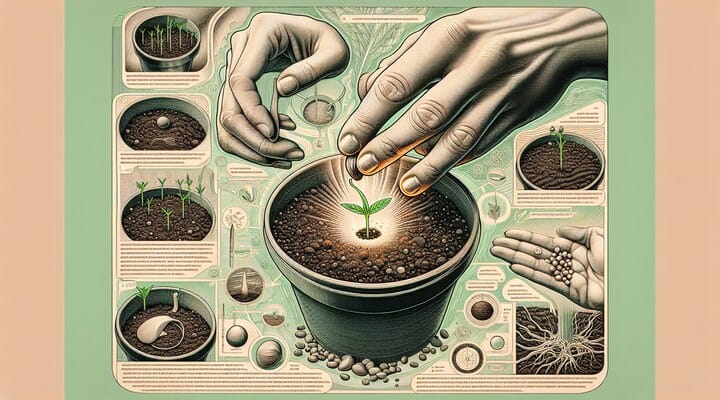
During the vegetative stage, autoflowering plants undergo critical development of their leaves, stems, and branches, which sets the groundwork for subsequent blooming. While requiring a spectrum of macro and micronutrients similar to their photoperiod counterparts, these plants typically favor feeding with a mild nutrient solution. Significantly, autoflowers differ from photoperiod species because they do not require a particular light cycle to initiate their flowering stage.
It is advisable to administer ‘Vegetative’ or ‘All Purpose’ fertilizers beginning at germination and continuing until around the six-week mark.
Nutrient Requirements
Autoflowers require a well-balanced nutrient mix during the vegetative phase to prevent over-fertilization. This balance should include both major macronutrients and critical micronutrients. It’s important to adapt nutrient regimens according to the current stage of plant growth and the responses observed in plants while vigilantly looking out for signs that can guide adjustments in feeding practices.
As autoflowers move into their blooming period, increasing the amount of bloom-specific nutrients provided incrementally is advised. One must closely monitor how autoflowers respond to these changes so as not to provide an excessive quantity of nutrients. Given their smaller stature, autoflowers typically consume less nutrients than those suggested for photoperiod strains during their flowering cycle.
Training Techniques

Low-stress training (LST) is an effective method to enhance the yield of your autoflowers by promoting lateral growth and increasing light exposure across numerous bud sites. This can result in larger buds and more abundant harvests. It’s important to steer clear of high-stress techniques like excessive pruning because they could negatively impact both the development and productivity of auto flowers.
Transition to Flowering Stage
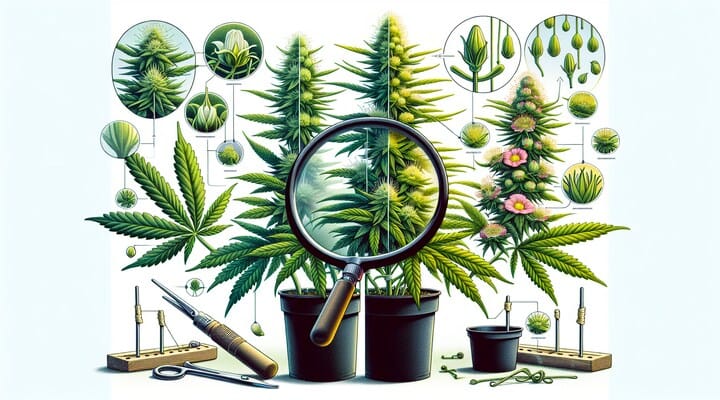
In the life cycle of autoflowering plants, moving from the vegetative stage to the flowering stage is a critical juncture. The appearance of tiny white pistils at the nodes toward the end of week four signals that autoflowering plants are entering their flowering phase. During weeks 5 and 6, these plants transition into the early flowering stage as they begin forming small clusters of flowers at their nodes.
During this entire period of flowering, it's essential to continue providing bloom-specific nutrients to aid in robust flower development.
Identifying Early Flowering Signs
It is critical to recognize the initial indications of blooming for a prosperous growth of autoflowering plants. These plants exhibit the commencement of their flowering stage by sprouting copious white pistils, also referred to as stigmas, across their structure.
Adjusting Nutrients and Environmental Factors
During the transition of your autoflower into its flowering phase, it’s crucial to adjust nutrient regimes and environmental conditions. To optimize bud development in this stage, autoflowers require:
A lighting spectrum with a high concentration of red light from 550nm up to 700nm.
An increased supply of phosphorus and potassium is critical for promoting robust flower formation.
An elevated level of micronutrients, including Calcium, Magnesium, Iron, Sulfur, Copper, and Zinc boosts both the production quality of buds and overall plant vitality.
In the concluding weeks before harvest time within the flowering period, integrating periods without light can significantly stimulate resin synthesis along with advancing terpene evolution. Implementing pure water that is pH-neutral for flushing (leaching) purposes will aid in eliminating excess nutrients, culminating in a purer taste profile for your flower buds.
Harvesting and Curing
The critical juncture for any grower arrives during the harvesting and curing phase. Autoflower buds are deemed ready to harvest when:
A preponderance of trichomes have taken on a milky appearance
The pistils transition to a reddish or brown coloration
Trichomes primarily become cloudy, with amber highlights evident
The leaves in proximity begin exhibiting signs of yellowing
Following the harvest, it is imperative to dry the buds gradually within an environment that is both dark and cool, while also ensuring adequate airflow, this step is essential for retaining taste and cannabinoid potency. Subsequent meticulous trimming guarantees high-caliber final product quality. During the curing process, autoflower buds undergo an enhancement in their flavor profile as well as potency. Marked improvements can be noted in aroma and palate owing to terpene conservation.
When to Harvest
Identifying the ideal moment to harvest your autoflowering cannabis is essential for achieving the best possible potency and yield. The prime time for harvesting these plants comes when their trichomes transition from a clear state into a blend of cloudy and amber, with an approximate ratio of 70% cloudy to 30% amber, signaling peak maturity.
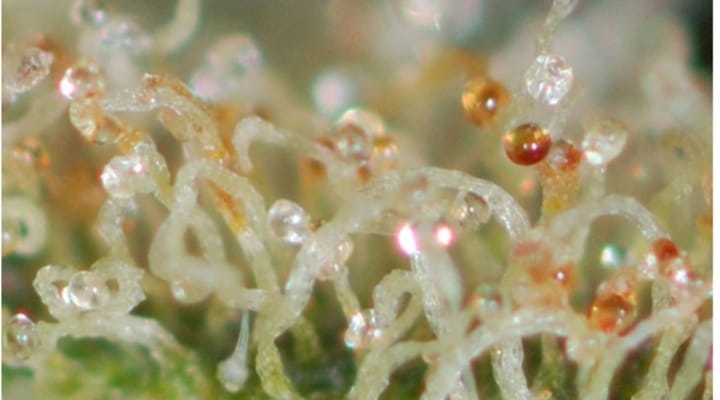
As the harvest window approaches, you’ll notice that the pistil color changes from white to darker shades such as orange, red or brown. By around week nine, most stigmas on the buds will have turned brown and started to wilt. This change indicates that the plants are matured sufficiently and ready for harvest within this optimal timeframe.
Trimming, Drying, and Curing

To properly trim and dry your autoflower harvest, adhere to the following procedures:
Delicately snip away extra leaves from the buds to enhance their overall quality and flavor.
Suspend the pruned buds in an inverted position within a darkened space with good airflow.
Regulate temperature and humidity levels within this drying area for optimal dehydration efficiency.
Before proceeding to curing, the buds must be thoroughly dried out.
Adhering to these methods will help you achieve well-trimmed, adequately dried buds of superior quality.
During the initial week of curing autoflower buds, remember daily ventilation of storage containers. This allows excess moisture to escape, which aids uniform cure development while also thwarting mold formation.
Troubleshooting Common Autoflower Issues

You may still face some common challenges when growing autoflowers despite careful cultivation. Here are some tips to help you overcome them.
Identify nutrient deficiencies by observing yellowing or spotting on leaves. Adjust your nutrient regimen accordingly.
Avoid excessive nutrient dosages that can lead to nutrient lockout. Follow the recommended dosage guidelines for your specific strain.
Protect your autoflower plants from environmental stress. This includes avoiding extreme temperatures, fluctuating humidity levels, and ensuring adequate light.
Monitor your plants closely and make adjustments as needed to create the optimal growing conditions.
Following these tips can increase your chances of successfully growing autoflowers.
In addition, it’s vital to keep an eye out for common pests and diseases that can affect your plants.
Nutrient Deficiencies and Imbalances
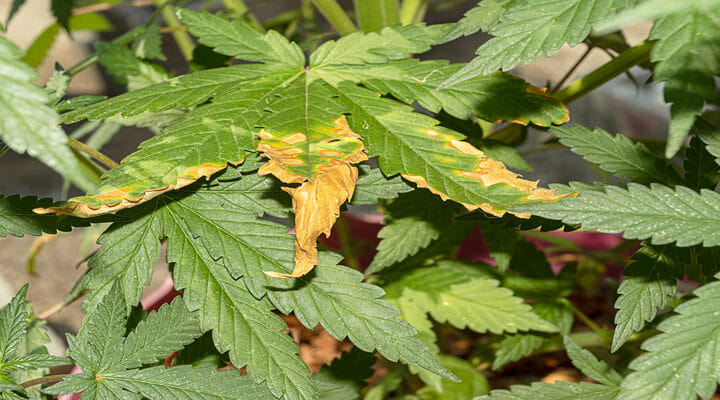
Nutrient deficiencies and imbalances can greatly affect the growth and productivity of autoflowering cannabis plants. Symptoms such as yellow leaves, slow growth, or unsatisfactory flower development in these plants may indicate they’re suffering from a lack of nutrients or exposure to harmful excesses. These problems are critical as they harm both the health and output of autoflowering cannabis.
When cultivating autoflowers hydroponically, growers might encounter challenges like nutrient imbalances and pH fluctuations. Such issues can stunt the plant’s growth and diminish its yield if not correctly managed—underscoring how vital it is for growers to maintain optimal water and nutrient solution pH levels to maximize their brief growing period.
Pests and Diseases
Pests like spider mites, aphids, and thrips can considerably harm the vitality and productivity of your autoflowering cannabis plants. Fungal afflictions such as powdery mildew and root rot are significant hazards to these types of cannabis plants.
Employing natural predators is an effective strategy for safeguarding against pests and diseases in autoflowering cannabis varieties. Ensuring adequate airflow around the plants and the periodic application of fungicides or pesticides can also serve as essential management practices.
Personal Insights and Tips from Jorge Cervantes
Leveraging his forty plus years of expertise in growing cannabis, Jorge Cervantes shares his deep understanding. Jorge Cervantes, a pseudonym for George Van Patten, is a legendary figure in the world of cannabis cultivation. With a career spanning more than 40 years, Jorge has authored more than 50 books and DVDs, available in multiple languages, making him a prolific self-publisher and influencer in the cannabis cultivation sphere. His seminal work, "Marijuana Horticulture: The Indoor/Outdoor Medical Grower’s Bible," is often referred to as "the Grow Bible" and the Cannabis Encyclopedia (available for FREE) have been instrumental in shaping modern cannabis cultivation techniques.
He highlights the distinctive benefits of autoflowering plants, which naturally progress from vegetative growth to the flowering stage according to their age without necessitating changes in lighting schedules— a requirement for strains that depend on photoperiods.
Autoflowering cannabis plants offer growers a fast, efficient, and user-friendly option for producing high-quality flowers. By understanding the unique characteristics of autoflowers, selecting the suitable strains, and optimizing growing conditions, nutrients, and training techniques, growers can maximize their yields and achieve exceptional results.
Autoflowers thus present an invaluable asset for cultivators regardless of experience, providing an uncomplicated and robust path to successful plant cultivation that promises gratifying results.
Encouraging Community Engagement
Please don’t hesitate to post about your autoflower cultivation journey and offer advice in the comments section below. Each cultivator has a unique story, and sharing your knowledge could aid others in charting their course.
Is there an autoflower strain that you’re particularly fond of? Have you stumbled upon a nutrient concoction that’s exceptionally beneficial for your autoflowers? Or maybe you’ve devised a clever fix to a widespread issue? Your contributions, whatever they may be, are valuable and can contribute to nurturing an educational collective for aficionados of autoflowers.
Summary
Here is an all-encompassing tutorial for cultivating autoflower seeds effectively. It spans from recognizing the distinct characteristics of autoflowering cannabis, choosing appropriate seeds, and establishing a perfect grow space, caring for your plants throughout their vegetative and bloom phases, and including the stages of harvest and cure. With this knowledge in hand, you’re ready to commence your adventure with autoflowering cannabis horticulture. Keep in mind that each plant presents a chance to learn more, with every cultivation cycle moving you closer to becoming adept at growing cannabis.
Frequently Asked Questions
What makes autoflowering cannabis plants unique?
Unlike traditional photoperiod plants that depend on specific light schedules to enter the flowering stage, autoflowering cannabis plants initiate this phase based purely on their age, without depending on the light cycle. This characteristic offers growers greater versatility in cultivating these cannabis varieties.
How long does it take for autoflowers to complete their life cycle?
Growers often favor autoflowers because they have a quick life cycle, usually finishing it within 8 to 10 weeks, allowing for rapid cultivation and harvest.
How should I select autoflower seeds?
Ensure that you opt for autoflower seeds that align with your taste and the effects you’re aiming for, and prioritize acquiring top-notch genetic varieties from well-regarded breeders to achieve optimal outcomes.
What are the signs that an autoflower is ready to harvest?
When the autoflower buds exhibit a majority of trichomes that have achieved a milky hue and the pistils have adopted a reddish/brown coloration, this indicates that the plant has reached optimal maturity and is primed for harvesting.
What are some common issues I may encounter when growing autoflowers?
To ensure healthy growth in autoflowers, it is essential to vigilantly monitor for any signs of nutrient deficiencies as well as pests and diseases. Adjusting your care regimen accordingly plays a key role in maintaining the plants’ wellbeing.


