
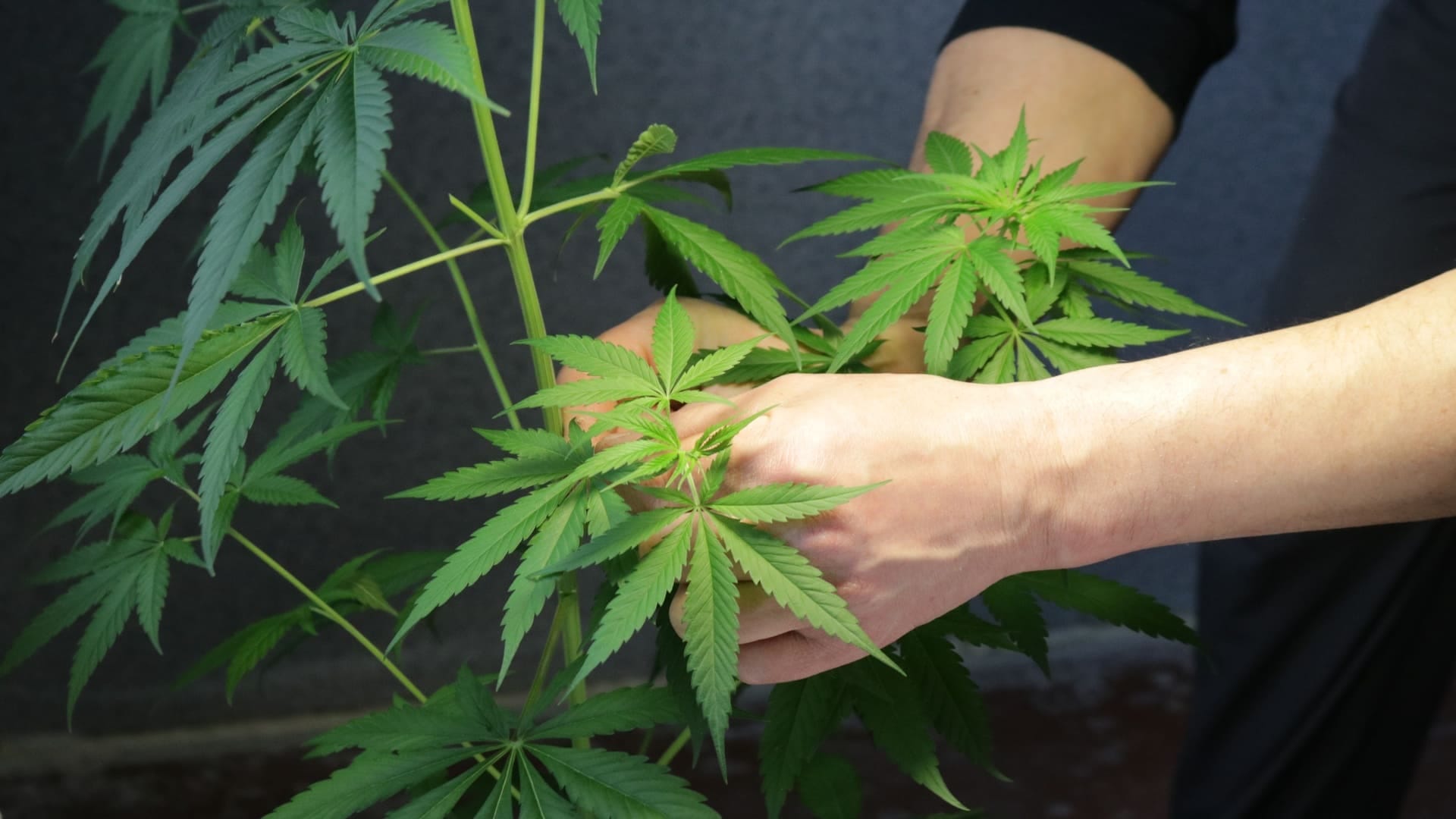
Learning how to care for pot plants indoors is partly about horticulture, but it’s also an exercise in attention. Indoors, the grower takes responsibility for many of the conditions that nature would normally provide. Light, moisture, moving air, temperature, and seasonal rhythms all become deliberate choices rather than background conditions.
That responsibility teaches us a useful lesson: plants rarely depend on one dramatic intervention. Instead, they respond to a series of small, consistent decisions made over time. Experienced cultivators don’t simply follow a calendar. They observe the room, pay attention to how each plant responds, and make careful adjustments when needed.
Before growing cannabis, confirm that home cultivation is legal where you live and follow all applicable plant count, security, and visibility requirements. Once that’s taken care of, much of the learning begins with the environment you create.
How To Care For Pot Plants: Key Takeaways
- Treat the grow room as a connected ecosystem, where light, temperature, humidity, airflow, watering, and the growing medium all influence one another.
- Make daily observation part of your growing routine. Changes in leaf colour, posture, growth, and the growing medium can provide valuable clues about plant health.
- Water according to the plant and growing medium rather than following a rigid calendar. Container weight, moisture levels, and recent water use can be more useful indicators.
- Pay attention to conditions at plant level, particularly around the canopy, rather than judging the environment solely from how the room feels.
- Keep the grow space clean and organised. Removing dead material, cleaning tools, and checking new plants or materials can make problems easier to spot and help reduce potential issues.
- Keep a simple grow journal. Recording environmental changes, feeding, training, plant symptoms, and photographs can help reveal patterns that aren't obvious from memory alone.
- Avoid making several major changes at once when something looks wrong. Making thoughtful adjustments and observing the plant's response can help you understand what is actually happening.
The Grow Room Is a Small Ecosystem
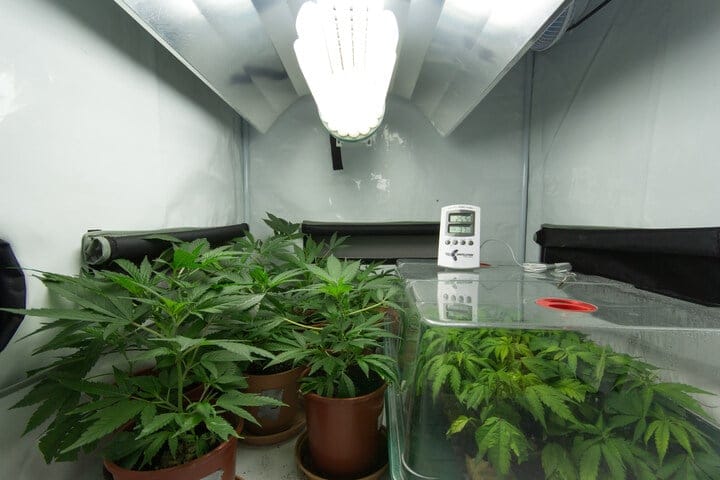
A grow room is essentially a small ecosystem. Growing indoors gives the cultivator considerably more control over the environment, but that control also comes with responsibility. Everything happening in the surrounding room can influence the plants in one way or another.
The environment affects how quickly the growing medium dries, how efficiently leaves exchange moisture with the surrounding air, and how vulnerable plants may be to stress, pests, or mold. Indoor growers also have to provide many of the basic elements that nature supplies outdoors, including light, moving air, fresh air, and moisture.
It helps to think about these factors as parts of a connected system rather than individual settings. Light provides the energy plants need for photosynthesis, but it can also generate heat. Ventilation removes warm, humid air, but excessive airflow can dry plants too quickly. Humidity influences water use, leaf transpiration, and the likelihood of certain fungal problems. Containers and growing media affect drainage, root aeration, and watering frequency. Even outdoor weather still matters because seasonal changes in heat and humidity can influence conditions inside your home and grow room.
Temperature and humidity are particularly interconnected. Adjusting one part of the environment can influence several others, which is why experienced growers tend to look at the entire room before changing an individual setting.
The goal isn’t to make the environment completely static. Small fluctuations are normal and are part of growing a living plant. Instead, aim to avoid large, repeated swings while developing an understanding of how one environmental adjustment may influence the rest of the room.
Related Article:Set Up Your Own Cannabis Grow Room
Daily Observation Is One of the Most Important Grow Room Skills
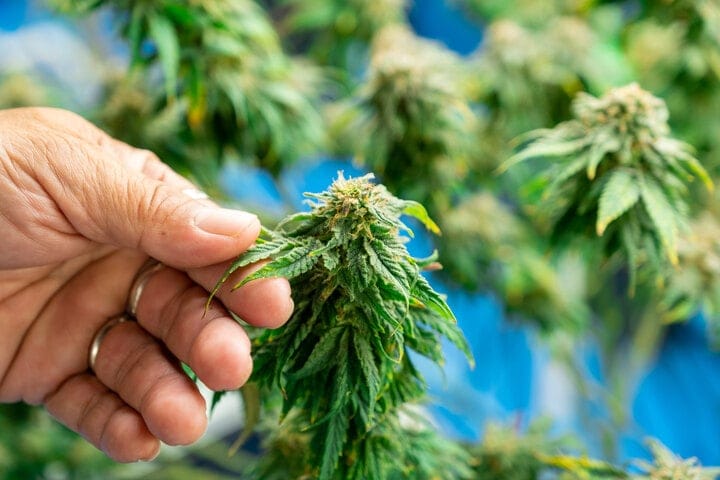
One of the most useful skills you can develop when learning how to care for pot plants is daily observation. Equipment can measure environmental conditions, but it can’t replace your own attention to detail. Over time, experienced growers learn to inspect their plants regularly and compare what they see with how those plants looked the day before.
During a daily check, look at the color and posture of the leaves, including both the tops and undersides. Pay attention to spots, curling, yellowing, damaged edges, insects, webbing, mildew, or unusual residue. Check whether stems appear firm and supported, and inspect the growing medium before deciding whether it's time to water. It's also worth confirming that fans, lights, timers, and other essential equipment are operating normally.
Young plants benefit particularly from daily observation because relatively small environmental changes can have a noticeable effect on them. Regular inspections should include the stalks, leaves, branches, growing medium, and essential equipment.
The real value comes from comparison. A single unusual-looking leaf can have many explanations and isn't necessarily cause for concern. A pattern appearing across several leaves—or a symptom that becomes more pronounced over several days—provides much more useful information. Learning to notice those gradual changes is part of becoming more familiar with the plants you're growing.
Learn to Read Subtle Plant Cues
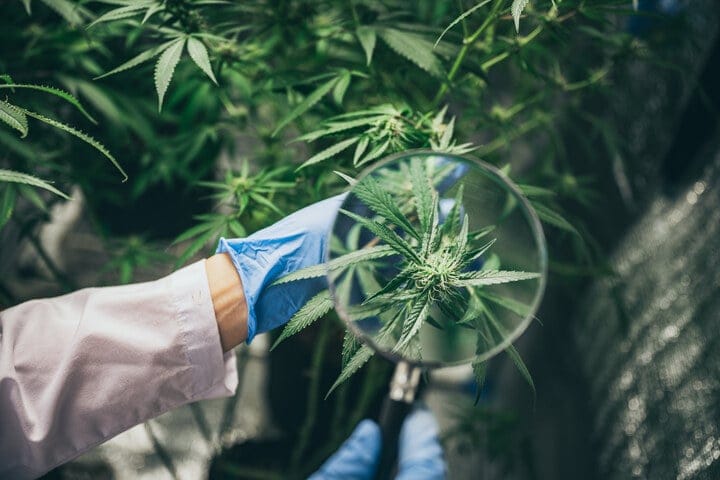
Plants might not speak to you directly, but they communicate through their color, posture, structure, and pace of growth. The challenge is that many visible symptoms can have more than one possible cause. Drooping leaves, for example, might result from too much water, too little water, excessive heat, or problems around the root zone.
For this reason, experienced cultivators tend to avoid making several major changes at once. Instead, consider what has changed recently and whether the issue is affecting old growth, new growth, or the entire plant. Look at whether the problem is isolated to one plant or appearing throughout the room. Check whether the growing medium seems unusually wet or dry and whether temperature, humidity, or airflow have changed from their normal ranges.
It also helps to watch the symptom over time. Is it improving, remaining stable, or spreading?
Close observation allows growers to notice potential problems before they become more difficult to manage. It also helps you adapt general growing recommendations to what individual plants are actually communicating.
This approach turns plant care into a process of observation and diagnosis rather than guesswork. It can also prevent a common mistake: responding to a relatively minor issue with excessive watering, fertilizer, pruning, or environmental changes that create additional stress.
Water According to the Plant, Not Just the Calendar
One of the most common mistakes indoor gardeners make is watering automatically because a particular day has arrived. A schedule can be useful as a reminder to check your plants, but it shouldn't replace observation.
Water consumption changes according to plant size, growth rate, container size and material, temperature, humidity, air movement, light intensity, and the drainage and water-holding capacity of the growing medium. As a result, the same plant may not require water at exactly the same interval throughout its life.
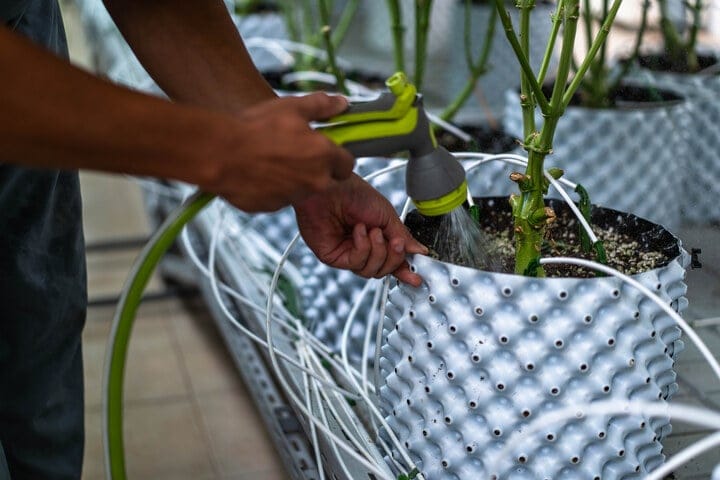
Overwatering can create problems around the root zone, while allowing plants to become excessively dry can also cause unnecessary stress. The aim is to provide adequate moisture while still allowing oxygen to reach the roots rather than keeping the growing medium continuously saturated.
Before watering, look for evidence that the plant and root zone are ready. The condition of the growing medium, the weight of the container, and the plant's recent water use are often more informative than the date on a calendar.
As you become familiar with your plants, take note of how long the medium typically remains moist. A container that suddenly begins drying much faster—or remains wet considerably longer—can tell you that something has changed. The difference might relate to plant growth, environmental conditions, root development, or another factor worth investigating.
Related Article:How And When To Water Cannabis Plants: A Guide For Indoor Growers
Observe Light at Plant Level
A grow room may feel comfortable when you're standing in it, but conditions at the canopy can be noticeably different. The upper leaves may experience more intense light and warmer temperatures than the rest of the room. Likewise, natural light entering through a window changes with cloud cover, season, orientation, and time of day.
Rather than judging light by how bright the room appears to you, observe how the plants respond. Uneven growth toward one side, excessive stretching, pale or stressed upper leaves, hot spots around the canopy, or leaves consistently shading one another can all provide useful clues.
Natural sunlight can be useful, but it isn't as consistent as a controlled indoor light source. Seasonal changes, weather patterns, and heat near windows can all influence how much usable light a plant receives throughout the day.
The broader lesson is to assess conditions where the plant actually experiences them rather than relying only on your general impression of the room. Checking the canopy from several angles, maintaining thoughtful spacing, and occasionally rotating appropriate plants can reveal imbalances that are easy to miss when simply looking into the room from the doorway.
Make Cleanliness Part of the Ritual
Caring for plants isn't only about watering and feeding them. The surrounding grow space deserves attention as well. Dirty tools, clutter, standing water, and dead plant material make it harder to notice changes and can create places where pests or mold may develop.
Simple habits can make a meaningful difference. Remove fallen or dead leaves when you notice them, clean spills promptly, keep containers and floors free of unnecessary debris, wash your hands before handling plants, and clean tools between uses. It's also useful to limit unnecessary traffic through the grow room and inspect new plants or materials before bringing them into the space.
Routine inspections, early identification of pests or stress, and general cleanliness can prevent relatively small issues from becoming larger problems. A clean room also makes observation easier. When you know what the space normally looks like, a new spot, insect, leak, or patch of unusual residue tends to stand out much sooner.
Over time, these small cleaning tasks can become part of the normal rhythm of tending the garden rather than something reserved for when a problem appears.
Related Article:How To Clean A Grow Tent
Keep a Simple Grow Journal
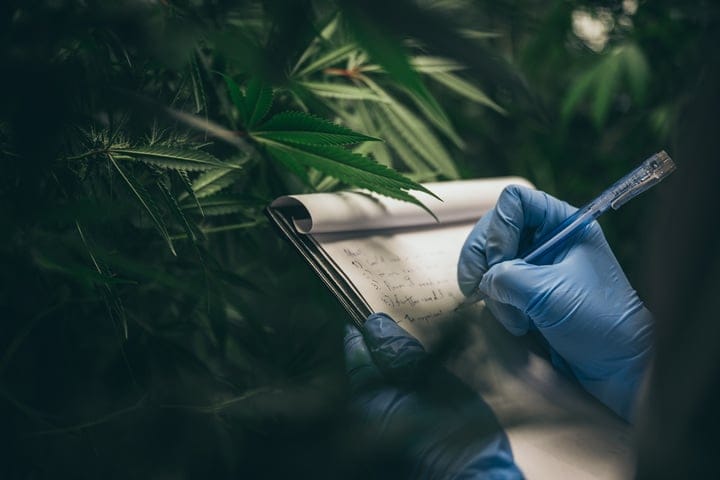
Memory isn't always reliable, particularly when subtle changes develop over several days or weeks. Keeping a simple grow journal can help connect changes in plant appearance with environmental conditions and recent decisions.
I personally always record the date, feeding strength and amount, any major issues with the plant’s appearance, pruning or training performed, transplanting, light cycle changes, and even pH or EC/PPM if I take those measurements. Taking photos from roughly the same angle can be especially helpful because it creates a visual record that's easy to compare later.
The journal doesn't need to be elaborate. A few lines and a photograph may be enough. Over time, you'll build a personal reference showing what healthy growth looks like in your particular environment.
This is one of the quieter benefits of growing plants over multiple cycles. Records from previous grows can help you recognize patterns, understand how your environment changes with the seasons, and make more informed decisions in the future.
Learning Through the Routine
To care for pot plants well, it helps to become a student of cause and effect. The plant responds to its genetics, stage of life, and surrounding environment, while the grow room responds to weather, equipment, and the choices you make each day.
Indoor cultivation tends to reward patience more than perfection. Plants won't look identical every day, and occasional setbacks are a normal part of learning. Experience doesn't necessarily mean avoiding every problem. More often, it means becoming better at noticing changes early, responding thoughtfully, and giving the plant enough time to show you whether an adjustment is helping.
That process is part of what makes growing interesting. Checking the plants, noticing a new leaf, learning how the room changes with the seasons, and gradually understanding what each plant needs can become its own routine. Over time, caring for the garden becomes less about constantly trying to control it and more about learning to work with what the plants are telling you.
For more details on how to grow cannabis indoors, check out my book 7 Steps To Grow Cannabis. It’s a complete beginner’s guide to growing cannabis indoors. You can get it on my website, or on Amazon. Happy growing!
Frequently Asked Questions
How often should I check my indoor cannabis plants?
Daily observation is recommended. Regular checks allow you to notice changes in leaf colour, posture, growth, pests, the growing medium, and equipment before a minor issue potentially develops into a larger one.
Should I water my cannabis plants on a fixed schedule?
Not necessarily. A calendar can remind you to check the plants, but watering needs change with plant size, environmental conditions, container size, growing medium, and other factors. Check the condition of the growing medium and container, along with the plant's recent water use, before watering.
Why is it important to check conditions at canopy level?
The conditions experienced by the upper leaves can differ from those elsewhere in the room. Light intensity and temperature may be higher around the canopy, so observing the plants where they actually experience the environment can reveal hot spots, uneven lighting, or other imbalances.
How important is cleanliness in an indoor grow room?
Cleanliness is an important part of routine plant care. Removing dead plant material, cleaning spills and tools, keeping the area free from unnecessary debris, and inspecting new plants or materials can make changes easier to spot and help prevent small problems from becoming larger ones.
Why should I keep a grow journal?
A journal creates a record of what happened during a grow. Recording feeding, environmental or light-cycle changes, training, transplanting, plant symptoms, and measurements such as pH or EC/PPM can help you identify patterns and make more informed decisions during future grows.
What is the most important skill for a new indoor grower to develop?
Learning to observe the plants and understand cause and effect is one of the most valuable skills. With experience, growers become better at recognising patterns, identifying changes early, and responding to what the plants are actually showing rather than relying entirely on rigid schedules.


