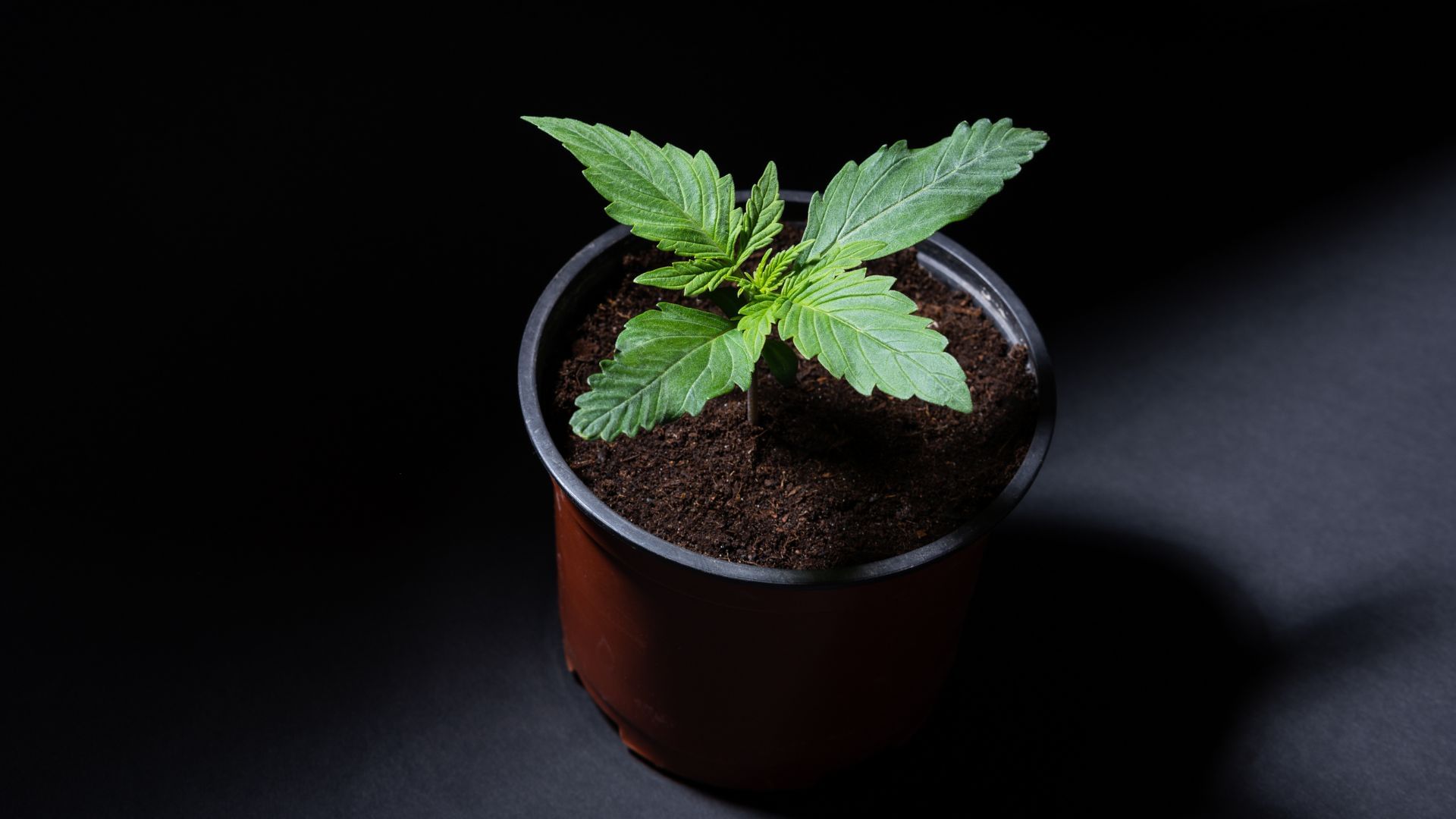
Autoflowering cannabis plants, a marvel in cannabis cultivation, have transformed traditional growing methods. These unique plants automatically transition from vegetative growth to the flowering stage based on age, eliminating the need for growers to adjust light schedules as required with photoperiod-dependent strains. As a result of the crossbreeding of indica or sativa plants with ruderalis, a resilient subtype of cannabis native to regions with limited sunlight, autoflowering varieties often reach harvest in less than ten weeks from seed. Their compact stature, typically between 60-100 cm, makes them ideal for discreet cultivation, while their rapid growth cycle, spanning approximately 7-10 weeks, offers growers a quick turnaround.
We delve deeply into the art and science of cultivating these distinctive strains in this extensive guide, which the esteemed Jorge Cervantes and Dr. Gary Yates co-authored. The article, "Hours of Light for Autoflowering plants," provides a detailed exploration of the optimal light cycles required at various stages of an autoflowering plant's development. From the basics of autoflowering cannabis genetics to the scientific fundamentals of light cycles, this article is a beacon of knowledge for novice and seasoned growers.
While autoflowering plants offer numerous advantages, such as convenience and rapid growth, they also come with particular challenges. Historically, autoflowers are outperformed by their photoperiod cousins, and their shorter growth cycle might result in lower yields. However, advancements in cultivation techniques, particularly in light spectrum optimization, have shown promising results in enhancing the morphology and cannabinoid content of these plants. LED technology, in particular, has been identified as a game-changer, influencing growth habits and cannabinoid profiles significantly compared to traditional high-pressure sodium (HPS) light sources. Moreover, research indicates that elevated CO2 concentrations can boost the photosynthetic rate of Cannabis sativa, hinting at its potential for enhanced growth in CO2-rich environments.
Jorge Cervantes, with his four decades of experience in cannabis cultivation, brings to this article a wealth of knowledge and expertise. His illustrious career, which includes works like "The Cannabis Encyclopedia" has consistently emphasized the significance of comprehending the scientific principles and fundamentals of cannabis cultivation. Dr. Gary Yates complements Cervantes ' insights with his robust academic background in Genetics and Plant Science. Together, their combined expertise offers readers a holistic understanding of autoflowering cannabis cultivation.
In conclusion, this article is a testament to the combined expertise of Jorge Cervantes and Dr. Gary Yates. As the cannabis industry continues to grow and evolve, such writings will pave the way for informed, sustainable, and successful cultivation practices.

Autoflowering cannabis varieties (a.k.a. strains) have become increasingly popular among growers and enthusiasts. Their rapid growth, relatively small size, and shorter flowering periods make them perfect for maximizing yield and minimizing effort. In this short yet comprehensive guide, we'll explore the best ways to flower autoflowering cannabis varieties and focus on the optimal light cycles throughout the plant's development. With solid scientific foundations and knowledgeable practical guidance, we can now explore the world of autoflowering cannabis.
The Basics of Autoflowering Cannabis
Autoflowering cannabis strains result from genetic crossing between Cannabis ruderalis and Cannabis indica or c. sativa. Unlike photoperiod cannabis plants, which rely on a specific light schedule, usually, 12 hours of darkness and 12 hours of light to trigger a vegetative plant into the flowering stage, autoflowering plants automatically transition based on age (1). This unique trait allows you, the grower, to harvest faster and more frequently, making autoflowering strains ideal for novice and experienced cultivators.
Lighting Requirements for Autoflowering Cannabis
Seedling Stage

During the seedling stage, which lasts for about 3 weeks, young autoflowering plants require a moderate and consistent light source. Providing 18-20 hours of light per day is ideal to ensure that autos receive enough energy for robust growth (2). A lower-intensity light source, such as fluorescent or low-power LEDs, will help prevent the delicate seedlings from burning or becoming stressed.
Vegetative Stage

Autos will develop more foliage and branches as they enter the vegetative growth stage. Autoflowering cannabis varieties will typically spend 3-4 weeks in this stage, and they require a strong, consistent light source to fuel their rapid growth (3). Achieve best results with 18-20 hours of more intense light per day during this stage. Full-spectrum LEDs are the most efficient followed by high-intensity discharge (HID) – high-pressure sodium (HPS) and metal halide (MH) – grow lights, are good choices to provide the necessary light intensity (4).
Flowering Stage

Autoflowering plants automatically transition to the flowering stage, which typically lasts 6-8 weeks, depending on the strain. While photoperiod plants require a 12/12 day/night light schedule to initiate flowering, autoflowering plants do not have this requirement. However, reducing the hours of light per day to 12-18 hours can help conserve energy and may even result in slightly larger yields (5). Many experienced growers opt for a 12/12 or 14/10 (light/dark) schedule during flowering, while others stick to the 18/6 (day/night) schedule to maximize growth and yield potential (6).
Scientific Fundamentals of Light Cycles
Cannabis plants rely on light to photosynthesize and produce energy. Different light wavelengths (spectrums) and intensities stimulate growth processes, such as chlorophyll production, branching, and bud development (7). Autoflowering cannabis strains, while less sensitive to light cycles, still require a careful balance of light and dark periods to optimize growth, yield, and potency. Experimenting with different light schedules and intensities can help growers find the “sweet spot” for specific autoflowering strains.
Conclusion
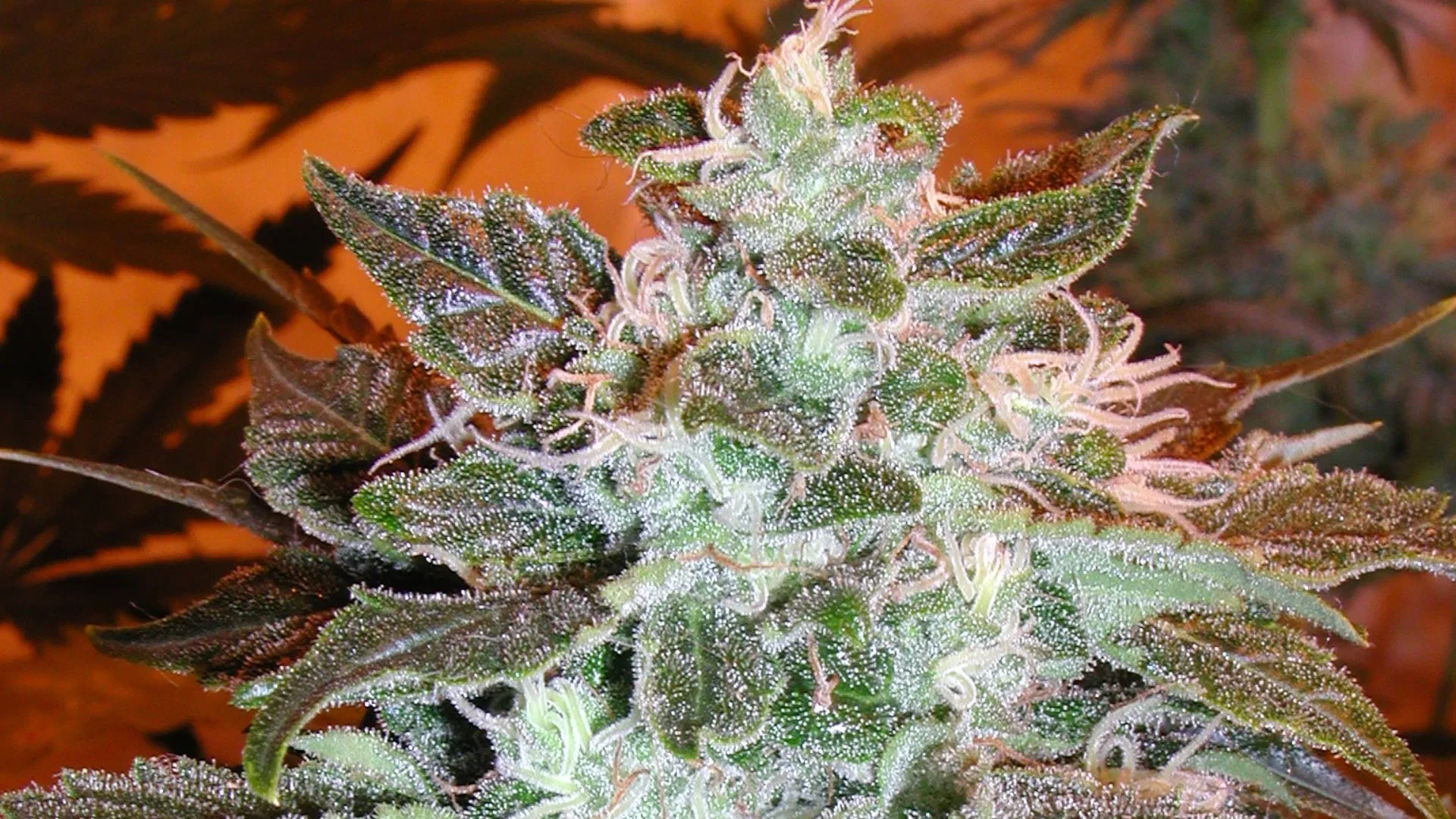
Growing autoflowering cannabis varieties requires attention to detail, especially regarding light cycles. Growers can achieve impressive yields and potent flowers by providing consistent and appropriate lighting throughout the plant's development. This concise guide gives you the basic knowledge you need to cultivate autoflowering cannabis plants that will thrive and flourish, and scientific fundamentals and expert insight back it. Now, get ready to master the art of growing consecutive crops of autoflowering cannabis, and join the ranks of prosperous cultivators in the ever-expanding world of cannabis cultivation.
___________________________________________________________________
References:
(1) Small, E. (2018). Dwarf germplasm: The key to giant Cannabis (Cannabis spp., Cannabaceae) plants. Genetic Resources and Crop Evolution, 65(3), 665-679.
(2) Chandra, S., Lata, H., Khan, I. A., & ElSohly, M. A. (2017). Photosynthetic response of Cannabis sativa L., an important medicinal plant, to elevated levels of CO2. Physiology and Molecular Biology of Plants, 23(3), 519-526.
(3) Magagnini, G., Grassi, G., & Kotiranta, S. (2018). The Effect of Light Spectrum on the Morphology and Cannabinoid Content of Cannabis sativa L. Medical Cannabis and Cannabinoids, 1(1), 19-27.
(4) Backer, R., Schwinghamer, T., Rosenbaum, P., McCarty, V., Eichhorn Bilodeau, S., Lyu, D., ... & Smith, D. L. (2019). Closing the yield gap for cannabis: a meta-analysis of factors determining cannabis yield. Frontiers in Plant Science, 10, 495.
(5) Fischedick, J. T., Hazekamp, A., Erkelens, T., Choi, Y. H., & Verpoorte, R. (2010). Metabolic fingerprinting of Cannabis sativa L., cannabinoids and terpenoids for chemotaxonomic and drug standardization purposes. Phytochemistry, 71(17-18), 2058-2073.
(6) Hawley, D., Graham, T., & Stasiak, M. (2018). Optimizing medical cannabis lighting spectra for increased terpene and cannabinoid production. Acta Horticulturae, 1227, 449-456.
(7) Lefsrud, M. G., Kopsell, D. A., Sams, C. E., & Both, A. J. (2008). Irradiance levels affect growth parameters and carotenoid and glucosinolate concentrations in Brassica microgreens. HortScience, 43(7), 2241-2247.