
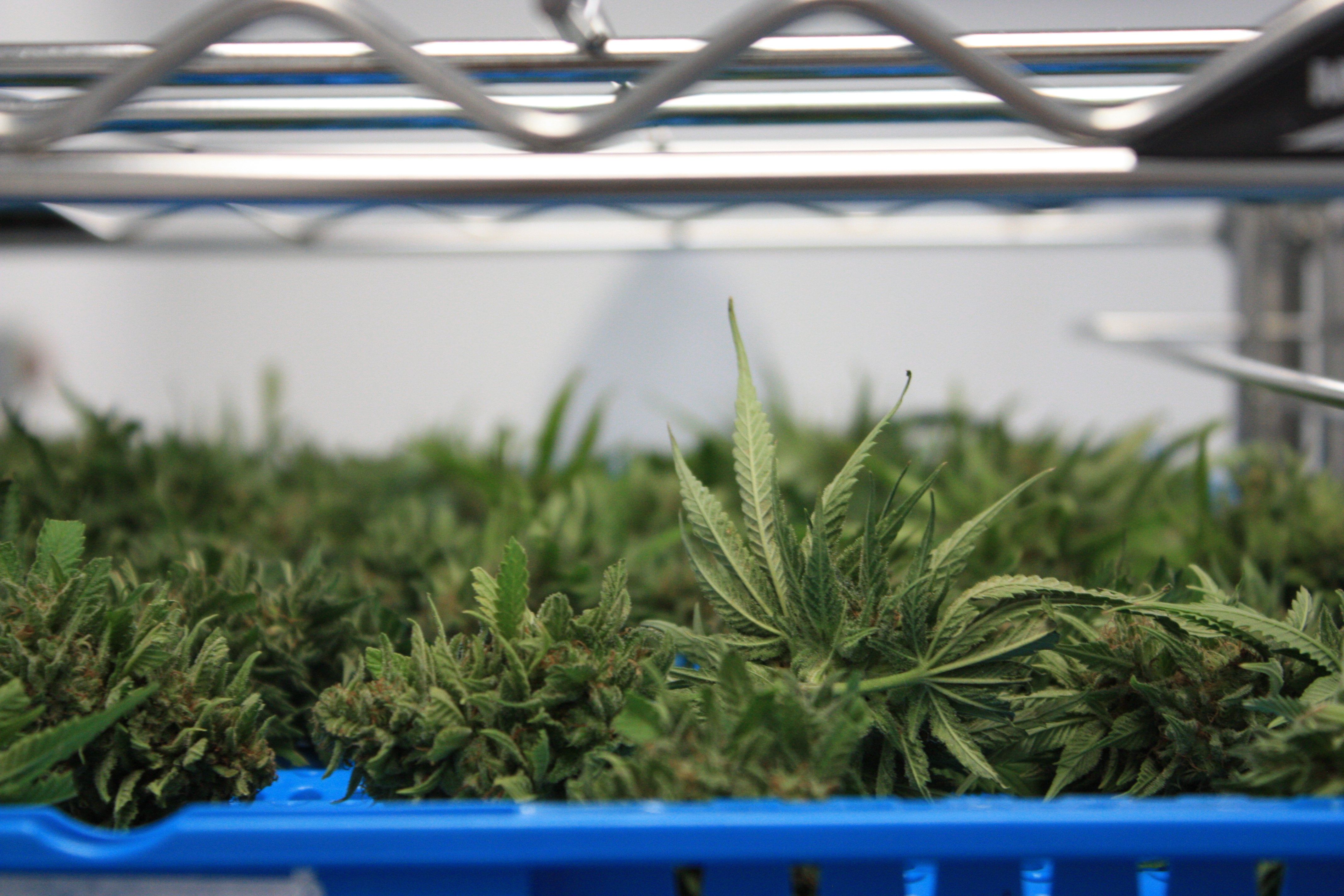
Harvest time is approaching for many outdoor growers, and this is what it’s all about. You’ve spent months carefully nurturing and tending to your plants, and now comes the time to gather the fruits of your labor. The post-harvest phase is crucial to the cultivation process and can make or break the quality, flavor, and potency of the final product - assuming it’s there in the first place – so it’s important to navigate this process with caution.
Sadly, many novice growers nullify their hard work by making some common post-harvest mistakes. There are a number of pitfalls to be avoided during the post-harvest stage, but here we will turn the spotlight on five of the most common mistakes cultivators make after the plant is cut from its roots.
Before getting deep into it, the first two on the list could be covered by the one title - aggressive drying - however, to give this subject the attention it deserves, we’ve split this point into two; over-dehumidifying, and overheating during dry.
1. Over-Dehumidifying During The Dry
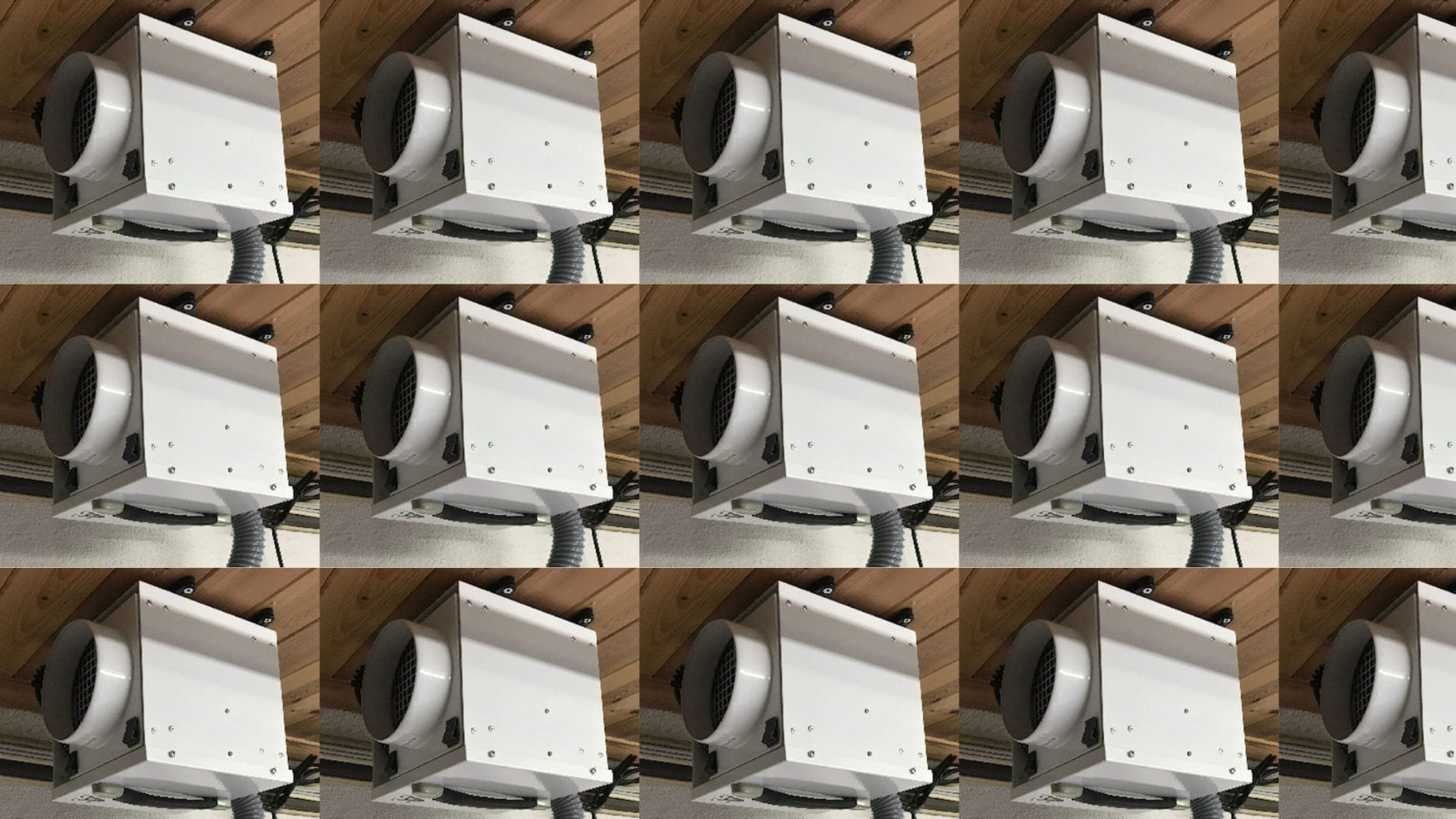
Dehumidification is perhaps the quintessential part of the post-harvest process as it is essentially the method by which your cannabis buds dry. Ensuring that the environment is perfect for adequate moisture lost whilst not going too low, and at the same time not favourable for mold, is a fine balance. Overly-aggressive dehumidifying can disrupt that balance. Aggressive drying through very low dehumidification can accelerate the evaporation of essential phytochemicals such as terpenes — the volatile compounds partly responsible for the unique aroma and flavour profile of cannabis. There's also potential risk for the degradation of cannabinoids, including THC, the primary psychoactive compound. This article contains more informaton on how to safely dry your buds for optimal terpene preservation.
Over-dehumidifying can cause damage to the trichomes which house these important chemicals. To strike a balance, it's advisable to monitor environmental conditions rigorously. A well-calibrated hygrometer is indispensable here and will provide accurate readings. Ideally, a relative humidity of 55-65% should be maintained. However, in the professional realm, drying with a moving setpoint throughout the dry is the way to go. For example, starting at 65% is a good idea, even if 58% is the final setpoint. A few days at 65% RH then lowering by 1% a day for 5 days make the first week of the dry nice and gradual, and not too aggressive. Continuing at 60% for a few days into the second week before lowering further is advisable.

2. Overheating the Drying Phase
For newbies, the temptation to cook cannabis dry can be hard to resist, especially for those desperate to try the fruits of their first grow! However, and this cannot be stressed enough, do not ‘heat’ dry your cannabis, as doing so will severely degrade the quality and diminish the experience.
Common Mistakes To Avoid
- Putting harvested buds in a boiler room
- Leaving them under the lights (This should be a criminal offence!)
- Placing them on top of radiators
- Putting them in the oven!
Temperature plays a significant role in the preservation of terpenes and cannabinoids, and should be set at a more consistent number throughout the dry than the sliding scale of RH. When drying cannabis at elevated temperatures, there is an increased loss of these vital compounds, leading to a sub-par product that may carry a hay-like odor indicative of improper drying. Terpenes are delicate and can be lost to evaporation or degradation under unfavorable conditions such as elevated temperatures.
To retain the integrity of these compounds, the temperature should be consistent, hovering between 60-70°F (15-21°C). Many craft growers opt for the low end of that range and will dry for 16 days at the lower temperatures. Automation systems or temperature-controlled environments can aid in achieving this precision.
3. Collecting Buds When Moisture Content is Too High
One of the fundamental post-harvest principles is ensuring your product is uniformly dried. Buds with a high moisture content are an invitation to fungal growth (more on how to handle that can be found in this article) may retain a hay-like smell, and can ruin the rest of the batch by being susceptible to bud rot and mildew. These fungi thrive in moist, clean conditions, and pose a threat to the harvested cannabis by producing mycotoxins or completely degrading the product. High moisture can chemically interact with the cellular structures, reducing the shelf-life, while impacting the aroma and flavor. It should be noted that damp buds do not grind well, and you’ll likely have to use more of your flower than you would with properly dried buds. Improperly dried cannabis flower can even cause a harsh sensation on the throat and chest when smoked or vaped.
Before storage or collection, buds should be adequately dried. A rudimentary, yet effective test, is to cram as much bud as possible (without compressing) into an airtight container (even a small Tupperware works) with a small hygrometer. Leave at 20 degrees for 12 hours and check the RH. Ideally, you want to see 57-60% - a water activity reading of 0.57 – 0.6. This is usually a perfect final moisture level for high quality cannabis.
4. Not Providing Enough Space/Airflow During the Drying Phase
Another common post harvest mistake involves clumping all your buds together to dry out. Airflow is paramount for an even, quality dry, and to deter the growth of pathogens. Lack of adequate airflow can create microenvironments where humidity is trapped, fostering conditions ripe for insufficient drying, but also for pathogen growth. Stagnant air does not allow for the efficient evaporation of moisture and leads to pockets of dampness and a propagation site for mold to get going. To circumvent this, ensure buds are spaced out during the drying phase. If hanging whole plants, try to separate branches so they allow some air to move around. Oscillating fans, strategically placed to avoid direct contact, I.E. not blowing directly on to the buds, promotes air circulation in the drying area and can be beneficial. If buds are bunched together too closely, drying will take forever, likely resulting in a reduction in quality and could even lead to a foul-smelling end product.
5. Overhandling the Buds
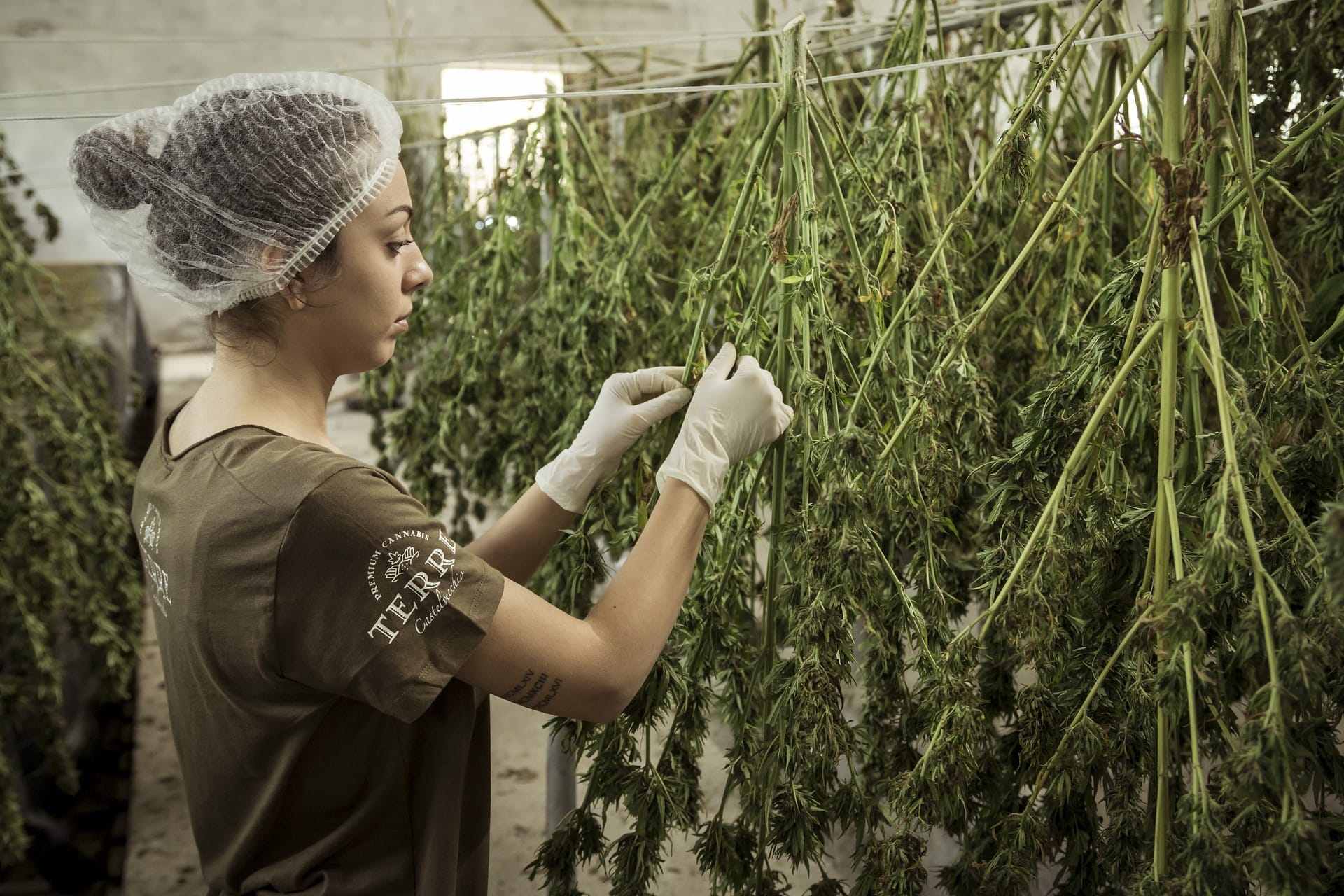
The temptation to constantly touch, squeeze, smell, and fondle your buds is omnipresent, and overhandling is an easy post harvest mistake to make. This is not a problem when copious amounts are being produced, but for those on a small scale, every bud is precious! For many, rough handling is often overlooked, but consider the ways we have to move the finished product from container to container. This amount of handling leads to more and more trichome loss. The physical structure of cannabis means trichomes are largely on the exterior, and these tiny, glandular structures, rich in cannabinoids, are easily displaced. Excessive or rough handling can cause trichomes to break or fall off, leading to a noticeable reduction in potency. Furthermore, handling can introduce contaminants that might compromise the purity of the product. Best practice dictates minimal contact, and when necessary, using gloves to preclude direct contamination, minimising any shake, rattle, or rolling!
In Conclusion
The science underpinning post-harvest care for cannabis is still far from complete. By recognizing and mitigating these rookie mistakes, cultivators ensure a product that retains its quality, offering beginners a guide to reducing any harm in the post-harvest phase. More experienced users will have issues too! Post-harvest mistakes are not limited to beginners, and even pros will complain about issues in the drying or curing process. However, sticking to a few basics as outlined above will help steer newbies clear of some common rookie mistakes and ensure that the outcome of your grow is quality cannabis flower fit for the top shelf!


