
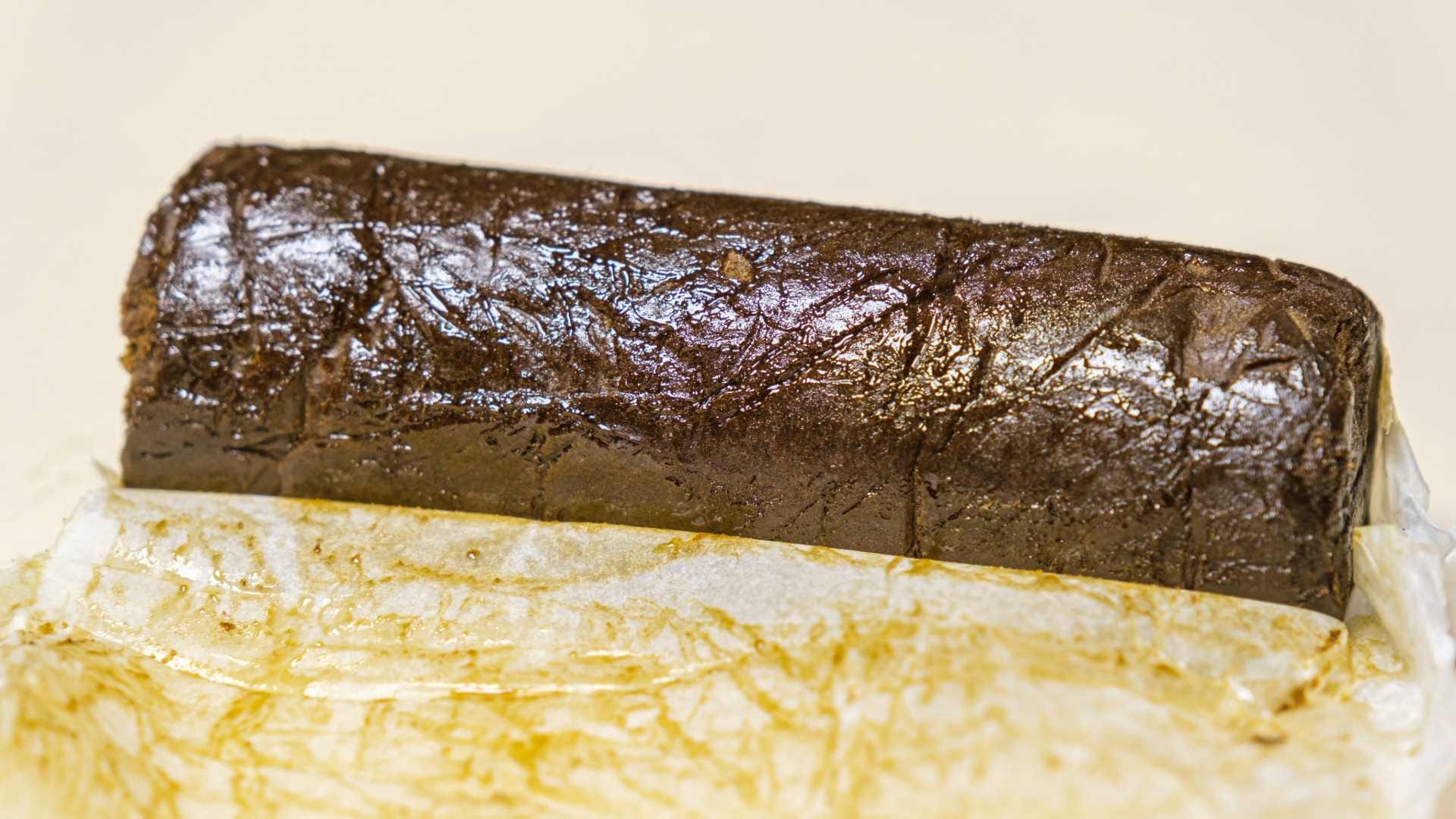

Cannabis culture in South Africa is thriving, with a growing number of enthusiasts exploring not just local strains, but also exotic cannabis products from around the globe. Among these is a legendary concentrate that has captured the imagination of connoisseurs and spiritual seekers alike – charas. Charas is commonly produced and consumed in regions such as India, Pakistan, and Nepal, where it holds deep cultural and spiritual significance. It is regarded as one of the oldest forms of cannabis concentrate, with a rich heritage steeped in mysticism and spirituality. With its deep roots in Indian tradition and its reputation for purity, charas is more than just a potent cannabis product; it’s a cultural artefact with a global appeal,
Whether you’re a seasoned smoker curious about traditional cannabis concentrates or a beginner interested in ancient methods, this guide will unpack everything you need to know about charas – from its origins and production methods to its uses and effects.
What is Charas?

Charas is a hand-rolled cannabis concentrate made by rubbing the live resin off fresh cannabis plants and living cannabis plants. Unlike hashish, which is typically made from dried and cured plant material, charas is produced from the bud or flowering tops of the cannabis plant. The end product is a sticky, dark, green to black substance with a strong aroma and a high THC content.
Charas is a unique form of cannabis concentrate, especially prized for its artisanal nature. It’s not mass-produced – it’s crafted slowly and carefully, often by hand, over several hours or even days, making it a time consuming process. The result is a product that reflects the character of the cannabis plant and the skill of the maker. Different strains of cannabis are used to produce charas, with each strain contributing unique effects and flavors to the final product.
In terms of aroma and flavor profile, charas tends to be rich and earthy, often with spicy or herbal notes. Because it’s made from live resin, many charas users find that it retains more of the plant’s terpene complexity, offering a full-spectrum experience that includes other cannabinoids and is both flavorful and intensely psychoactive. Charas is considered a psychotropic drug due to its high THC content. In other words – it’s strong.
A Brief History of Charas
Charas has a rich spiritual and cultural history that stretches back thousands of years, especially in the Indian subcontinent. Charas in India holds particular significance, as it's deeply intertwined with religious practice, especially among Hindu ascetics known as Sadhus, who use it as part of their spiritual rituals and believe that cannabis is a gift from Lord Shiva. This is not a unique take on cannabis either, with other religions holding cannabis in similar regard. Charas plays a central role in spiritual practices in regions like Himachal Pradesh, Uttarakhand, and Kashmir, where the very preparation of charas is a sacred act.
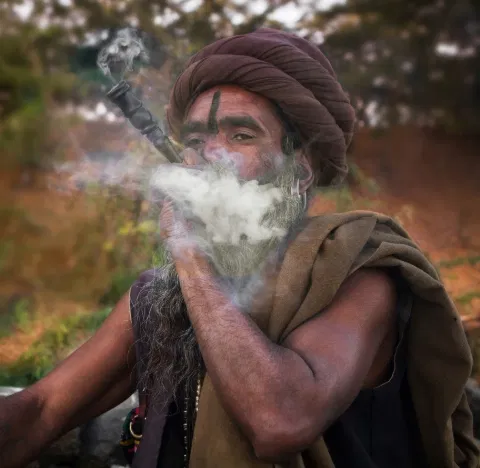
In these Himalayan regions, producing charas isn’t just about getting high – it’s often tied to ceremonies, pilgrimages, and daily spiritual discipline. Sadhus and other Hindu ascetics use it in meditation to deepen their trance states and connect with the divine, making it an important part of religious practice. The act of rubbing charas is sometimes accompanied by chants and prayers, adding a ritualistic layer to its creation. However, it is important to note that the production and possession of charas is illegal in India under national drug laws such as the NDPS Act, and it is classified as a psychoactive drug. Charas is just one of several traditional cannabis products in India, alongside ganja (dried flowering tops) and bhang (a cannabis-infused drink), each with distinct cultural and religious uses. Idukki Gold, a renowned cannabis strain from Kerala, is famous for its high quality and is closely associated with charas production. The broader context of drugs in India includes not only cannabis products but also other illicit drugs like heroin, which contribute to significant drug problems and social concerns across the country.
Types of Charas
Charas, as a cannabis concentrate, comes in a variety of forms, each with its own distinct character, potency, and even regional heritage. Among the most renowned types of charas is Malana Cream, a legendary product hailing from the Parvati Valley in northern India. Malana Cream is celebrated for its exceptionally high THC content, creamy texture, and rich, complex aroma, making it one of the most sought-after forms of charas among cannabis connoisseurs.
Another notable variety is Kerala Gold, which originates from the lush, tropical landscapes of southern India. Kerala Gold is prized for its unique fragrance and potent effects, often described as uplifting and euphoric. Its high THC content and smooth smoke have earned it a loyal following both in India and abroad.
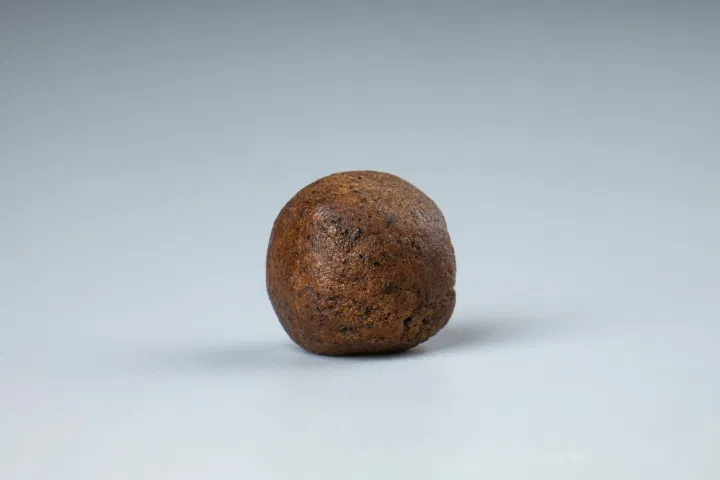
There's also Rasol Cream and Tosh Ball, additional types of charas that have gained popularity for their distinctive flavors and effects. Rasol Cream, produced in the remote village of Rasol, is known for its earthy undertones and powerful, long-lasting high. Tosh Ball, named after the village of Tosh, is typically rolled into small, dense balls and is favored for its robust aroma and balanced effects.
Each of these forms of charas reflects the unique terroir and traditional methods of their region, offering cannabis enthusiasts a diverse palette of experiences to explore. Whether you prefer the creamy potency of Malana Cream or the aromatic allure of Kerala Gold, the world of charas is as rich and varied as the cannabis plant itself.
Popular Indian Charas
India’s Himalayan belt is renowned for producing some of the world’s finest charas, attracting cannabis enthusiasts from across the globe. The Parvati Valley in Himachal Pradesh stands out as a legendary region, with its cool mountain air and fertile soil providing ideal conditions for cultivating high-quality cannabis plants. Here, Malana Cream reigns supreme, often considered the gold standard among charas varieties for its high THC content, smooth texture, and complex aroma.
Beyond Malana Cream, the region is also home to other celebrated types of charas, such as Waichin Cream, Nagaru Cream, and Grahan Cream. Waichin Cream is known for its potent effects and rich, resinous consistency, while Nagaru Cream offers a unique blend of flavors and a powerful, uplifting high. Grahan Cream, produced in the village of Grahan, is prized for its purity and intense psychoactive properties.
These artisanal charas varieties are crafted using traditional hand-rubbing techniques, preserving the full spectrum of cannabinoids and terpenes found in the living cannabis plant. Their reputation for quality and potency has made them highly coveted among cannabis enthusiasts, not just in India but around the world. For those seeking an authentic charas experience, the Himalayan region remains the ultimate destination.
How Is Charas Made?
Unlike any other cannabis concentrates that rely on machinery or solvents, charas is made using nothing more than the hands and fresh cannabis flowers. While charas is produced by hand-rubbing the resin from fresh weed, other concentrates like hashish are often made using dry sifting techniques, which separate trichomes from dry, cured plant material. Here’s a look at this time-honored process:
Harvesting the Plant
The best charas is made from live or freshly cut female cannabis plants that are rich in trichomes – those fine, hair-like structures found on the surface of flowers. When making charas, harvest timing is crucial – the plant must be mature enough to have resinous buds but still fresh enough for optimal extraction.
Some traditional charas makers will scout plants for weeks before harvesting, waiting for the perfect window when the buds are oozing with sticky resin but haven’t yet started to degrade. In this phase, the plant is still very much alive, which is what gives charas its unique qualities compared to dried hash.
Hand-Rubbing Technique
This is where the artistry comes in. The cultivator gently rubs the flowering tops of the plant between their palms. Over time, the sticky resin begind to build up on the skin. This process can take hours, and an experienced charas maker can spend an entire day producing just a few grams.
It’s an increidbly tactile experience – the hands warm the resin, helping it to congeal and release its aromatic terpenes. The technique requires patience and precision; too much pressure can damage the buds, while too little won’t extract enough resin. There’s a sort of rhythm to it, often described as meditative by those who practice it.
Rolling and Curing
The collected resin is then scraped off the hands and rolled into small balls or sticks. Some producers allow it to cure for a few days to improve texture and flavor, while others prefer to use it fresh.
Curing charas isn’t essential, but many claim that it helps mellow the harshness and round out the terpene profile. Just like wine or cheese, ageing charas – under the righ conditions – can actually enhance its taste and potency.
How to Use and Consume Charas
After the careful production process is complete, charas can be consumed in several ways, depending on preference. However, it is most commonly smoked, often mixed with tobacco or other herbs, especially in traditional pipes like chillums. Charas is also traditionally measured in a standard unit called the tola, which is used to define and value the quantity of the product.
Smoking in a Joint
One of the most common methods of charas consumption is involves mixing with tobacco or dry herb in a rolling paper. This helps it burn more evenly, as pure charas can be extremely sticky and dense.
In South Africa, where dagga culture often involves spliffs, this method is familiar and accessible. Combining charas with locally grown herb can create an elevated smoking experience – literally and figuratively.
Using a Chillum
The chillum (or cillum) – a straight conical pipe made of clay or stone, is the traditional method used by Indian sadhus. It’s generally considered ideal for charas as its structure allows for that deep, meditative kind of inhalation.
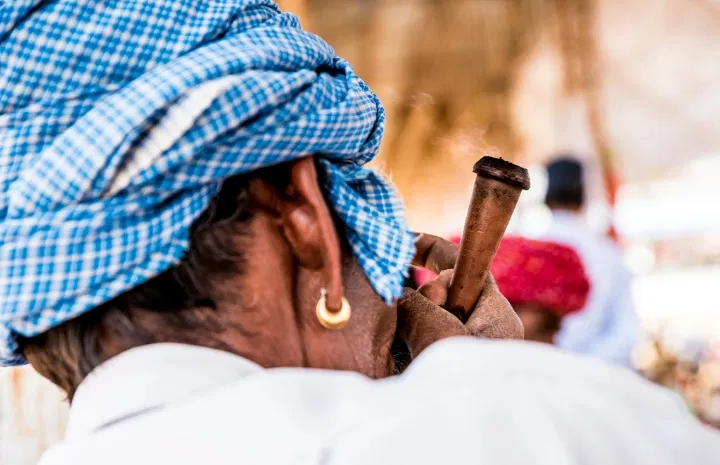
The chillum is more than a mere smoking device like a bong or a hash pipe; it’s part of a ritual. It’s often passed among friends in a circle, accompanied by chants like “Bom Shiva” as an invocation. The experience is as much – maybe even more - about community and spirituality as it is about getting high.
Vaporizing
For those who prefer a cleaner experience, vaporzers capable of handling concentrates can be used. This method helps preserve the flavor and potency of the charas.
Many modern cannabis users opt for vaporization to avoid combustion and its associated health risks. Chaaras, being high in terpenes, performs beautifully in this format, offering deep flavor and a potent high without the smoke.
Effects and Benefits of Charas
Charas is known for its potent psychoactive effects, thanks to its high THC concentration. The experience is typically euphoric, uplifting, and introspective, making it ideal for meditative practice, relaxation, or even artistic inspiration.
Reported benefits of charas include:
- Enhanced focus and creativity
- Deep body relaxation
- Mood elevation
- Pain relief
The high from charas is often described as more spiritual than that of other cannabis products. It has a long onset, often building gradually into a full-body sensation paired with mental clarity or deep introspection. Because it’s full-spectrum and handcrafted, the entourage effect – where cannabinoids and terpenes work synergistically – is pronounced.
Is Charas Legal in South Africa?
As of now, cannabis laws in South Africa allow for private use and cultivation, but the commercial sale and distribution of cannabis products remains reguilated. Charas due to its concentrated nature, could fall into a legal grey area. While possession for personal use in private spaces is decriminalized, always stay informed on current legislation and consume reponsibly.
It’s worth noting that charas might be considered a cannabis extract under South Afrcan law, which means harsher penalties could apply if you’re caught distributing it outside personal use parameters. Until clearer guidelines emerge, it’s best to approach concentrates with caution and discretion.
Charas vs Hashish: What’s the Difference?
Altthough often confused, charas and hashish are not the same. Here’s how they differ:
| CHARAS | HASHISH |
| Made from fresh plant | Made from dried plant material |
| Hand-rubbed from live bud | Sieved or pressed from dried trichomes |
| Sticky and pliable | Often dry and crumbly |
| Traditional to India | Common in Morocco, Lebanon etc |
Charas tends to have a fresher, more herbal flavor, while hashish often has deeper, earthier notes. The difference also extends to the cultural spehere – hashish is typically an export commodity, while charas is often made for personal or ceremonial use. This intimacy in production gives charas a kind of soulfulness that many users say is lacking in factory-produced concentrates.
Charas Final Thoughts
Charas is more than just a cannabis concentrate – it's a living tradition passed down through generations. With its deep spiritual roots, meticulous production process, and potent effects, charas offers a unique experience for those looking to deepen their relationship with cannabis.
For South African users seeking authenticity, qulity, and a touch of the spiritual in their cannabis journey, charas is worth exploring. Just remember: repsect the plant, the process, and the culture it comes from.