
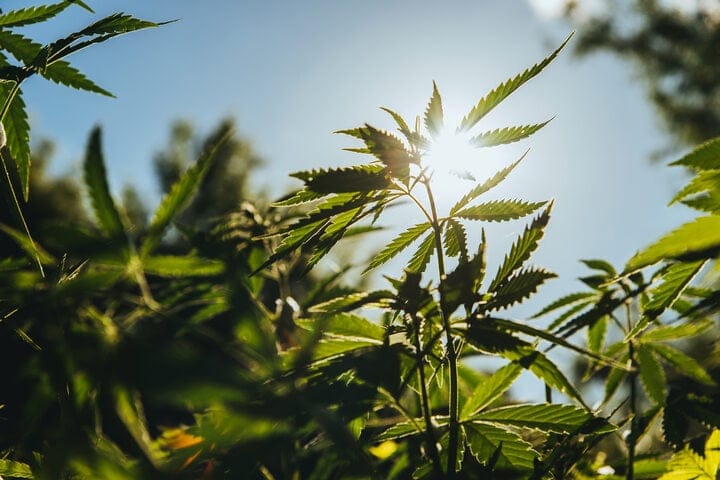

If you’ve ever wondered what cannabis was like before the days of dispensaries and designer hybrids, landrace cannabis strains might just be the answer. Landrace cannabis strains are the original gangstas of the cannabis world—the daddies of dagga, if you will. They're wild, pure, and untouched by the modern breeding techniques that dominate today’s market. Imagine a cannabis plant growing naturally in the mountains of Afghanistan, the hills of Eswatini, or the tropical forests of Thailand, perfectly adapted to its environment over centuries. That’s a landrace cannabis strain.
For growers and enthusiasts, landrace cannabis strains are more than just plants—they’re living artifacts of cannabis history. But what exactly makes them so special? And how do they differ from the hybrids we see on dispensary shelves today? In this article, we’ll explore the fascinating world of landrace cannabis strains, with a particular spotlight on South Africa’s own gems like Durban Poison and Swazi Gold. These African landrace strains are crucial to cannabis genetics, showcasing unique traits and adaptations developed in Africa's diverse climates, essential for breeding and preserving the genetic diversity of cannabis.
The Meaning of Landrace Strains
A landrace cannabis strain is one that has naturally evolved in isolation within a particular geographic region. These strains didn’t just spring up yesterday—they’ve been cultivated and refined by nature over hundreds or even thousands of years. Unlike modern hybrids, which are the result of careful crossbreeding, landrace strains remain genetically pure and stable.

What does that mean for the average cannabis enthusiast? In a world dominated by flashy hybrids and ever-increasing THC percentages, landrace strains offer something refreshingly authentic. They reflect the terroir of their native regions, delivering a unique blend of flavors, aromas, and effects that can’t be replicated in a lab.
History and Origins of Landrace Strains
Landrace strains have a rich and fascinating history that spans thousands of years. These original, naturally-occurring cannabis varieties developed over time in specific geographic regions, adapting to the local environment and climate. The history of landrace strains dates back to ancient civilizations, where cannabis was first cultivated for its medicinal, spiritual, and recreational properties.
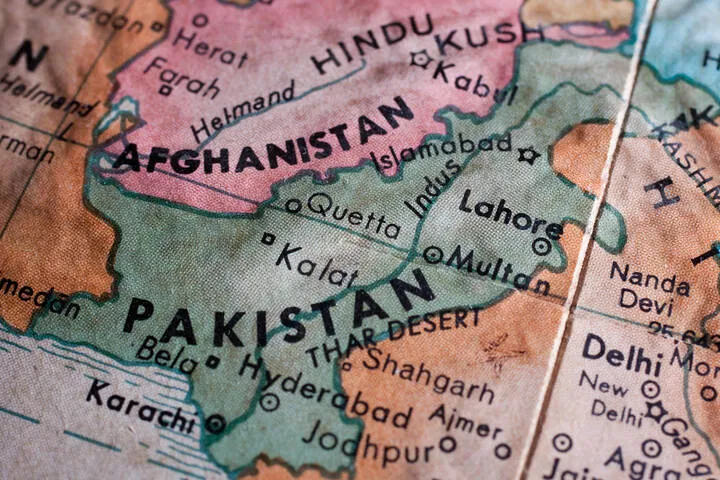
The earliest recorded evidence of cannabis cultivation comes from the Hindu Kush region of Afghanistan, where cannabis was used for rope, clothes, and medicine. From there, cannabis spread to ancient Greece and Rome, where it was used for medicinal and recreational purposes. The Ottomans brought cannabis to Africa, while Europeans introduced it to the Caribbean and Central Americas.
Over time, landrace strains developed unique characteristics, flavor profiles, and effects, shaped by their specific geographic origins. These strains were often named after their place of origin, such as Hindu Kush, Afghan, and Thai. The introduction of landrace strains being crossbred began in the 1970s, revolutionizing the cannabis industry and leading to the development of new and exciting cannabis hybrids.
Characteristics of Landrace Strains
Landrace strains are known for their unique characteristics, which are shaped by their specific geographic origins. These strains have adapted to the local environment and climate, developing distinct flavor profiles, aromas, and effects. Landrace strains are often prized for their authenticity and original genetics, making them highly sought after by cannabis enthusiasts.
Some common characteristics of landrace strains include:
- Unique flavor profiles and aromas, shaped by the local environment and climate
- Distinct effects, ranging from energizing and uplifting to relaxing and sedating
- Adaptation to specific geographic regions, making them well-suited to certain climates and growing conditions
- High potency and THC levels, due to their natural evolution and adaptation
- Robust and resilient growth, allowing them to thrive in challenging environments
Unfortunately, true landrace genetics are harder to come by than ever before since modern breeders have worked to preserve the genetics. The result? Well, where original landraces could well have had lower yields or cannabinoid levels, the landrace genetics you'll find now have undergone a degree of stabilizing work to ensure growing them is a worthwhile endeavor. That means yields won't disappoint, you'll still get good and high, pest and disease resistance will be improved, and flavors may even be stronger. All good things, without doubt - but somewhat removed from true and original landrace in its natural form, which could well be somewhat hit or miss come harvest time. Unless you gather seeds in the wild yourself, it's probably a safe bet that what you're buying is a very good and satisfactory representation of a landrace, and a damn good dagga - but not the original form.
Types of Landrace Strains
Landrace strains can be classified into several types, including Indica, Sativa, and Ruderalis. Each type has its unique characteristics, flavor profiles, and effects.
Indica Landrace Strains
Indica landrace strains originated in the dry and mountainous regions of Afghanistan, Pakistan, and India. These strains are known for their compact growth, dense buds, and relaxing effects. Indica landrace strains are often prized for their sedating and pain-relieving properties, making them popular among medical cannabis users.
Some famous Indica landrace strains include:
- Hindu Kush
- Afghan
- Mazar
Sativa Landrace Strains
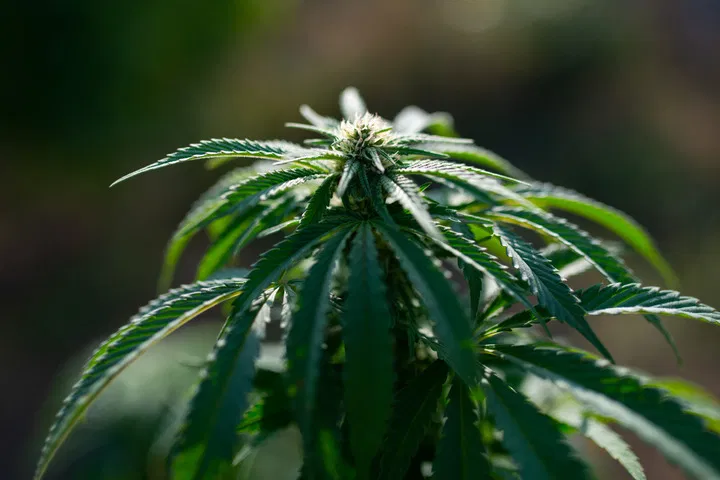
Sativa landrace strains originated in the warm and tropical regions of Asia and Africa. These strains are typified by their tall growth, slender leaves, and energizing effects. Sativa landrace strains are often prized for their uplifting and creative properties, making them popular among recreational cannabis users. Since they're native to such hot climates, they respond especially well when grown in similar conditions. You'll often hear sativa landraces namechecked in classic stoner movies of the 1970s.
Famous Sativa landrace strains include:
- Acapulco Gold
- Colombian Gold
- Durban Poison

Where Do Landrace Strains Come From?
Asia: The Birthplace of Cannabis and Hindu Kush
The story of cannabis begins in Central Asia, where the plant likely originated thousands of years ago. Regions like the Hindu Kush mountains, modern-day Afghanistan, and Tibet are considered the cradle of cannabis cultivation. Over time, the plant spread across the globe, but the original landrace strains from this region remain some of the most iconic.
Among these, landrace ruderalis strains stand out due to their unique growth characteristics and adaptation to harsh climates. These strains are known for their automatic blooming trait, allowing them to flower based on age rather than light exposure, making them valuable for breeding modern autoflowering cannabis seeds.

Take Afghan Kush, for example. This strain developed in the harsh, rugged terrain of the Hindu Kush mountains, where it adapted to cold nights and dry conditions. Its short, stocky structure and dense, resin-coated buds make it ideal for producing hashish—a practice that dates back centuries.
Then there’s Thai, a legendary sativa landrace from the tropical climates of Thailand. Tall, lanky, and slow to flower, Thai strains are a reflection of their sunny, humid origins. They’re known for their spicy, citrusy aroma and energetic effects, offering a stark contrast to the more sedative Afghan Kush.
South Africa: A Land of Unique African Landrace Strains
South Africa is home to some of the most celebrated landrace strains in the world, thanks to its diverse climate and rich cannabis history. The region’s warm, subtropical weather, coupled with long growing seasons, has allowed strains like Durban Poison to flourish.

Durban Poison is a pure sativa landrace known for its uplifting, invigorating effects, and sweet, piney flavors. As one of the notable landrace sativa strains, it evolved naturally in the Durban area, where its tall, sturdy structure and resistance to pests make it a favorite among growers. This strain is perfect for a productive morning or creative endeavor, bearing the honor of being one of the original landrace strains.
Another standout is Swazi Gold, a sativa landrace from Eswatini (formerly Swaziland). This strain thrives in the mountainous regions of the country, where it developed a resilience to harsh weather and poor soils. Its fruity aroma, uplifting high, and long, fluffy buds make it a treasure for both growers and smokers.
Other Global Landrace Highlights
While Asia and Africa are cannabis hotspots, landrace strains have emerged all over the globe. Some notable examples include:
- Acapulco Gold (Mexico): A truly legendary strain, quintessential landrace with golden hues, known for its sweet, caramel-like flavor and balanced effects.
- Malawi Gold (Malawi): A potent sativa from East Africa, famous for its cerebral high and tropical notes.
- Lebanese (Lebanon): An indica strain that’s central to traditional hash production, characterized by its red and gold phenotypes.
The Role of Landrace Strains in Modern Breeding
Landrace strains are the backbone of modern cannabis cultivation. Think of them as the genetic foundation upon which today’s hybrids and modern cannabis strains are built. Their stable, pure genetics make them ideal parent strains for breeding, offering predictable traits and consistent effects.
For example, Afghan Kush has been a key player in the creation of countless indica-dominant hybrids, thanks to its high resin production and sedative properties. Similarly, Durban Poison’s energetic effects and pest resistance have made it a popular choice for breeding sativa-leaning strains.
How Landrace Strains Compare to Modern Hybrids
Genetics and Effects
Landrace strains offer a sense of consistency that’s hard to find in today’s hybrids. Famous landrace strains like Durban Poison and Afghan Kush are well-known for their predictable effects. When you smoke Durban Poison, you know you’re getting an energizing, clear-headed high. Afghan Kush, on the other hand, reliably delivers a couch-locking body buzz. Hybrids, by contrast, are a mixed bag. They can offer unique and complex effects, but that variety often comes at the cost of predictability.
Growth Characteristics
Landrace strains are survivors. They evolved in tough conditions, cold mountain regions (indicas) or hot, arid regions (sativas) developing natural defenses against harsh climates, pests and diseases. This makes them incredibly resilient when grown in their native environments. However, they can be finicky when transplanted to different climates. For instance, a tropical sativa like Thai may struggle in colder regions, while an indica like Afghan Kush might wilt in high humidity.

Modern hybrids, on the other hand, are bred for convenience. They often flower faster, yield more, and adapt better to indoor growing setups. Autoflowering cannabis seeds, developed from ruderalis strains, are particularly popular due to their ease of growth and quick turnaround, making them a favored choice for both novice and experienced growers. But what they gain in ease of cultivation, they sometimes lose in character and yield.
Cultivating Landrace Strains: Rewards and Challenges
Growing landrace strains is a rewarding experience, but it’s not without its challenges.
The Benefits
For starters, landrace strains offer unparalleled resilience. Durban Poison, for instance, is naturally resistant to pests, thanks to its evolution in South Africa’s subtropical climate. These strains also boast unique terpene profiles and effects that can’t be replicated by hybrids, making them highly sought after by cannabis connoisseurs.
The Challenges
However, their adaptability can also be a double-edged sword. Landrace strains are often highly specialized, meaning they may struggle to thrive outside their native environment. Swazi Gold, for example, performs best in the high-altitude regions of Eswatini and might require a lot of extra care when grown elsewhere.
Landrace vs. Heirloom Strains
It’s easy to confuse landrace strains with heirloom strains, but there’s a key difference.
- Landrace strains are wild or naturally adapted varieties that developed in specific geographic regions without significant human intervention. For instance, landrace indica strains have evolved in the rugged mountains of Afghanistan, India, Nepal, and Pakistan, adapting to harsh climates with shorter, more compact plants and faster blooming cycles.
- Heirloom strains are landraces that have been cultivated in new environments for generations, often adapting to their new surroundings. For example, Hawaiian heirloom strains are descendants of Asian landraces but have evolved over time to suit Hawaii’s unique climate.
South African Landraces: A National Treasure
For South Africans, landrace strains like Durban Poison and Swazi Gold aren’t just cannabis—they’re a cultural legacy. As the global cannabis market continues to expand, these strains represent a unique selling point for South Africa, offering something no other country can replicate.
Preserving these landrace strains is crucial, not just for their historical value but also for their role in the future of cannabis breeding. They’re a reminder of where cannabis came from—and a glimpse of what it can become.
Final Thoughts on Landrace Cannabis Strains
So, what are landrace cannabis strains? They’re the roots of the cannabis family tree, the purest expression of the plant’s potential. For growers, landrace strains, offer a chance to connect with cannabis’s untamed past. For consumers, they deliver unique flavors, effects, and a sense of authenticity that’s hard to find in modern hybrids.
Whether you’re growing Durban Poison in your backyard or savoring the fruity aroma of Swazi Gold - or you head down the landrace indica route with a nice Hindu Kush - exploring landrace strains is a journey into the heart of cannabis culture. For South Africans especially, landrace strains are more than just plants—they’re a point of pride and a piece of history worth cherishing.