
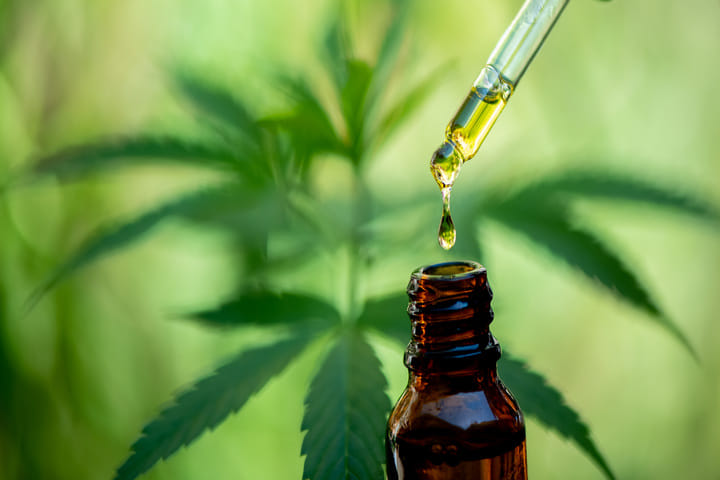

If you’ve paid any attention to the wellness industry over the last decade or so, you’ll no doubt have noticed the rise of products containing CBD (Cannabidiol). But what is CBD? Think of it as THC’s better-behaved cousin; a member of the same family, but this one’s not prone to drama. Unlike THC, which is known for its psychoactive effects, CBD is non-psychoactive – meaning it doesn’t get you high. CBD is typically extracted from industrial hemp, a variety of the hemp plant bred for high CBD and low THC content. Cannabis plants include both marijuana and hemp varieties, with industrial hemp being the primary source of legal CBD. Instead, it’s drawing attention for its potential therapeutic benefits, its role in wellness, and its growing presence in everything from cannabis strains to oils, edibles, and skincare products—these are made using concentrated cbd extract as the active ingredient.
Recent legal reforms, including changes to the Controlled Substances Act and federal law, have made certain CBD-derived products legal, provided they are sourced from industrial hemp and meet strict THC limits. It’s important to distinguish between medical marijuana and hemp-derived CBD: CBD is used for both recreational and medical use, but its legal status varies by jurisdiction. As CBD becomes more common in wellness routines, it is often marketed as a dietary supplement, though regulations differ by country and not all claims are approved.
With the global CBD market expanding and research uncovering new applications, cannabinoid research—including early research, clinical trials, and human studies—is ongoing to better understand CBD's effects and safety. The question many people are asking is simple: what does CBD do?
What Is CBD – and What Role Does it Play in the Cannabis Plant?

Cannabidiol (CBD) is one of over 100 cannabinoids found in the cannabis plant, accounting for up to 40% of its extract. First discovered in 1920, cannabidiol (CBD) doesn’t produce the euphoric effect associated with THC, so you can still function – no giggly couch-lock or altered perception arises from CBD alone.
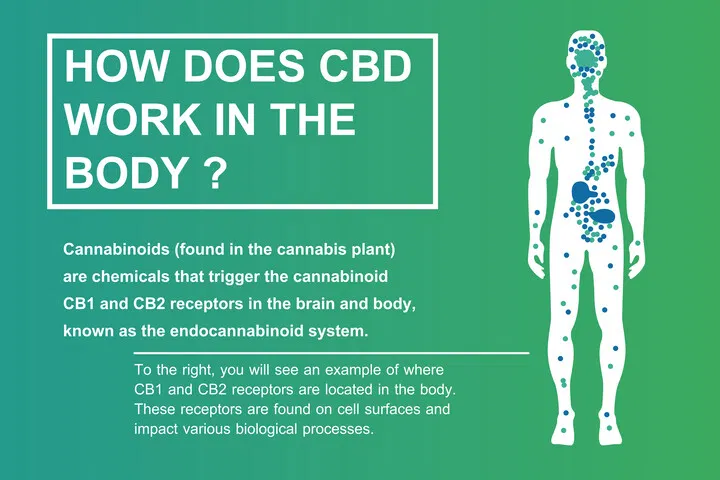
Within the cannabis plant, CBD often coexists with THC and other cannabinoids. Its presence can even temper THC’s psychoactive effects, modulating the experience to be more mellow in cannabis strains where there’s a higher ratio of CBD against THC. Cannabidiol (CBD) interacts with the body's endocannabinoid system, a key biological system that helps regulate mood, pain, sleep, and immune response.
And today, thanks to legal reforms – especially in the U.S. (so far) - CBD is widely available in various forms: standalone oils, extracts, capsules, sprays, and as individual CBD-dominant cannabis strains. Ongoing research is also exploring synthetic derivatives of CBD for potential therapeutic uses.
Legality and Safety of CBD
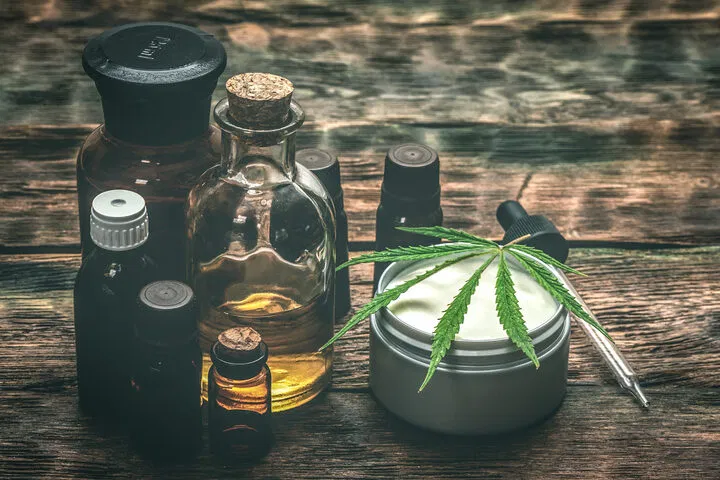
When it comes to CBD, understanding the legal and safety landscape is just as important as knowing about its potential benefits. In the United States, the Food and Drug Administration (FDA) has only approved one CBD product—Epidiolex—for the treatment of certain rare forms of epilepsy. This means that most CBD products on the market, including oils, tinctures, and edibles, are not officially recognized as dietary supplements or medications by the FDA. As a result, the agency has issued warning letters to some CBD companies for making unsubstantiated health claims and selling unapproved products, highlighting ongoing safety concerns and the need for better regulation.
Because the CBD market is still largely unregulated, consumers should be cautious when buying CBD products. Not all products are created equal, and some may contain less CBD than advertised or be contaminated with harmful substances. To ensure safety and potency, look for CBD products that have undergone third-party lab testing and come with a certificate of analysis (COA). This extra step can help verify that the product contains the advertised amount of CBD and is free from contaminants.
It’s also important to be aware of potential interactions between CBD and other medications. CBD can affect how your body processes certain drugs, so if you’re taking prescription medications or have underlying health conditions, it’s wise to talk to your doctor before adding CBD to your routine. While many CBD companies claim their products are safe and effective, it’s best to approach these claims with a healthy dose of skepticism and do your own research before making a purchase.
What Does CBD Do? A Tour of its Wellness Applications
Let’s answer the question what does CBD do? – backed by studies and industry insight:
CBD use has become popular for managing a variety of health and wellness concerns, with many people turning to CBD-based products such as oils, edibles, and topicals. When considering safety and usage, it's important to note that taking CBD may interact with other medications and affect liver enzymes, so medical supervision is recommended. When it comes to dosage, there is ongoing debate about how much CBD is considered safe, and more research is needed to determine optimal dosages for different conditions.
Product safety is a key concern: pure CBD is considered safe by the World Health Organization, but product quality varies widely, and some products may contain harmful additives like vitamin E acetate, especially in vaping products. The lack of clear standards to regulate CBD has led to concerns about mislabeled products and inconsistent quality. For this reason, consumers are advised to buy CBD from reputable sources and to check for third-party lab testing. Selling CBD is subject to legal restrictions and varies by country.
As research continues, authoritative organizations like the World Health Organization provide guidance on CBD safety, while the evolving regulatory landscape highlights the need for clear standards to ensure consumer safety and product reliability.
Treat Certain Forms of Epilepsy
CBD is FDA-approved in the United States in the form of Epidiolex, prescribed for rare and severe pediatric seizures such as Dravet Syndrome and Lennox-Gastaut syndrome [1]. Epidiolex is specifically approved to treat seizures associated with these rare forms of epilepsy. South African clinicians are taking note, and while Epidiolex is not yet widely available locally, CBD oils are already being used by families seeking seizure relief.
Reduces Seizure Severity
Clinical research continues to support CBD’s anticonvulsant potential beyond these rare syndromes, with studies showing significant reductions in seizure frequency [2].
Eases Chronic Pain
Chronic Pain is one of the most common reasons people turn to CBD. A 2024 review found that patients using CBD (alone or combined with THC) reported pain reduction ranging from 42% to 66% [3]. Compared to traditional pain medications, CBD is seen as a promising alternative or adjunct due to its non-psychoactive nature and potentially lower side effect profile. This has huge implications in South Africa, where chronic pain from conditions such as arthritis and back injuries affects a large portion of the population. CBD is also being studied for its effects on neuropathic pain, which is caused by nerve damage, with ongoing research evaluating its effectiveness and safety for this specific type of pain.
Arthritis Pain Relief
One of the most talked-about benefits of CBD is its potential to relieve arthritis pain. Research suggests that CBD may help reduce inflammation and provide pain relief for people living with arthritis. For example, research involving patients with multiple sclerosis has shown that CBD may help improve symptoms by reducing inflammation and discomfort.
While these early findings are promising, it’s important to remember that more research is needed to fully understand how CBD works for arthritis pain in humans. The benefits of CBD for arthritis may vary from person to person, and the best results often depend on the type of product used and individual health factors. If you’re considering using CBD oil or topical CBD oil for arthritis pain, it’s a good idea to talk to your doctor about the potential benefits and risks, as well as how CBD might fit into your overall pain management plan.
Alleviates Anxiety (At Sufficient Doses)
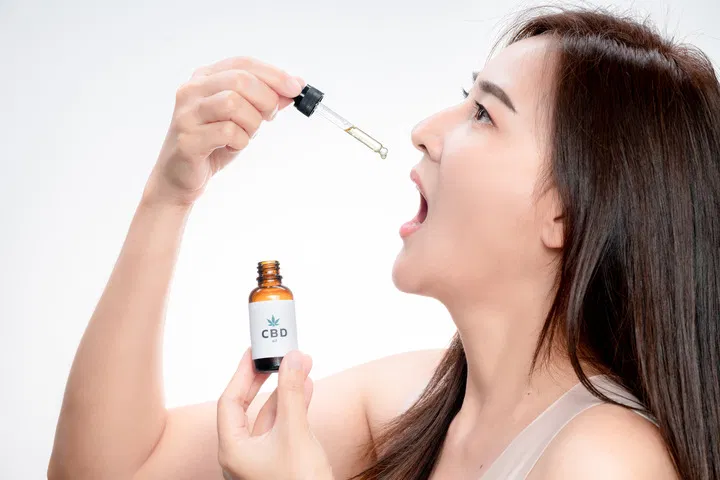
Evidence suggests that oral doses of 300-400mg/day may reduce anxiety, with some studies showing benefits in people with social anxiety and those with substance use disorders [4]. Research is ongoing into CBD's effects on various anxiety disorders, including generalized anxiety disorder and social anxiety. CBD is also being studied for its potential to improve sleep quality and help with sleep disorders. Reviews remain mixed, highlighting the need for more research.
Modulates Brain Activity
FMRI studies demondtrate that CBD can alter brain connectivity, improving emotional processing, memory, and impulse control – changes that may explain its potential benefits for mood regulation [5].
Cosmetic and Dermatological Potential
A recent trial using nano-encapsulated CBD demonstrated reductions in UV-reduced skin damage, pointing to potential protective and cosmetic uses in skincare. For South Africans living under intense sun exposure, this could be especially relevant [6].
Further Reading:New Study Reveals How CBD Blocks Pain Signalling Pathways
CBD Oil and Products: Forms, Uses, and Considerations
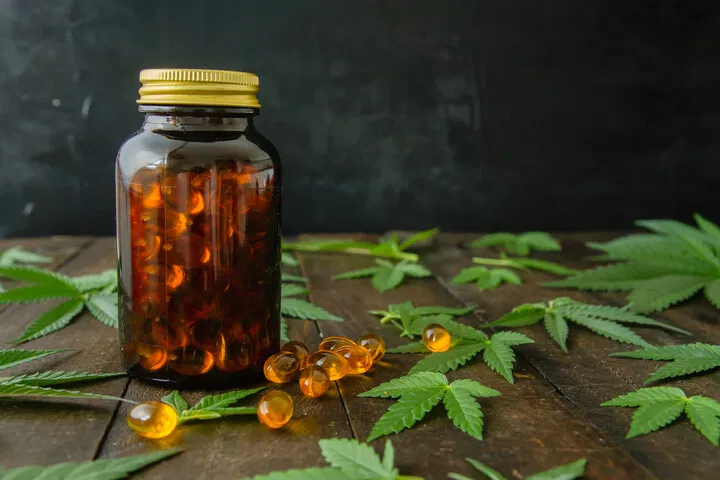
CBD oil and related products come in a wide variety of forms, each offering unique benefits and considerations. From classic CBD oils and tinctures to capsules, edibles, and topical creams, there’s a CBD product to suit nearly every preference and need. Many people turn to CBD oil for its potential health benefits, such as managing chronic pain or supporting mental health, but it’s important to choose products wisely.
When selecting a CBD product, consider factors like potency, method of use, and how it might interact with other medications you’re taking. Not all CBD oils are created equal—quality can vary significantly between brands and batches. To ensure you’re getting a safe and effective product, look for CBD oils that have been tested by independent, third-party labs and come with a certificate of analysis (COA). This helps confirm the product’s purity and potency, and ensures it’s free from contaminants like heavy metals or pesticides.
CBD Seeds At Seedsman
Seedsman’s product range includes a fantastic variety of beneficial CBD strains, which vary in their CBD-THC ratios. If you're looking to dip your toe in the pool, these are a great way to introduce CBD into your wellness regimen:
Doctor Seedsman CBD 30:1
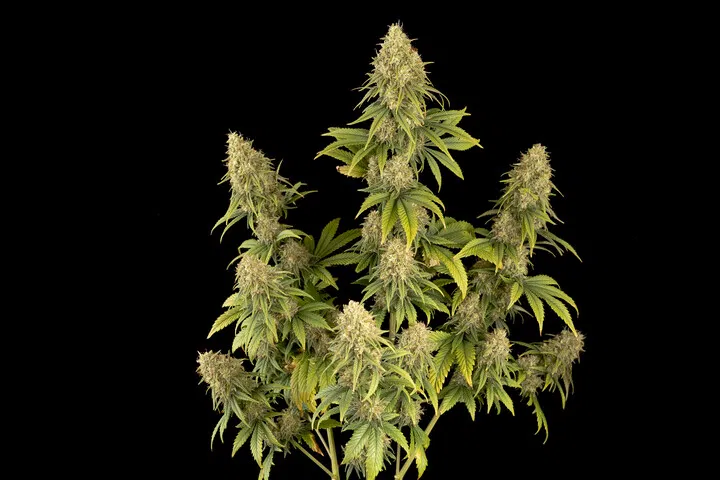
A sativa-dominant marvel with two Asian CBD plants as its parents, Doctor Seedsman 30:1 is a fabulous strain with high therapeutic potential. Its stunning CBD:THC ratio of 30:1 means all the benefits of CBD with none of the psychoactivity, and bumper harvests whether grown indoors or outside in South Africa's sunny climates. Doctor Seedsman has a great resistance to mold and thrives in warm, dry conditions, and has an 8-10 week flowering time before coughing up generous harvests of its incredible pine-scented buds.
Buy Doctor Seedsman CBD 30:1 Seeds



Cream & Cheese CBD 1:1
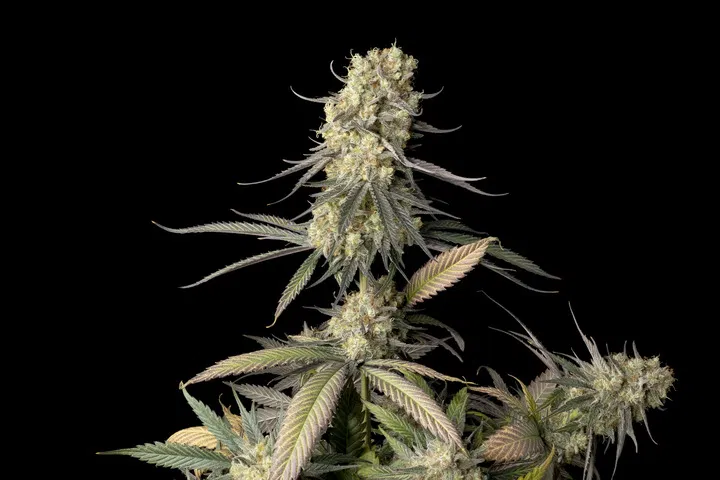
Cheese strains remain near the top of the wishlist of cannabis users worldwide, whether for their incredible flavor or their legendary potency. Cream & Cheese CBD 1:1replaces that famed potency with blissful therapeutic effects, making for a mellow but uplifting experience. This phenomenal CBD strain is a hybrid of the famous UK Cheese and a Seedsman CBD strain, giving it phenomenal genetics and a finely balanced cannabinoid ratio. Great mold resistance makes it a winner for cultivators, and its 8-10 week flowering period means you don't have too long to wait before your buds are ready to go.
Buy Seedsman Cream & Cheese CBD 1:1 Seeds


Seedsman Purple Kush CBD Auto
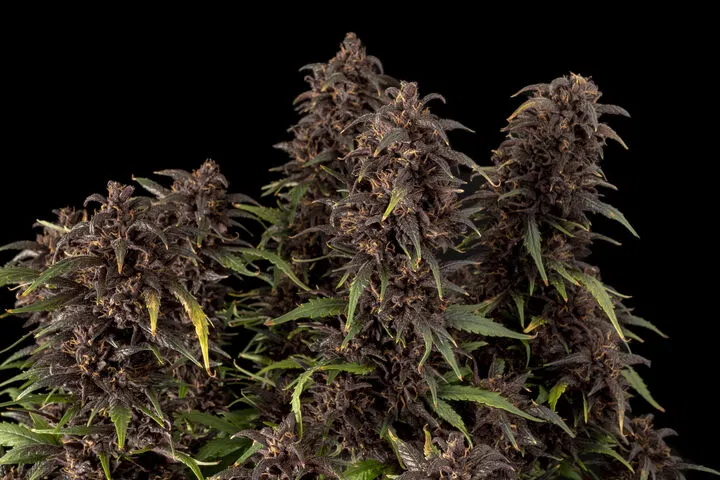
Get your hands on an even speedier finish our sensational Purple Kush CBD Auto - a 90% indica strain with a 1:1 CBD:THC ratio. Soothe aches and pains and enter a state of bliss with this powerful therapeutic strain which races from seed to harvest in around 9 weeks. Yields are good for such a compact plant, with resilience noteworthy thanks to its superb genetics. Incredibly colorful purple buds, with a sweet, fruity, earthy aroma make Purple Kush CBD Auto an absolute delight.
Buy Seedsman Purple Kush CBD Auto 1:1 Seeds


Peyote Wi-Fi CBD 2:1
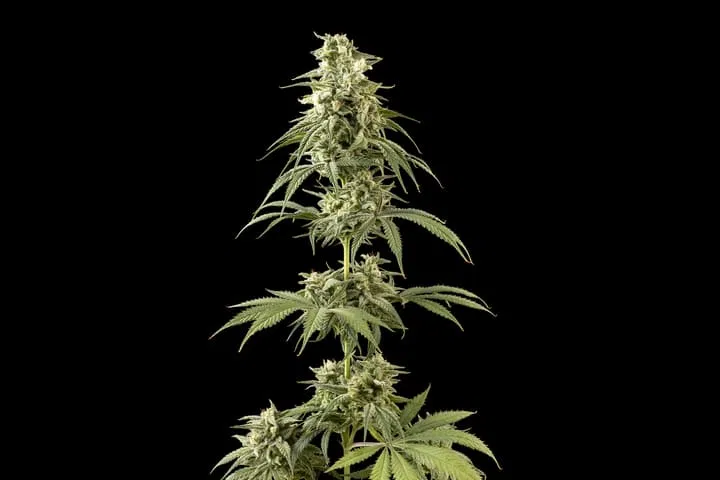
Legendary genetics combine to create a CBD-dominant cannabis strain with quality in every aspect with Peyote Wi-Fi CBD 2:1. Peyote Purple, Wi-Fi OG, and the special Seedsman CBD#2 are the powerhouse parents of this remarkable strain, giving it incredible relsilience alongside its therapeutic power. After 8-10 weeks in flowering, yields are typically high - and Peyote Wi-Fi CBD 2:1 boasts a superb tolerance for hot, dry climates, making it ideal for outdoor growers in the South African sun.
Buy Seedsman Peyote Wi-Fi CBD 2:1 Seeds


Conclusion: So – What Does CBD Do?
CBD may not intoxicate like THC, but it has carved out a distinct and valuable role in wellness and medicine. Research shows potential benefits for seizures, pain, ,anixety, sleep, skin health, and more. While only one CBD- based drug has FDA approval so far, global markets and consumer enthusiasm suggest CBD is here to stay. In South Africa, where CBD products are increasingly common, awareness and access are expanding every year.
Still, caution is warranted: dosage, product quality, and medical supervision matter. South African consumers should consult their healthcare professionals before incorporating CBD into their routine, especially for serious health conditions.
What does CBD do? It’s a versatile, non-intoxicating cannabinoid with therapeutic promise and a growing footprint in South African wellness culture – an ally that may improve health and quality of life without the high.
------------------------------------------------------
References:
[3] Effectiveness of Cannabidiol to Manage Chronic Pain: A Systematic Review
[5] The Impact of Cannabidiol on Human Brain Function: A Systematic Review