

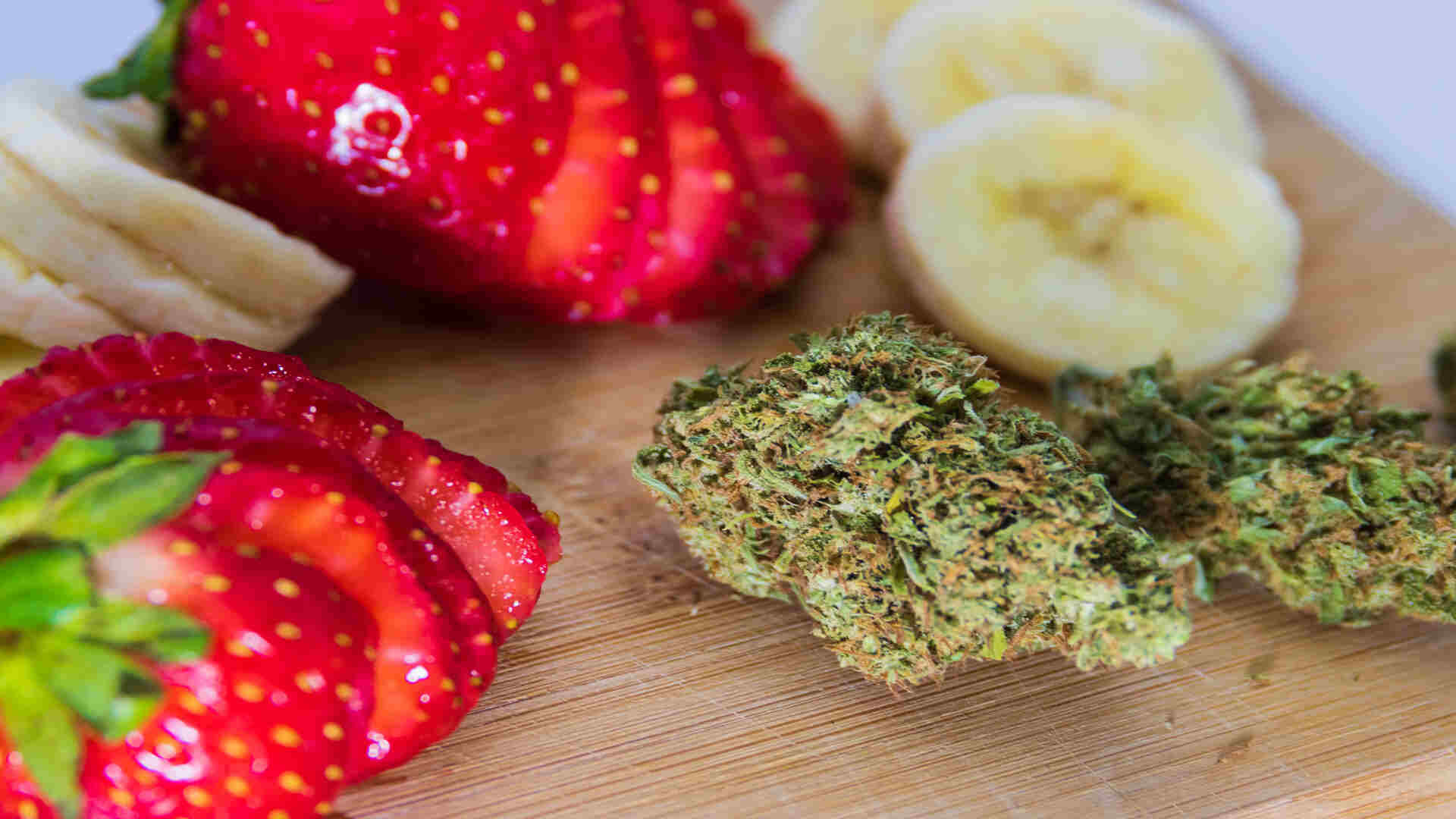
Part of the beauty of cannabis is that it's so much more than a plant. It's an experience.
Any grower who fully connects with their plants will tell you that cannabis speaks to you. Not by its effect. Not by its potency. But by its aroma. Bright citrus, deep earth, soft florals, or sharp pine. Sometimes, even a pungent cheese. A signal that something is very much alive, and awake. That signal comes from terpenes.
If you've ever been browsing cannabis strains online, you'll see some described as being terpene-rich, or as having a particular terpene expression. But what are terpenes?
Terpenes are the compounds that drive that first impression of any given cannabis strain. They're the quiet architects of flavor, scent, and nuance. And once you begin to notice them, cannabis stops being a single-note experience and becomes something richer, more personal, more sensory, and more connected.
Understanding terpenes isn't about the complexity. It's about paying attention, and noticing. And in doing so, finding a deeper relationship with the plant.
What Are Terpenes?
At the simplest level, what are terpenes?
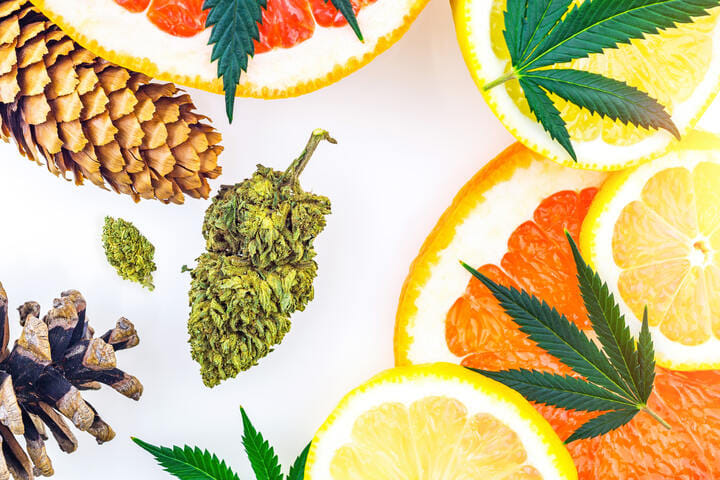
Terpenes are naturally occurring aromatic compounds found in plants. They're not unique to cannabis. In fact, they're everywhere in nature. They're responsible for the scents and flavors we associate with everything from the smell of an orange peel, the sharpness of rosemary, or the calming scent of lavender. These, and more, are all driven by terpenes.
In cannabis, they play a defining role. According to research published in the National Library of Medicine, terpenes contribute not only to aroma, but may also interact with other plant compounds in meaningful ways.
So when we ask what are terpenes in weed, we're really asking: what gives each plant its character, and in many ways, its identifying essence?
What Are Terpenes In Weed, and Why Do They Matter?
Cannabis is often reduced to numbers. THC percentages. CBD content. Yield potential. But those numbers only tell part of the story. What are terpenes in weed if not the personality of the plant?
They show how a strain smells, tastes, and even how cannabis feels. Two plants with similar cannabinoid content can offer completely different experiences because of their terpene profiles. Emerging research continues to explore this complexity. A 2021 review in Frontiers in Pharmacology highlights how cannabis compounds, including terpenes, may work together to influence overall effects, shaping the overall experience any individual cultivar provides.
In simple terms, terpenes bring depth. They turn cannabis from something you consume into something you experience.
The Role of Terpenes in the Cannabis Experience
Aroma and Flavor
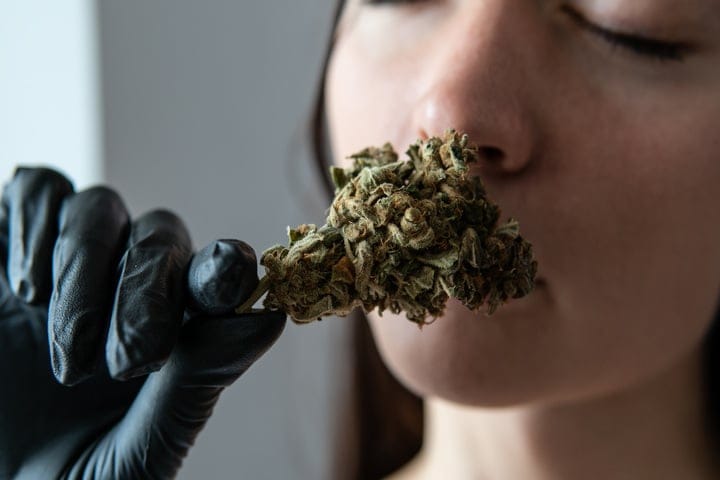
This is where terpenes are more immediate, and where many cannabis enthusiasts turn when the conversation turns to terpenes. They create the sensory layer - the part you notice before anything else. Citrus notes that feel bright and uplifting. Earthy, grounding tones. Floral hints that soften the experience. In conversation, you might hear certain strains described as being particularly "terpy," and this is usually a nod to pungency or a notably powerful flavor profile.
Esters, flavonoids, and aldehydes all play a supporting role in shaping cannabis's sensory profile, adding layers of sweetness, fruitiness, spice, and complexity. While terpenes often take the spotlight, the full experience is not just terpenes.
Going deeper, scent is often tied to memory and emotion. From comfort and reassurance, to energizing and uplifting, aromas are powerful triggers for the human brain. That's why certain aromas resonate differently for each person. Terpenes don't just define flavor. They shape how the moment feels. This is a powerful step in how many people connect with the plant, finding comfort, joy, and an emotional bond that transcends the simple act of consumption and enriches life.
Interaction with the Body
While research is ongoing, scientists are exploring how terpenes may interact with the body in subtle ways.
Some studies have suggested certain terpenes may have properties linked to relaxation, alertness, or balance. For example, findings published in Molecules discuss the biological activity of various terpenes across plant species.
It's important to keep perspective here. This is still an evolving field. But it points to something meaningful: cannabis is not just one compound acting alone.
The Entourage Effect Explained

At its core, the entourage effect is a simple idea: cannabis compounds may work better together than in isolation.
The idea of the entourage effect begins with one of the most important figures in cannabis science: Dr Raphael Mechoulam, the Israeli chemist who first isolated THC in the 1960s. Decades later, Mechoulam and his colleagues introduced the concept of the entourage effect to describe how compounds in cannabis may work together in a coordinated way. Rather than acting purely in isolation, cannabinoids, terpenes, and other plant molecules such as flavonoids, may influence each other - shaping a broader, more nuanced experience.
For consumers, a simple way to understand it is this:
Cannabis isn't just one active ingredient. It's a system.
THC may drive intensity. CBD may soften or balance certain effects. Terpenes add their own subtle influence - through aroma, interaction, and possibly how the body responds overall. Together, they create something more layered than any single compound achieves alone.
More recent research continues to explore this synergy. A 2019 review in Frontiers in Plant Science examines whether terpenes directly contirbute to cannabinoid activity or primarily influence experience through sensory pathways.
The reality sits somewhere in the middle.
Some scientists support the entourage effect as a meaningful biological interaction. Others argue that while synergy exists, it may be more limited than often claimed. What's clear, though is that whole-plant cannabis consistently produces experiences that feel different from isolated comounds. And that's where the entourage effect matters most. Not as a fixed rule, but as a way of understanding cannabis holistically. A reminder that the plant works as a whole, and that your experience is shaped by the interplay of everything within it.
Monoterpenes vs Sesquiterpenes
Not all terpenes are built the same way. Their structure shapes how they behave, how they smell, and how long they last.
At a basic level, terpenes are made from repeating units called isoprene. The number of these units determines whether a compound is a monoterpene or a sesquiterpene. Monoterpenes are made of two isoprene units, sesquiterpenes are made of three.
Monoterpenes
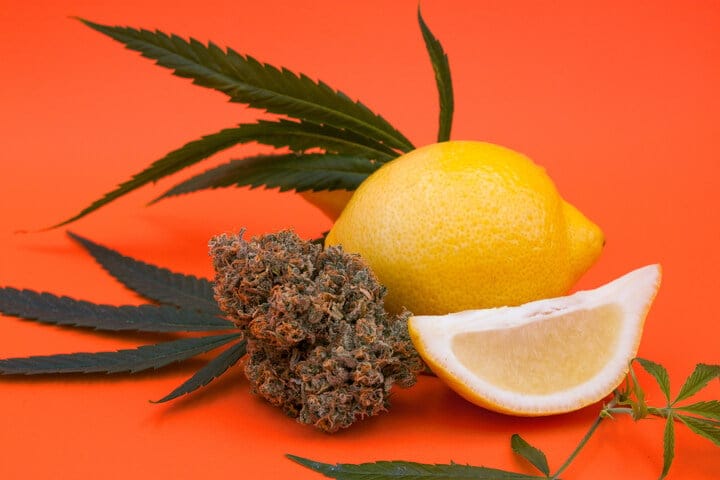
Monoterpenes are smaller and more volatile. This means they evaporate quickly and are often the first aromas you notice when you crack open a jar of cannabis flower.
They tend to be:
- Fresh
- Citrus-forward
- Floral
- Sharp or uplifting
Because they're more delicate, monoterpenes are also more sensitive to heat, light, and handling. Poor drying or curing can cause them to degrade quickly, which is why preserving them is such an important part of post-harvest care.
Sesquiterpenes
Sesquiterpenes are larger and more stable. They evaporate more slowly and tend to form the deeper, more lingering base of a cannabis aroma.
They're often described as:
- Earthy
- Woody
- Spicy
- Herbal
Because of their stability, sesquiterpenes are more resilient during drying, curing, and storage. They help anchor the overall terpene profile, bringing depth and longevity.
A helpful way to understand the difference between the two:
Monoterpenes are the top notes, sesquiterpenes are the base.
It's similar to fragrance or even cooking. The top notes catch your attention, but the base notes are what stay with you.
Scientific literature, including work published in Plants (MDPI), highlights how these structural differences influence aroma and stability. For growers and consumers alike, this matters. It shapes how a plant expresses itself - and how that expression evolves over time.
For growers, this balance is shaped through cultivation and curing. For consumers, it's something that gets noticed more over time - the way a strain opens, evolves, and lingers. Terpenes aren't just present. They unfold.
Common Terpenes in Cannabis
Answering and understanding what is a terpene? becomes easier when you meet them individually. Here are some of the most common terpenes found in cannabis:
Limonene
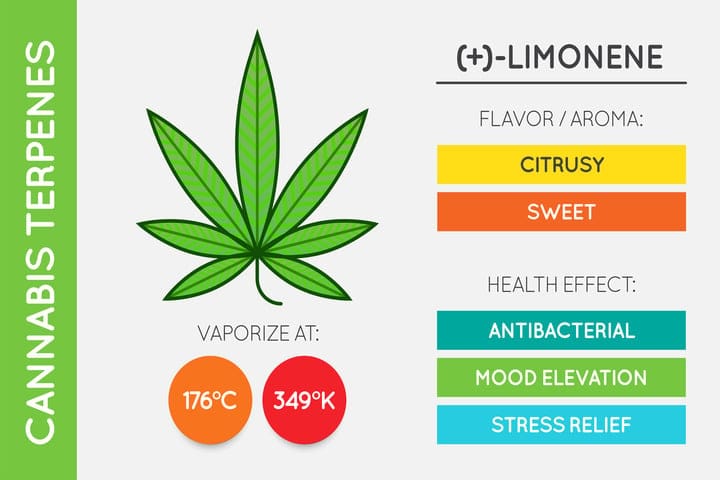
Aroma: Citrus, bright, zesty
Also found in: Lemons, oranges - key citrus fruits
Associated with: Uplifting, invigorating experiences
Strains high in Limonene: Super Lemon Haze, OG Kush


Myrcene
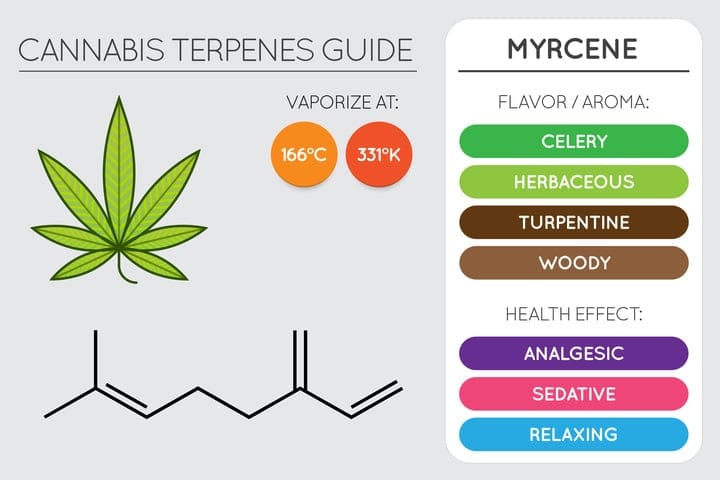
Aroma: Earthy, musky, herbal
Also found in: Mango, thyme
Associated with: Relaxed, grounded feelings
Strains high in Myrcene: Blue Dream, Cali Critical Mass,


Pinene
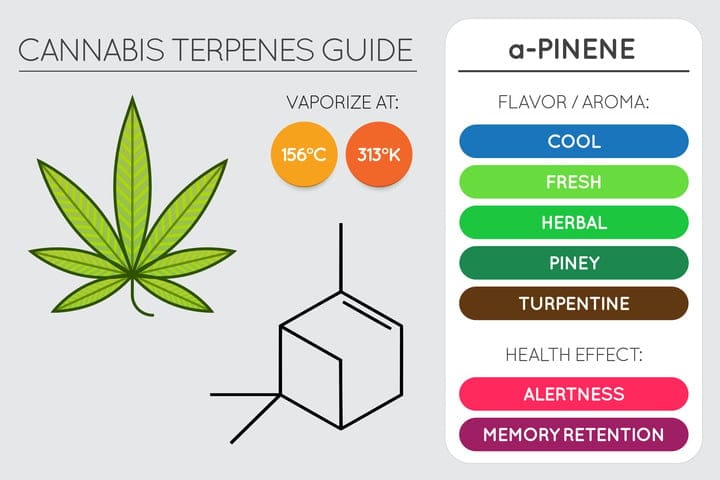
Aroma: Pine, fresh forest
Also found in: Pine needles, rosemary
Associated with: Clarity and alertness
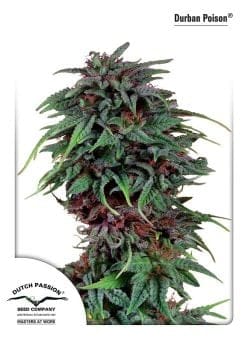
Strains high in Pinene: Jack Herer Fast, Durban Poison
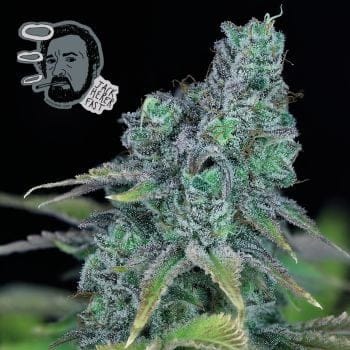
Explore Dutch Passion Durban Poison

Beta-Caryophyllene
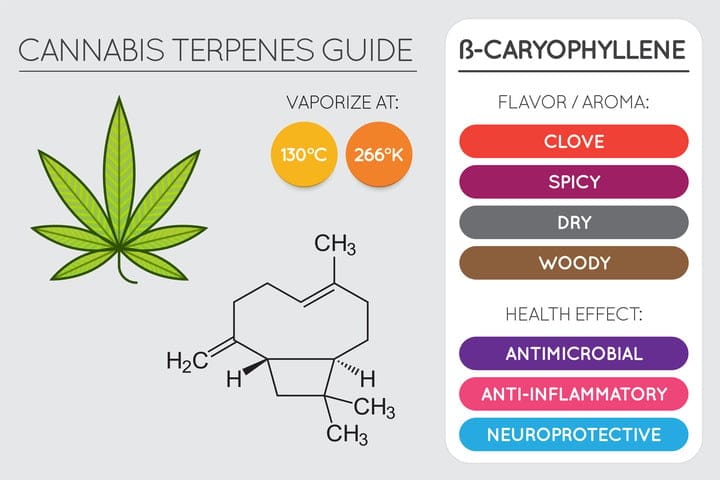
Aroma: Spicy, peppery
Also found in: Black pepper, cloves
Associated with: Relaxing, uplifting experiences
Strains High in Beta-Caryophyllene: Bubba Kush, Wedding Cake Auto

Humulene
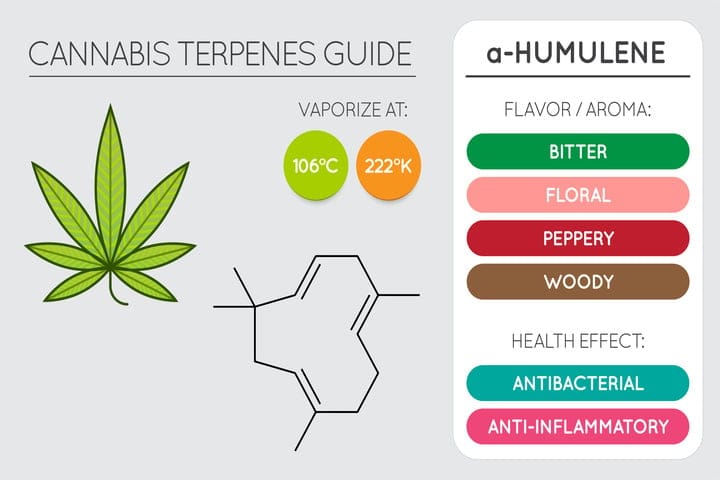
Aroma: Earthy, woody, slightly bitter
Also found in: Hops
Associated with: Balanced, subtle experiences
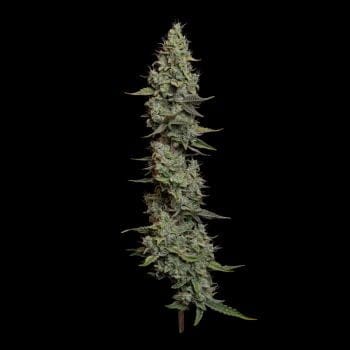
Strains high in Humulene: Gelato 41 BX, Ice Dream Cake
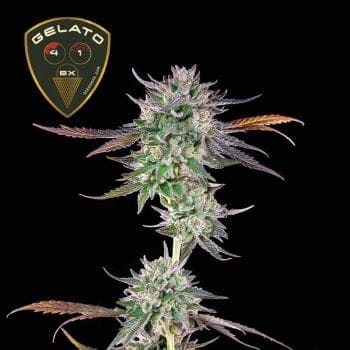
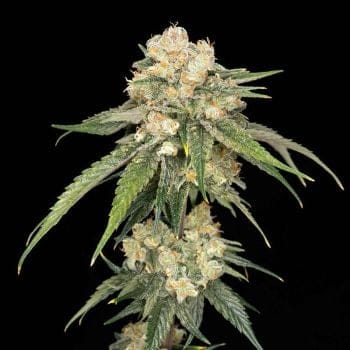
These are just a few of the key terpenes found in cannabis strains. Each terpene brings something different, and together they create profiles that are complex, expressive, and deeply individual, combining to provide the overall experience tied to any given strain - aroma, flavor, effects, and benefits.
What Influences Terpene Profiles?
We've answered the question what are terpenes? But how do terpenes form?
Terpenes don't just appear in cannabis. They're shaped by a range of factors that contribute to how terpenes express within the plant. This is the part where cultivators have more of an influence than many might think, and the steps you take in growing cannabis lead to a fuller expression of terpenes.
Genetics: At the heart of it all is genetics, so if looking to experience a particular terpene profile, it all begins with the seeds you choose.. Like many characteristics of the cannabis plant, the genetic blueprint determines the potential.
Environment: This is where the cultivator can exert some degree of influence, as light, temperature, and soil all play a role.
Cultivation Practices: Everything from care, consistency, and timing matters
Harvesting, curing, and storage: Terpenes are delicate, so how a plant is handled post-harvest can preserve or diminish terpenes.
Consumption method: Terpenes begin to degrade at certain temperatures, so how cannabis flower is consumed (combusted vs vaporized, for example) can also play a major part in how terpenes are experienced.
For further reading, research published in Frontiers in Plant Science highlights how environmental conditions significantly influence terpene production.
For growers, this is where the craft lives. Small decisions, made consistently, can shape the final expression.
Why Terpenes Matter
There's a shift happening. Away from chasing the highest THC percentage, and toward something more balanced. More intentional.
Answering and understanding the question what are terpenes? opens that door. It invites you to choose cannabis based on how it feels, smells, and fits into your life - not just how strong it is.
It encourages exploration. Preference. A personal connection. And in that space, cannabis becomes less about consumption and more about experience.
Conclusion: Slowing Down, Tuning In
So, what are terpenes? They're the detail you notice when you slow down. The layer that rewards attention. The difference between something something functional and something meaningful.
Terpenes remind us that cannabis isn't just about outcome. It's about process, ritual, and sensation. A plant grown with care. With intention. Experienced to the full.
That's where the real value lives. Not in numbers or in trends, but in the quiet richness of the moment, and the way it connects you back to something natural, balanced, and real.
