
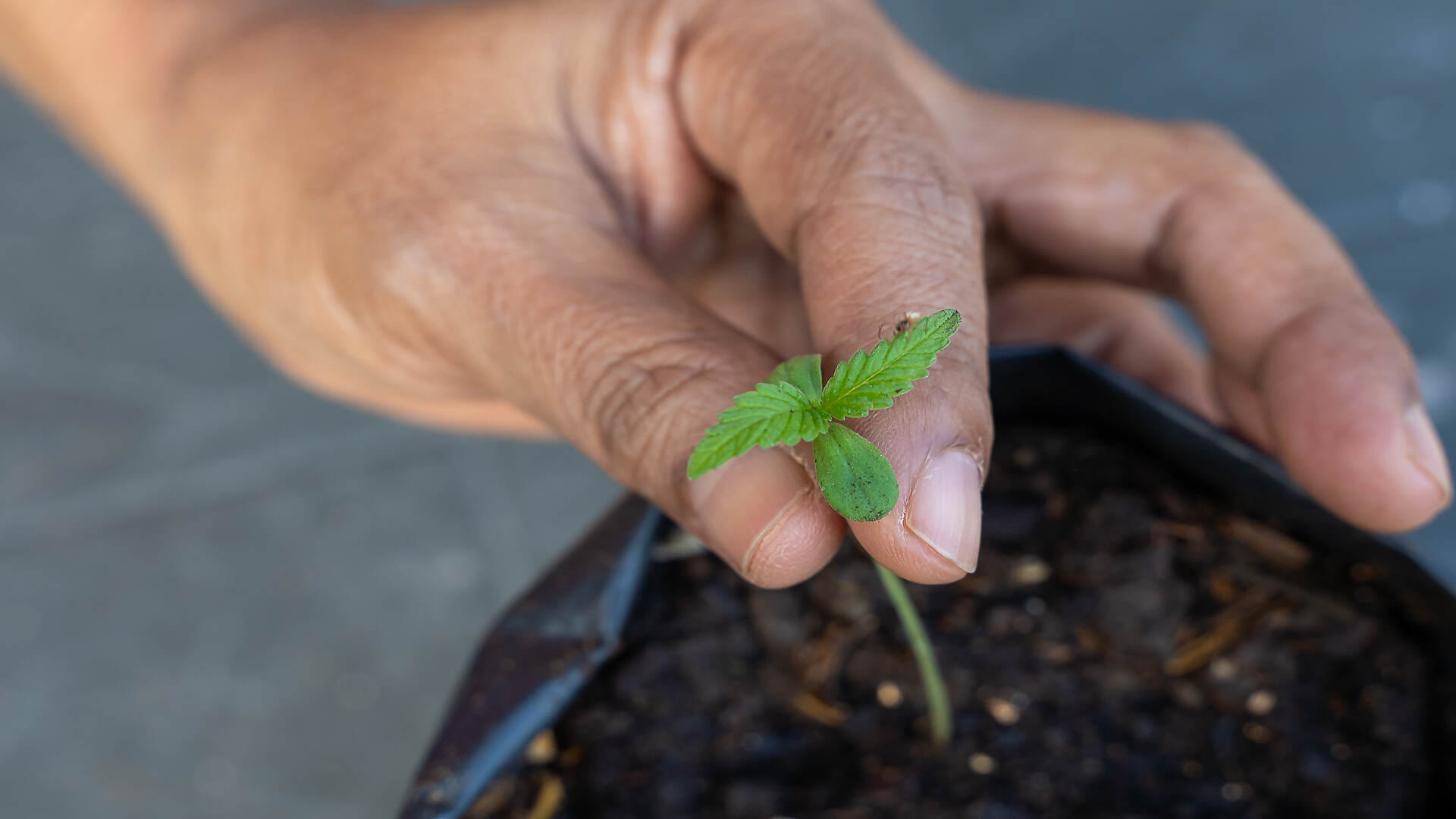

Spring in South Africa brings that unmistakable scent of fresh soil and possibilities – and for many home growers, the first peek of a baby weed plant pushing through the surface is as exciting as seeing Handré Pollard step up to kick a penalty. Those tiny green shoots hold the potential of something special, but the seedling stage is also where as many dreams are dashed as they are fulfilled.
If you’ve ever watched a seedling stretch too tall, wilt overnight, or simply stop growing for no reason, this article is for you. Dealing with a baby weed plant is deceptively tricky, and getting it right takes patience, gentle hands, and proper know-how. This guide will walk you through caring for your cannabis seedlings, from the tools you’ll need to watering, lighting, soil, and how to dodge the three most common seedling stage disasters.
What Is The Seedling Stage of Cannabis?

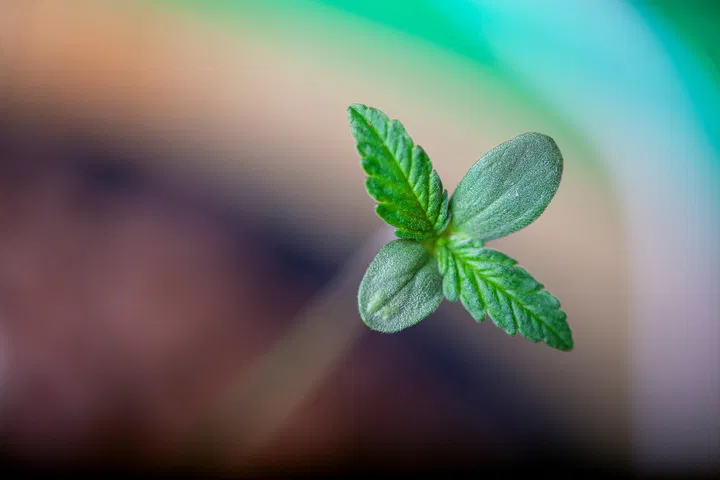
The seedling stage is where your cannabis plant takes its first real breath of life - that brief but vital window after you germinate your cannabis seeds and before the vegetative stage. This is the plant entering its true infancy, where everything that happens now sets the tone for its entire future. Your baby weed plant is busy below the surface, building a network of fine, delicate roots while its first leaves begin to unfurl above the soil.
This stage usually lasts between one and three weeks, depending on a few factors including the strain, the environment, and care. During the seedling stage, plants are powered mainly by the energy stored inside the seed. Those tiny leaves you see first are called cotyledons, and they're the plant's packed lunch, fueling it until it can photosynthesize properly. Then, the first "true leaves" appear, and your little plant begins to feed itself and officially takes its first independent steps into the world.
Because the root zone is still under construction, a seedling is incredibly sensitive to its surroundings at this stage. Too much water, too little light, a cold night, or even just a heavy hand - can cause setbacks that take weeks to recover from. This is the time for gentle encouragement rather than forceful growth. Don't just think of the seedling stage as the start of the plants life; it's the foundation of its success, so treat your baby weed plant with care and kindness now, and it will repay you many times over come harvest.
Gettting Started: The Right Tools To Mangage Your Baby Weed Plants
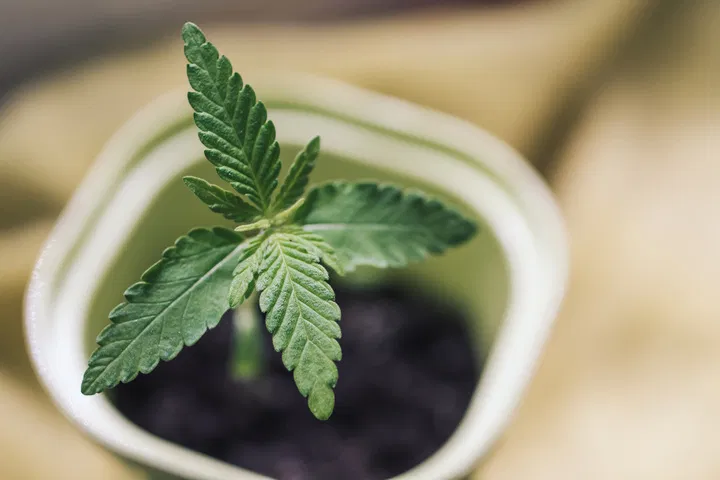
When growing cannabis, your tools don’t need to be fancy – just functional. To get you off on the road to success caring for a baby weed plant, you’ll need to have the following equipment:
- Clean pots or trays: Start seedlings in small containers (0.5-1L) with drainage holes. Go bigger, and the soil stays too wet.
- Spray bottle: Your best friend in the seedling stage. It lets you water gently without drowning delicate roots.
- Thermometer and hygrometer: Cannabis seedlings are divas about their environment – they like consistency.
- Gentle light source: A full-spectrum LED grow light or bright indirect sunlight.
- Good soil mix: Light and airy, and not loaded with nutrients (more on that below).
You can think of this kit as the ultimate crib setup for your baby weed plant. Overcomplicating things early on usually leads to stress – and stressed seedlings don’t become strong adults.
Tip: If you're growing autoflowering cannabis, it's recommended to start them off in what will be their final pots as they have a significantly shorter life cycle and don't have adequate time to recover from the stress of transplanting.
Soil For Your Baby Weed Plant: The Foundation Of A Healthy Start

Your seedling’s first home matters. Many beginners make the mistake of planting into heavy, nutrient-rich soil designed for mature cannabis plants. That’s a fast track to nutrient burn. Instead, choose or mix a light, fluffy substrate with plenty of aeration. The goal here is to let roots breathe while holding just enough moisture to stay evenly damp. A reliable seedling mix often contains:
- Coco coir or peat moss for moisture retention
- Perlite or vermiculite for drainage
- A touch of compost or worm castings for microbial life (but not too much!)
You want soil that feels springy and crumbles easily between your fingers. If you squeeze a handful and it holds together like clay, it’s too dense. A good tip is to add a pinch of mycorrhizal fungi when transplanting your baby weed plant – these beneficial microbes colonize the roots, improving nutrient uptake and disease resistance from day one.
Further Reading:Cannabis Seedling And Clone Care
Light For Your Baby Weed Plant: Keep It Bright, But Gentle
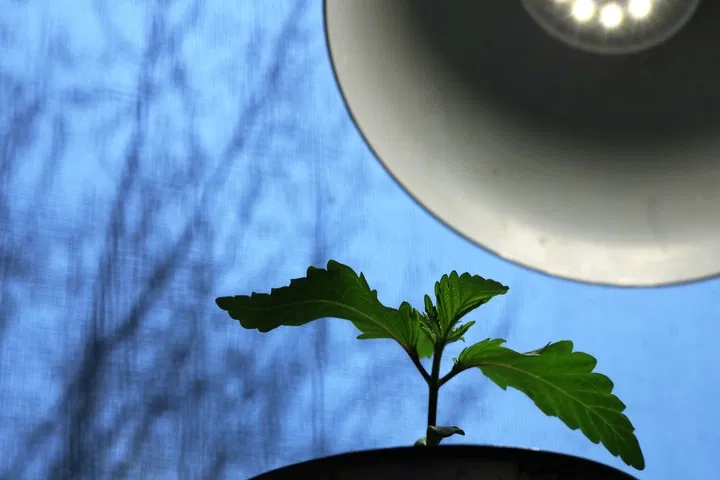
Seedlings need light, but not too much. A little boosts vitality; too much fries the roots. If growing indoors, use a full-spectrum LED light hung 40-60cm above your plants. But you should then pay close attention to how your baby weed plant reacts and act quickly if needs be:
Stretching too tall and thin? Move the light closer.
Curling or bleaching? Raise it a little higher.
For those growing outdoors in South Africa, spring offers gentle, lengthening days – perfect for hardening off baby weed plants. Start them in dappled light or morning sun and gradually expose them to more direct light over the course of about a week. Jumping straight from windowsill to midday heat can shock seedlings faster than a Joburg thunderstrom.
How To Water Baby Weed Plants: A Delicate Balancing Act
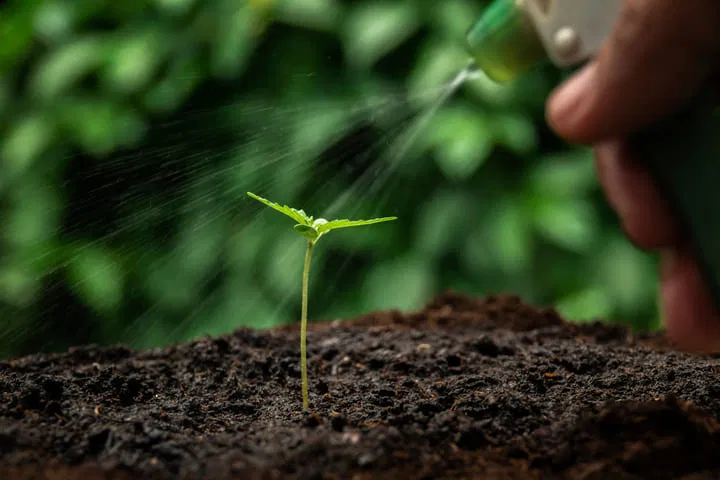
Overwatering is the number one way beginners kill their seedlings. Those fine early roots need oxygen just as much as moisture. When soil stays soggy, roots suffocate, rot sets in, and your baby weed plant’s doomed. A good rule of thumb: water water when the top centimetre of soil feels dry. Lift the pot – if it feels feather-light, it’s time for a drink. Use a spray bottle or a very gentle pour to moisten the soil evenly. And don’t forget drainage. A pot that traps water is a deathtrap for seedlings.
Bonus tip: Use room-temperature dechlorinated water (leave tap water to stand for 24 hours - or boil it and let it cool). Chlorine and cold shocks can both stress the root zone.
Further Reading:How To Fix Overwatering
Temperature & Humidty For Your Baby Weed Plants
A cannabis seedling thrives in conditions that would make most South Africans comfortable in a t-shirt: Around 22-26°C during the day, and 18-20°C at night. Humidity should sit between 60-70% in the seedling phase – a touch higher if your air is dry. Too hot, and a baby weed plant droops or falls over. Too cold and growth slows dramatically. South African spring weather is usually forgiving, but regions like the Western Cape can throw in chilly mornings, while inland provinces can swing hot come noon. Consistency is key – a small indoor grow tent or even a plastic humidity dome can even out these extremes – so swing by your nearest Stodels or Eckards and invest in a humidity dome (or DIY some from those empty Sparletta bottles piling up in the kitchen).
Feeding Your Seedling: Less Is More
Your baby weed plant comes preloaded with everything it needs to get started. Cannabis seeds store nutrients for the first 10-14 days of life. Adding fertilizer too early is like force-feeding a baby protein shakes. Wait until your seedling develops its third or fourth node before introducing mild nutrients – and even then, start at a quarter strength. In early growth, focus on nitrogen-light fomulas or natural teas like compost extract, diluted to a soft tint of color. The idea is to encourage root development, not push explosive growth - yet. Once the seedling enters the vegetative stage, you can begin ramping things up.
Three Pain Points Of Growing Baby Weed Plants (And How To Avoid Them)
Every grower, new or seasoned, faces a few classic stumbling blocks during the seedling stage. Let’s tackle the top three – and how to dodge them like a pro.
Stretching and Weed Stems
Ever seen baby weed plant growing tall and spindly, then flopping over? That’s usually caused by low light intensity or a light source placed too far away.
Solution:
- Move your light closer (but not too close – 40cm is a good start).
- Strengthen stems with a gentle breeze from a fan; a light sway helps seedlings build muscle.
- Replant deeper when transplanting – cannabis will form new roots along the buried stem.
Overwatering and Root Rot
A soggy seedling is a sad seedling. Overwatering a baby weed plant is a sure fire way to suffocate roots, leading to stunted growth or worse - sudden death.
Solution:
- Water sparingly and ensure good drainage.
- Let your pots dry a bit between waterings
- Use fabric or breathable plastic pots, as these allow much better airflow to the root zones.
Nutrient Burn and Soil Stress
Many beginners use “hot” soil or feed too early, which leads to burned leaf tips or stalled growth.
Solution:
- Stick to a gentle, natural medium for the first two weeks.
- Introduce nutrients only when the seedling asks for it – pale leaves, slow growth, or light green coloration are your cues to rustle up some grub for your baby weed plants – but keep it to a minimum.
- Always dilute more than you think you should. You can always feed them a little more later – but you cannot unfry roots.
Bonus Tips For Healthy Baby Weed Plants
Here’s where experienced growers quietly gain an edge:
- Hands off the cotyledons! Those first round “baby leaves” may look largely pointless, but they feed the seedling until real leaves develop. They’ll fall off, but let them fall off naturally.
- Don’t transplant too soon. Wait until roots circle the pot’s edge before potting up to a larger container – otherwise, you risk shocking your baby weed plant.
- Avoid blasting fans directly. Gentle airflow builds strength; a gale flattens seedlings.
- Label your plants. It’s easy to forget which seedling is which once you’ve got a few going. Grab some Seedsman plant labels and mark them up with strains and any other necessary distinguishing information.
Transitioning Baby Weed Plants

Most cannabis seedlings are ready to move into larger pots after about 2-3 weeks, once they've developed 4-5 true leaves - but transplanting safely is a must. When transplanting, handle them gently by the base of the stem, not the top. Bury the stem slightly deeper to encourage root growth.
Remember: If you're growing autoflowers, it's best to start them in their final pots and avoid transplanting.
At this stage, your baby weed plant officially graduates from nursery school to the vegetative phase. You’ll start seeing significantly faster growth, and broader, stronger stems – a clear sign you’ve nailed the hardest part.
Seedling Care 101: Final Thoughts
If there’s one thing cannabis growers learn quickly, it’s that nature rewards patience. The seedling stage might be delicate, but its also full of quiet magic. Every root will support the dense, aromatic flowers you’ll harvest a few months down the road – so take your time, check your soil, keep your light gentle, and resist the urge to over-care for your plants. Your baby weed plant doesn’t need much other than patience and consistency.
When you finally step into the garden this summer, surrounded by healthy, vigorous plants, you’ll know those careful spring mornings were worthy every misted spray of water and every diligent check of the soil. By following these steps, you ensure your baby weed plants grow up to be big, strong, productive adult females. Happy Growing!