
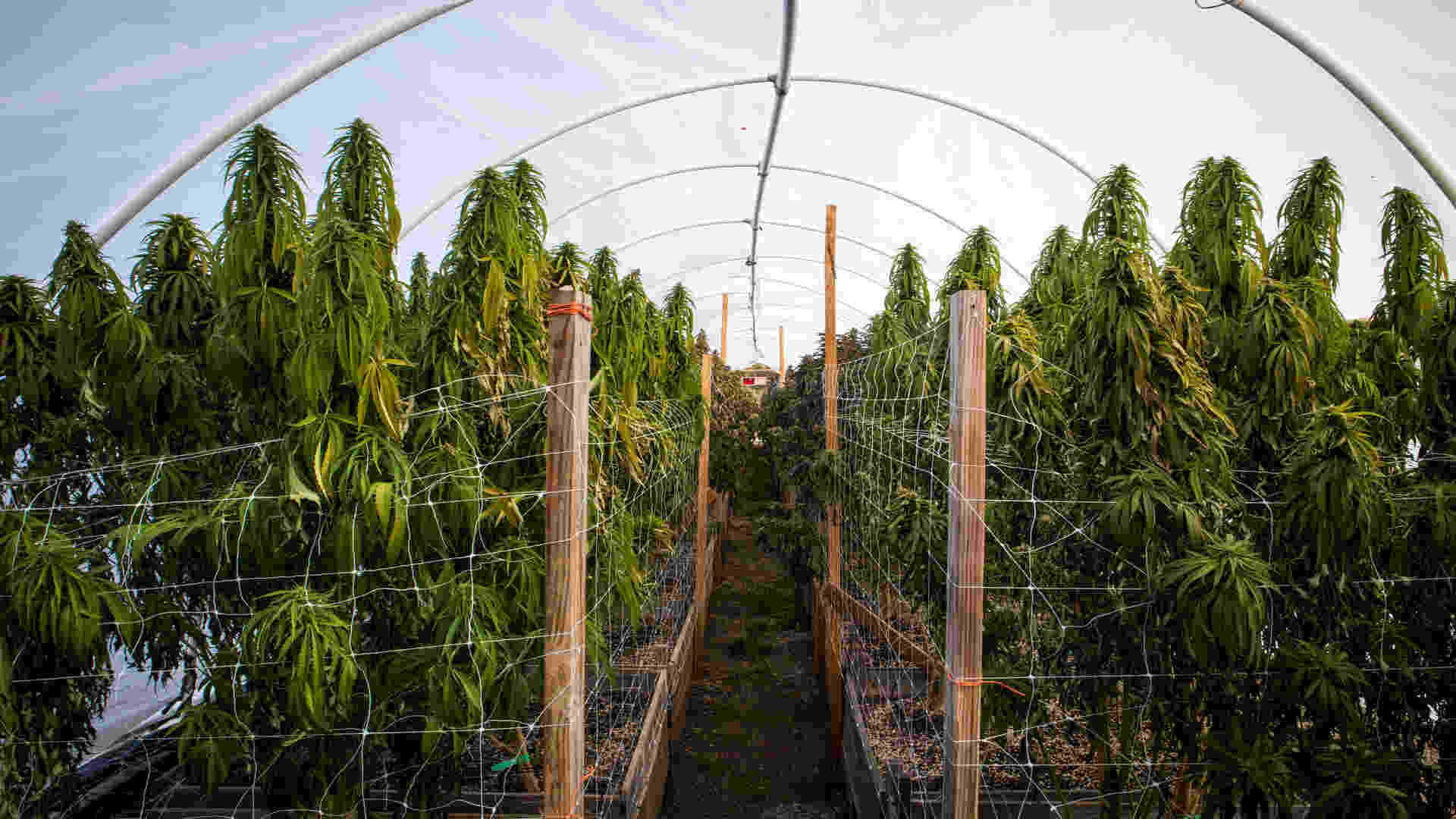

Growing cannabis outdoors has countless benefits, from the potential for huge yields to the great power of natural sunlight. But with great power comes great responsibility, and as a cultivator, you’re responsible for protecting your plants from the elements. Like a loving parent, part of your job is to raise your little ones safely, and that means being on hand to protect them from risks. Chief among those risks is unpredictable weather, and a sudden frost, scorching summer heat, relentless rainfall, or howling winds can wreak havoc on your weed plants if you’re not prepared.
The good news? With the right planning and protective measures, you can safeguard your weed plants against most weather conditions. In this handy guide, we’ll break down how different weather conditions can impact weed plants and provide proven strategies to keep your crop safe and thriving.
Understanding Extreme Weather Conditions
Extreme weather conditions can have a profound impact on cannabis plants, affecting their growth, yield, and overall health. As a grower, understanding these conditions is crucial for taking the necessary precautions to protect your plants. Extreme weather conditions include high temperatures, heatwaves, droughts, heavy rainfall, strong winds, and sudden temperature drops. Each of these can cause significant stress to your cannabis plants, leading to reduced growth, lower yields, and increased susceptibility to pests and diseases.
High temperatures and heatwaves can lead to heat stress, causing wilting, slowed growth, and even light bleaching, where the tops of buds turn white from excessive light exposure. Drought conditions exacerbate this by dehydrating the plants, making it difficult for them to recover. On the other hand, heavy rainfall and high humidity can lead to root rot, nutrient leaching, and bud rot, particularly during the flowering stage. Strong winds can snap branches, uproot plants, and spread pests and pathogens, while sudden temperature drops can cause frost damage, leading to cell damage and slowed growth.
By understanding these extreme weather conditions and their potential effects, you can take proactive steps to protect your cannabis plants and ensure a healthy harvest.
Genetics Matter: How to Choose the Right Seeds for Climate Resilience
Before even thinking about protective measures, the first step in defending your outdoor grow is choosing the right cannabis genetics. Some strains are naturally more resistant to extreme heat, cold, wind, and rain than others.
The Best Cannabis Seeds For Hot Climates
If you’re growing in hot and dry climates, look for sativa-dominant strains with origins in warm regions. When selecting seeds, consider heat resistant strains that are bred to withstand high temperatures. These strains tend to have longer flowering times but better resistance to heat stress.

Recommended Strains for Heat Resistance:
Buy Seedsman Purple Ghost Candy



Buy Seedsman Blue Dream


Buy Seedsman Strawberry Banana Grape


The Best Cannabis Seeds for Cold Climates
Indica-dominant strains and autoflowers are typically better suited for cold weather due to their shorter flowering times and compact structure.
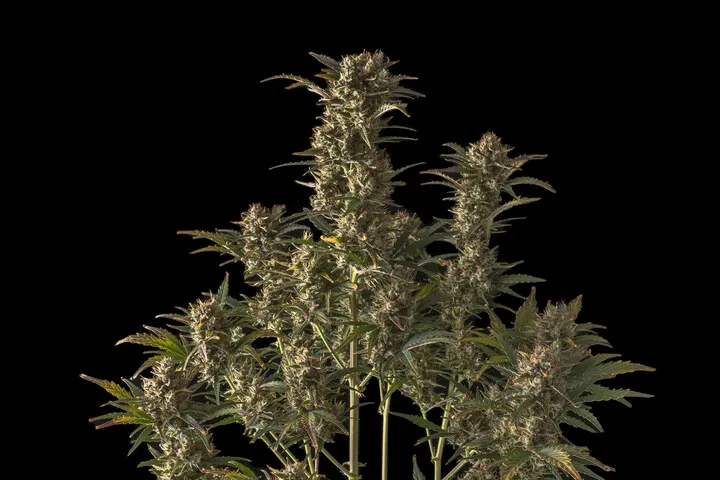
Recommended Strains for Cold Resistance:
Buy Seedsman White Widow


Buy Seedsman Northern Lights


Buy Seeedsman Blueberry Auto


By selecting strains suited to your local climate, you give your weed plants a head start in surviving any harsh weather conditions they’re likely to encounter. This is the best foothold you can give your plants, but once they’re up and growing, there’s still plenty you can do to keep them safe from the elements.
Protecting Weed Plants from Frost
How Frost Affects Cannabis
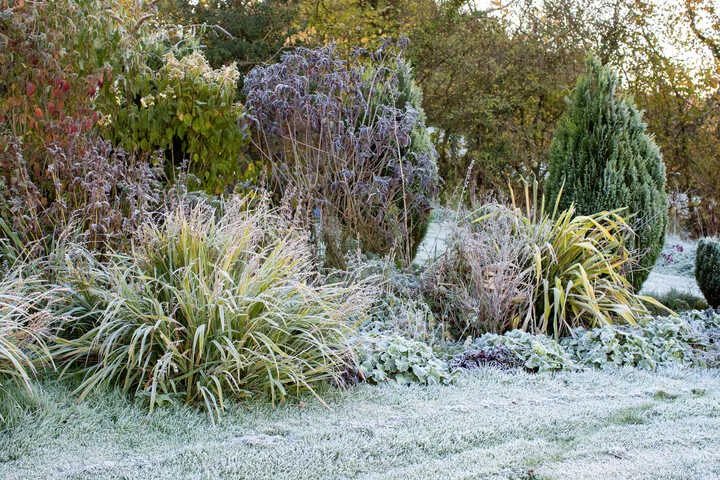
Frost occurs when temperatures drop to freezing levels, forming ice crystals on plant tissues. This can lead to cell damage, slowed growth, and, in some cases, plant death. Certain parts of the northern hemisphere are still blighted by frosts in April and May, so if this is you, you need to take steps. Young seedlings and late-flowering plants are particularly vulnerable here, but being proactive beats being reactive.
How to Protect Against Frost
Choose the right planting time: Start your grow after the last expected frost in spring and aim to harvest before the first autumnal frost. Early/Fast cannabis strains can really pay off here, as they cut the flowering time short by a couple of weeks.
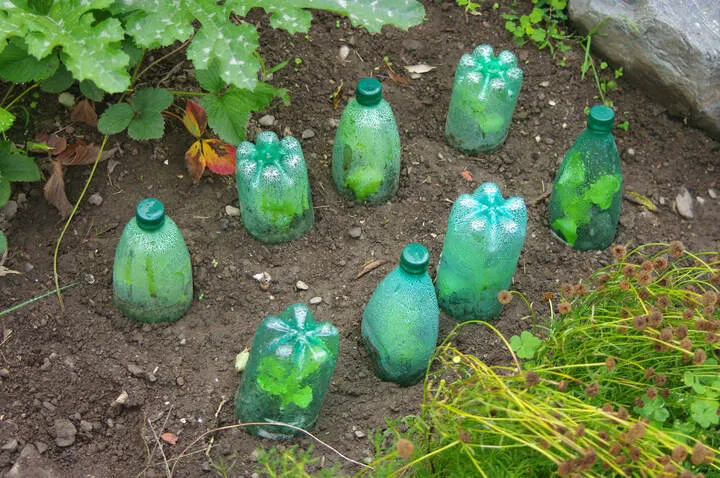
Use cloches to protect seedlings: Small plastic cloches or even cut-off plastic bottles are a cultivator’s friend in the war against frost. These create mini-greenhouses that protect young weed plants from the cold. Or, invest in a cold frame to help your plants survive temperature drops in their early stages. Using cloches or cold frames can help keep plants warm during unexpected frosts.
Cover your plants at night: Use frost blankets, horticultural fleece, or even bedsheets to trap warmth when temperatures drop. Just be sure to remove the covers in the morning to let in that all-important light and encourage airflow.
Mulch the soil: A thick layer of mulch around the base of your plants can help retain soil warmth.
Bring potted plants indoors: If you’re growing your weed plants in containers, move them inside a garage or greenhouse when frost is expected. Admittedly, this is less labor-intensive when plants are still small. However, if you’re doing this to avoid frosts later in the season, shifting your flowering plants indoors requires more work. Ensure you maintain the same light/dark cycle they were receiving outdoors.
Protecting Cannabis Plants From Heat and Drought
How Heat Affects Cannabis
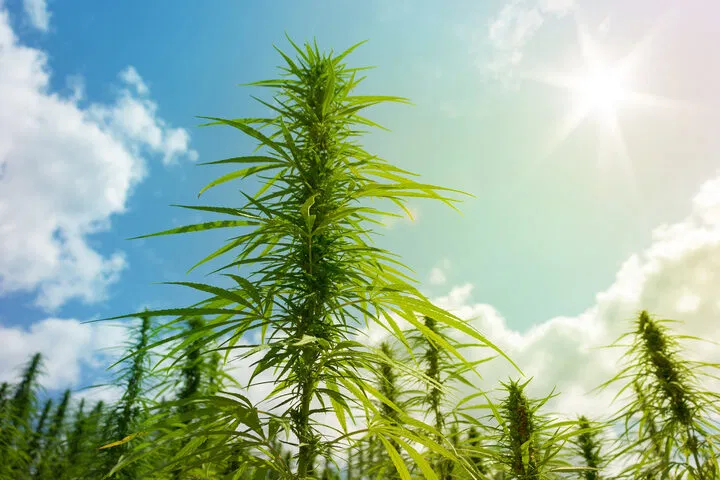
Excessive heat can cause heat stress, wilting, slowed growth, and even light bleaching, where the tops of buds turn white from excessive light exposure. Drought conditions make things worse by dehydrating the plants.
How to Protect Against Heat and Drought
Provide shade during peak heat: Shade cloths (with 30-50% density) or garden umbrellas can shield weed plants from intense midday sun. Providing shade during peak heat can help prevent heat stress in your cannabis plants.
Water wisely: Water early in the morning or later in the evening to reduce evaporation. Deep watering encourages strong root development.
Use mulch to retain moisture: A thick mulch layer helps the soil from drying out too quickly.
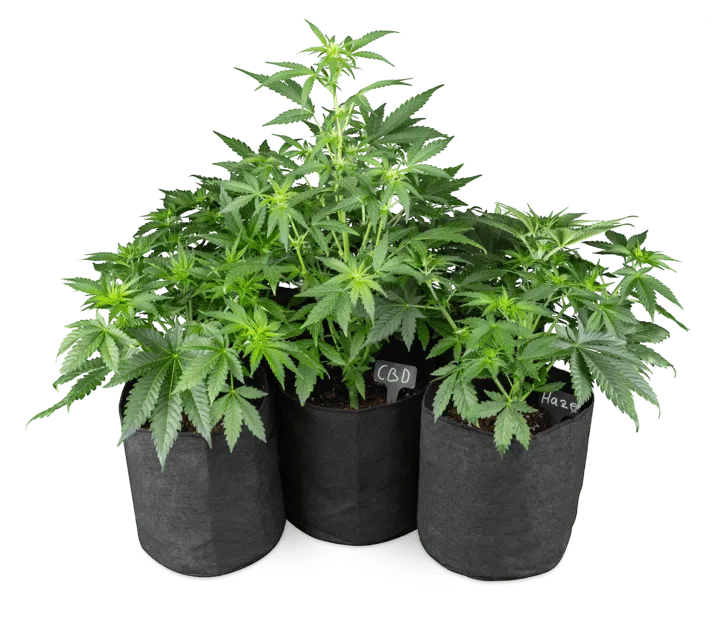
Choose heat-tolerant containers: If growing in pots, opt for fabric pots instead of plastic, which retains heat.
Foliar spray in the evening: Light misting in the evenings can help plants recover from heat stress.
Protecting Cannabis Plants from Heavy Rain and Humidity
How Rain and Humidity Affect Cannabis
Weed plants need water, of course, but excessive rain and humidity can hinder plant growth and lead to issues like root rot, nutrient leaching, and, most dangerously, bud rot (Botrytis). This fungal disease thrives in damp conditions, especially in late flowering.
How to Protect Against Heavy Rain and Humidity
Use covers or a DIY greenhouse to protect plants: Clear plastic sheets or pop-up greenhouse covers allow light in while keeping excessive rain out.
Improve drainage: Grow plants in raised beds or pots with well-draining soil to prevent waterlogging.
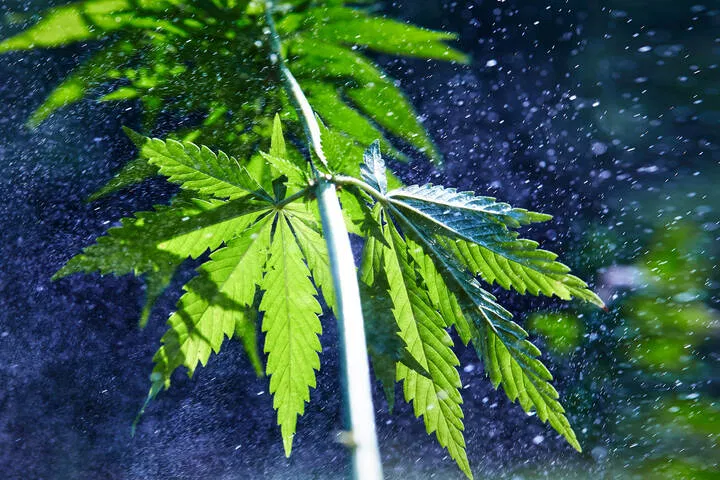
Shake off excess water: After heavy rain, gently shake plants to remove trapped moisture from leaves and buds.
Defoliate for better airflow: Removing excess lower leaves helps air circulate and reduces humidity buildup around buds.
Harvest before prolonged rain: If buds are dense and rains are forecast, consider harvesting early to prevent mold.

Protecting Cannabis Plants From High Winds
How Wind Affects Cannabis
While a gentle breeze can be beneficial by strengthening plant stems and improving airflow, strong winds can be devastating to outdoor weed plants. High winds can:
- Snap branches or uproot plants—especially in late flowering when buds are dense and heavy.
- Cause excessive transpiration—leading to dehydration and slowed growth.
- Spread pests and pathogens—winds can carry pests and pathogens like spider mites and fungal spores onto your weed plants.
Young seedlings and tall, top-heavy plants are particularly vulnerable. Fortunately, there are several effective ways to fortify your grow against wind damage.
How to Protect Against Wind Damage
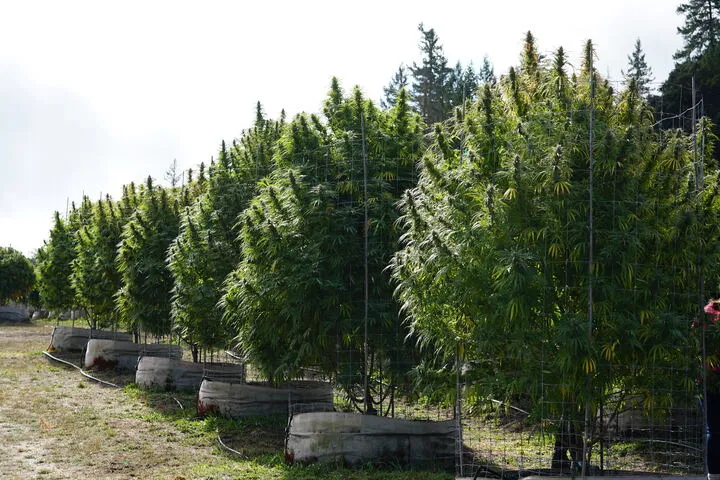
Stake or cage your plants: Supporting your cannabis plants with stakes or cages is one of the best ways to prevent branches from breaking.
Use bamboo stakes for individual branches: Secure these with soft plant ties.
Install tomato cages or trellises around plants to help stabilize them against strong gusts.
For larger plants: T-posts with horizontal twine can provide excellent structural support.
Plant in a sheltered location: If possible, choose a naturally protected grow spot when planning your outdoor garden. Grow next to a fence, wall, or hedge that can act as a natural windbreak. Avoid planting in open fields or on hilltops where wind speeds are higher. If growing in containers, move pots to a more sheltered area during storms.
Use windbreak barriers: If natural wind protection isn’t available, create your own windbreaks to diffuse wind strength.
Install mesh fencing or shade cloth barriers around your grow area: These allow airflow while reducing wind intensity.
Use companion plants to your advantage: Position plants like sunflowers around your weed plants to help break up strong winds.
Tie down branches to prevent breakage: For large outdoor plants, tying down branches can prevent them from snapping in high winds. Avoid tying too tightly - branches need some flexibility to move in the wind.
If a storm is coming: consider using horticultural netting to reinforce your plants.
Train plants to withstand wind: Certain training techniques, such as low-stress training, can help plants develop a more compact structure and stronger stems, which are better able to withstand wind.
Low-Stress Training (LST) helps create a shorter, bushier plant that's less prone to wind damage.
Topping or FIMing encourages stronger branch growth, reducing the likelihood of breakage.
Supercropping toughens up stems, making them more resistant to bending in high winds.
Creating a Safe Grow Space
Creating a safe grow space is essential for protecting your cannabis plants from extreme weather conditions. This involves building structures that provide shade, wind protection, and insulation, ensuring your plants have a controlled environment to thrive in. Whether you’re dealing with scorching heat, heavy rain, or strong winds, a well-designed grow space can make all the difference in your cannabis cultivation success.
Building Structures for Protection
One of the most effective ways to protect your cannabis plants is by building structures that shield them from extreme weather conditions. Greenhouses, grow tents, and other types of protective structures can provide the necessary shade, wind protection, and insulation your plants need. These structures can be made from various materials, including wood, metal, and plastic, each offering different benefits.

Greenhouses are excellent for providing a controlled environment, allowing you to regulate temperature and humidity levels. Grow tents are a more portable option, ideal for smaller grows or for those who need to move their plants indoors during adverse weather. When designing these structures, consider the specific needs of your plants and the typical weather conditions in your area. It's crucial to ensure that your structures allow for adequate airflow and light penetration while providing the necessary protection from the elements.
Using Natural Barriers and Windbreaks
In addition to building structures, using natural barriers and windbreaks can significantly enhance the protection of your cannabis plants. Natural barriers such as trees, bushes, or hills can block strong winds and provide much-needed shade during hot afternoons. These barriers not only protect your plants from physical damage but also help maintain a more stable microclimate around your grow area.
If natural barriers are not available, you can create your own windbreaks using materials like burlap or snow fencing. These man-made windbreaks can reduce wind speed and protect your weed plants from damage. Position these barriers strategically around your grow space to maximize their effectiveness.
By combining well-built structures with natural barriers and windbreaks, you can create a safe and resilient grow space that helps your cannabis plants withstand the challenges of extreme weather conditions - and guarantee their survival.
Additional Tips For Weatherproofing Your Cannabis Grow
Monitor the Weather Forecast Regularly
In the spirit of forewarned is forearmed, keeping an eye on upcoming weather patterns allows you to take preemptive action. If frost is on the way, you can prepare covers; if a heatwave is coming, you can set up shade in advance. Use weather apps or a local forecast service to stay informed.
Use Companion Planting for Added Protection
Strategically planting other plants around your cannabis grow can help mitigate weather stress. Companion plants can provide shade, act as windbreaks, or even deter pests that may attack weakened cannabis plants.
Tall companion plants like sunflowers or corn can act as windbreaks and provide partial shade during hot afternoons.
Clover or ground cover plants can help retain soil moisture and prevent excessive evaporation in dry conditions.
Aromatic herbs like basil and lavender can deter pests attracted to stressed weed plants.
The Importance of Soil Health and Proper Nutrition
Healthy weed plants are naturally more resistant to environmental stress, and soil quality plays a huge role in this resilience.
- Well-aerated soil ensures proper drainage to prevent root rot in rainy conditions. Mix in perlite or coco coir for better aeration.
- Nutrient-rich soil provides essential minerals to help plants recover from heat stress or frost damage.
- Beneficial microbes and mycorrhizae strengthen root systems and improve nutrient uptake, helping plants withstand weather fluctuations.
- For growers working in extreme conditions, adding kelp meal or silica supplements to the soil can help improve plant cell structure, making them more resistant to heat, cold, and wind stress.
When To Harvest to Avoid Weather-Related Losses
Even with all these protective measures in place, sometimes the best way to avoid damage is harvesting at the right time. Better to cut it a few days short than lose the entire crop to incoming storms.
- If a frost is imminent and your buds are nearly mature, consider harvesting a few days early to prevent frost damage.
- If heavy rain is on the way late in flowering, you may want to take down your plants to avoid bud rot.
- If strong winds are expected and your plants are tall with heavy colas, partial harvesting (taking top colas first) can reduce the risk of branches snapping.
Final Thoughts: Preparation Is The Key To Success
Growing cannabis outdoors means working with nature—not against it. While weather can be a major challenge, prepared growers can adapt and overcome almost any conditions. By selecting the right genetics, using strategic protective measures, and closely monitoring weather changes, you can ensure a successful harvest—no matter what Mother Nature throws your way.