


Spend enough time around cannabis plants and you begin to notice something: every strain has a a unique presence. Some announce themselves the moment you set foot in the grow space, filling the air with a burst of sharp citrus. Others carry earthy, woody notes, floral scents, or powerful aromas of spice and fuel. These differences are just one part of what makes growing cannabis such a rewarding experience.
Much of this aromatic diversity comes from terpenes — the naturally occurring compounds produced by plants that contribute to their scent and flavour. Cannabis contains a wide variety of terpenes, with each cultivar expressing its own unique chemical profile based primarily on genetics. Good cultivation practices and post-harvest handling can influence how those characteristics develop and are preserved. [1]
Learning how to grow a weed plant with focus on terpene developmen isn't about chasing a magic formula or trying to force a plant into producing something it was never capable of creating. Experienced growers understand something important: Plants can't be bullied into greatness. You have to carefully craft the conditions where it can reveal what it already has.
Growing cannabis is a relationship between genetics, environment, timing, and care. The seed provides the template. The grower creates the environment, and the plant does the rest.
If aroma and flavour matter to you, every decision along the way becomes part of the process — from choosing seeds and managing your grow space to harvesting at the right time and protecting those delicate terpenes during drying and curing.
How To Grow A Weed Plant That's Terpene Rich: What Are Terpenes?
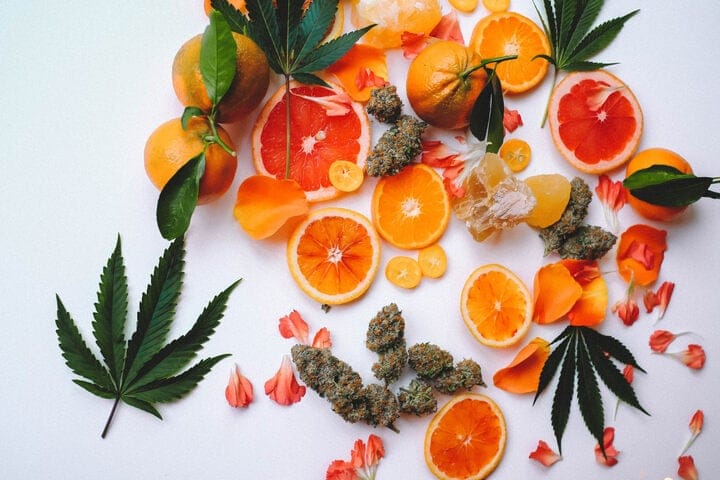
Terpenes are aromatic compounds found throughout nature. They're responsible for the smell of many familiar plants, from lavender and mint to pine trees to citrus fruits. In cannabis, terpenes are the natural compounds that enrich cannabis, and contribute to the distinctive characteristics that make different cultivars unique.
A plant rich in limonene, for example, may have bright citrus aromas. Myrcene is often associated with earthy and herbal notes, while pinene contributes pine-like aromas. Beta-Caryophyllene is commonly linked with spicy, peppery characteristics, and linalool is associated with floral aromas. [2]
These compounds aren't sprinkled on to the plant at the end of flowering. Terpene production is part of the plant’s natural biology, influenced by genetics and environmental factors throughout its lifecycle.
This is why growing cannabis for peak terpene production requires looking at the entire process.
A perfectly grown plant that's rushed through drying, or left to dry in poor conditions will likely lose some of its aromatic character. A plant with excellent genetics grown in an unstable environment may never reach its full potential. Therefore, details matter at every step.
When considering how to grow a weed plant with terpene development in mind, think about the whole journey:
- Starting with suitable genetics
- Maintaining a healthy growing environment
- Supporting strong roots
- Providing balanced nutrition
- Harvesting thoughtfully
- Drying and curing carefully
Great terpenes is not the result of one single decision. It's the result of many small decisions along the way, working together..
Choose Cannabis Genetics With Strong Terpene Potential
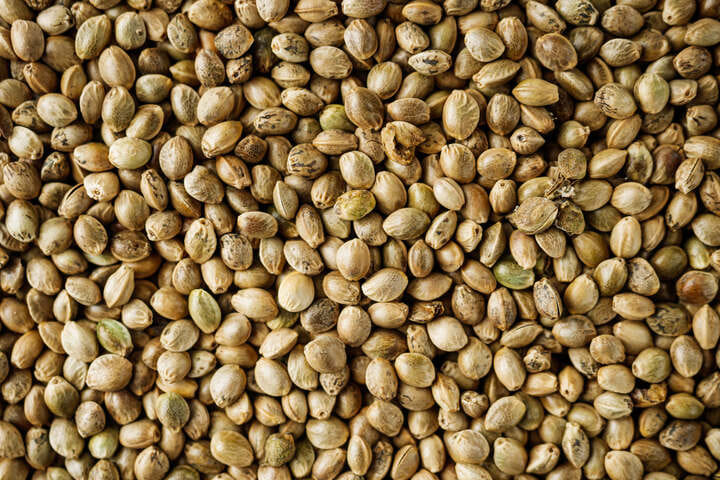
Every cannabis plant starts with a set of instructions written into its genetics. A seed isn't a blank canvas. It already contains information that influences plant structure, flowering behaviour, cannabinoid production, and terpene profile.
This is one of the most important lessons when learning how to grow a weed plant: You can't create a characteristic that isn't present within the genetics. A grower can provide excellent lighting, dial in environmental conditions, and master their feeding schedule, but genetics establish the plant’s potential.
Research has shown that cannabis chemotypes vary significantly between cultivars, with genetics playing a major role in determining terpene composition. [3] This means choosing seeds carefully matters.
When selecting cannabis genetics, consider:
- The cultivar’s reported aroma profile
- Breeder reputation
- Genetic stability
- Whether the plant’s characteristics suit your growing environment
It's also worth remembering that even plants from the same cultivar can show variation. Different phenotypes can express slightly different traits, which is why some growers search through multiple plants to find individuals with especially desirable characteristics.
A common mistake when growing cannabis is judging a cultivar too quickly. One plant may impress immediately, while another may reveal its qualities later during flowering. In some cases, the true terpene expression may only reveal itself after curing. Give the plant time to tell its story before deciding what it has to offer.
Related Article:How To Choose Cannabis Strains: The Beginner's Guide
How to Grow a Weed Plant in an Environment That Supports Terpene Development
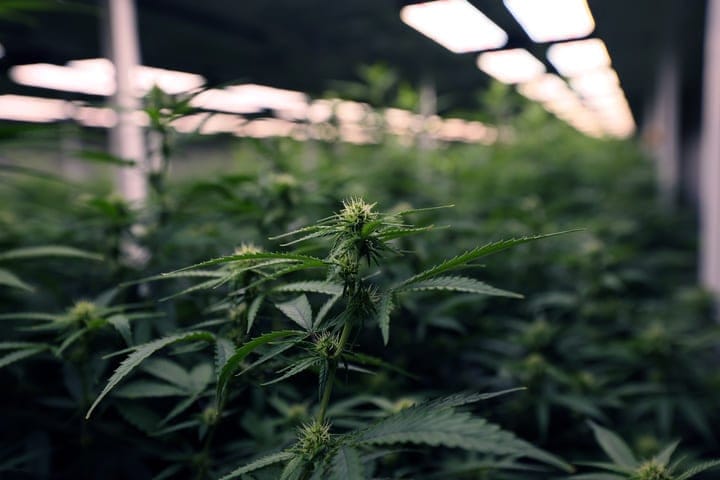
A cannabis plant is constantly responding to its surroundings. In other words, environmental temperature, humidity, light, and airflow all influence plant health.
When people ask how to grow a weed plant successfully, they often focus heavily on nutrients. But the environment is just as important. A plant receiving perfect nutrition in a poor environment will still struggle. Experienced growers understand that cannabis doesn't need a perfect laboratory environment. It needs consistency. The goal is not to eliminate every fluctuation. The goal is to avoid unnecessary stress.
Temperature: keeping plants comfortable
Temperature affects photosynthesis, transpiration, and overall plant development. Many indoor growers aim for approximate ranges such as:
Vegetative growth:
- Around 22–28°C during the light period
Flowering:
- Around 20–26°C during the light period
Night temperatures are often kept slightly cooler, depending on the cultivar and environment.
Excessive heat can create challenges, particularly during flowering when growers are trying to protect the aromatic qualities of developing flowers. Volatile compounds, including terpenes, can be affected by environmental conditions. [4]
This doesn't mean a single warm day will ruin a harvest. Cannabis is resilient. The concern is prolonged periods where the plant is repeatedly pushed outside its preferred conditions. Your grow space should feel comfortable when you walk into it. If the space feels excessively hot, humid, or stale, chances are the plant is likely experiencing those same conditions.
Humidity: balancing growth and protection
Humidity requirements change throughout the cannabis lifecycle. Young plants generally tolerate higher humidity levels because they have smaller root systems and are actively developing foliage. As plants enter flowering, many growers reduce humidity to help create a less favourable environment for mold and moisture-related problems.
Common targets include:
Seedlings:
- Approximately 60–70% relative humidity
Vegetative growth:
- Approximately 50–70% relative humidity
Flowering:
- Approximately 40–55% relative humidity
These are guidelines rather than strict rules. Plant structure, airflow, temperature, and cultivar characteristics all influence the ideal environment. Dense flowers in a humid environment need more attention than open, airy structures.
Light: giving the plant the energy to thrive
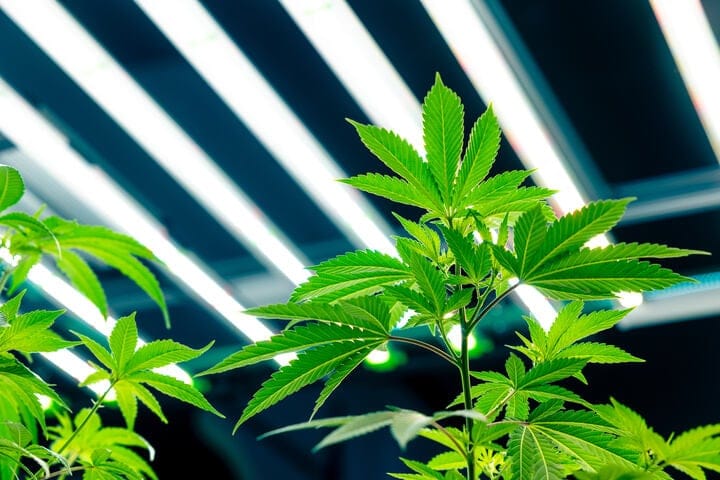
Light is the engine that drives photosynthesis. Without sufficient light, cannabis plants can't produce the energy required for vigorous growth and flower development. However, more light doesn't automatically better results
Many indoor growers measure light intensity using PPFD (photosynthetic photon flux density).
Common ranges include:
Vegetative stage:
- Approximately 300–600 µmol/m²/s
Flowering stage:
- Approximately 600–900 µmol/m²/s
The ideal intensity depends on genetics, growing method, environmental control, and whether supplemental carbon dioxide is being used. A plant under intense light but struggling with heat, humidity, or root issues is not receiving the benefit a grower intended. Balance always wins.
Related Article:How A Weed Plant Uses Light: The Science Of Photosynthesis
Airflow: creating a healthy growing environment
Good airflow is one of the simplest ways to improve a grow space. Gentle air movement helps strengthen stems and reduces stagnant areas around the canopy. But the aim is not to create a wind tunnel. Leaves should move gently, not constantly fight against a fan.
Direct airflow onto flowers can contribute to uneven drying before harvest and may create unnecessary stress. A well-designed grow space should feel alive — fresh air moving naturally, plants standing comfortably, and the environment remaining stable.
How to Grow a Weed Plant With Healthy Roots That Support Terpene Development
The foundation of great growth starts below the surface. When most people picture a cannabis plant, they picture what happens above the soil.
- Leaves.
- Branches.
- Flowers.
But underneath the surface is where the real foundation is built. Roots are the hidden engine of the plant. They anchor the cannabis plant, absorb water and nutrients, interact with microorganisms, and help regulate overall health.
A struggling root system often leads to problems above ground. Yellowing leaves, slow growth, nutrient issues, and poor development can all begin in the growing medium long before they become obvious above ground.
When learning how to grow a weed plant, it's easy to focus on the visible parts because that's what we see. Experienced growers learn to pay attention to what they can't see. A healthy canopy begins with a healthy root zone, and understanding the science of the cannabis root zone is essential to grow great cannabis.
Choosing the right growing medium
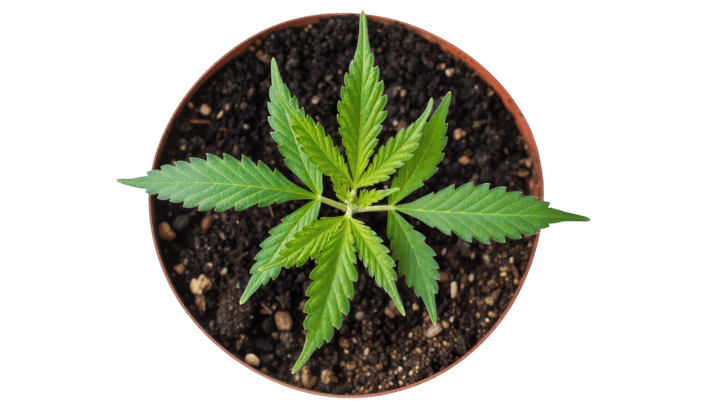
Cannabis can be grown successfully in several different mediums, each with its own advantages.
Soil
Soil remains popular because it provides a natural environment containing minerals and microorganisms that can support plant growth. Many growers enjoy growing in soil because it allows a more organic approach, where the focus is on building a healthy living medium rather than simply supplying nutrients.
Coco coir
Coco provides excellent aeration and drainage while allowing growers more control over nutrient delivery. Because coco contains fewer naturally available nutrients than soil, growers usually need to pay closer attention to feeding and mineral balance.
Hydroponic systems
Hydroponic growing gives growers direct control over water and nutrient availability. However, this precision also means mistakes can happen quickly if environmental factors are not monitored carefully. There is no single “best” method. The best method is the one you understand.
Cannabis Nutrition: Feeding the Plant Without Forcing Growth
Healthy plants create the best foundation for terpene expression. A cannabis plant needs nutrients to grow, but more feeding doesn't automatically equal better results. This is one of the biggest lessons when learning how to grow a weed plant. The aim is not to push the plant as hard as possible. The aiml is to provide exactly what it needs at the right time.
Think of plant nutrition like cooking any meal. Adding more ingredients doesn't always improve the recipe. Balance is what creates something enjoyable.
Cannabis needs several essential nutrients, including:
Nitrogen
Important for vegetative growth, leaf development, and overall plant structure.
Phosphorus
Involved in energy transfer and important throughout plant development.
Potassium
Supports many plant processes, including water regulation and enzyme activity.
Calcium and magnesium
Important secondary nutrients involved in plant structure and photosynthesis.
Micronutrients
Elements such as iron, manganese, zinc, and boron are required in smaller amounts but remain essential.
Understanding nutrient changes during flowering
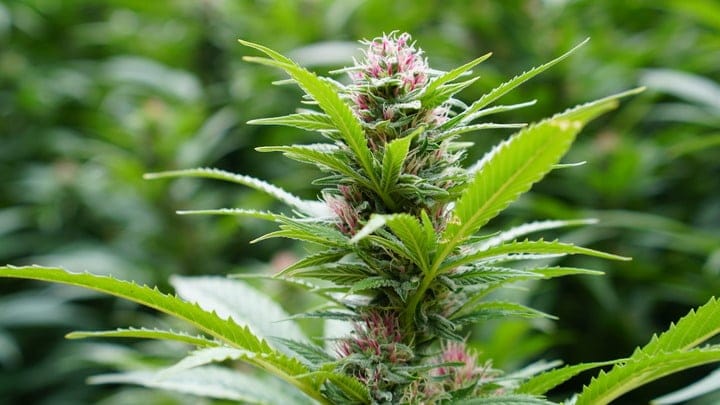
A common misconception is that cannabis plants need increasing amounts of nutrients throughout the entire grow. In reality, plant requirements change. During vegetative growth, the plant is focused on building structure. During flowering, priorities shift towards developing flowers and completing reproduction, so transitioning nutrients from the vegetative to flowering phase becomes a key step in plant health.
The most experienced growers are not necessarily the ones using the strongest nutrients. They are the ones paying attention. They notice changes in colour, growth rate, leaf position, and overall plant behaviour.
Cultivation Note
Nutrient problems are often confused with nutrient deficiencies. A plant showing symptoms does not always mean it needs more food. Sometimes the issue is that nutrients are unavailable because of incorrect pH, overwatering, damaged roots, or environmental stress.
Always investigate before adding more.
Organic Feeding, Living Soil, and Cannabis Terpene Development
When discussing how to grow a weed plant with terpene development in mind, the conversation often turns to nutrients. But some growers believe the most important part of feeding happens before the plant ever takes up a nutrient — in the living world beneath the soil surface.
Living soil is built around the idea that cannabis plants do not grow in isolation. Their roots interact with a community of microorganisms, including beneficial bacteria and fungi, which can influence nutrient cycling and soil health.
Instead of simply supplying nutrients directly, organic growing methods focus on creating an environment where nutrients are gradually broken down and made available through natural biological processes. This is why some growers describe living soil as "feeding the soil, not the plant."
The idea is simple: A healthy ecosystem helps support a healthy plant.
Further Reading:Soil And Seeding Micorbes: A Healthy Living Soil Guide:
Compost teas and microbial activity
Compost teas are another technique used by some organic growers. These preparations are typically made by extracting beneficial compounds and microorganisms from compost or worm castings and applying them to the growing medium. The goal is not to create a concentrated fertilzer, but to encourage biological activity around the root zone.
Research into plant-microbe interactions has shown that beneficial microorganisms can influence plant health, nutrient availability, and stress responses. [Reference]
However, the quality of compost, brewing method, hygiene, and application technique all matter. A poorly prepared tea is unlikely to provide the same benefits as a carefully managed biological approach.
Organic vs synthetic nutrients: which is better?
This is one of the biggest debates in cannabis cultivation. Synthetic nutrients provide precise control. They allow growers to deliver specific amounts of mineral nutrients directly to the plant, which can be particularly useful in hydroponic systems or highly controlled environments. Organic methods take a different approach, focusing on soil biology and slower nutrient cycling. Neither method is automatically superior.
A skilled grower can produce excellent cannabis using either approach.
The deciding factors are often:
- Understanding the system
- Maintaining balance
- Avoiding nutrient problems
- Providing a stable environment
- Protecting the plant through harvest and curing
When growing cannabis for terpene expression, the goal is creating the healthiest possible plant.
Many growers who use living soil say the greatest benefit is not a single dramatic change, but the simplicity of the system. Once the soil ecosystem is established, the grow becomes less about constantly correcting problems and more about maintaining balance.
How pH Affects Cannabis Growth and Nutrient Availability
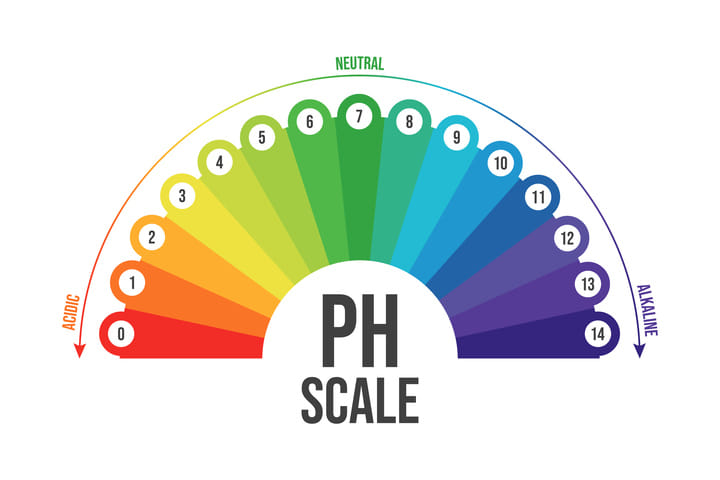
pH is one of those topics that can seem complicated at first, but the principle is simple:
A cannabis plant can only use nutrients that are available to its roots. The growing medium may contain everything the plant needs, but if pH moves outside the preferred range, certain nutrients become less accessible. This is sometimes referred to as nutrient lockout.
For many soil growers, a root-zone pH between approximately 6.0 and 7.0 is commonly targeted. For coco and hydroponic systems, growers often work closer to approximately 5.5–6.5. [5]
The exact target depends on growing style, nutrients used, and the wider environment. Many growers chase perfect numbers, but consistency is often more valuable than perfection. A stable environment with slightly imperfect readings is usually better than constantly changing conditions trying to achieve an ideal figure.
Further Reading:Cannabis pH Explained
Cannabis Training Techniques: Guiding Growth Without Creating Unnecessary Stress
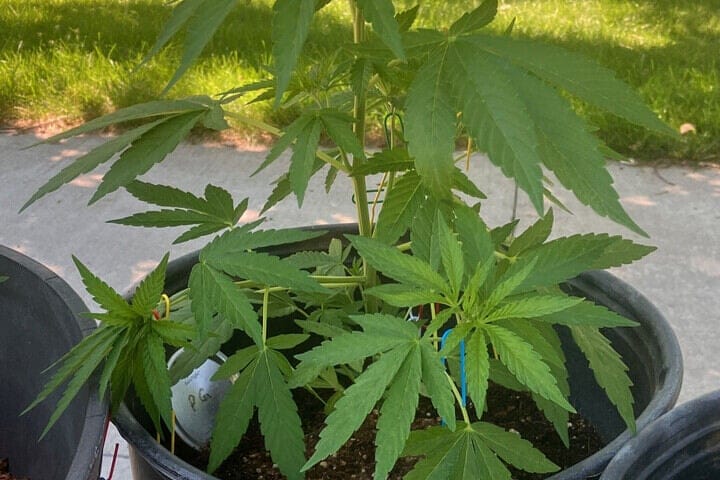
Cannabis naturally wants to grow upwards towards light. In an indoor environment, growers often use training techniques to encourage a more productive structure. Training is not about controlling the plant. It is about working with the plant.
Common techniques include:
Low-stress training (LST)
LST involves gently bending and positioning branches to create a more even canopy. This can help expose more areas of the plant to light and improve space management.
Topping and pruning
Some growers remove specific growth tips to encourage branching and create a wider structure. However, these techniques should be used thoughtfully. Every cut is a decision.
The internet often makes plant training look like a competition to see who can manipulate a plant the most. In reality, the best growers usually show restraint. A healthy plant with a simple training approach will often outperform a heavily stressed plant.
Related Article:Introduction To Cannabis Plan Training Techniques
Does Stress Increase Cannabis Terpene Production?
One of the more debated topics in cannabis cultivation is whether stressing plants can improve terpene quality and production. Plants do respond to stress. This is part of their natural biology. Environmental changes can influence the production of secondary metabolites, including aromatic compounds. [6] However, this does not mean deliberately stressing a cannabis plant will automatically improve terpene development. A stressed plant is not necessarily a better plant.
Severe stress can slow growth, interrupt development, and reduce overall performance. When growing cannabis with aroma and flavour in mind, focus on controlled cultivation:
- Maintain stable temperatures
- Provide appropriate lighting
- Avoid major environmental swings
- Train carefully
- Allow recovery time
The goal is not to make the plant struggle. The goal is to create conditions where it can flourish. That means using techniques such as low-stress training and defoliation, which can open up the canopy to allow more light in and can boost trichome production.
When to Harvest Cannabis to Help Preserve Terpene Profiles
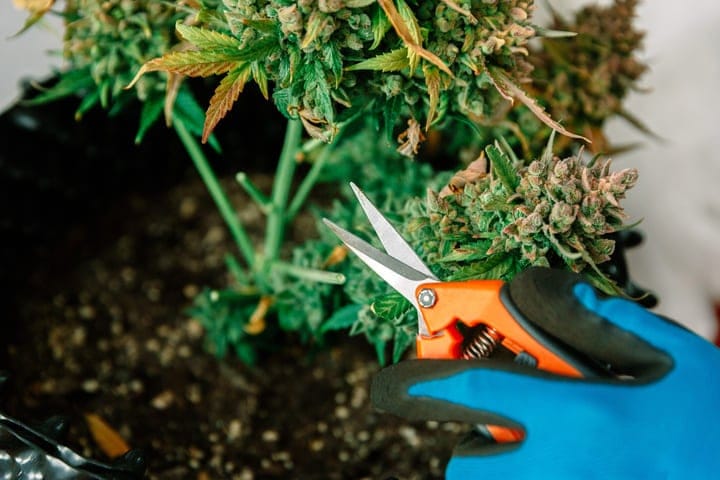
After months of caring for a cannabis plant, harvest day can feel like the finish line. But experienced growers know something important: Harvest is not the end of cultivation. It's merely the transition into the next stage.
When learning how to grow a weed plant, many beginners focus heavily on the growing phase and underestimate how much the final weeks can influence the quality of the finished flowers. Timing matters. Harvest too early, and flowers may not have fully developed. Harvest too late, and some characteristics may begin to change as the plant continues through the final stages of maturity. For example, a late harvest can lead to a more sedative effect from the buds. And that's fine if that's how you like your smoke. But if you're looking for peak terpene expression, you've missed the boat.
Looking at trichomes
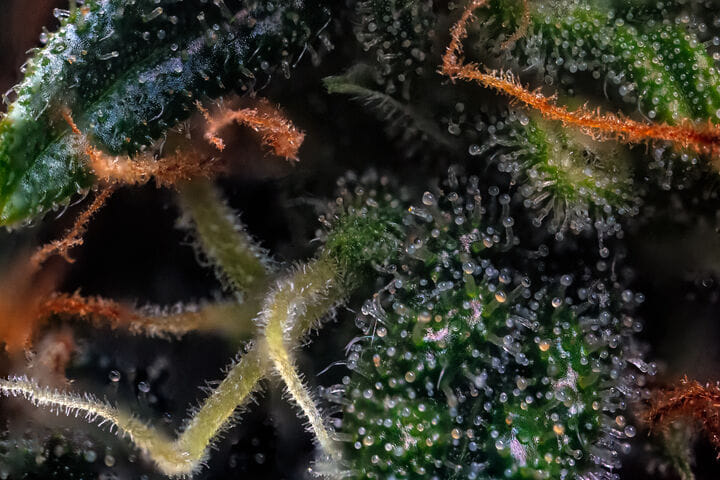
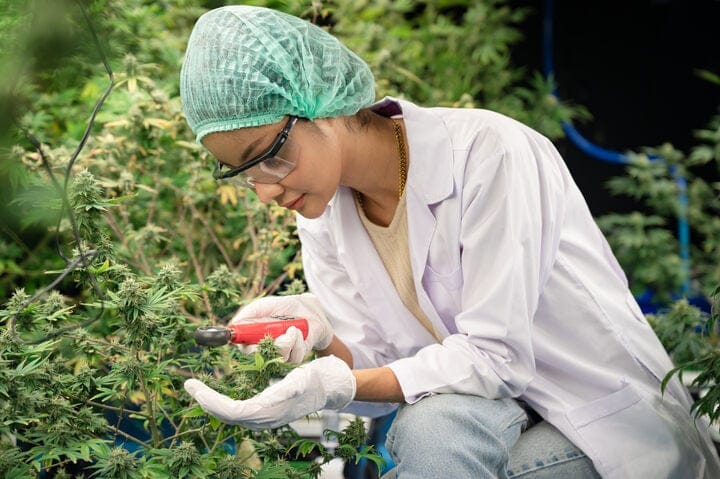
One of the most common ways growers judge maturity is by observing trichomes. These tiny resin-producing structures develop on flowers and surrounding leaves. Under magnification, they change appearance throughout flowering.
Many growers look for:
- Clear trichomes: often associated with earlier maturity
- Cloudy or milky trichomes: commonly considered a sign of developed flowers
- Amber trichomes: often associated with later maturity
The ideal balance depends on the cultivar and the grower’s preference. Trichomes are a useful tool, but they should not be viewed in isolation.
Also consider:
- Flower development
- Aroma
- Plant structure
- Pistil changes
- Overall maturity
The plant tells you more when you learn to look at the whole picture.
One of the easiest mistakes to make is harvesting based on impatience rather than observation. Many growers have experienced the temptation to cut plants down early because the finish line is in sight. A little more patience at this stage can make a noticeable difference.
Related Article:Using Trichomes To Determine Potency and Harvest Time
How to Dry Cannabis Properly to Help Preserve Terpenes
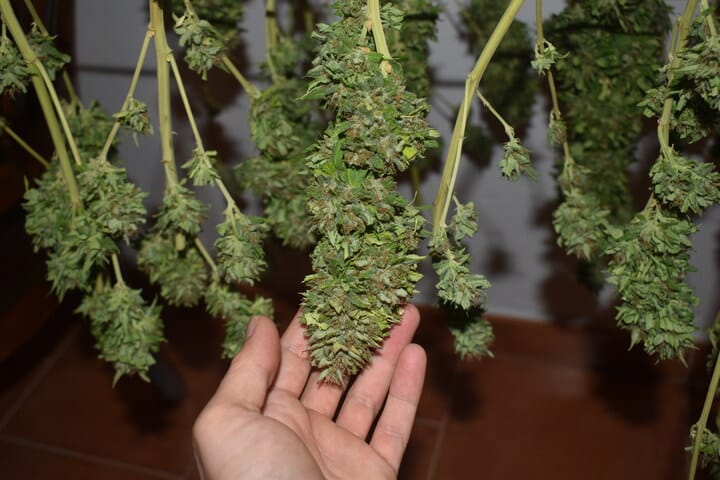
The drying process matters just as much as the growing process. A cannabis plant can be grown beautifully and still lose some of its character after harvest. This is one of the most overlooked parts of cultivation.
When people search for how to grow a weed plant, they often think about seeds, lights, nutrients, and flowering. But the work doesn't stop when the plant is cut. Drying is where careful cultivation can either be protected or compromised.
Fresh cannabis flowers contain a large amount of moisture. Removing that moisture too quickly can affect texture, aroma, and the overall quality of the finished product. A slow, controlled drying process allows moisture to leave the flowers gradually while helping preserve desirable characteristics - such as those valuable terpenes.
How to Create the Right Cannabis Drying Space
A good drying space doesn't need to be complicated. But it does need to be stable.
Suitable options may include:
- A dedicated drying tent
- An unused grow tent
- A clean cupboard or wardrobe
- A suitable dark room with controlled airflow
The ideal drying environment is:
- Dark
- Cool
- Clean
- Well ventilated
- Free from excessive temperature swings
Light exposure can degrade some cannabis compounds, which is why darkness is important during drying and storage.
Many growers aim for approximately:
- Temperature: 15–21°C
- Relative humidity: 50–60%
These conditions are general targets rather than strict rules. Flower density, local climate, and drying method all influence the ideal environment.
Drying equipment growers commonly use
A simple, effective drying setup would include:
Hygrometer: A small digital hygrometer allows you to monitor humidity.
Thermometer: Temperature stability matters, especially during warmer months.
Gentle airflow: Air movement helps prevent stagnant conditions, but fans should not blow directly onto hanging flowers.
Direct airflow can cause uneven drying and may dry the outside of flowers too quickly.
Drying racks or nets: Useful when space is limited or when drying smaller amounts.
However, hanging whole plants or larger branches is often preferred by many growers because it can slow moisture loss and encourage a more gradual dry.
A plant that dries too quickly may lose some of the qualities growers spent months developing. A plant that dries too slowly in poor conditions may increase the risk of unwanted problems.
How to Know When Cannabis Has Finished Drying
There are several signs growers use to judge readiness.
Common indicators include:
- Flowers feel dry on the outside but not brittle
- Smaller stems begin to snap rather than bend endlessly
- Larger branches may still have some flexibility
- Aroma becomes more refined rather than smelling simply “green”
Many growers dry for approximately 7–21 days, depending on flower size, environmental conditions, and drying method. The calendar is useful, but the plant itself is the better guide.
How to Cure Cannabis to Help Preserve Aroma and Terpene Profiles
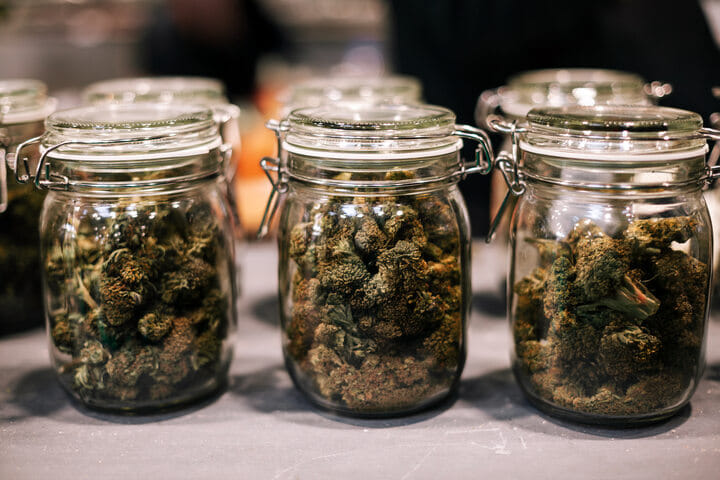
The final stage of cultivation requires patience. If drying is about removing excess moisture, curing is about allowing the flowers to stabilize. This stage is where many growers discover that patience is one of the most valuable cultivation tools.
A freshly dried flower and a properly cured flower can smell noticeably different. During curing, remaining moisture redistributes throughout the flower, allowing the internal environment to become more stable. Many growers believe this process helps improve smoothness, aroma, and overall quality.
Cannabis Curing Equipment and Storage Options
When it comes time to cure your buds, there are a few options:
Glass jars
The traditional choice for many home growers is the glass jar.
Glass mason jars are popular because they are:
- Affordable
- Reusable
- Easy to clean
- Resistant to odour absorption
A popular approach is filling jars around two-thirds to three-quarters full, leaving enough space for air movement. Avoid compressing flowers tightly. They need room to breathe.
Humidity-controlled containers
Some growers use specialised curing containers or bags designed to maintain stable humidity.
Examples include:
- Stainless steel curing containers
- Purpose-built cannabis storage containers
- Humidity-control solutions
These can be useful tools, but they're not substitutes for proper drying. A container cannot fix flowers that were dried incorrectly.
What Is Burping Cannabis and Why Does It Matter?
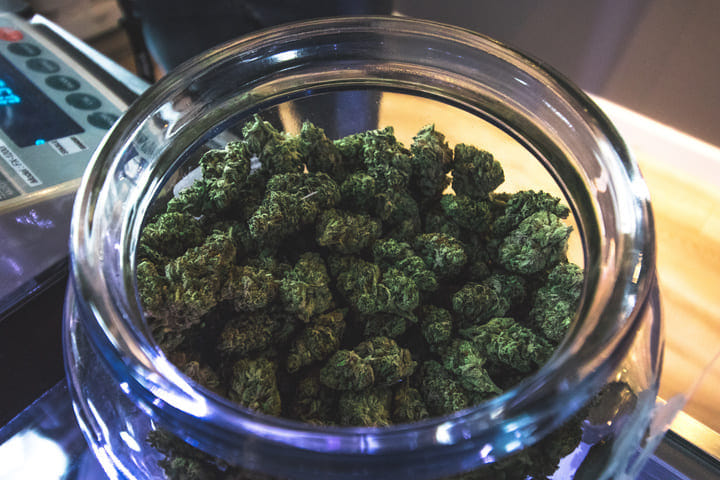
Burping refers to opening curing containers periodically to allow fresh air exchange. During early curing, many growers open containers regularly to release excess moisture and prevent stale air conditions.
A common approach:
First week:
Open jars once or twice daily for a few minutes.
Second week:
Reduce frequency as moisture levels stabilise.
Following weeks:
Open less frequently depending on flower condition. The exact schedule varies. The important thing is monitoring the flowers rather than following a rigid timetable.
Good curing is about balance. Too little air exchange can create problems, while too much can slow the stabilization process. The grower’s job is simply to create the conditions where the flowers can settle naturally.
Final Thoughts: Growing Cannabis Is About Understanding the Plant
Learning how to grow a weed plant with maximum terpene development in mind is not simply about following a set of instructions. It is about developing an understanding.The best growers learn to observe. They notice when the plant is asking for something — and when it is asking to be left alone.
Terpenes are part of what makes cannabis such a fascinating plant. They represent the individuality of each cultivar and remind us that every seed has its own potential. A grower can't force a plant to become something it's not. But they can create an environment where the plant has the best opportunity to express itself. That's the real joy of cultivation - growing something from a tiny seed and learning the language of the plant along the way.
Frequently Asked Questions
How do you grow a weed plant with stronger aroma?
The aroma profile of cannabis is influenced primarily by genetics, but growers can support the plant’s natural expression by maintaining healthy growing conditions, avoiding unnecessary stress, harvesting carefully, and using good drying and curing practices.
What is the most important factor when learning how to grow a weed plant?
Genetics provide the foundation, but successful cultivation depends on combining good genetics with a suitable environment, balanced nutrition, proper watering, and careful post-harvest handling.
Can growing conditions affect cannabis terpenes?
Yes. While genetics play the largest role in terpene profiles, environmental factors such as temperature, light, plant health, and post-harvest handling can influence how aromatic characteristics are expressed and preserved.
What temperature is best for drying cannabis?
Many growers aim for a drying environment around 15–21°C with relative humidity around 50–60%. The exact conditions depend on flower structure, airflow, and the local environment.
How long should cannabis cure for?
Curing time varies depending on preference and storage conditions. Many growers cure for several weeks, with some choosing longer periods to allow aromas and characteristics to continue developing.
Do you need expensive equipment to grow cannabis successfully?
No. While advanced equipment can provide more control, successful cultivation begins with understanding the plant, maintaining stable conditions, and paying attention to detail.
Why does cannabis smell different after curing?
Freshly dried cannabis often has a strong “green” or plant-like aroma. During curing, chemical processes continue and moisture redistributes within the flowers, which can change and refine the overall aroma profile.
------------------------------------------------------------
References:
[1] Terpenes in Cannabis sativa – From plant genome to humans. Judith K. Booth, Jörg Bohlmann. 2019. https://pubmed.ncbi.nlm.nih.gov/31084880/
[2] Terpenoids and Phytocannabinoids Co-Produced in Cannabis sativa Strains Show Specific Interaction for Cell Cytotoxic Activity. Dalia Namdar, Haim Voet, Venkatesh Ajjampura et al. 2019. https://pmc.ncbi.nlm.nih.gov/articles/PMC6749504/
[3] In Pursuit of Optimal Quality: Cultivar-Specific Drying Approaches for Medicinal Cannabis. Matan Birenboim, Nimrod Brikenstein, Danielle Duanis-Assaf, Dalia Maurer, Daniel Chalupowicz, David Kenigsbuch, Jakob A. Shimshoni. 2024. https://pmc.ncbi.nlm.nih.gov/articles/PMC11013261/
[4] Stress and Secondary Metabolites in Plants: An Overview. Taofiq Olawale Isah. 2019. https://biolres.biomedcentral.com/articles/10.1186/s40659-019-0245-3
[5] Nutrient Management in Controlled Environment Agriculture. Bruce Bugbee. 2004. https://www.actahort.org/books/644/644_6.htm
[6] Long Term Stability of Cannabis Resin and Cannabinoids During Storage. Christian Lindholst. 2010.https://www.tandfonline.com/doi/full/10.1080/00450611003726920
